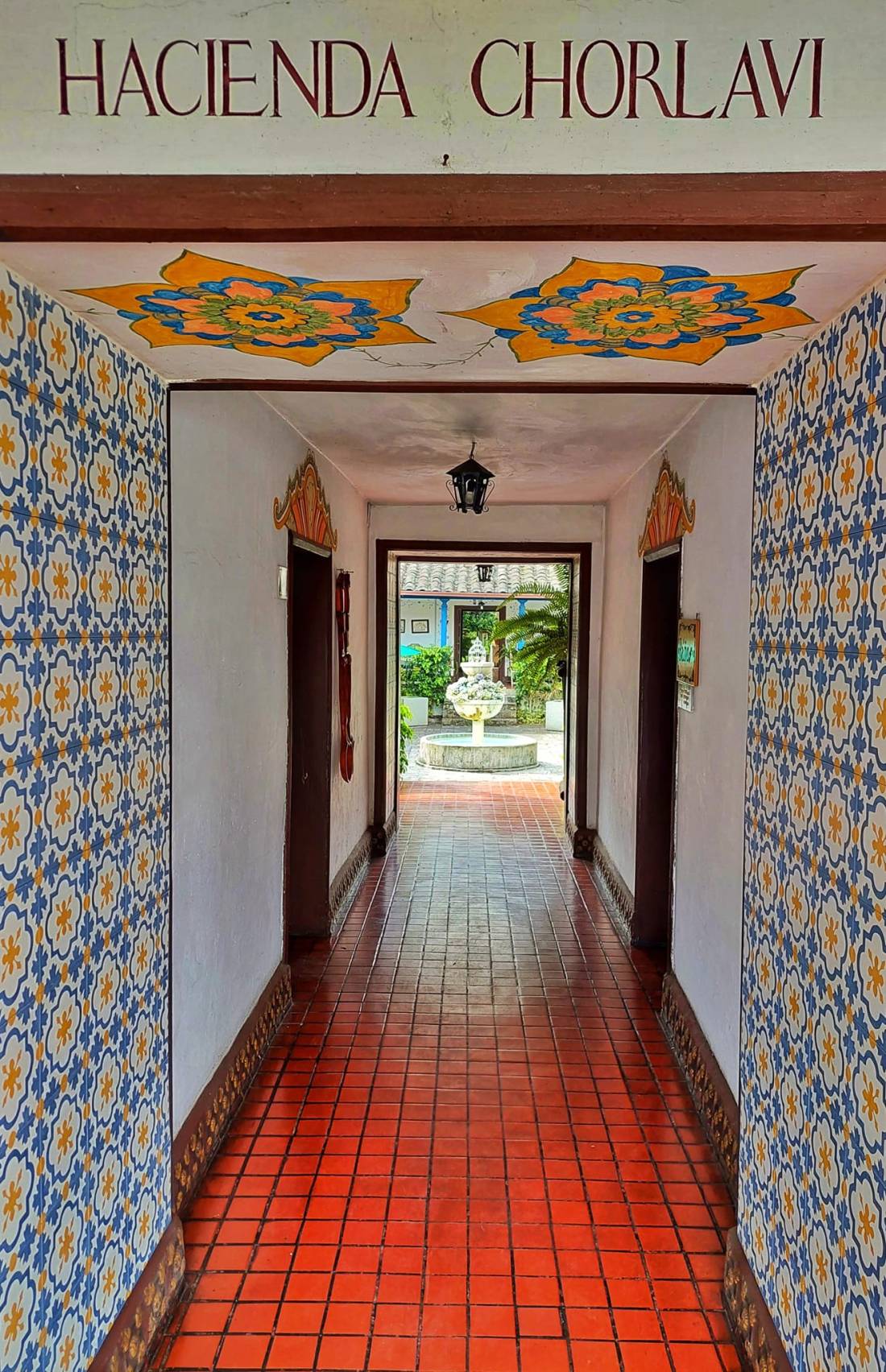
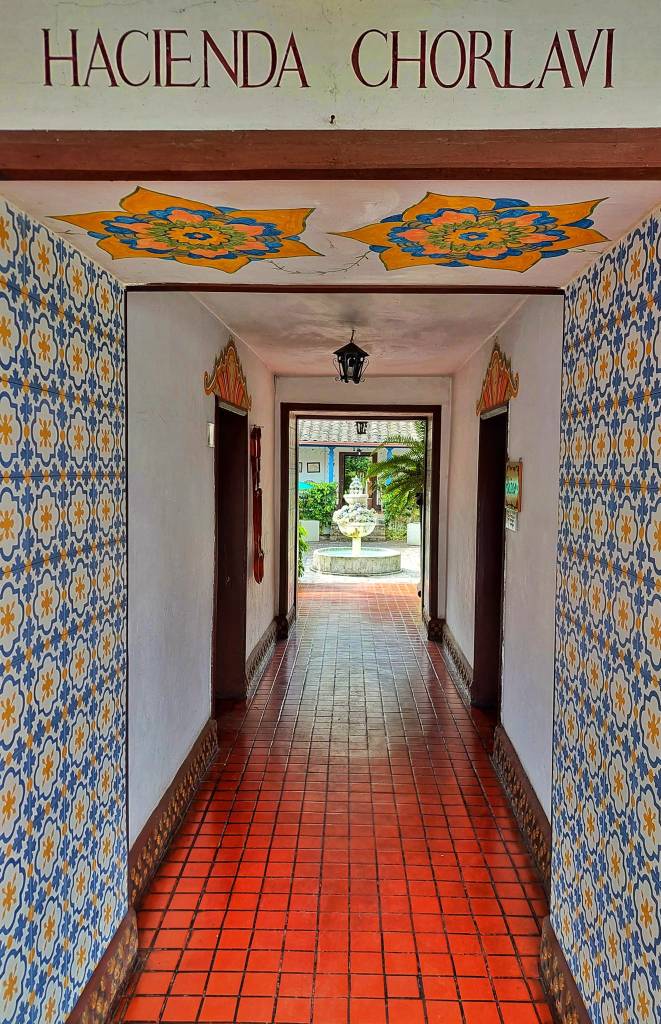
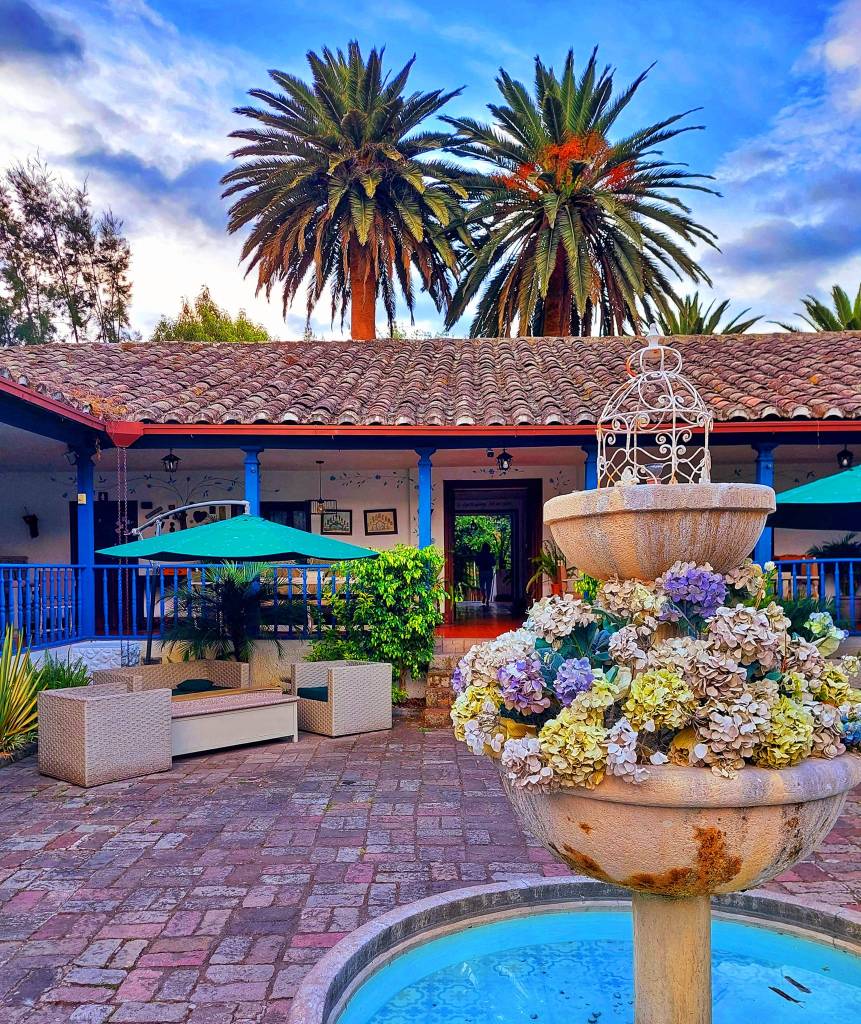
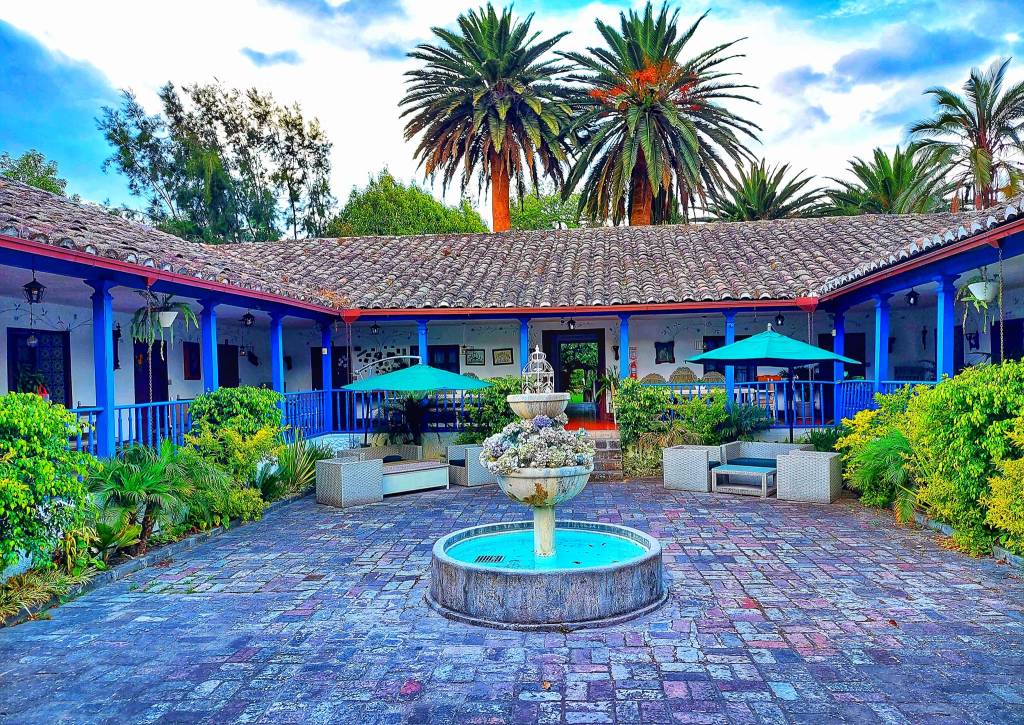
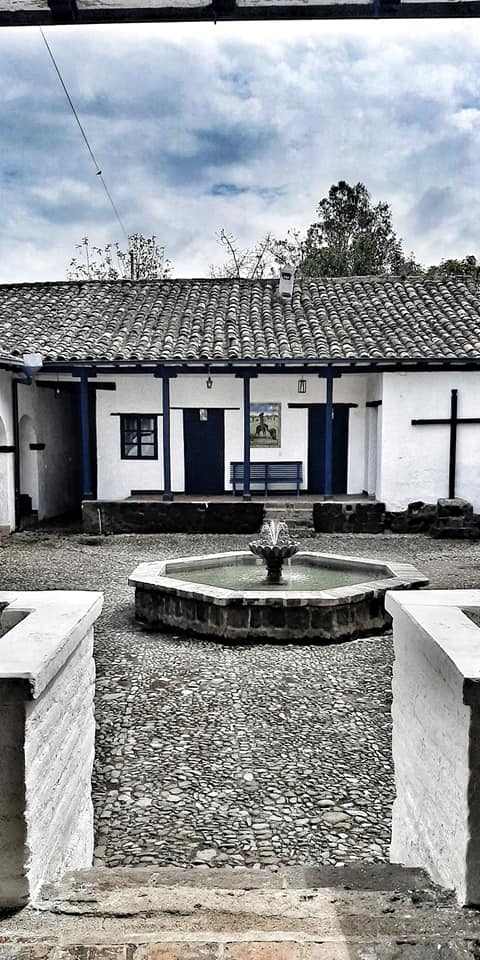
Hacienda Chorlavi in Ibarra, was one of the first properties acquired by the Jesuits in the region, in 1620. Many haciendas in Ecuador can boast that their history dates back to the Spanish conquest or at least to the 17th century. But few can say that they are the first to have developed the concept of hacienda-hotel. Chorlaví, was the first, back in the ’70’s. The hacienda has hosted the Queen of Spain, Prince Rainier of Monaco, and all of Ibarra’s families.
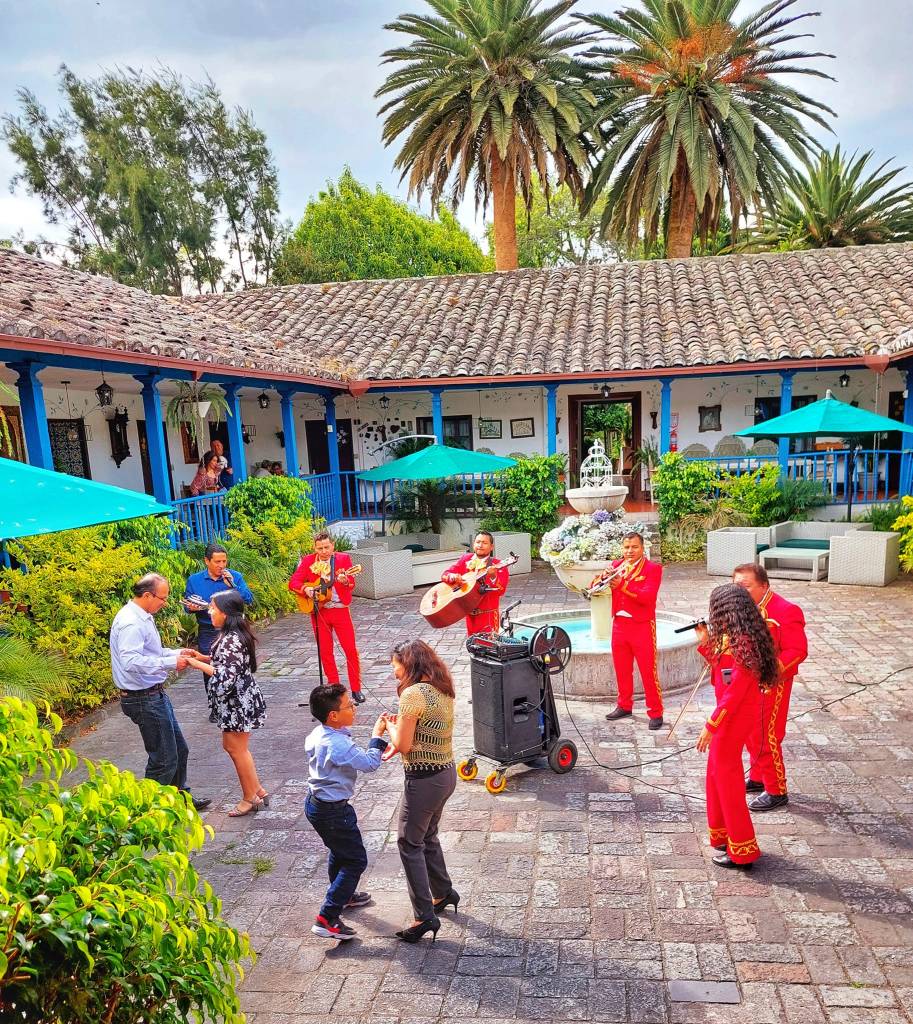
The music started on a Saturday afternoon with a mariachi serenade for a birthday party.
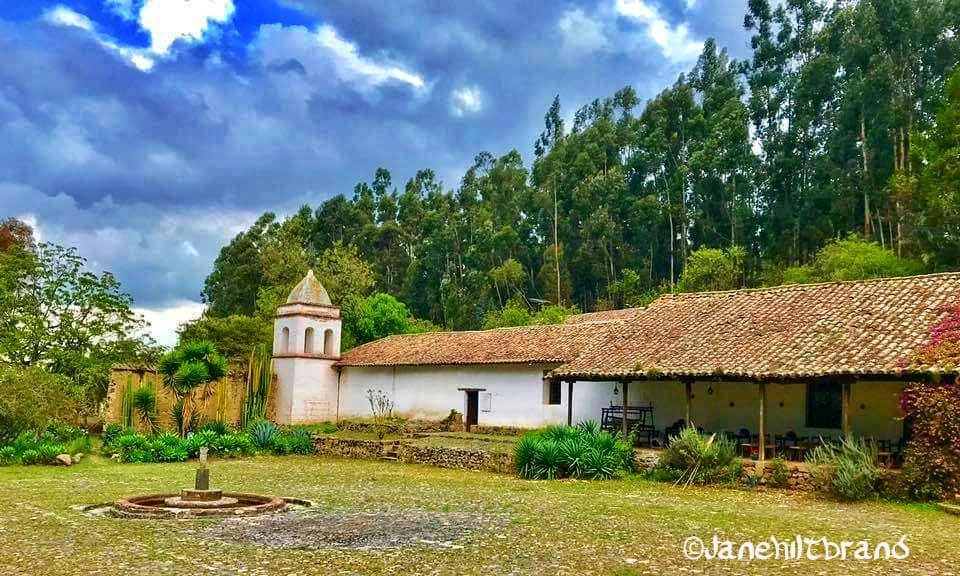
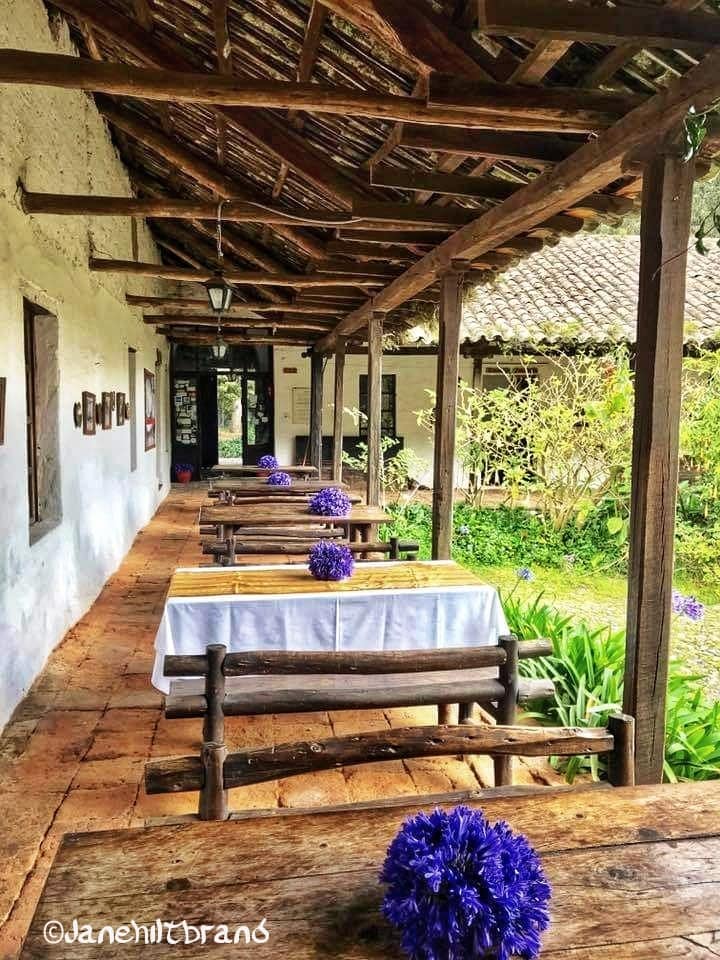
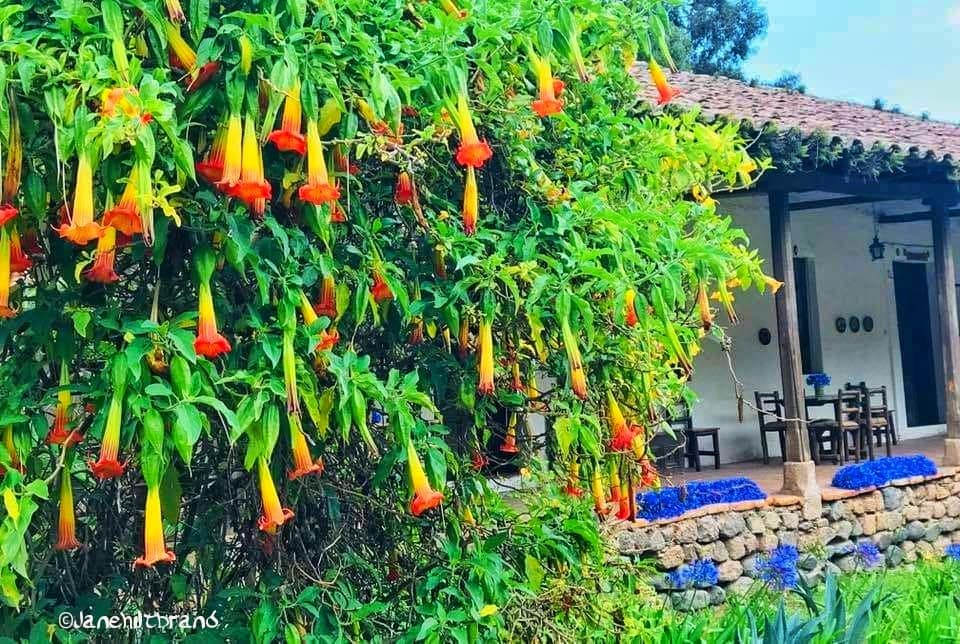
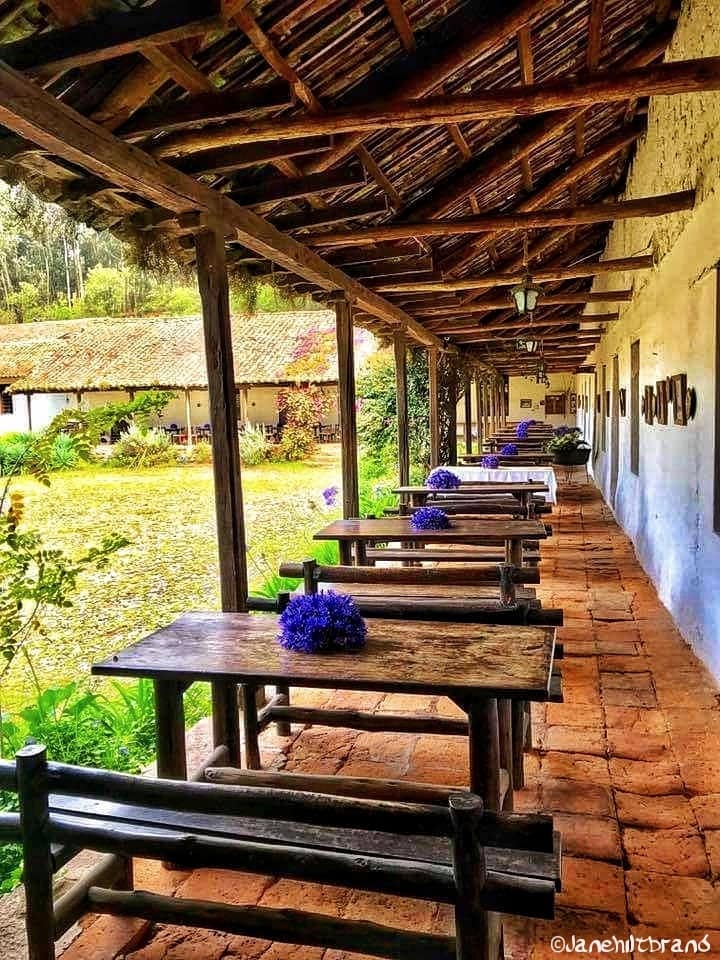
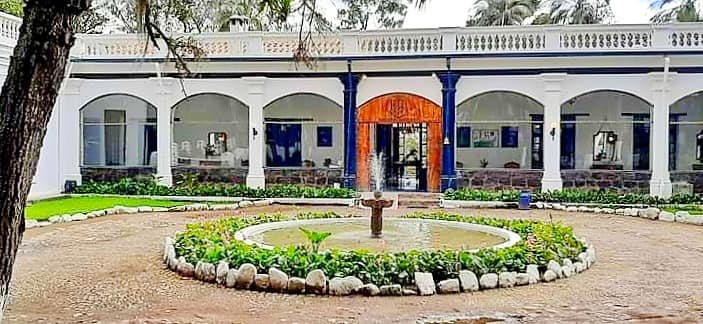
Meals from the restaurant are served at tables surrounding the courtyard.
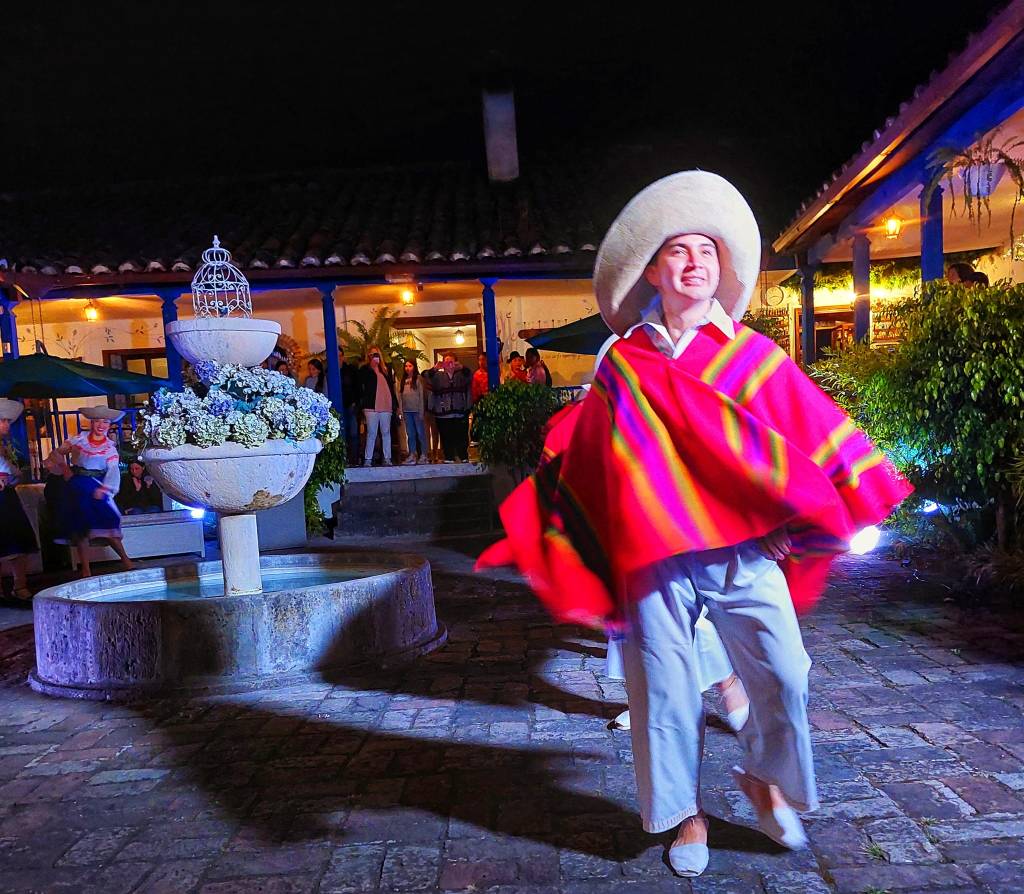
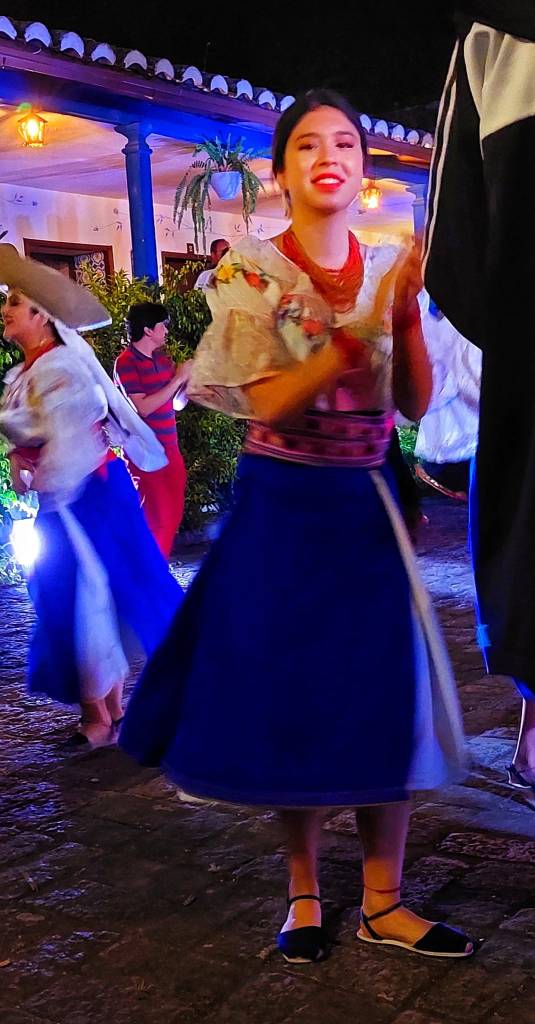
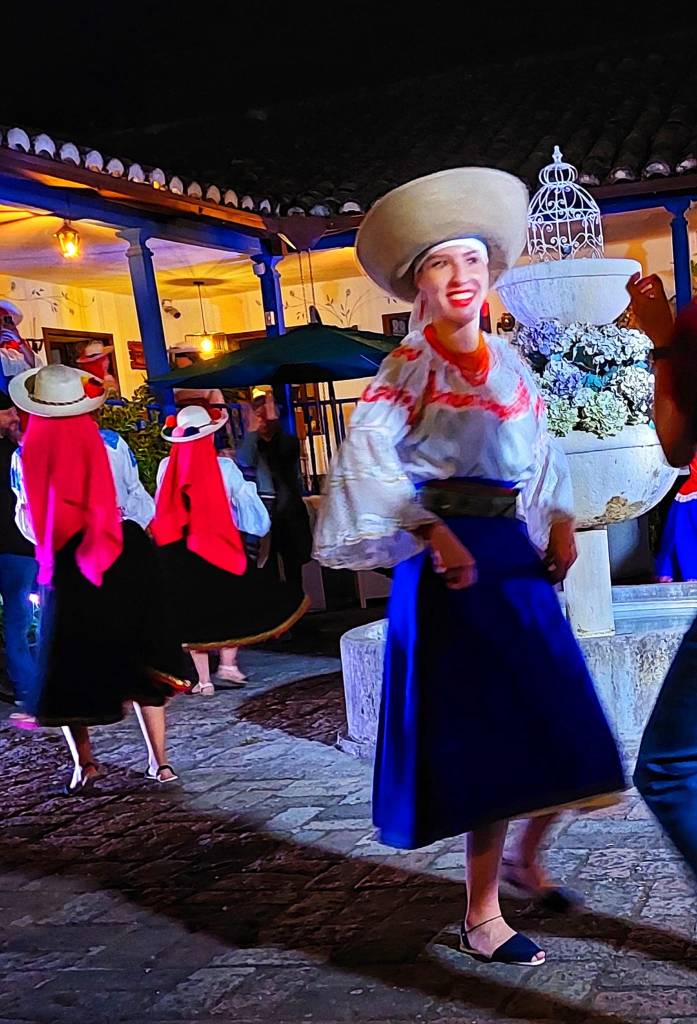
In the evening the courtyard was filled with a local folkloric dance group performing for the guests.
Hacienda Guachalá in Cayambe is the oldest hacienda in Ecuador (1500’s). In it’s heyday it had 12, 000 hectares. (30,000 acres)
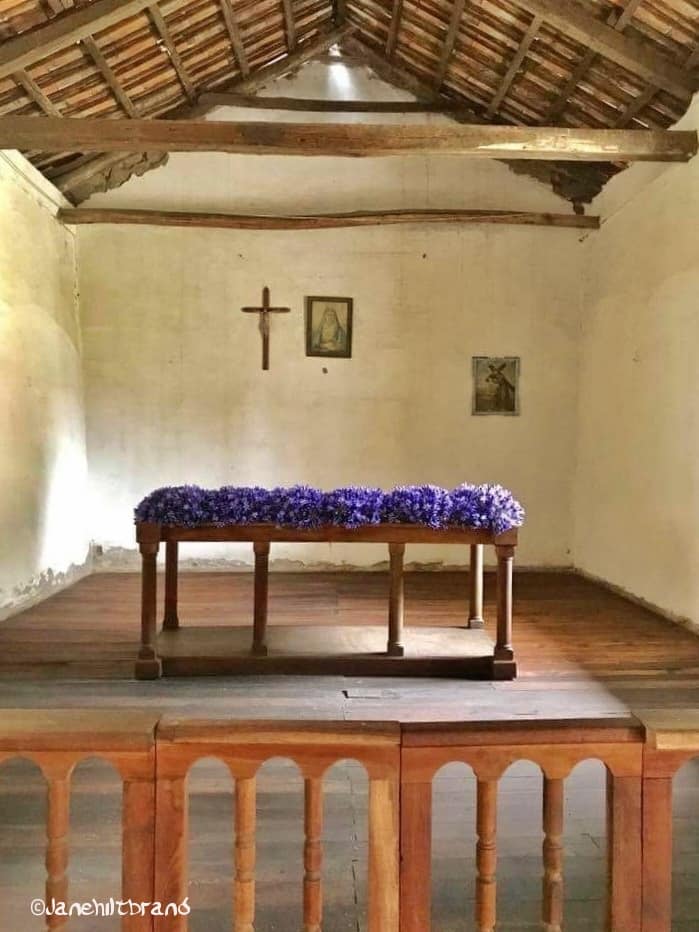
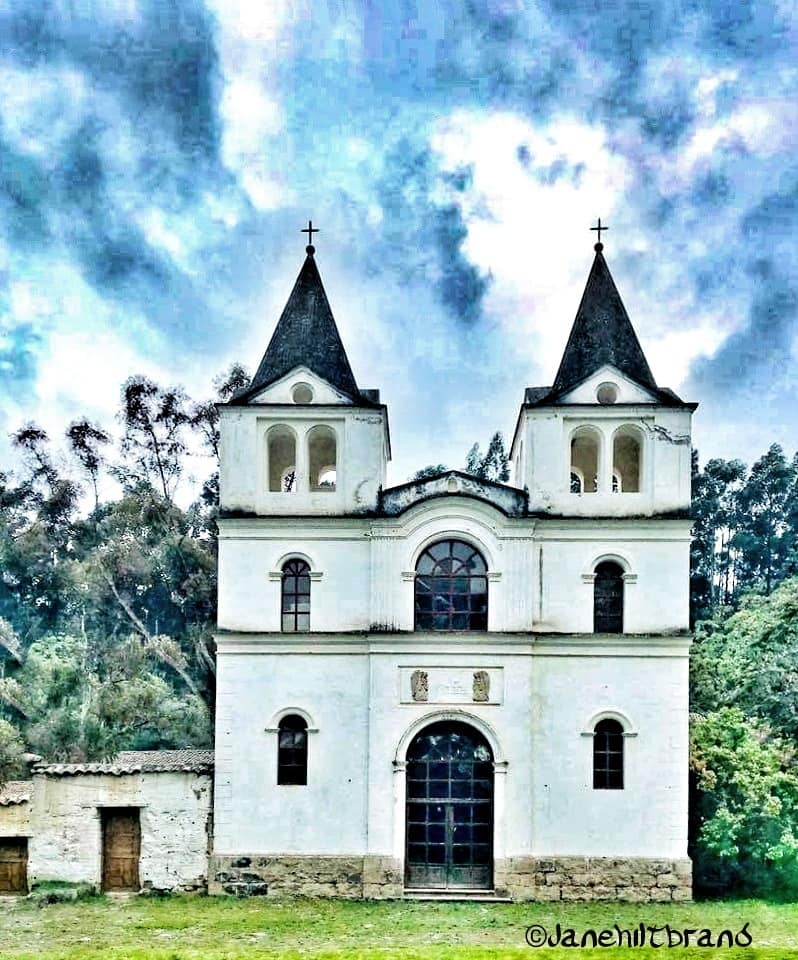
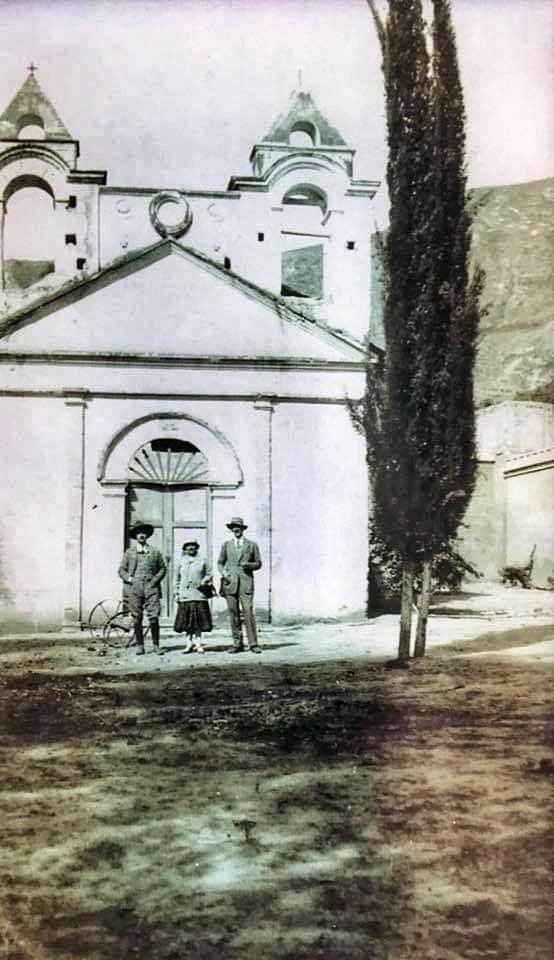
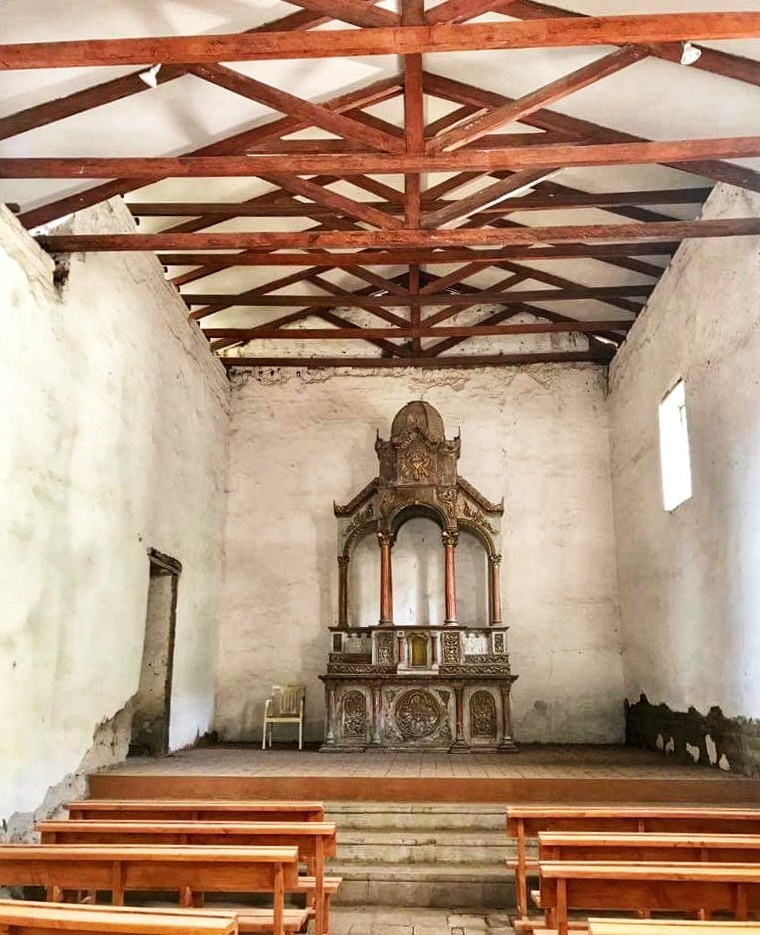
The Chapel was the first structure built on the Hacienda in 1580. In 1922 as a result of the socialist revolution in Ecuador, the chapel was cleared out of all religious icons from the altar. After that, services were prohibited, since it was thought the chapel was profane.
The Spanish arrived in Ecuador in 1534. Following their arrival, Guachala was incorporated into the Ecomienda system. In 1964 as part of the Ecuadorian Agrarian Reform, lands were given and divided among indigenous laborers. The hacienda transformed into a family run business in 1993.
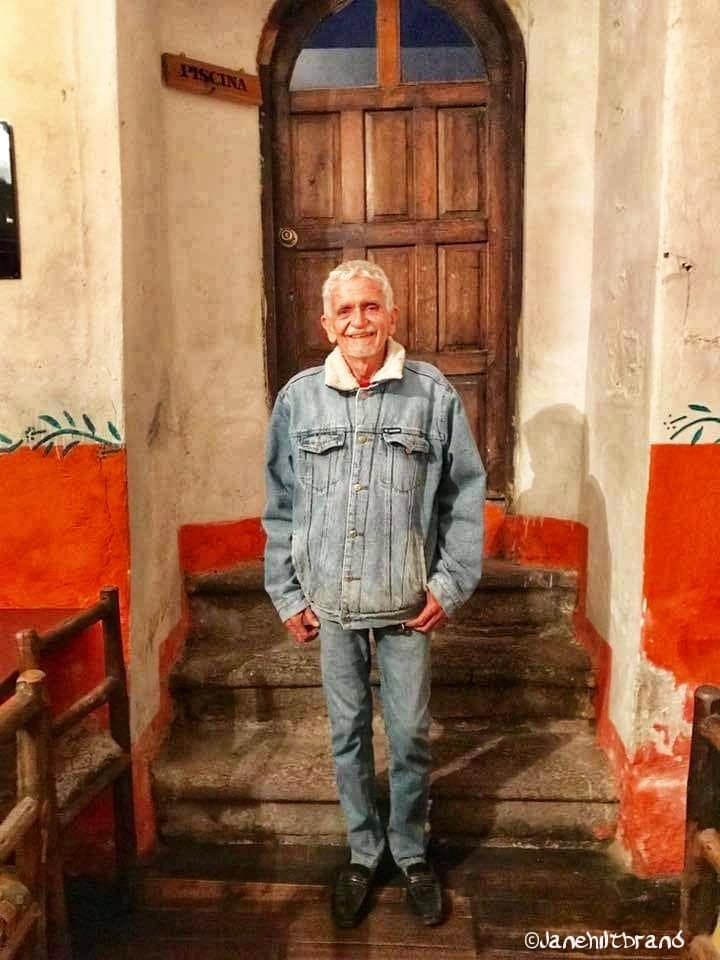
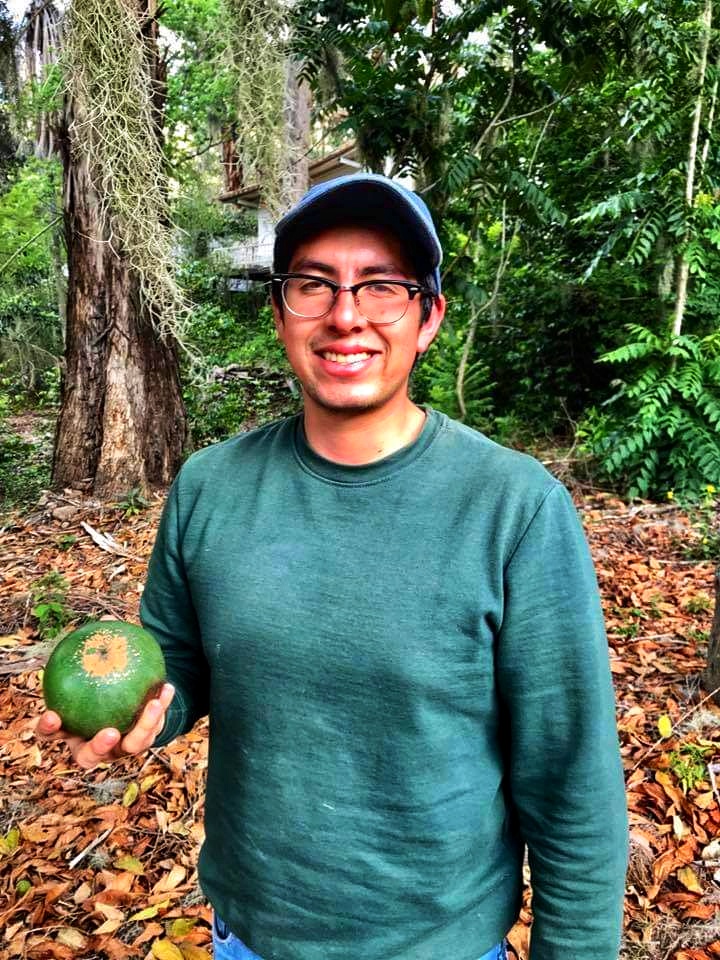
This is Diego Bonifaz. Guachala was bought in 1892 by Josefina Ascazubi, who married the Peruvian diplomat Neptali Bonifaz. In 1993 Diego Bonifaz, who had inherited the old hacienda buildings turned these into a hotel. He was previously the mayor of Cayambe
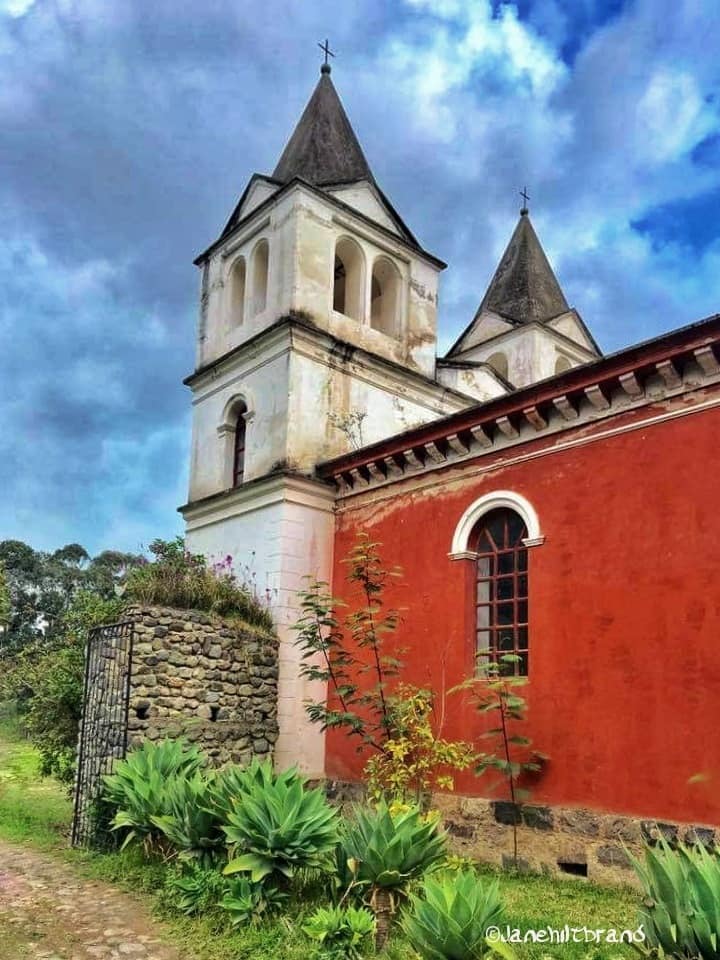
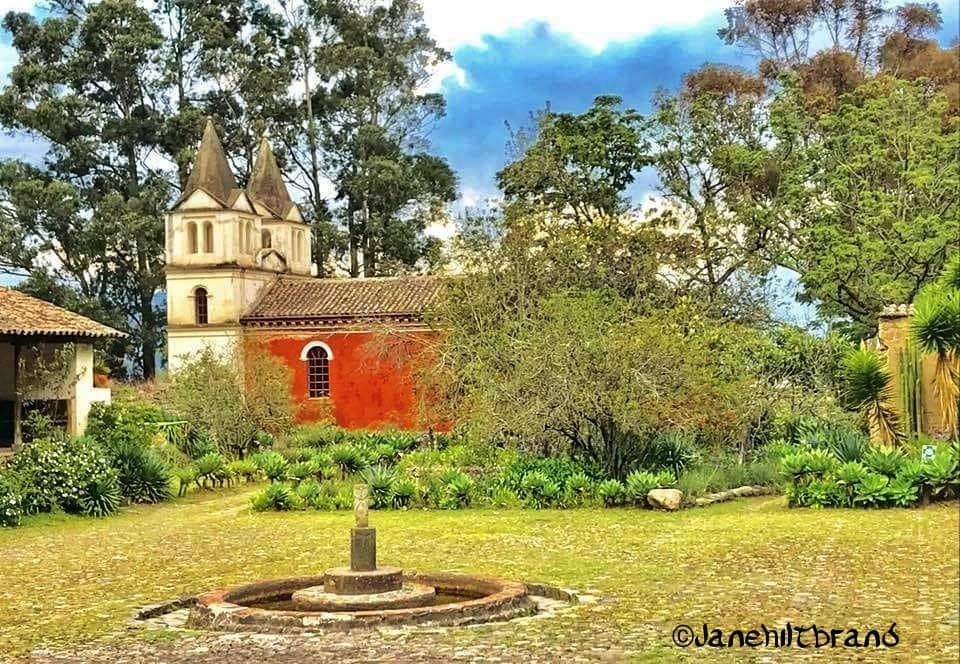
This church was built in 1938
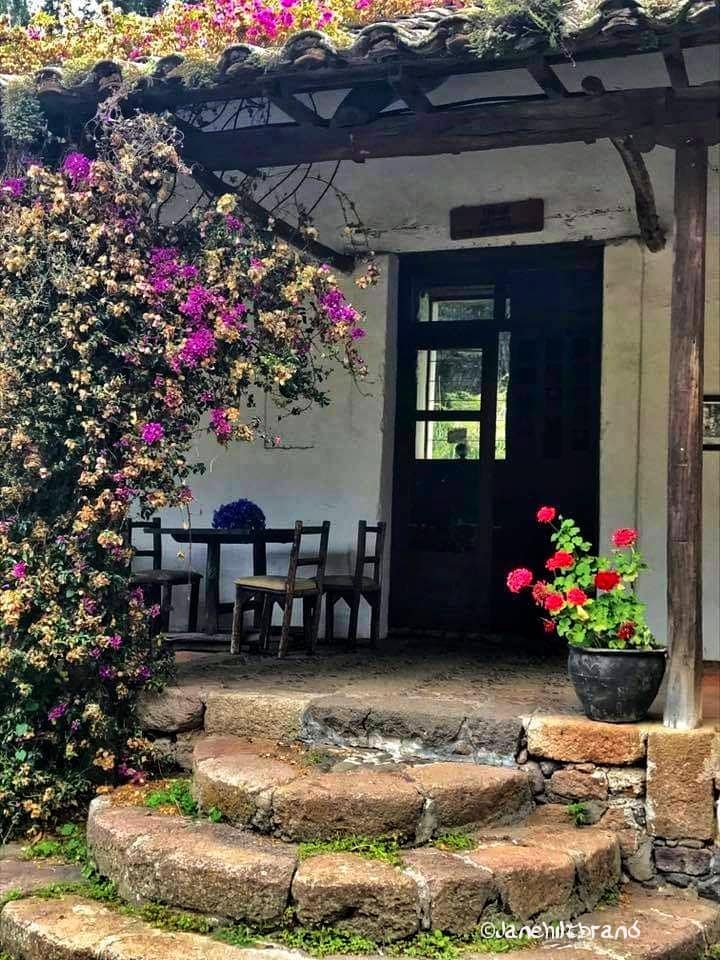
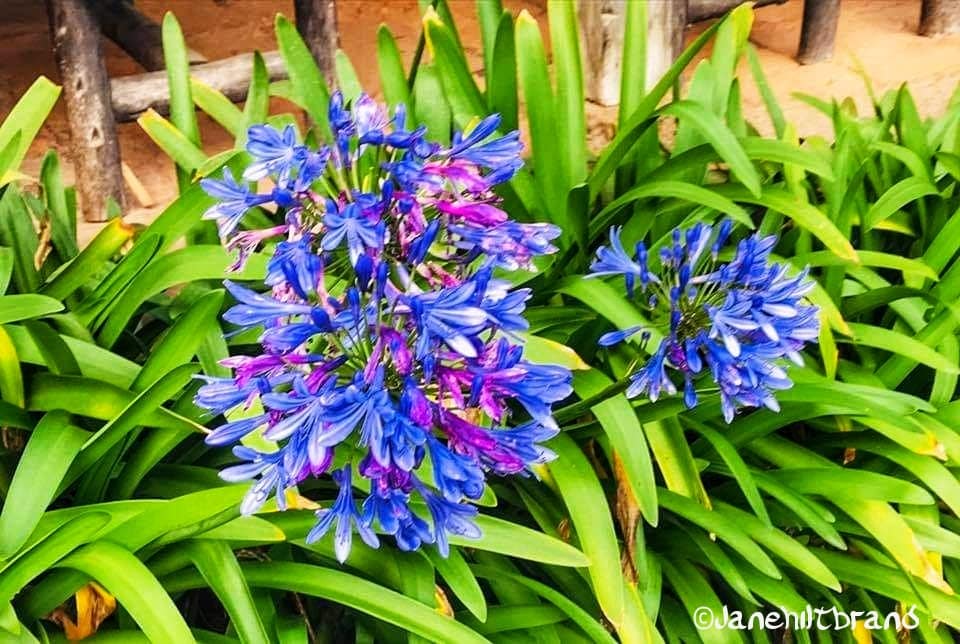
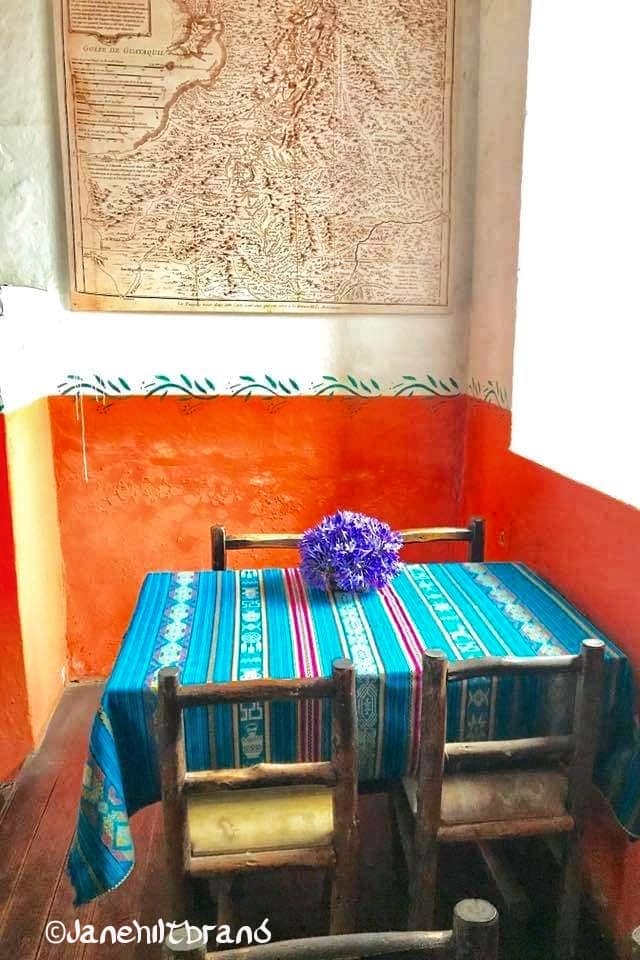
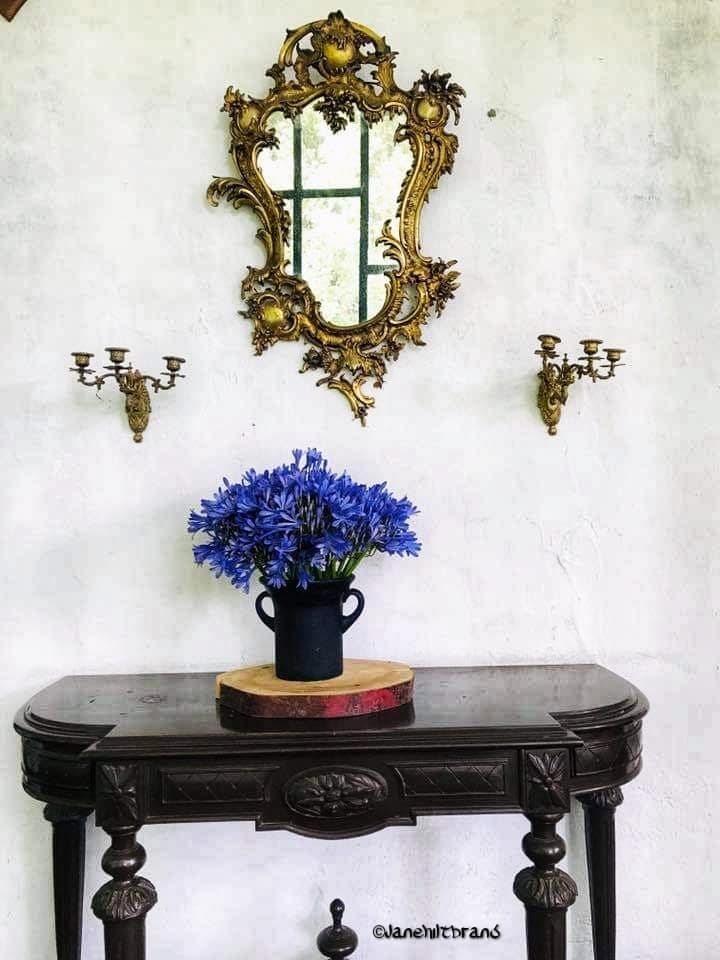
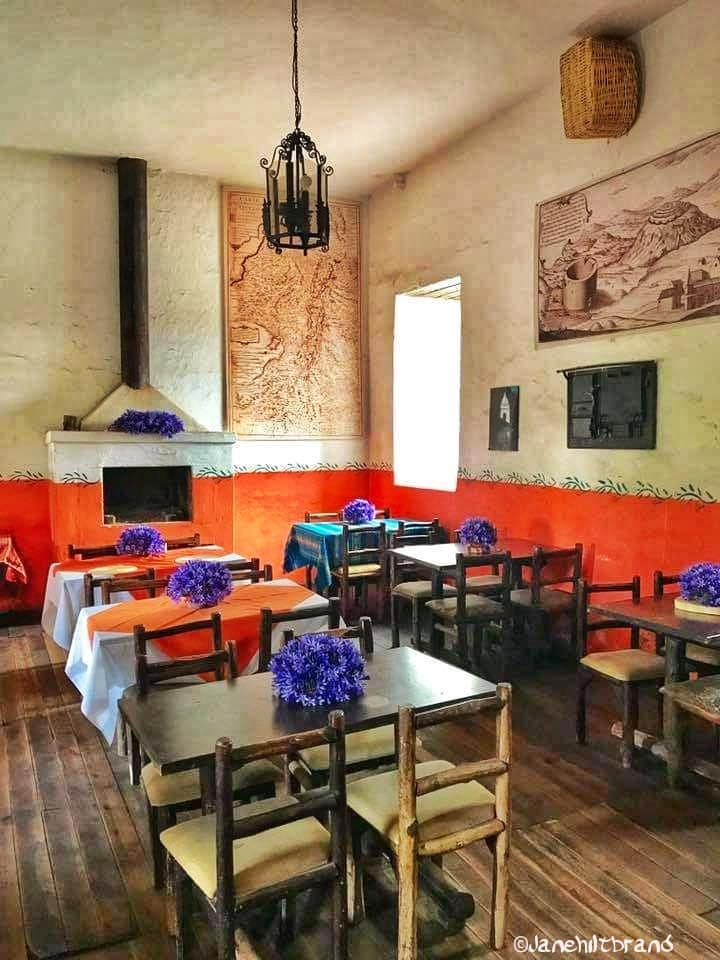
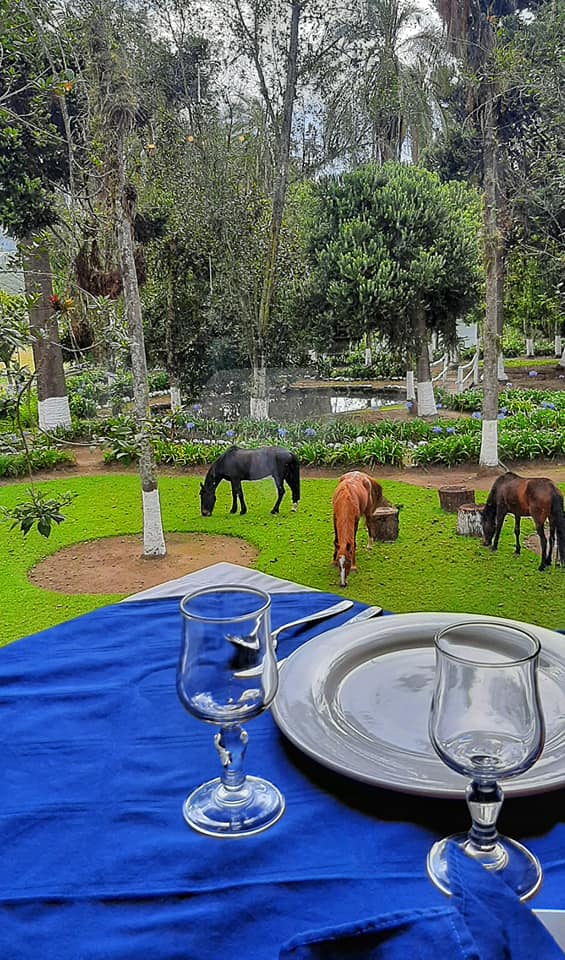
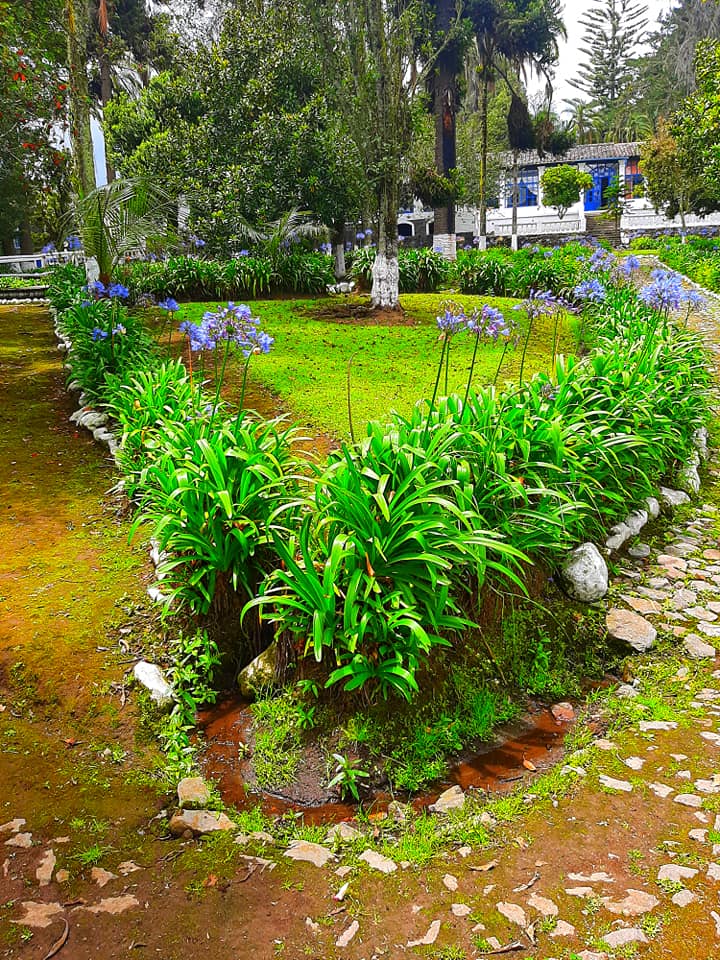
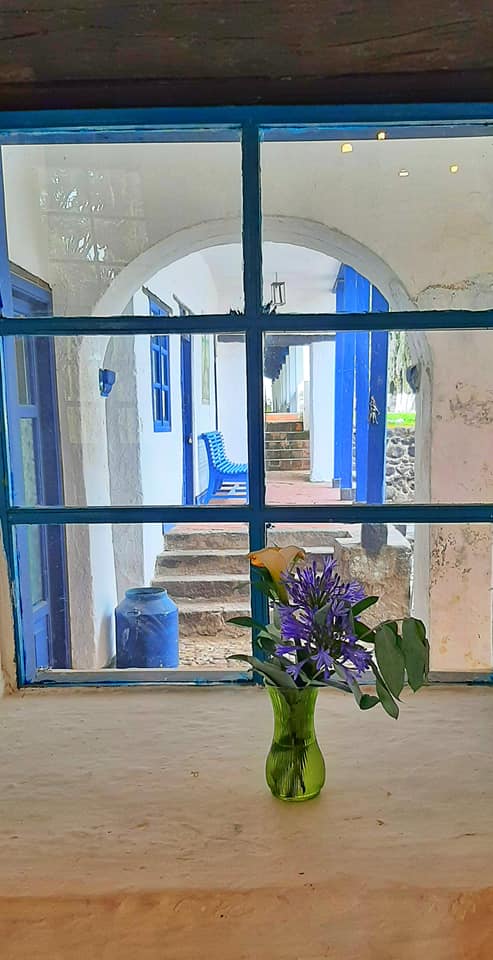
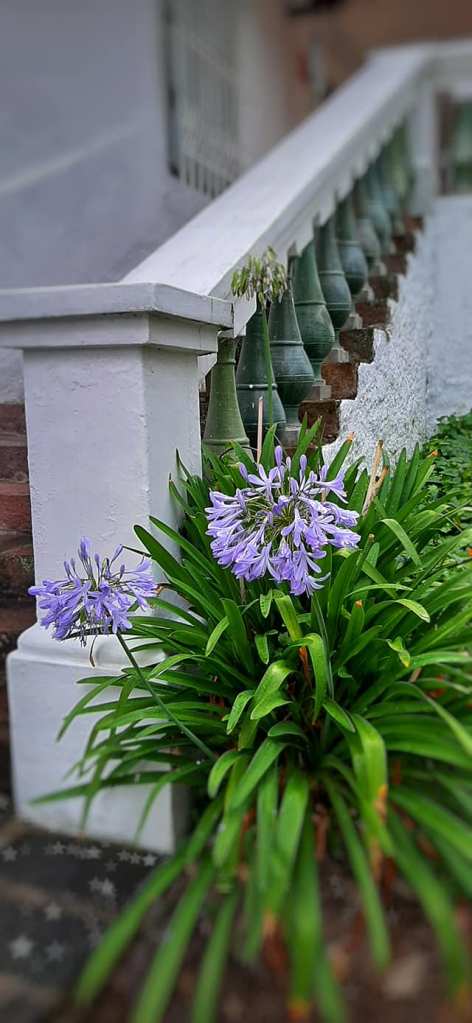
Beautiful purple agapanthus, which grow on the property, adorn every table.
Between 1700 and 1800 the hacienda had around 450 workers of which 300 worked in the obraje (fabric workshop) under really poor conditions. One of the past owners was said to torture the peasants in certain rooms. (there are rumors of ghosts)
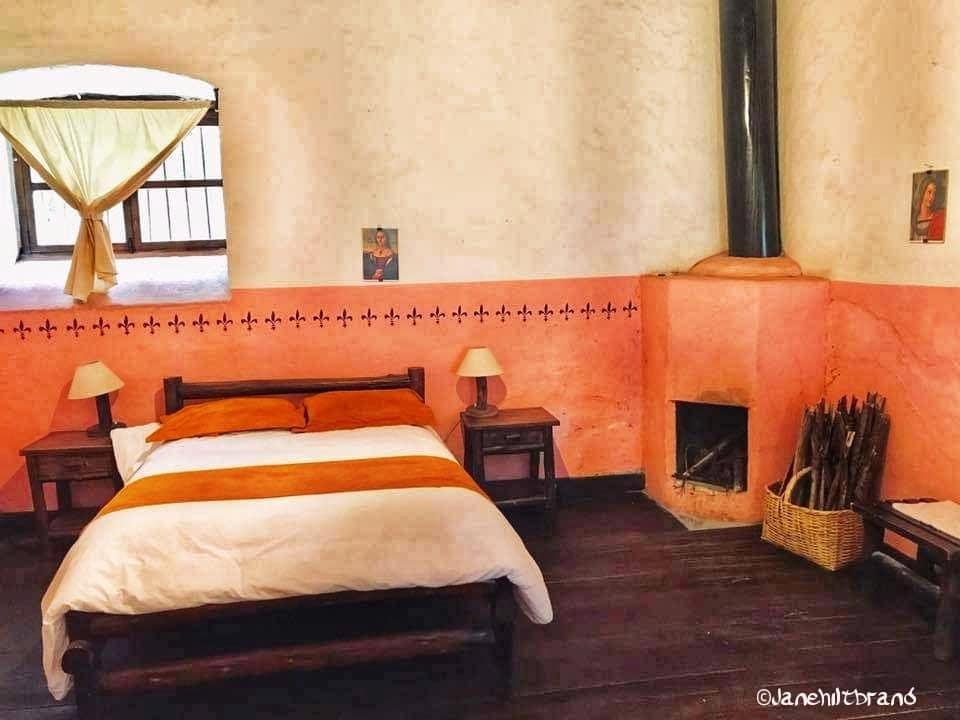
As a hotel, some people would find it pretty spartan, but I loved the authenticity!
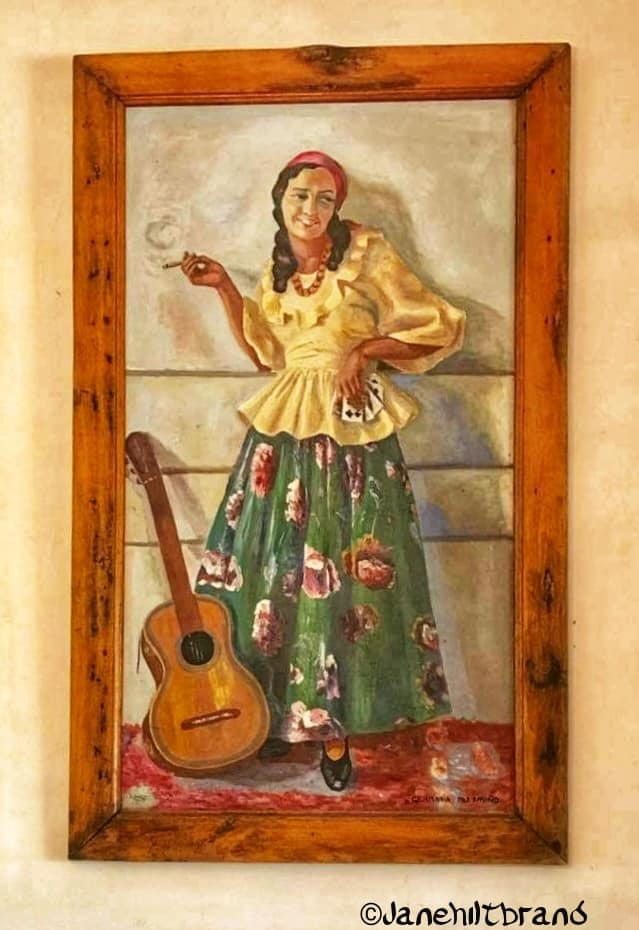
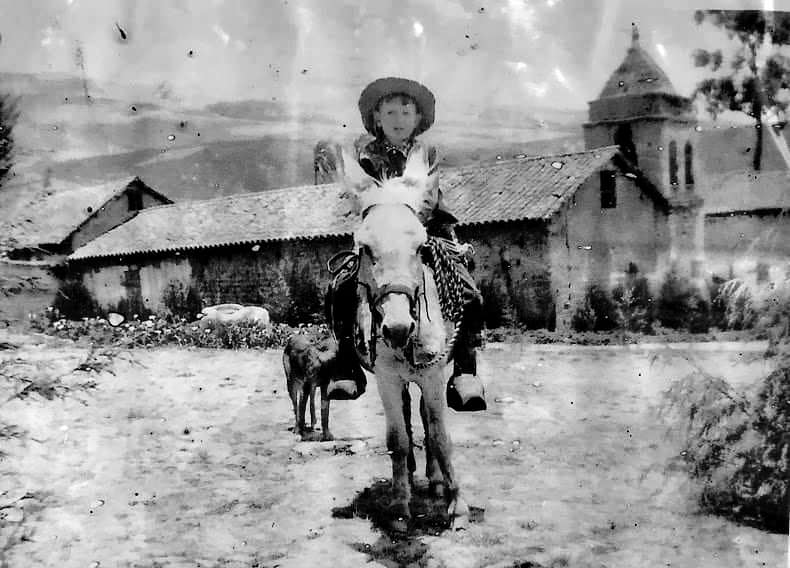
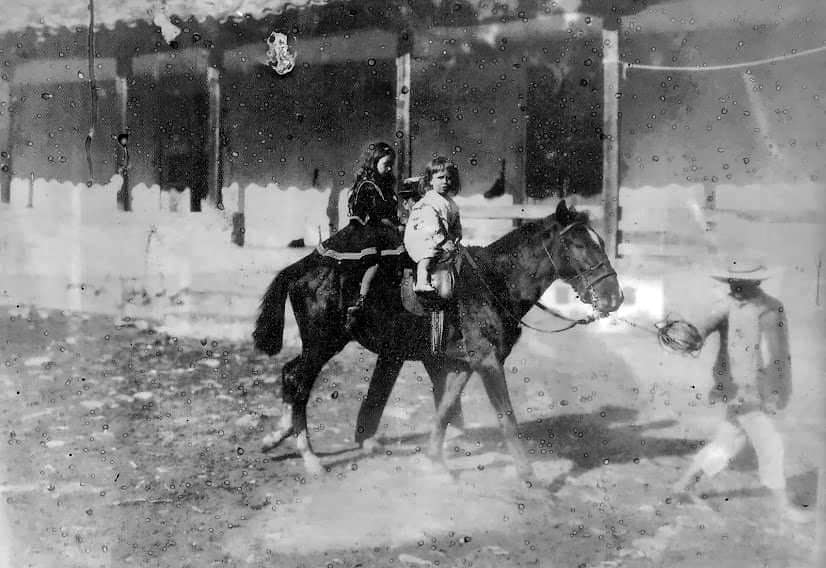
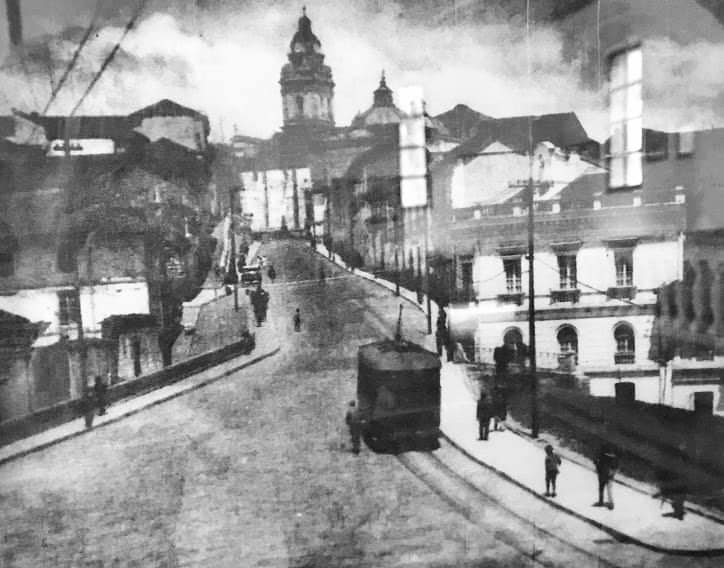
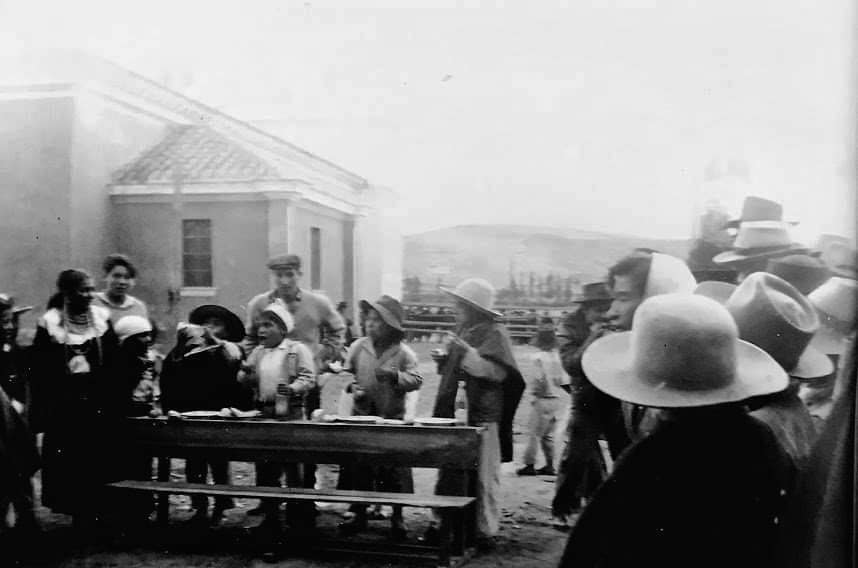
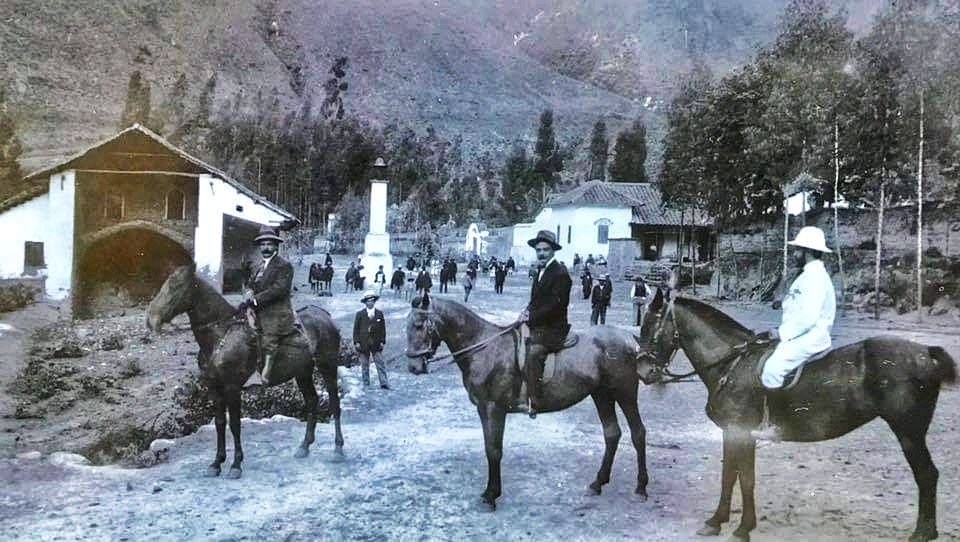
The church walls are lined with old photos of the hacienda, and also very old photos of Quito. As a photography lover, I was thrilled to see these photos, but also distressed because they are suffering from water and sun damage. There is so much incredible history in these old photos!
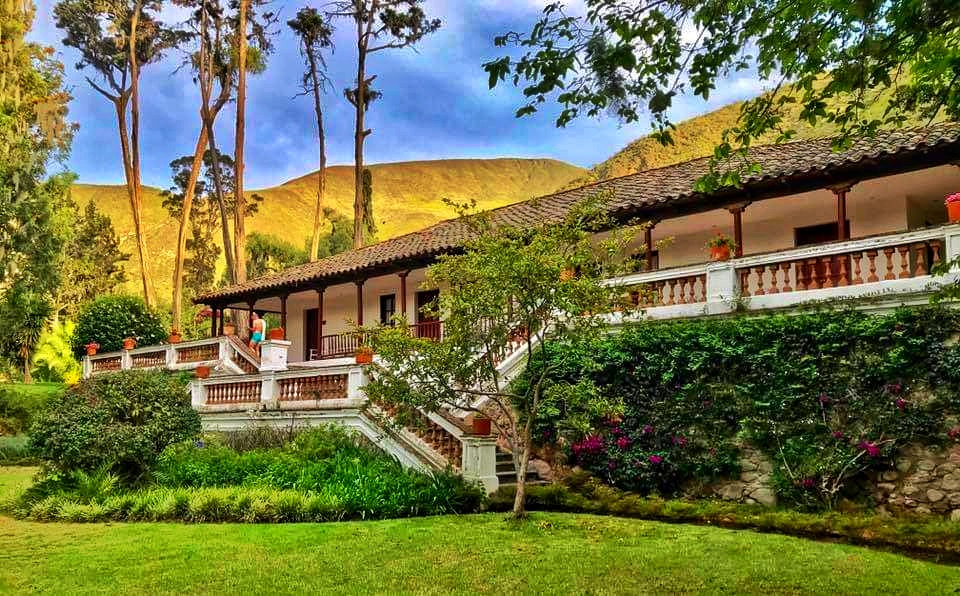
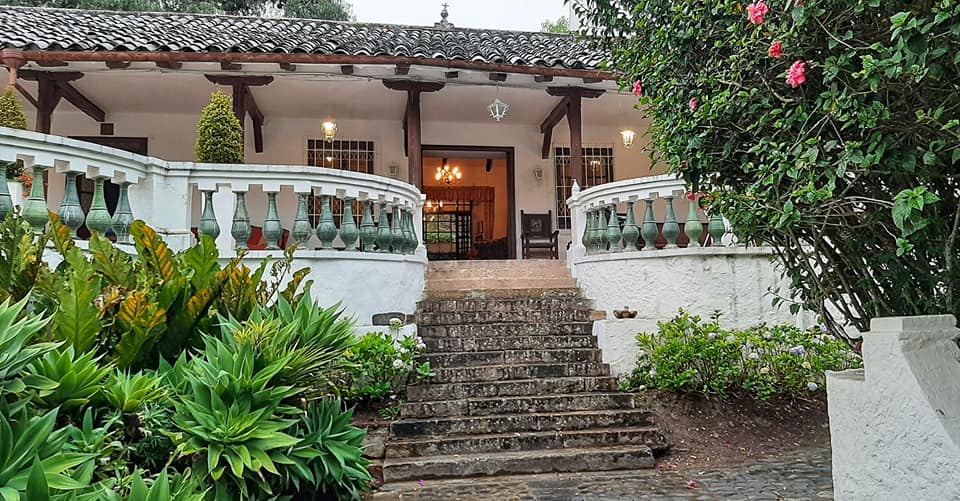
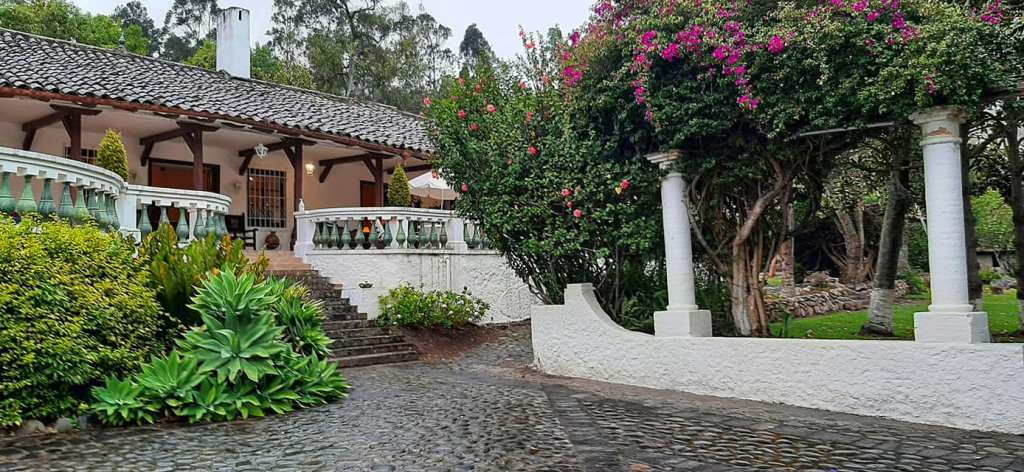
The Piman Hacienda has been owned by the Zaldumbide family since 1680. The lush gardens were designed by a French landscape artist in the 19thy century. Piman features colonial era buildings, furniture and architecture, along with some very stylish more modern villas, and a gourmet restaurant. It is one of the oldest tradional haciendas in northern Ecuador. The hacienda originally had over 6,000 hectares of land.
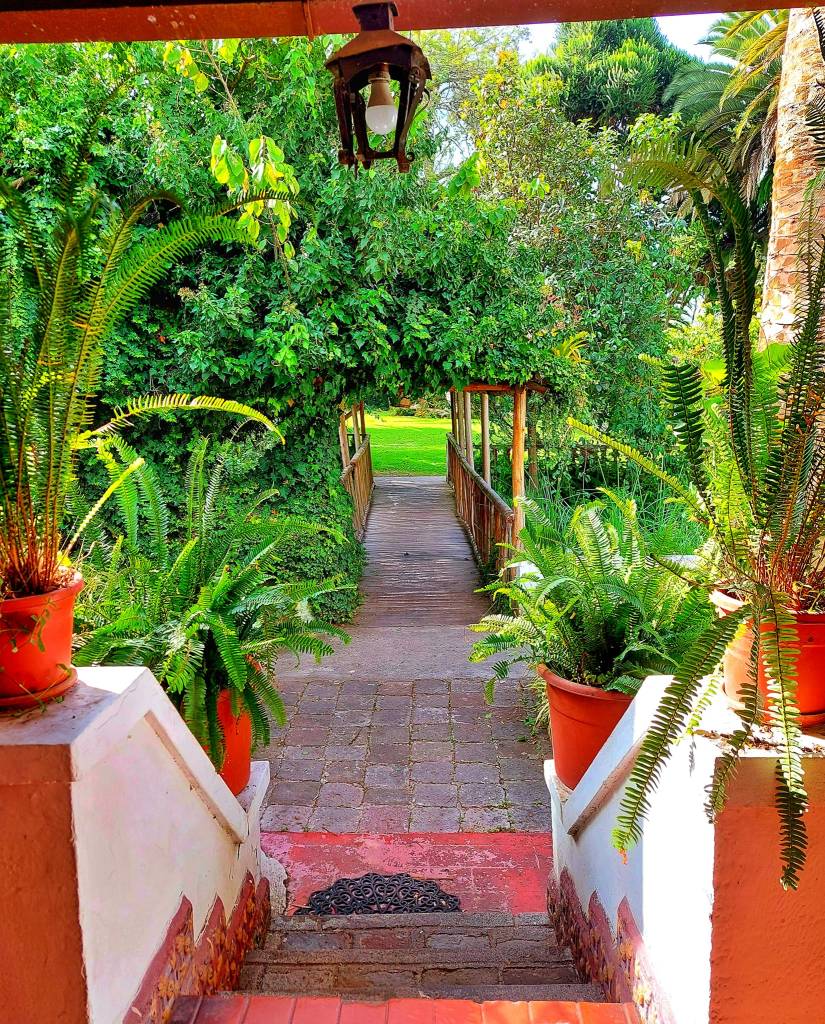
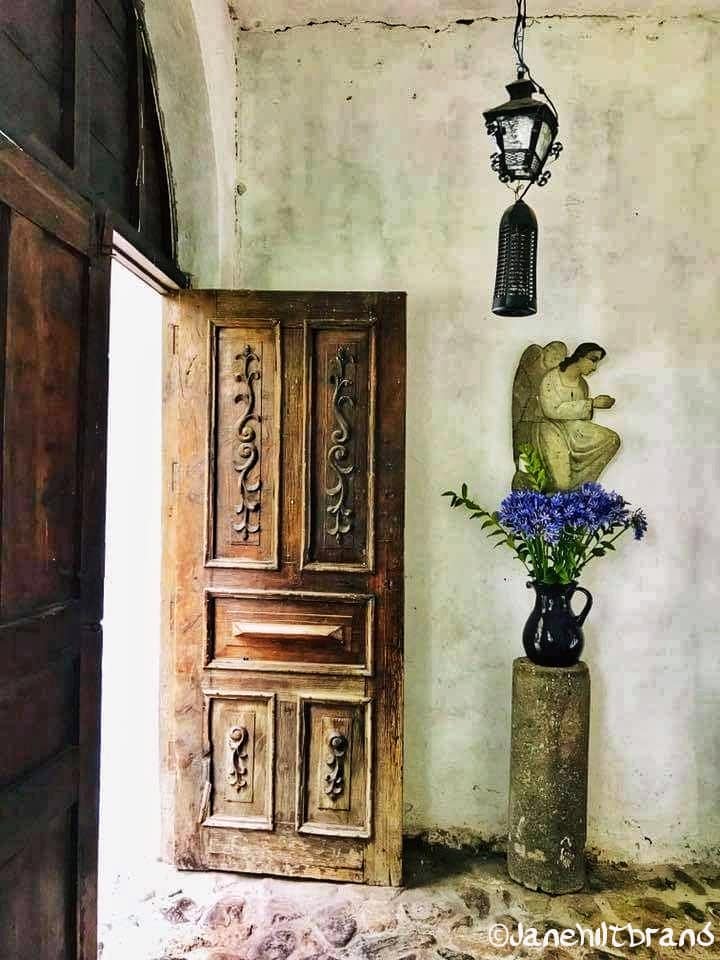
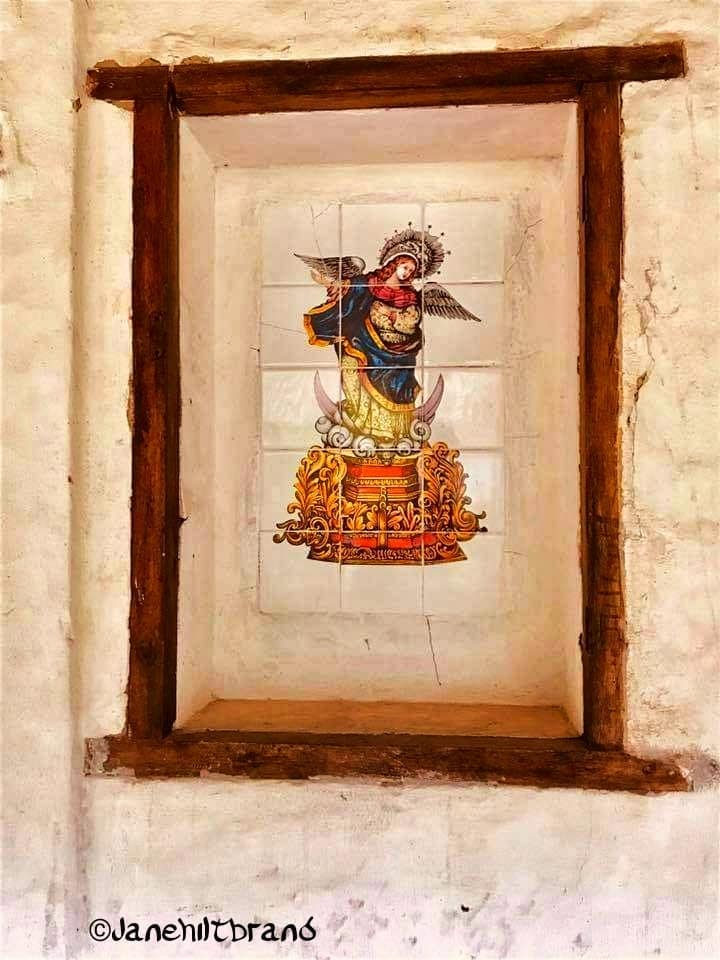
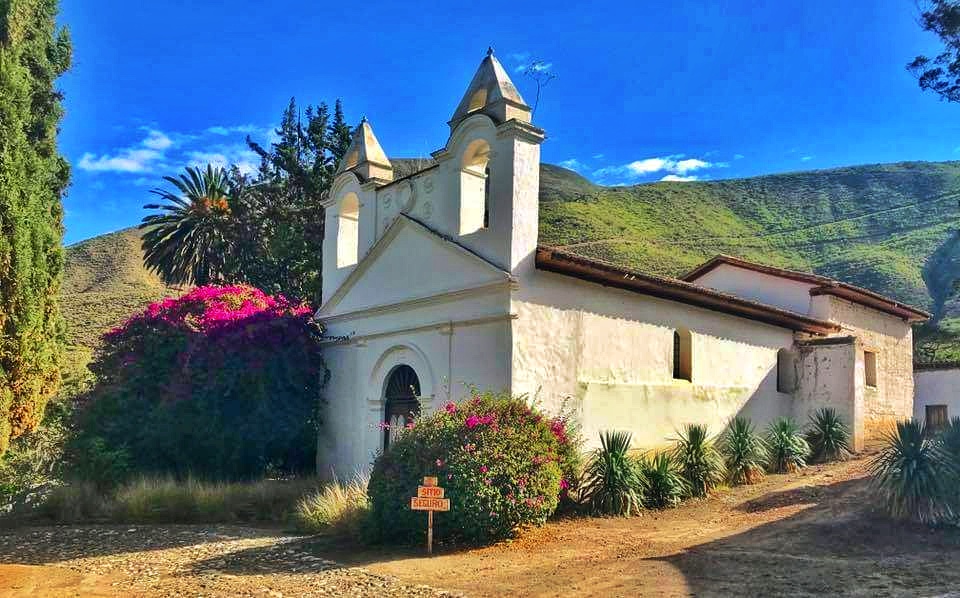
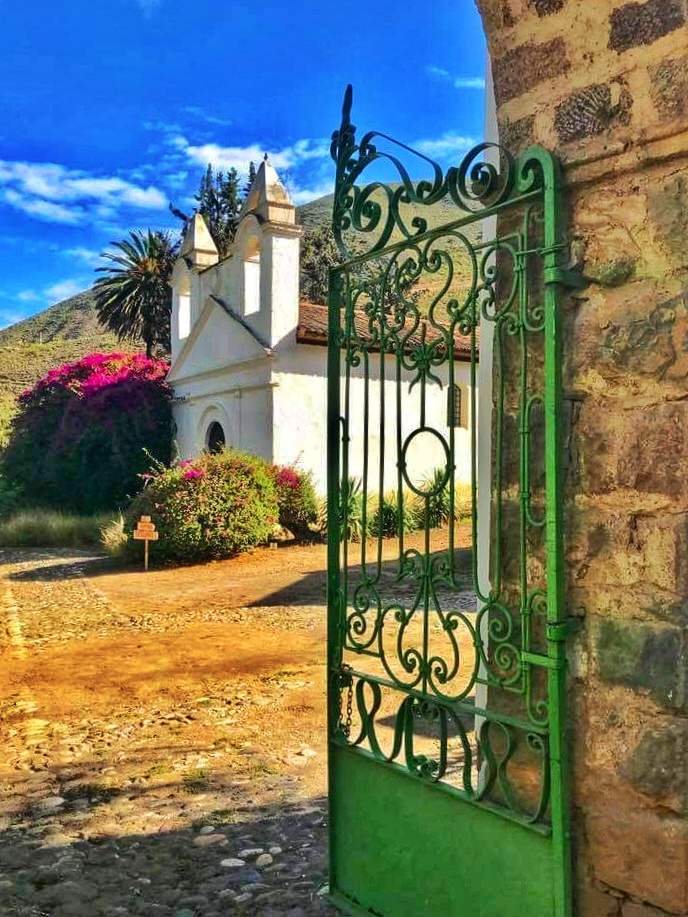
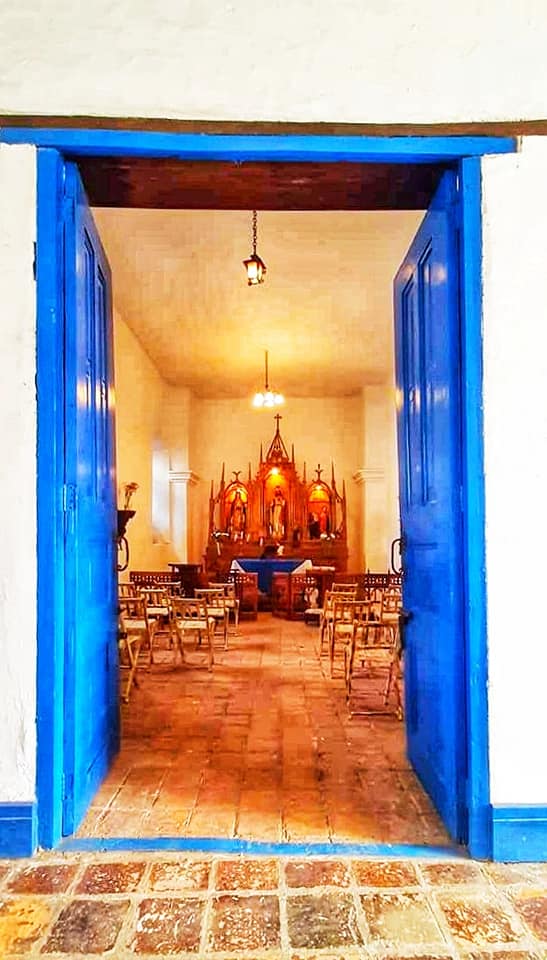
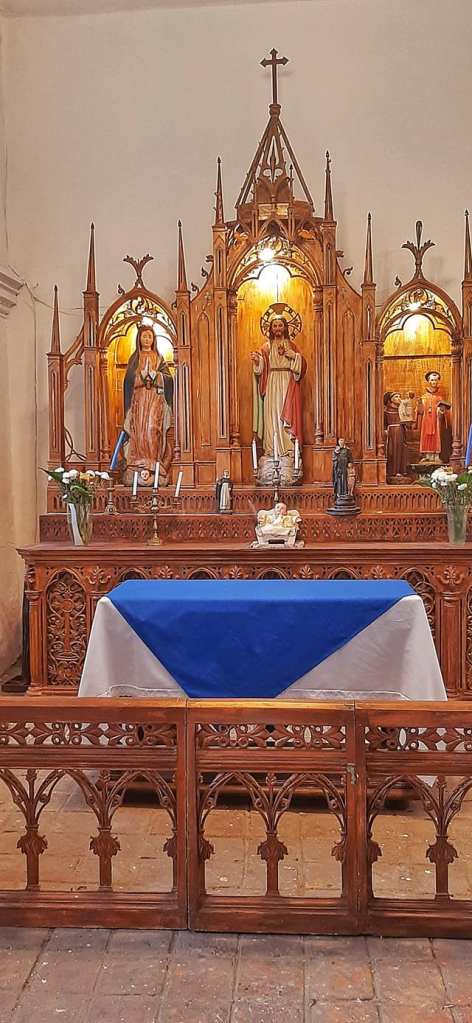
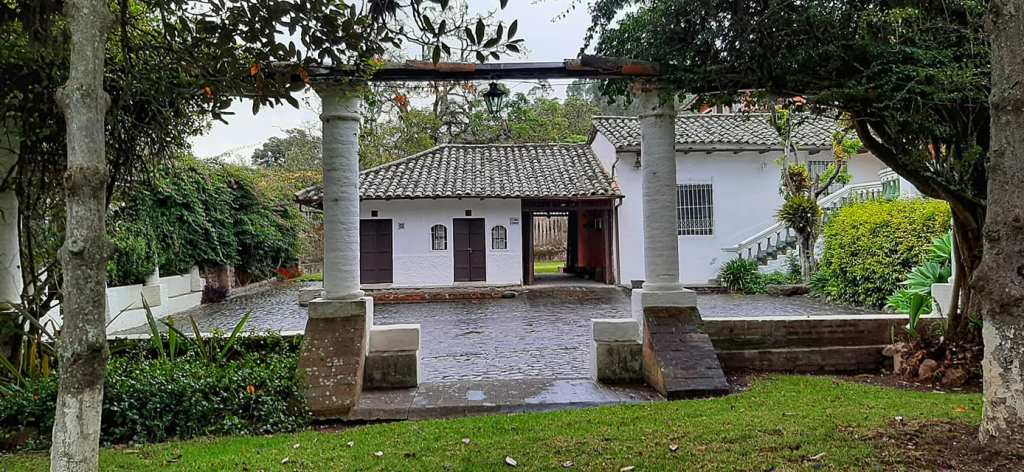
There is a beautiful well preserved chapel on the grounds.
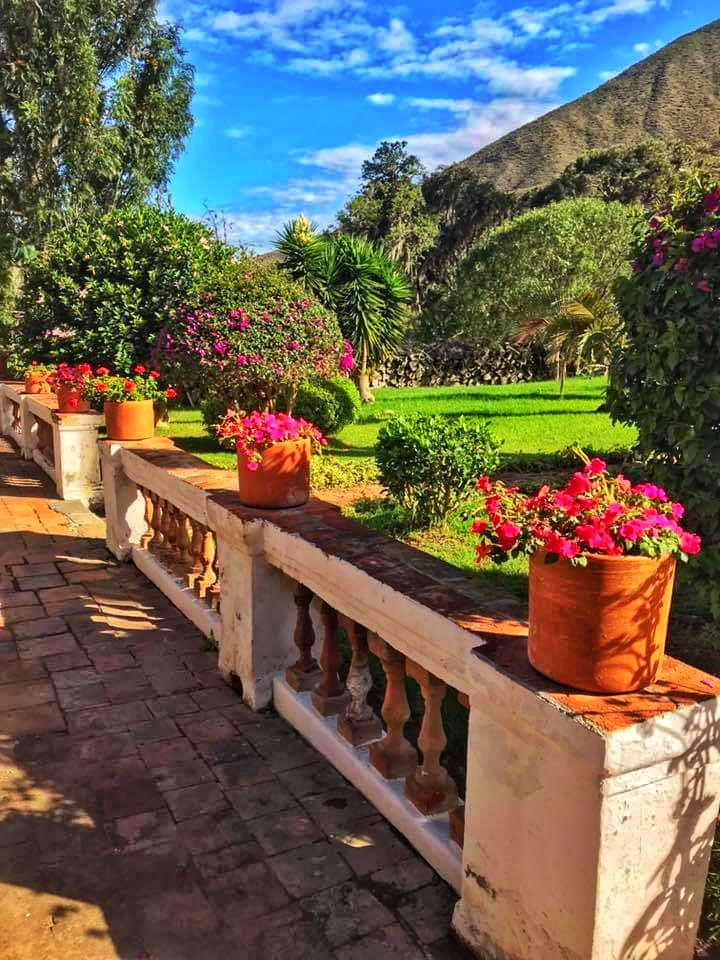
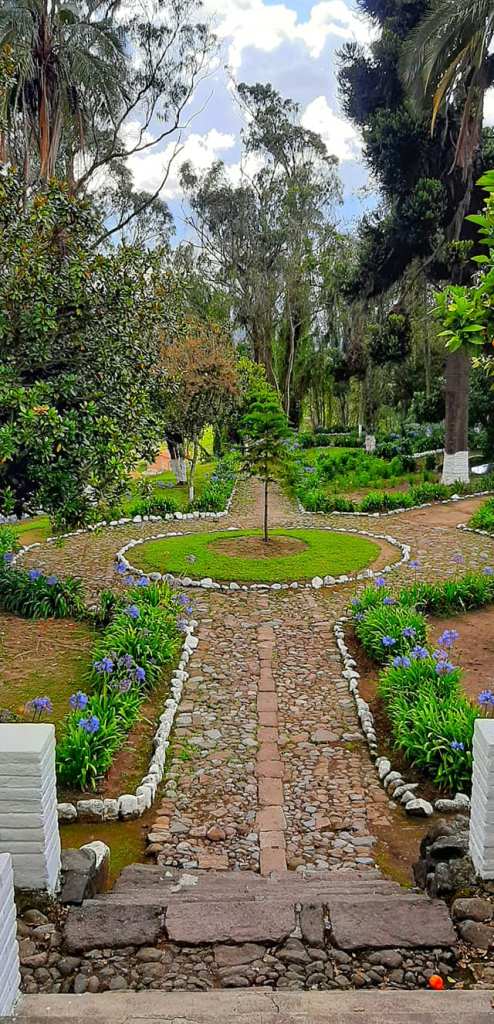
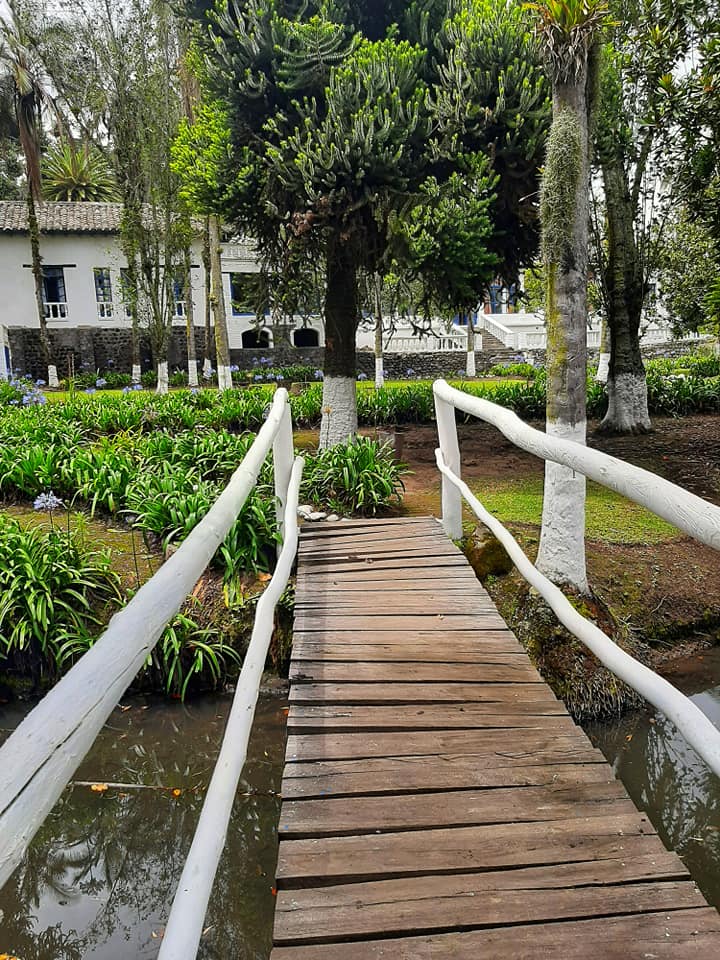
There are 12 acres of gorgeous gardens at Piman Hacienda.
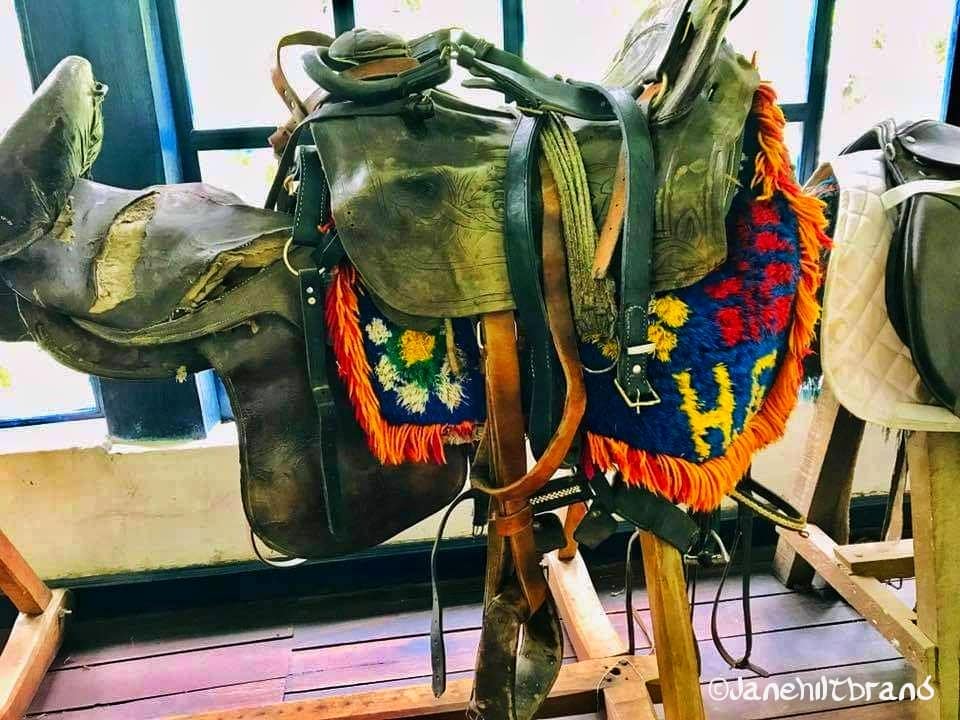
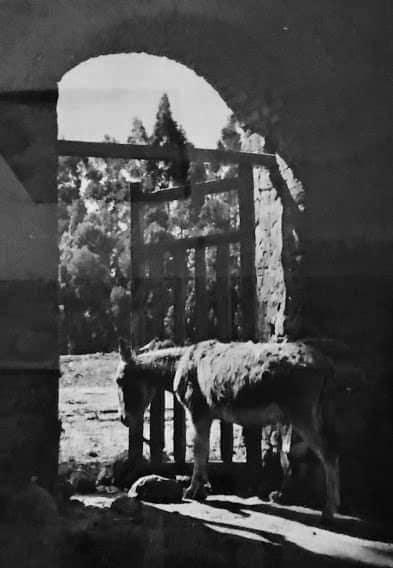
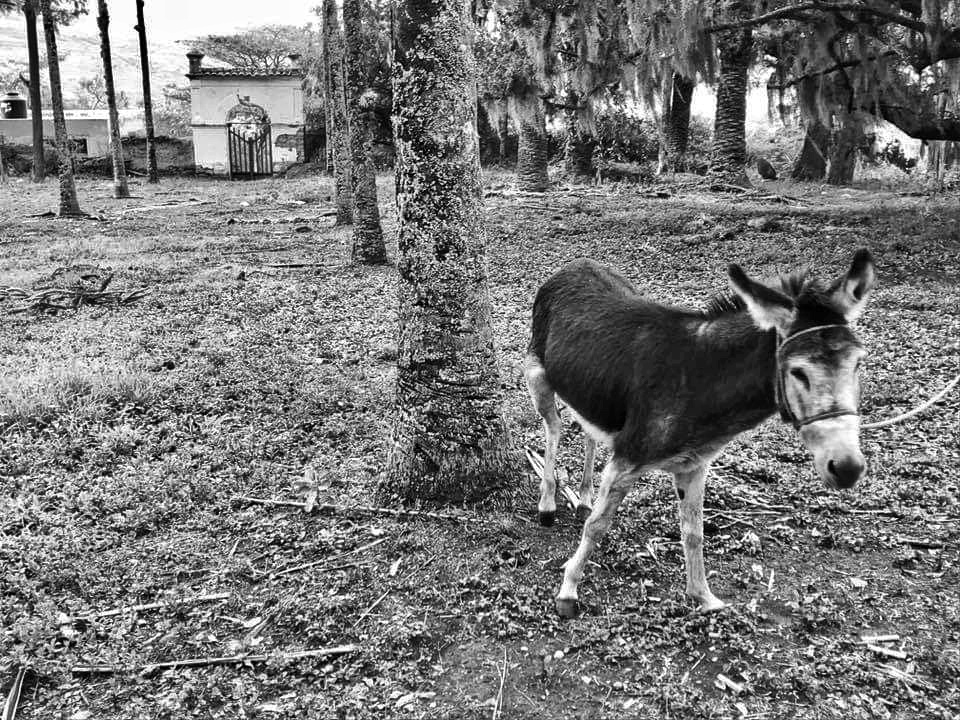
Piman Hacienda was one of the most important donkey ranches of the highlands, used for transport duty.
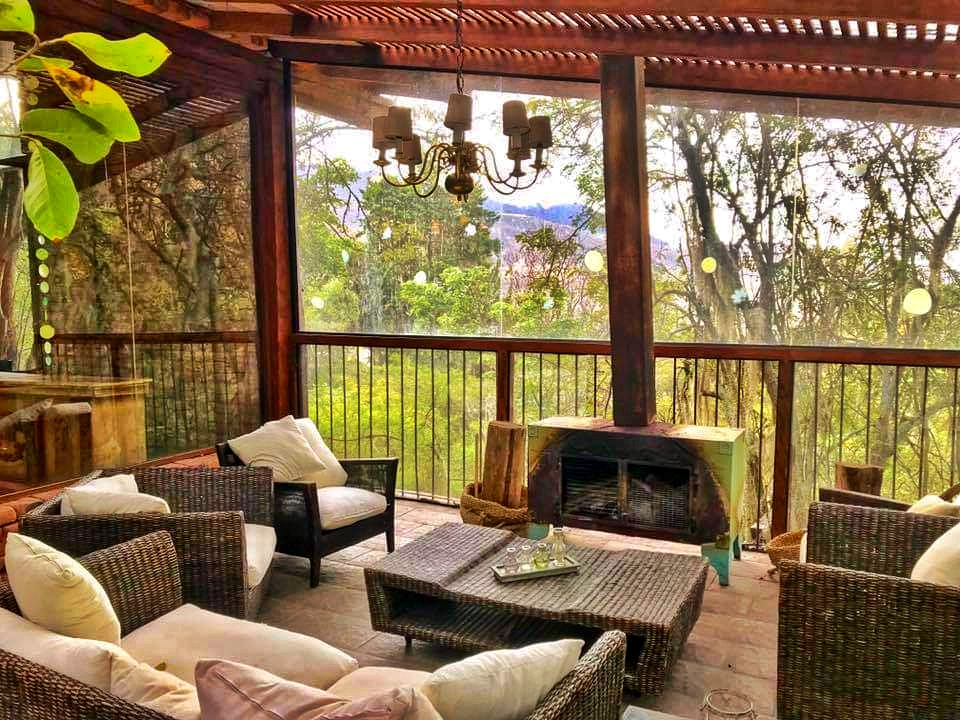
There are several outdoor living rooms, plus a pool.
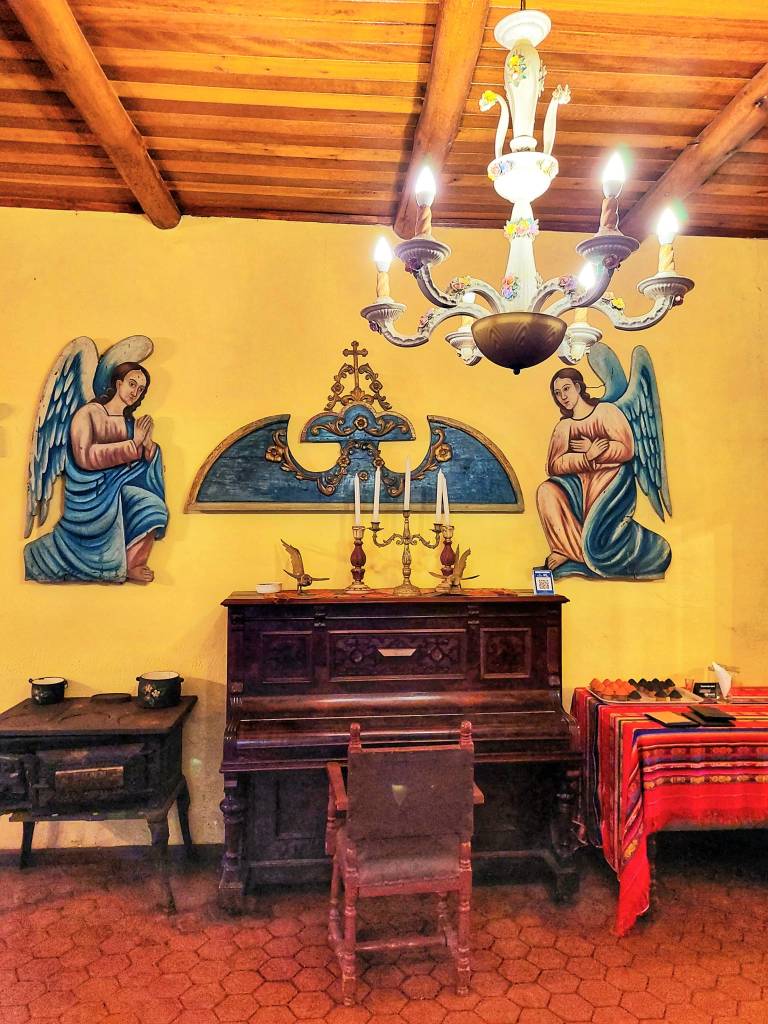
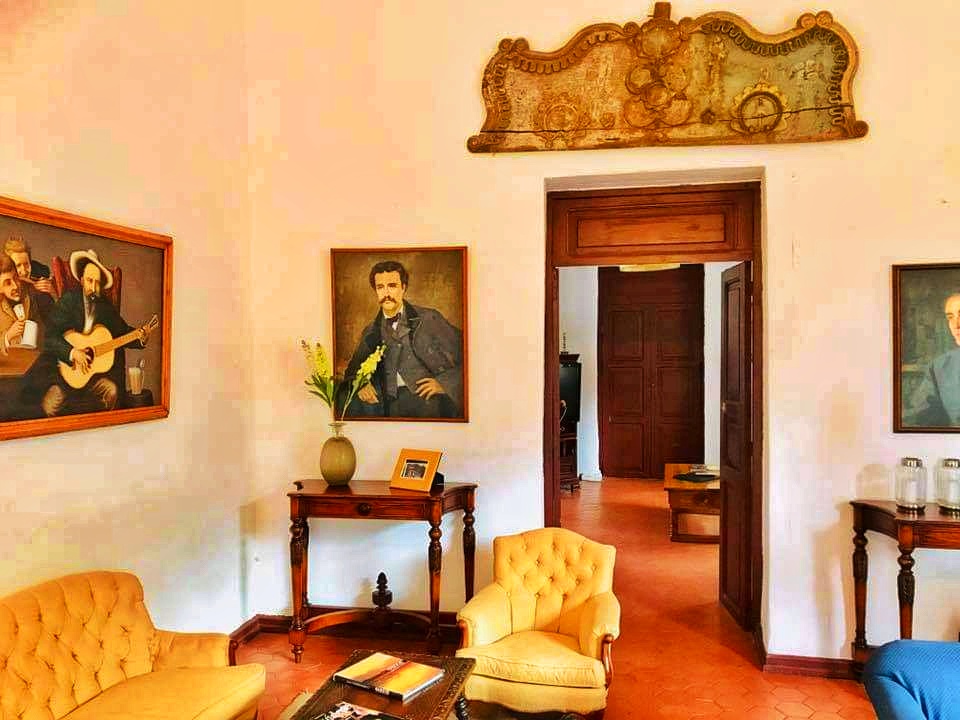
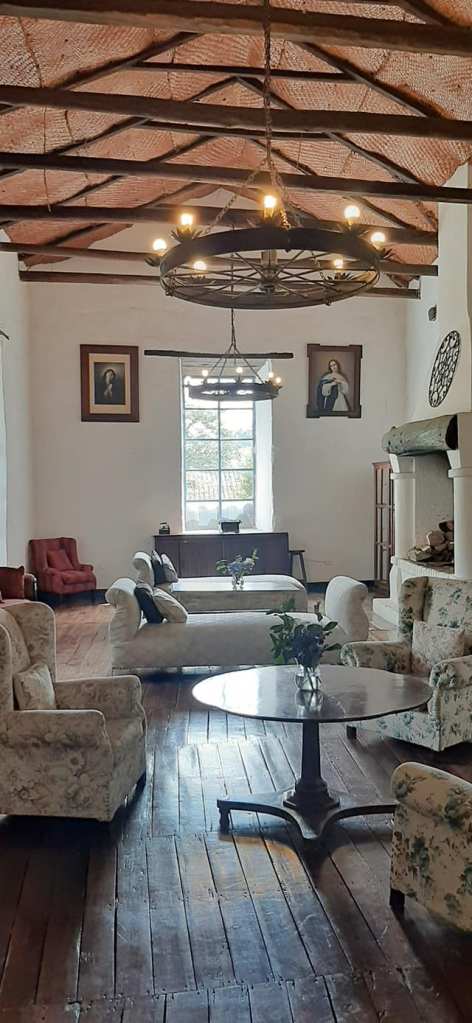
The parlors are adorned with antiques and old photos of the Zaldumbide family. It was home to two renowned Ecuadorian writers, Julio Zaldumbide and his son Gonzalo.
Many of the fruits and vegetables are grown in the organic gardens.
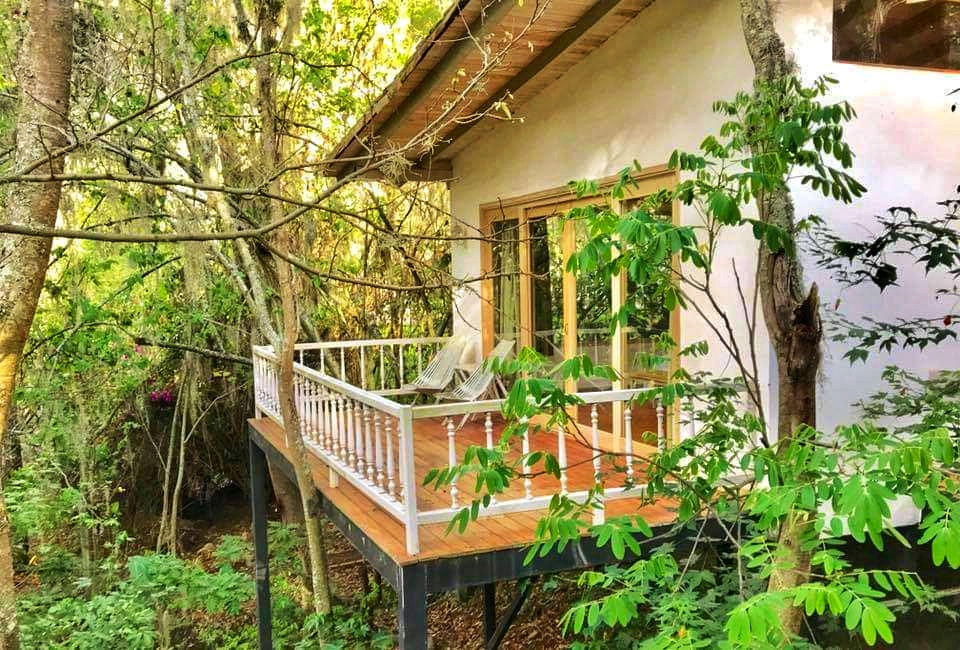
The more modern villas afford lovely privacy.
This exclusive hacienda is located 5.5 miles from the city of Ibarra in Imbabura Province, and a two and 1/2 hour drive from Quito.
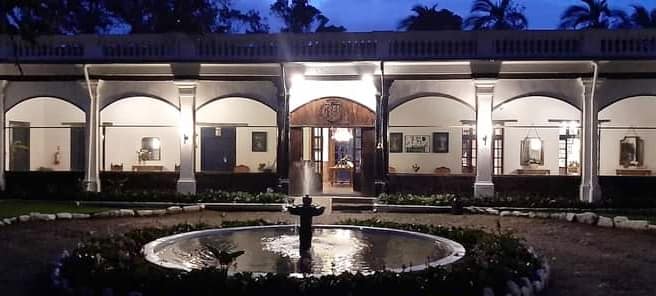
Hacienda Pinsaqui was first constructed in 1790. This restored colonial hacienda was originally a textile workshop, employing at one time 1000 weavers.
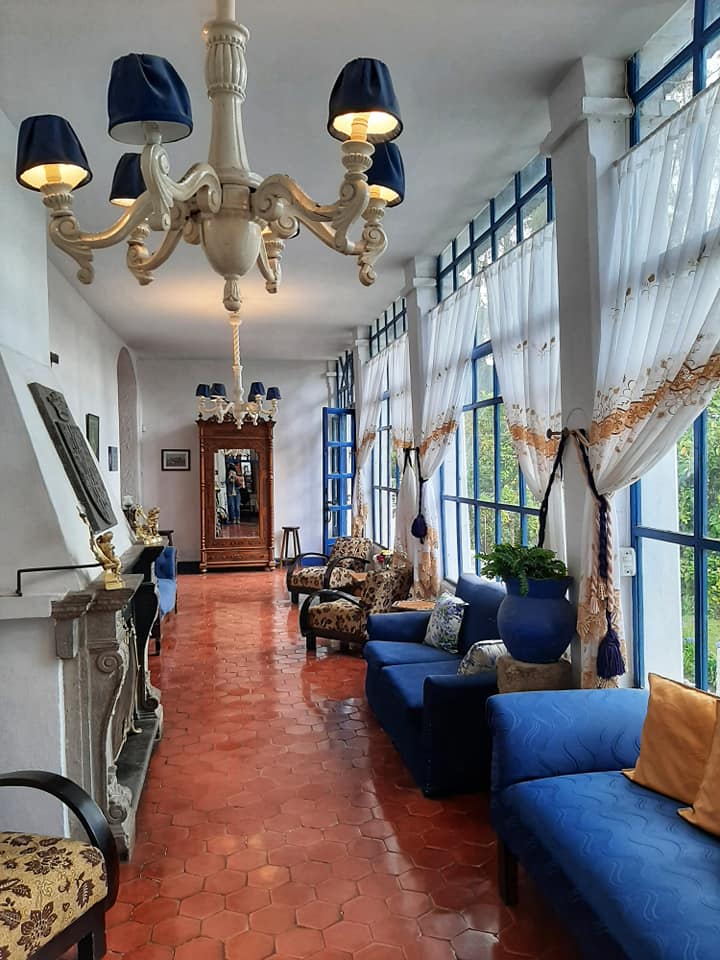
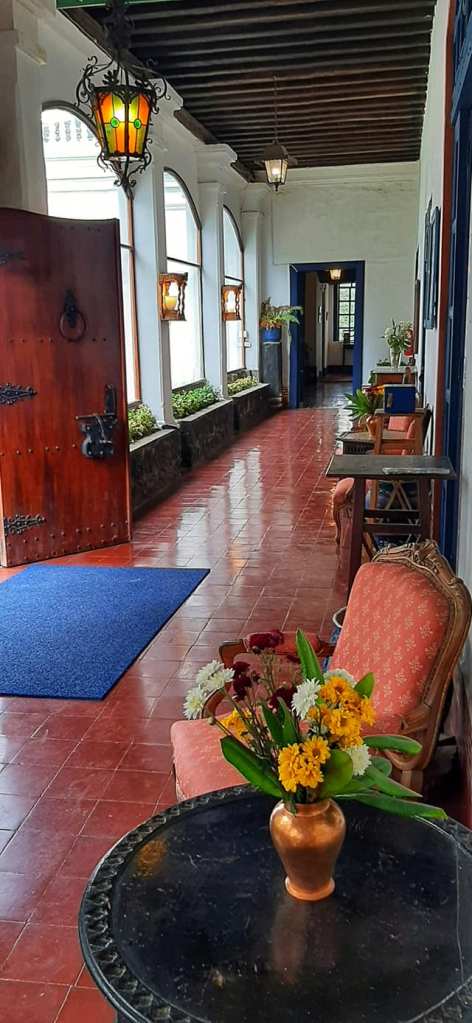
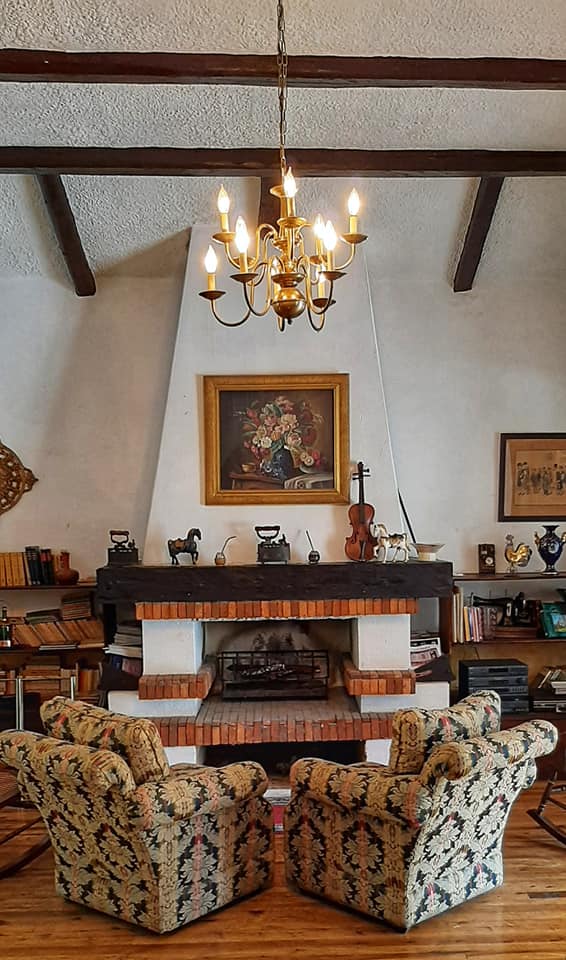
There are long corridors and salons where you can sit in stuffed armchairs in front of fireplaces, and drink a cup of warm sweet canelazo.
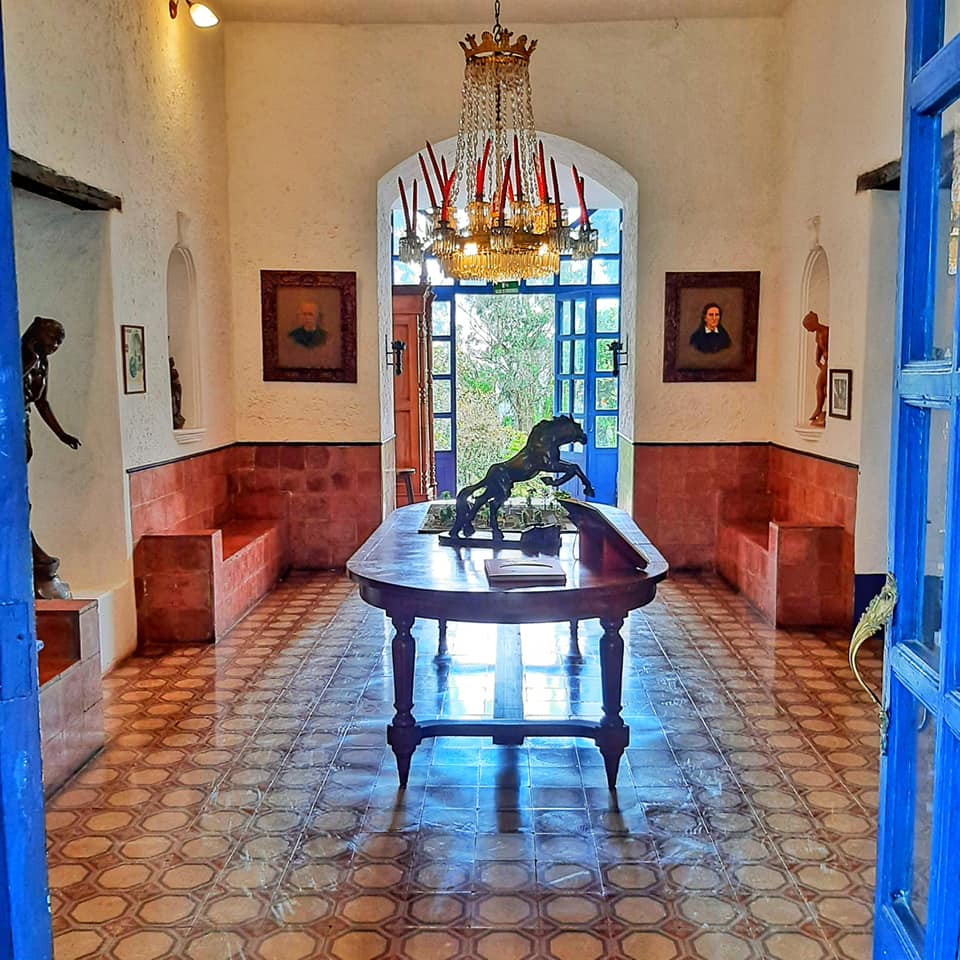
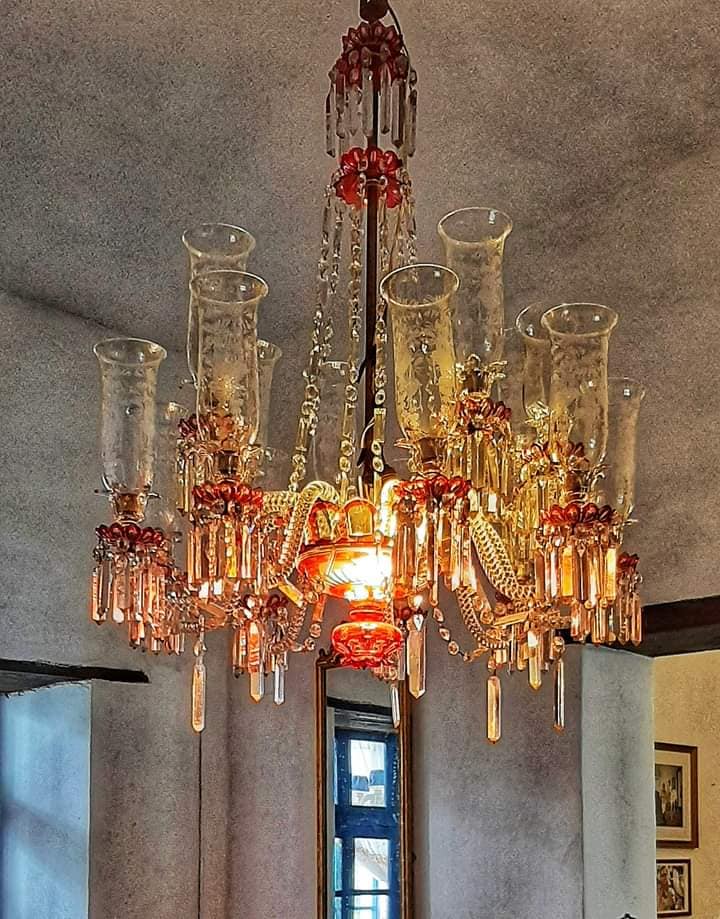
A Murano Glass Chandelier which was brought over from France.
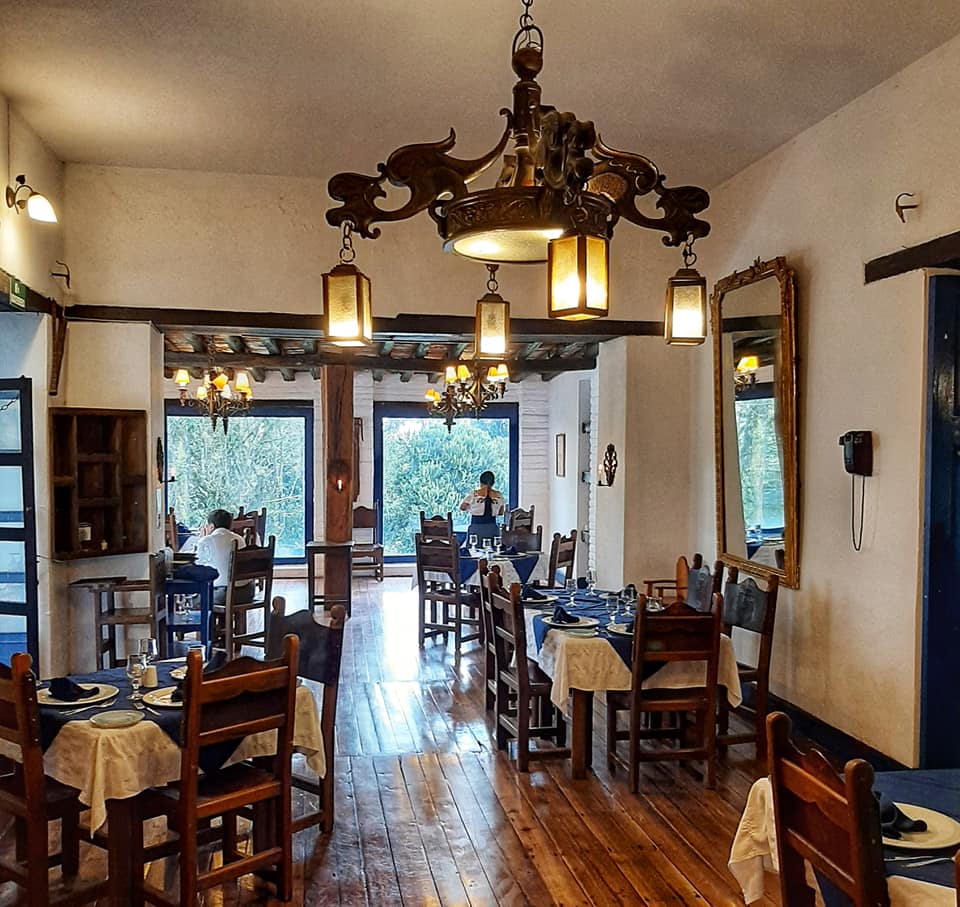
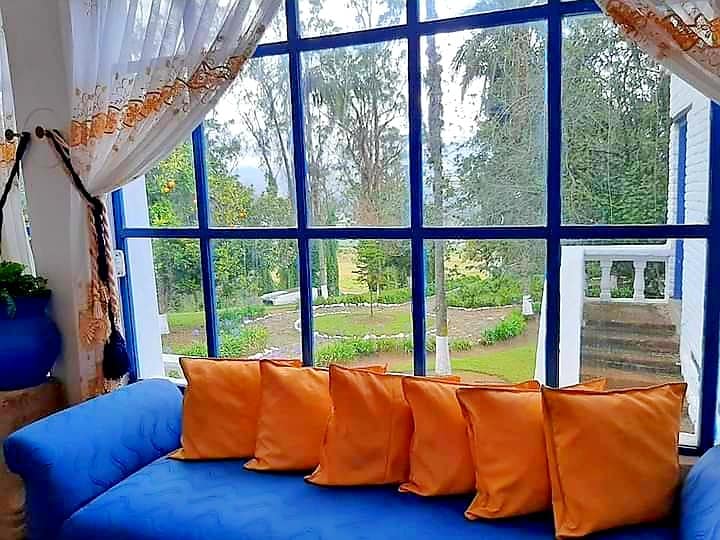
The Dining Room, which overlooks beautiful gardens.
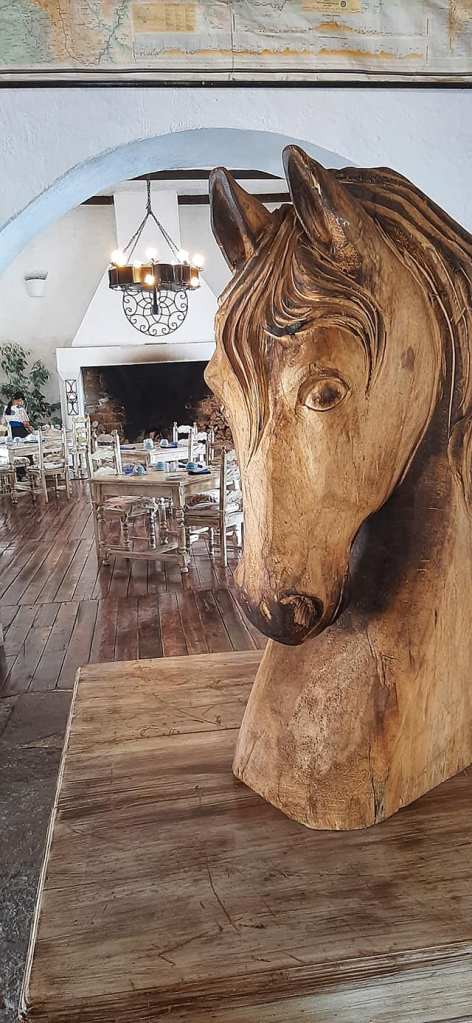
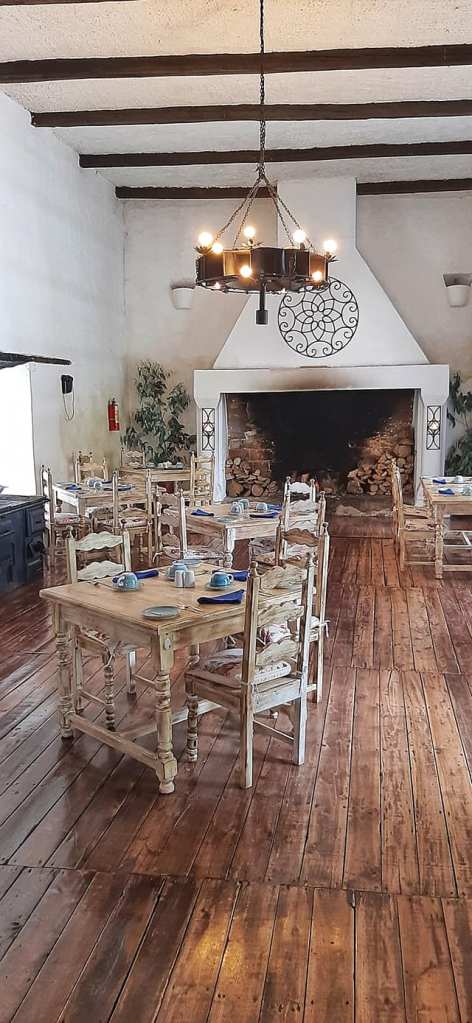
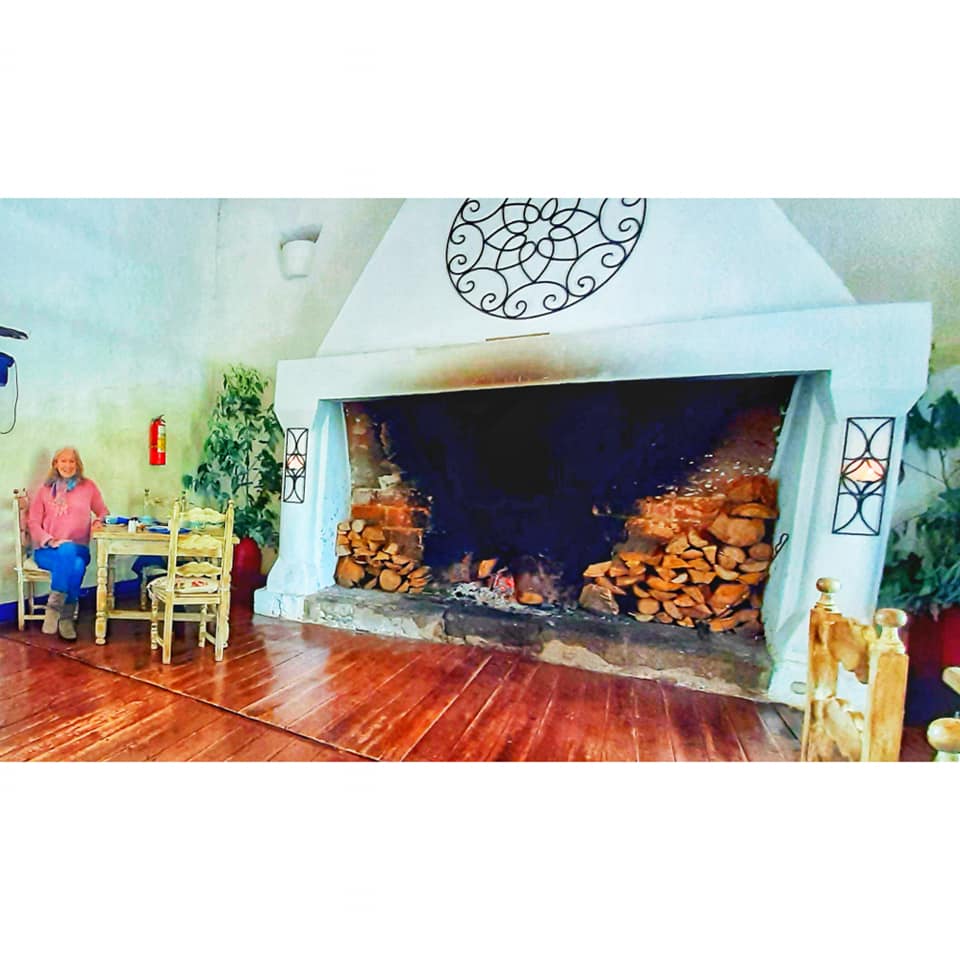
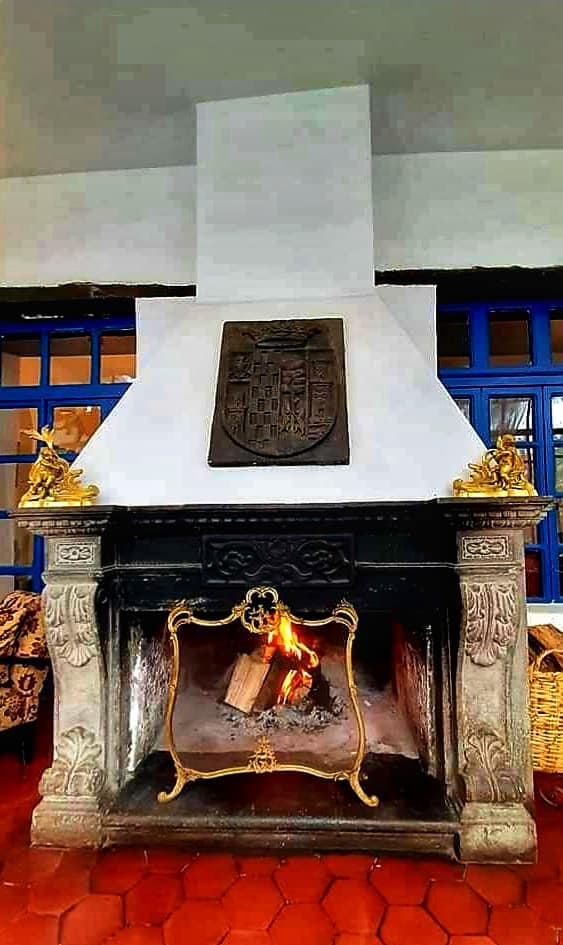
The Breakfast Room, with a huge walk-in fireplace, is in a separate building.
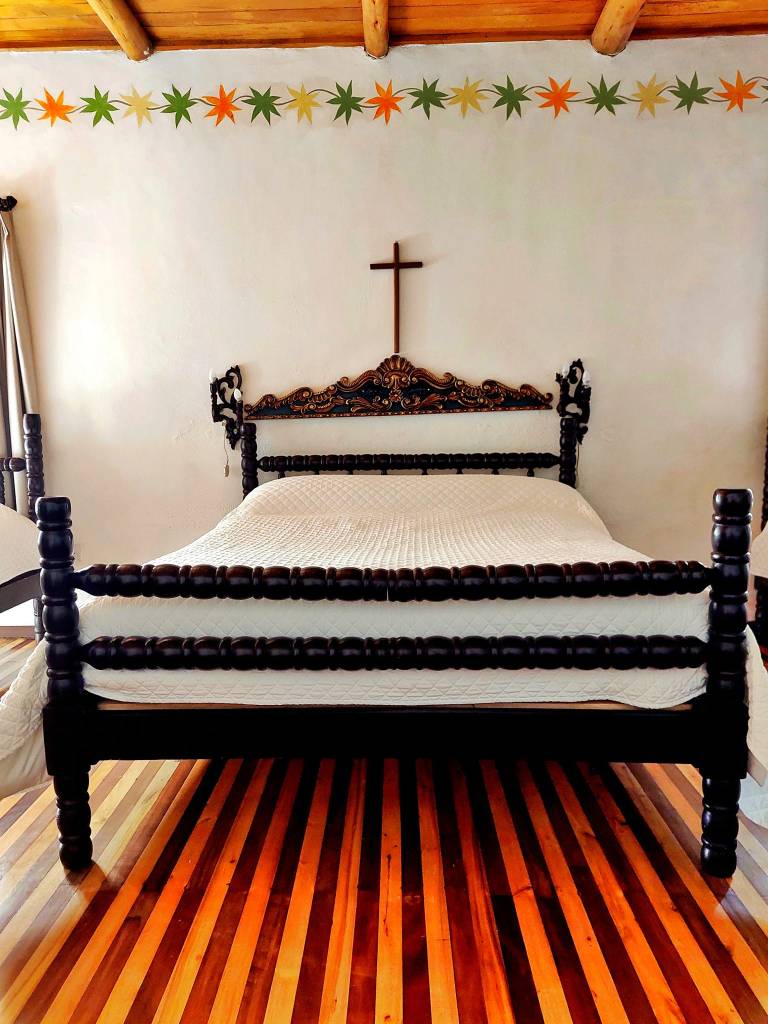
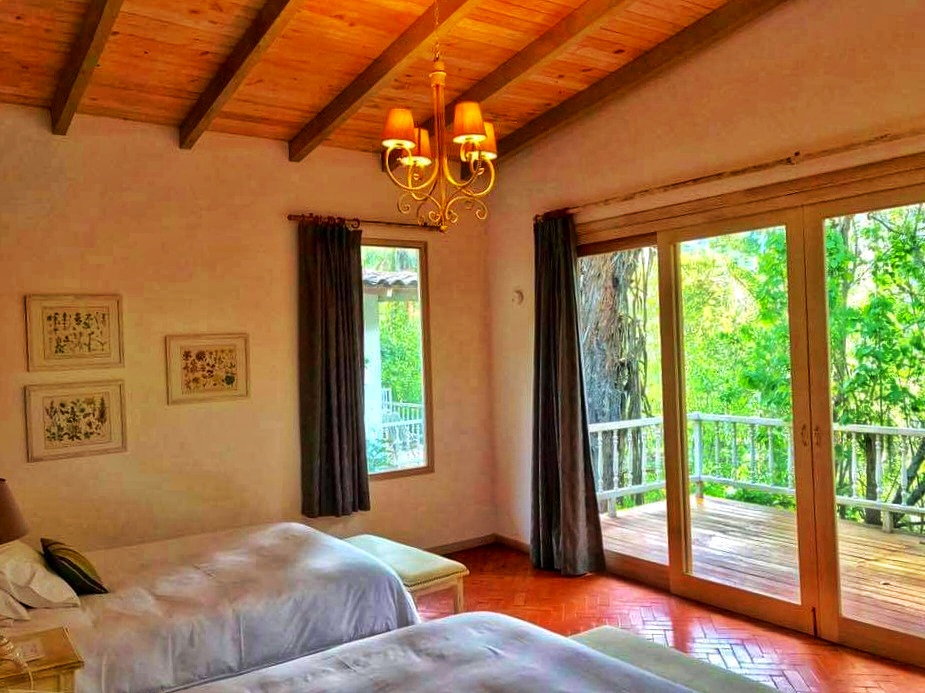
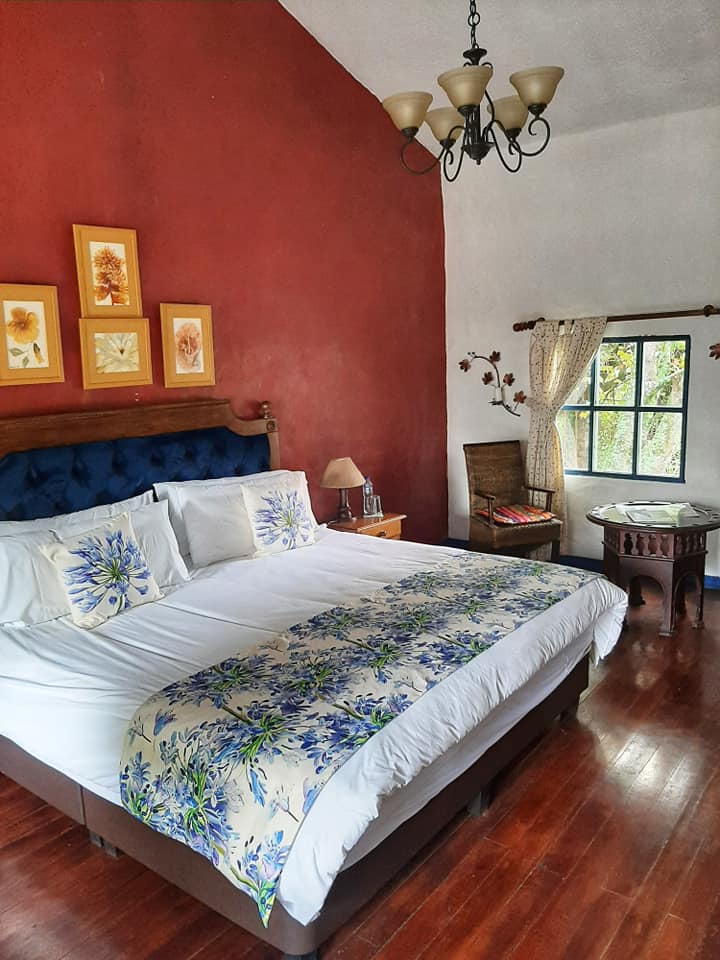
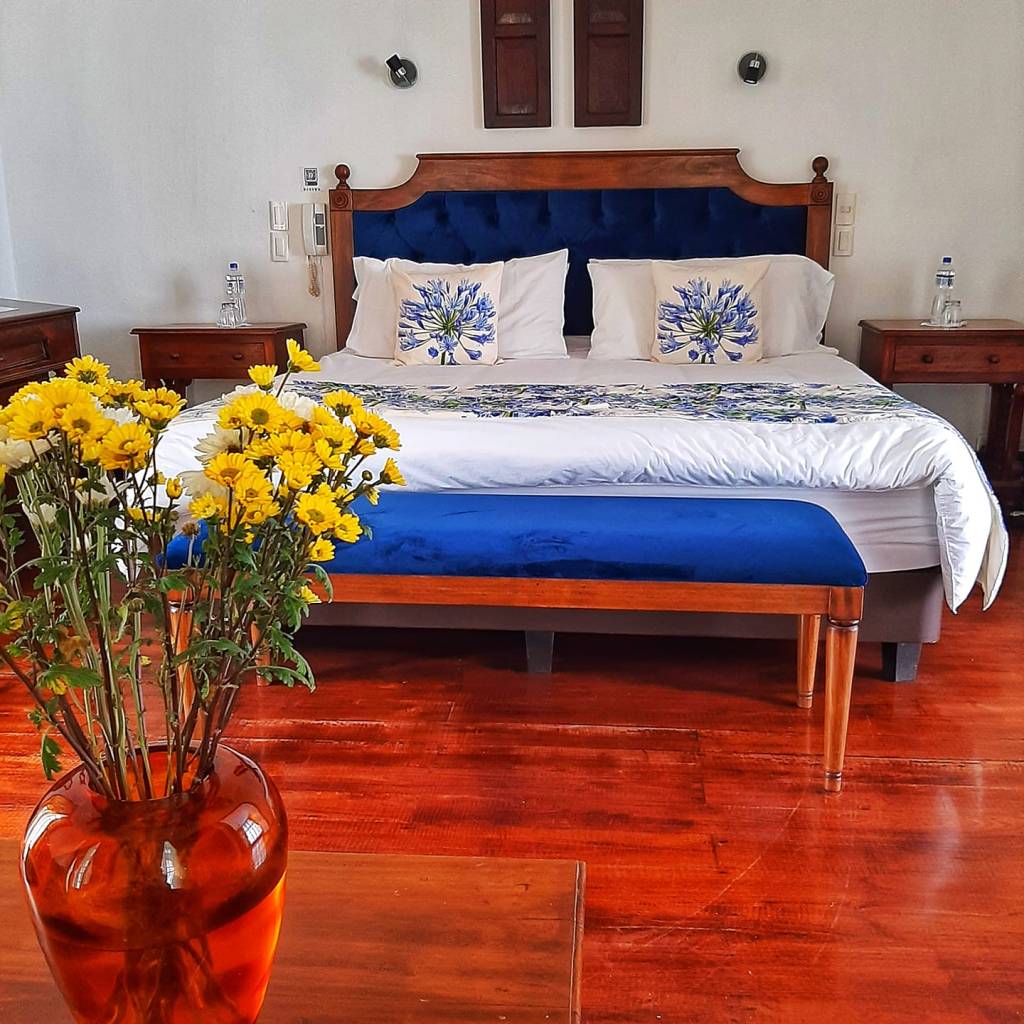
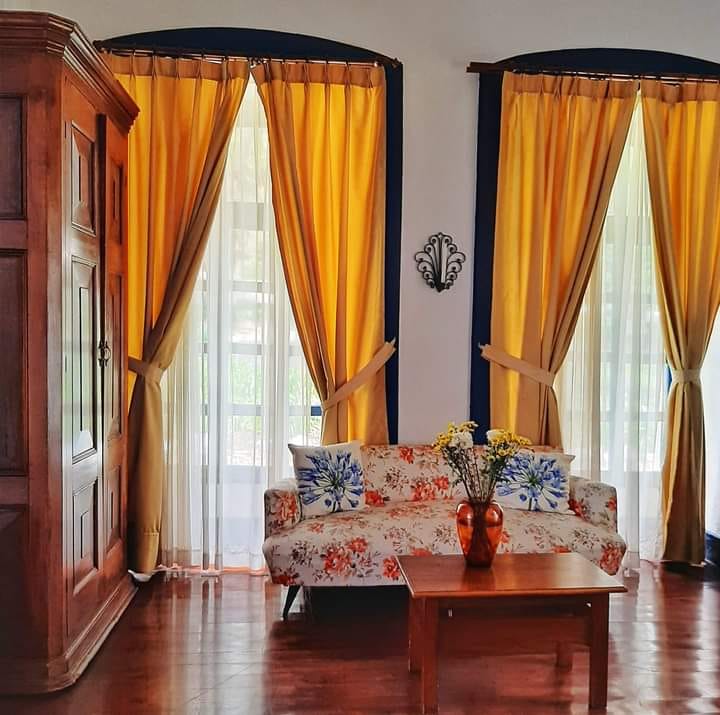
The bedrooms are very spacious, and elegant.
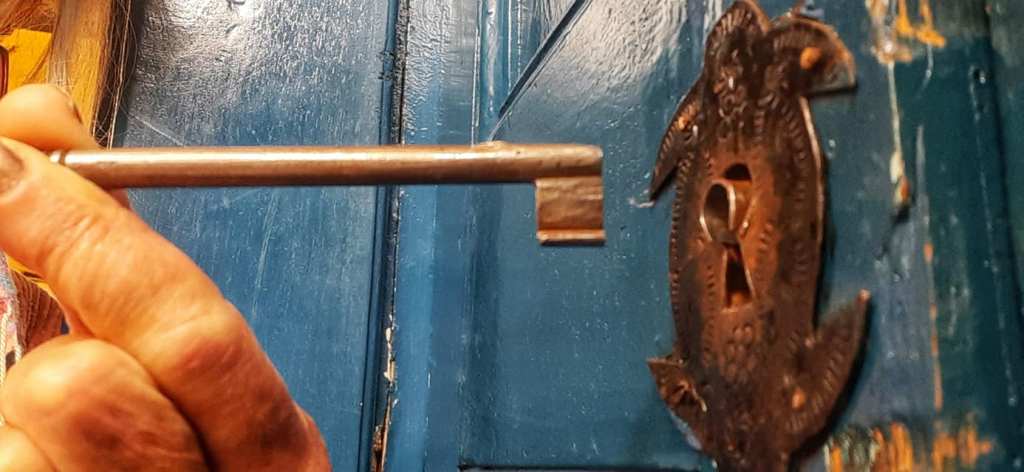
The keys to the rooms are the original keys.
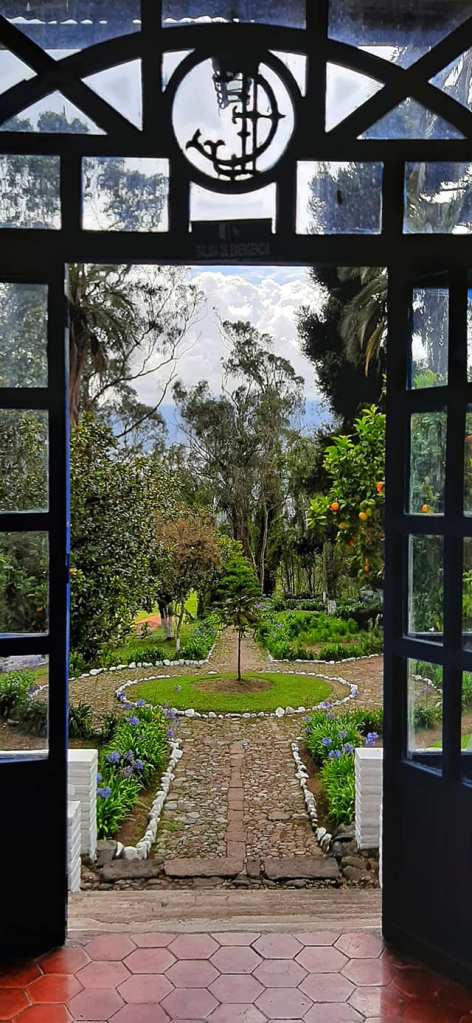
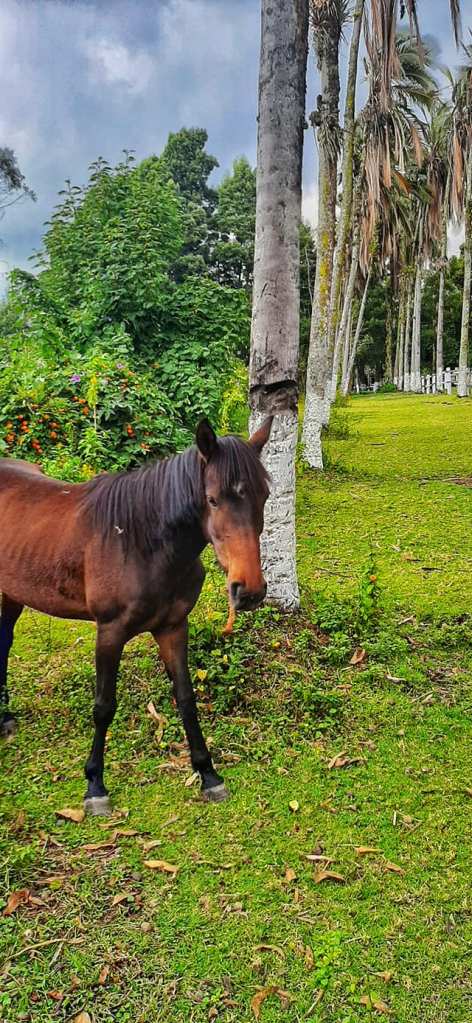
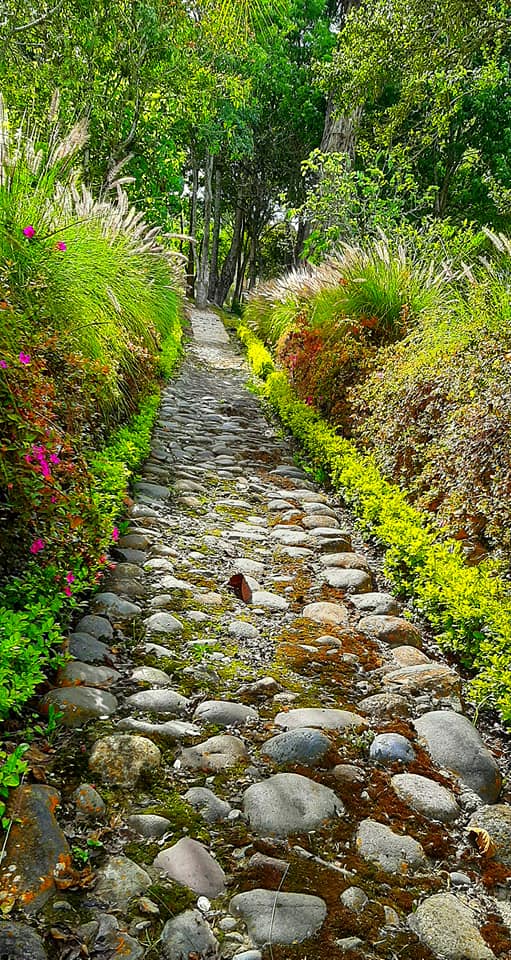
There are lovely gardens, and a walking trail, which you just might share with some resident horses.
There is a chapel on the Hacienda grounds.
HISTORY OF HACIENDA PINSAQUI:
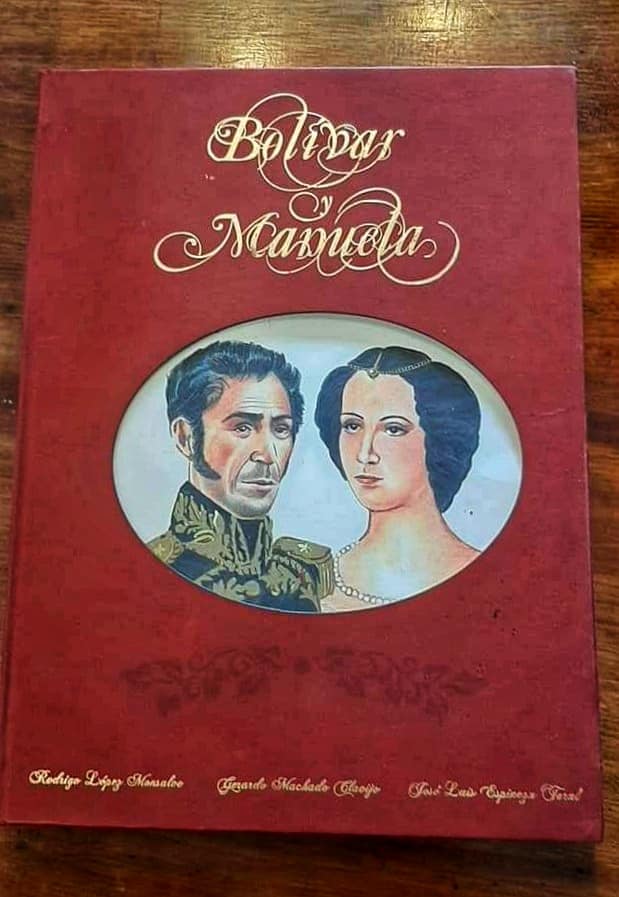
Hacienda Pinsaqui was first contructed in 1790. Simon Bolivar, the Great Liberator, prepared for the the Battle of Ibarra at Hacienda Pinsaqui in 1823. José Modesto Larrea y Carrión , the owner of Hacienda Pinsaqui headed the Presidency of the Republic from October 5 to November 5 of the same year.
In 1836 The Treaty of Peace and Friendship between Ecuador and Colombia was signed at Hacienda Pinsaqui.
In 1868 the house was damaged by an earthquake in Ibarra.
In 1995 Hacienda Pinsaqui remodeled its historic heritage house, and opened its doors to the world as Hacienda Pinsaqui Inn.
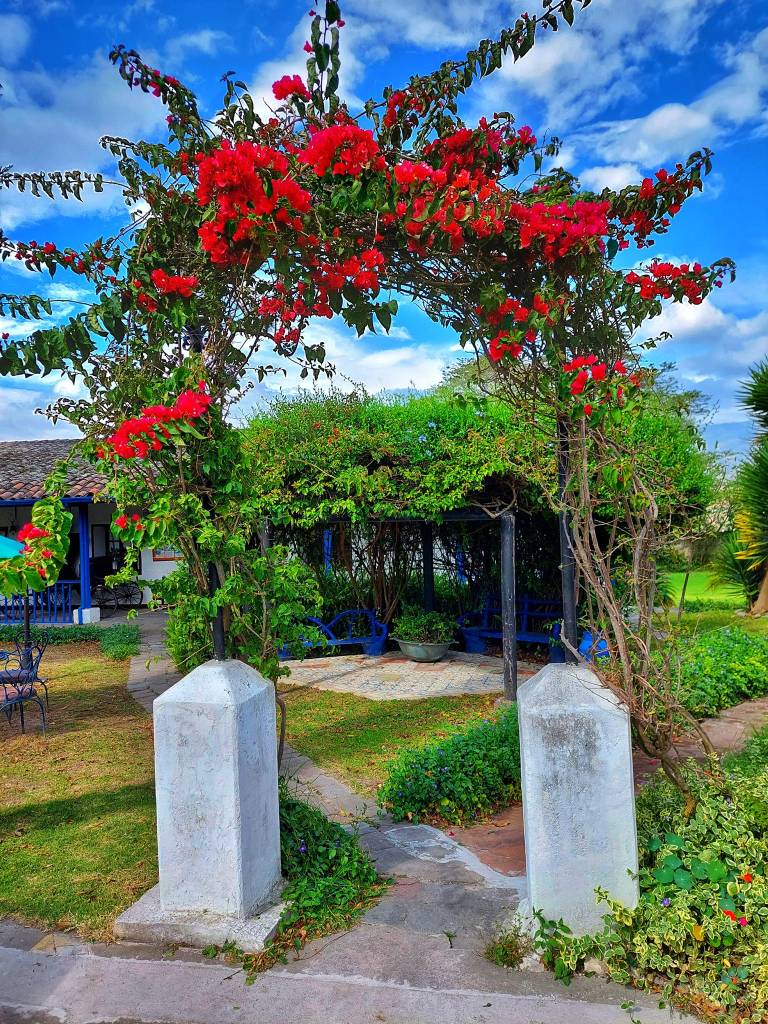
I had previously visited several haciendas in the north, and understood that their location was because of the proximity (in colonial times) to the capital of Quito. So I was surprised, and delighted, to find this beautiful authentic hacienda estate outside of Paute, which is only a 35 minute drive from Cuenca.
Following is the history according to the owners: “San Juan Pambo is one of the original haciendas which developed immediately after the foundation of the city of Cuenca by Gil Ramirez Davalos in 1557, during the Spanish Colonial Period. This founder was the first owner of these lands. It grew out of land allotted to the first Spanish settlers of the region, in the valley Paute, in the area known as Zhumir.
The properties in the valleys of Paute and neighboring Gualaceo inceased gradually in size until they became large landed estates (haciendas, estancias) dedicated mainly to the production of sugar cane, fruits, and alfalfa.
In the Southern region of Ecuador the acquisition of landed property did not insure the survival of large estates because the local land owners did not follow the institution of the “mayorazgo” (the practice of leaving the entire property to the oldest son) and the land was usually divided among all the heirs. Neverthless there was a tendency to increase the hacienda property in a cyclical process of purchases and sales. In the eighteenth century the hacienda Zhumir became the property of the Town Councilor Francisco Cabeza de Baca. The hacienda included several dwellings “with adobe walls, and each with their corresponding corridors, doors, locks and keys.” At this time it was given the name of San Juan Pamba, as it is known to this day.
Towards the middle of the nineteenth century (1840-1895) the hacienda was bought by Don Jose Miguel Ordóñez Lasso, and his wife, Doña Mata Lamota. At her death in 1934, the hacienda was distributed among their numerous children. In 1937 Carlos Arizaga Toral purchased San Juan Pamba and it has remained with the family to the present day.”
The present owner, Maria Ines Borrero, met me when I arrived, with her son, grandson, and several other family members, to introduce me to the hacienda. I was the only guest, and as she drove away, leaving me with the caretaker and cook, she said “You can be the Queen of the Hacienda”
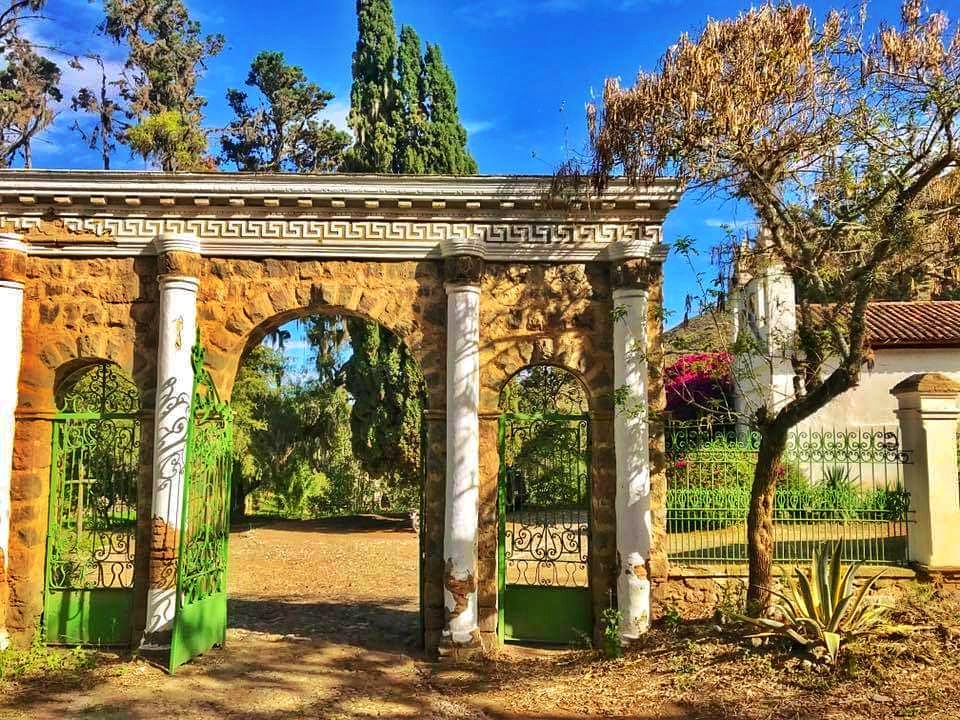
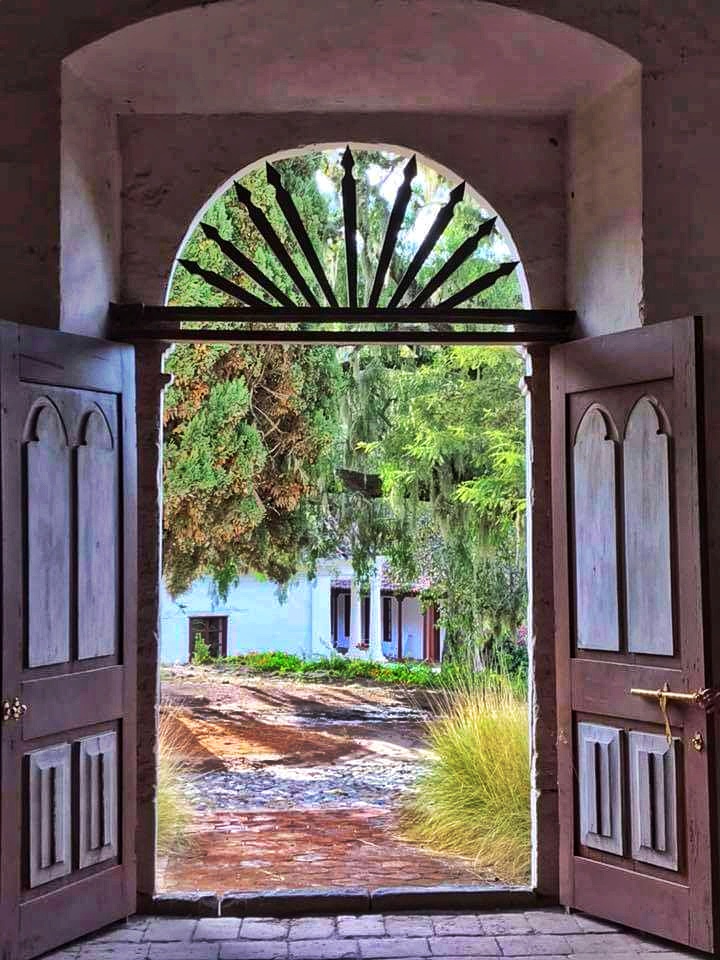
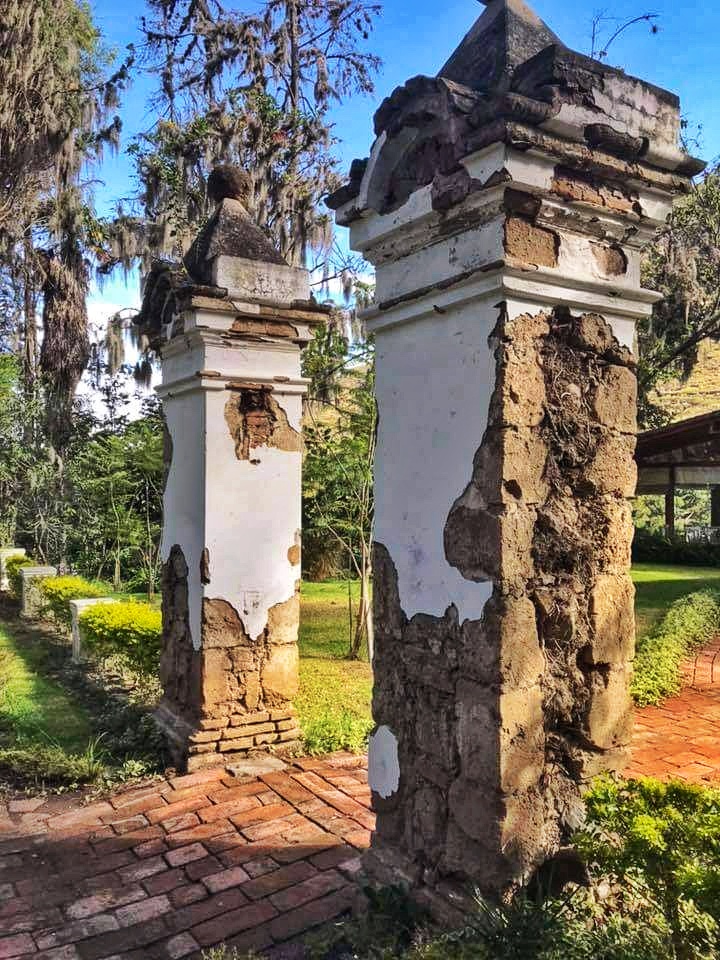
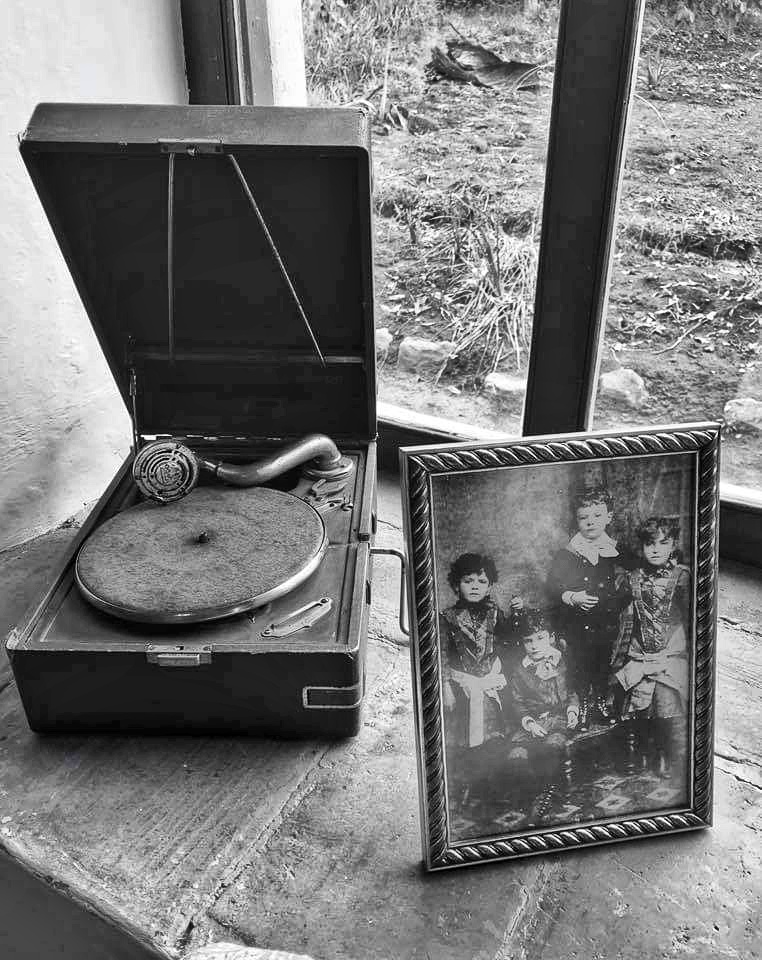
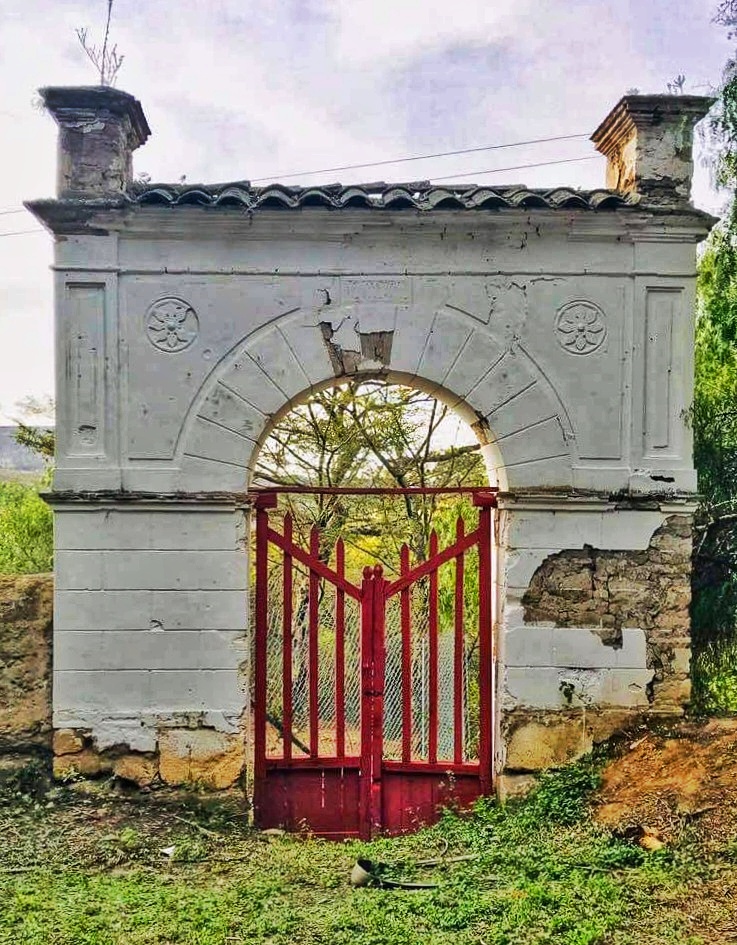
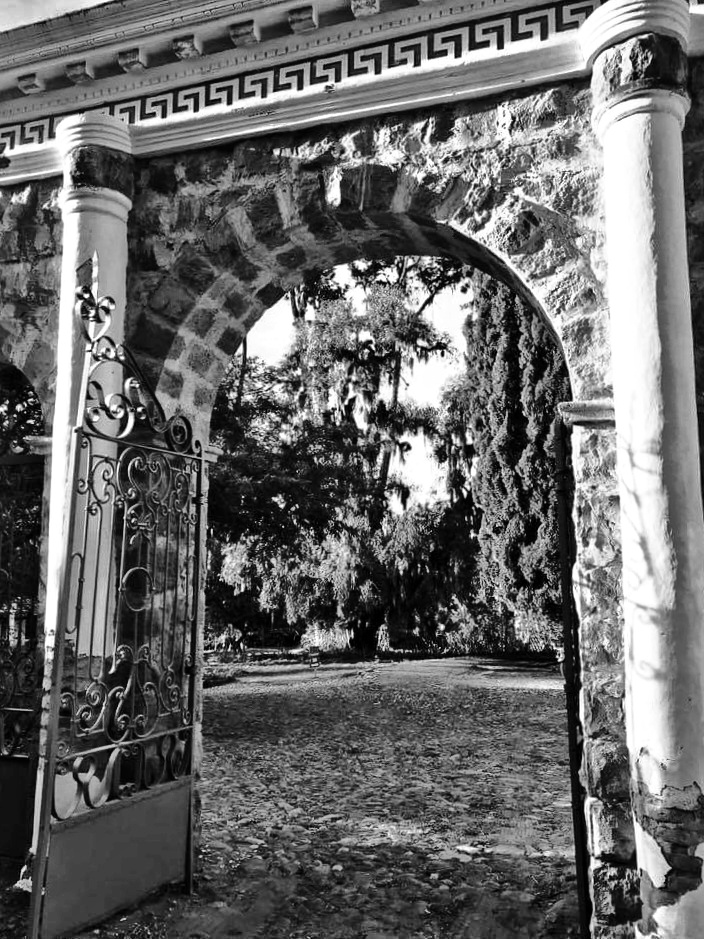
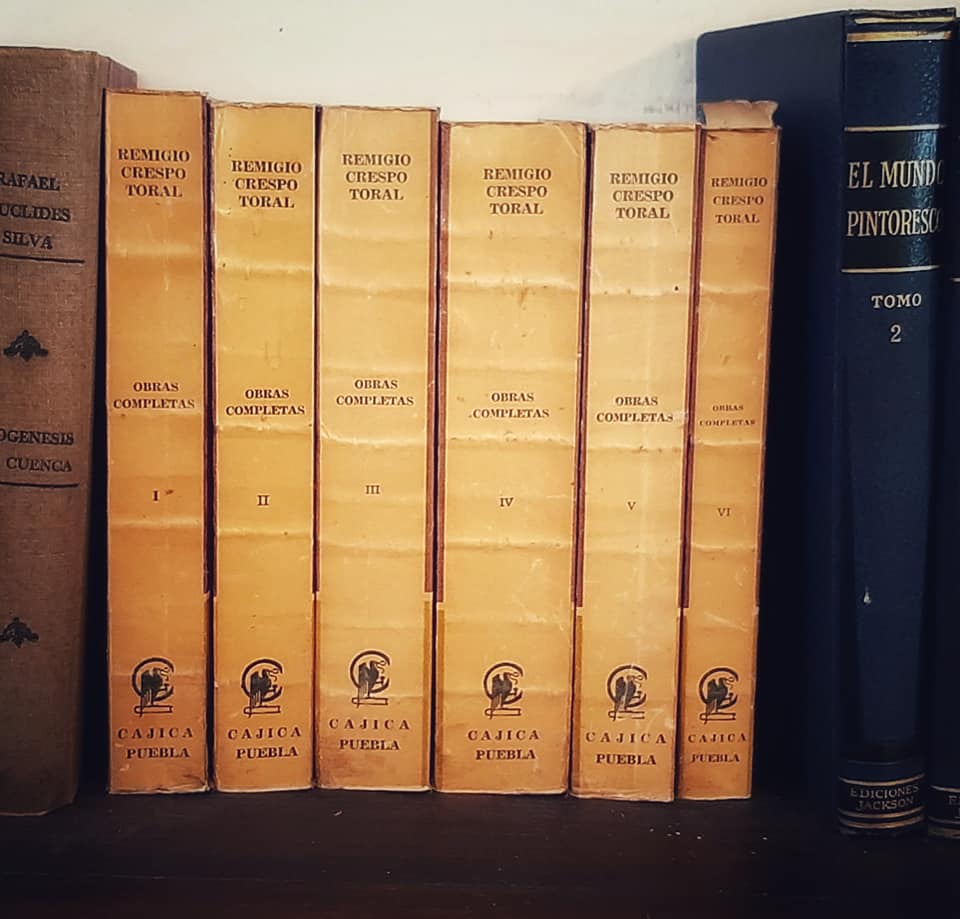
What a delightful experience! What I loved about this hacienda is that it is very authentic. When the caretaker came over in the evening to build a fire in the fireplace, I was able to peruse through many old original volumes of Ecuadorian poets and historians in the bookshelves. The large iron gates were locked at night, and it was really possible to get a feeling of moving back in time, and living at the hacienda.
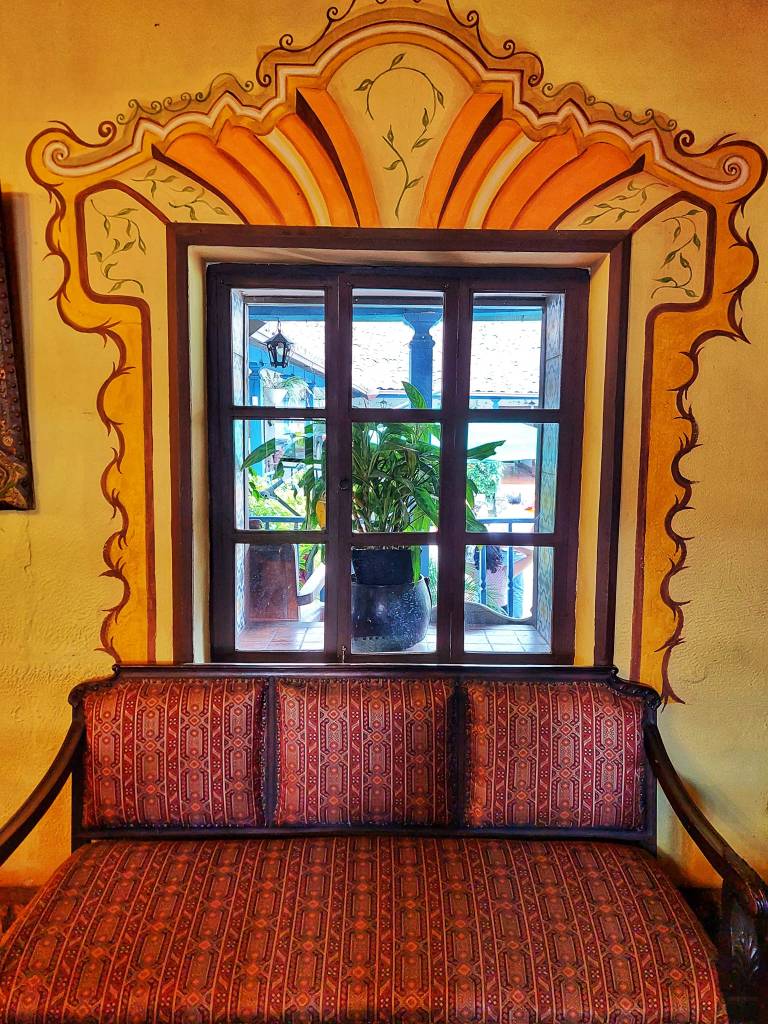
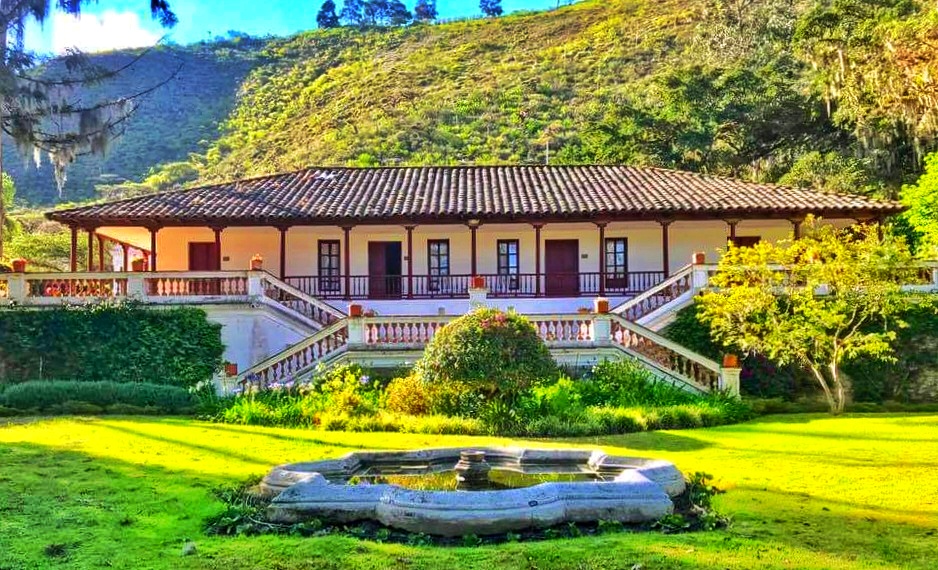
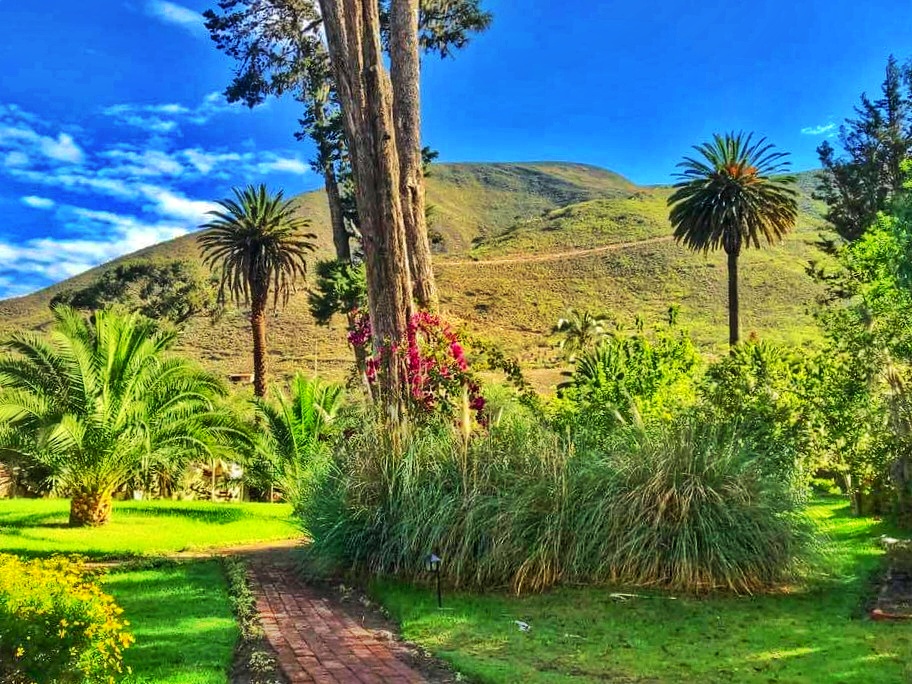
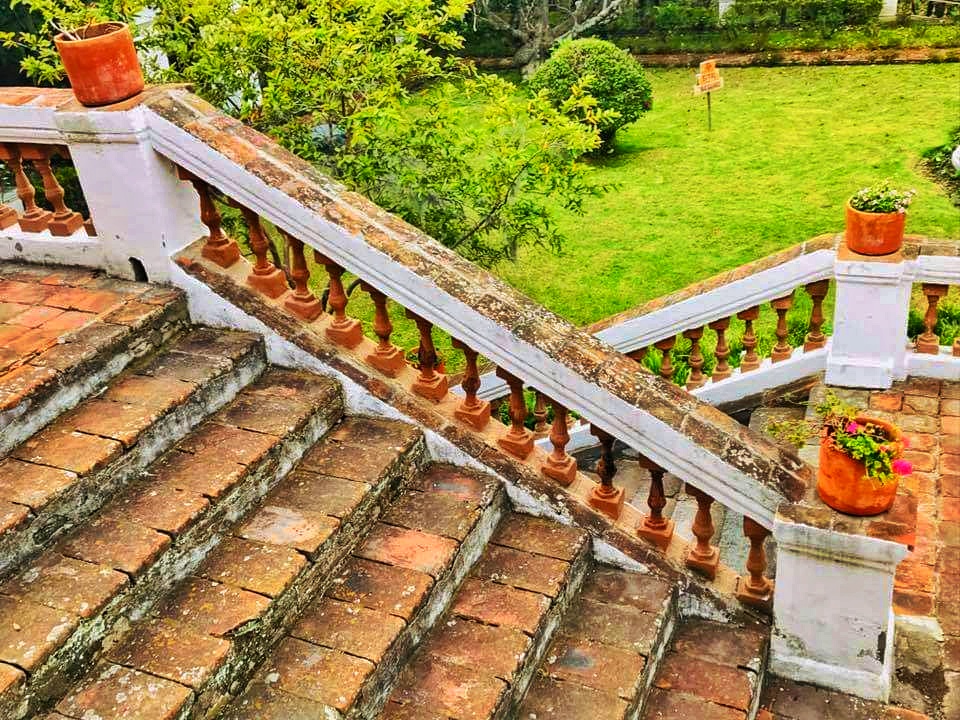
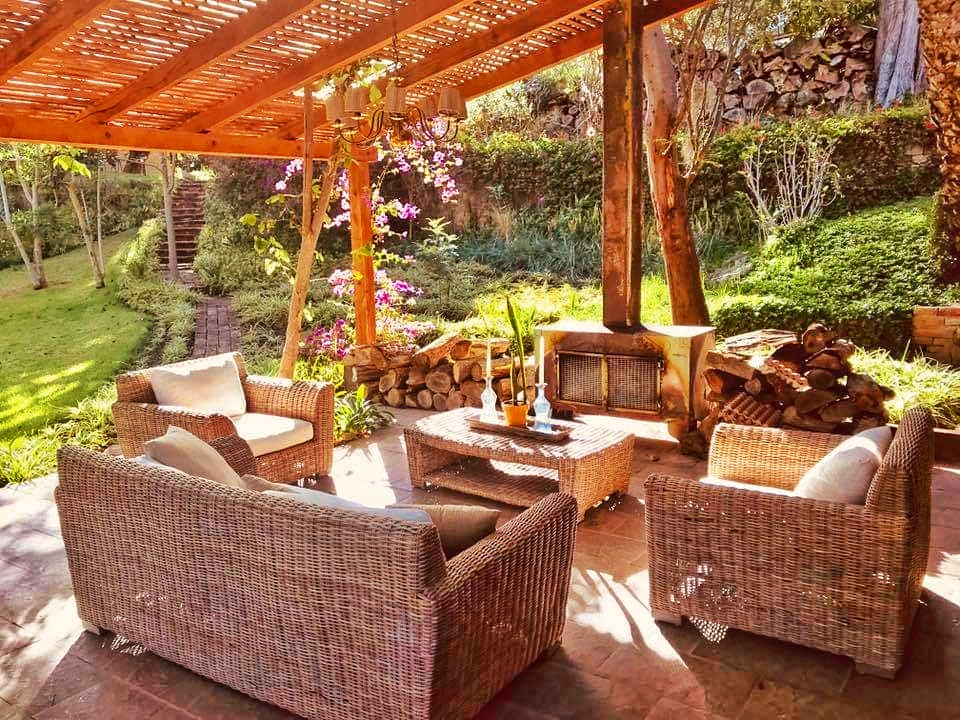
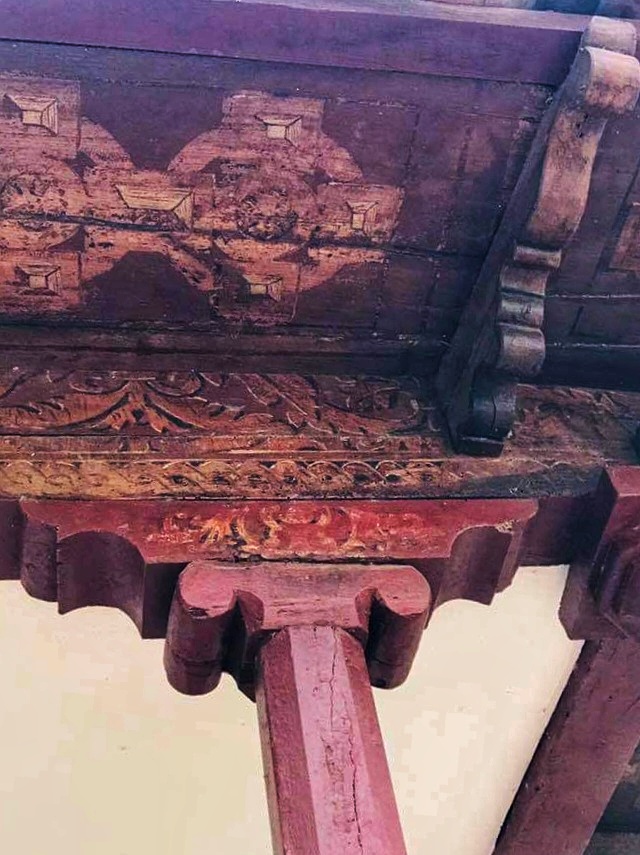
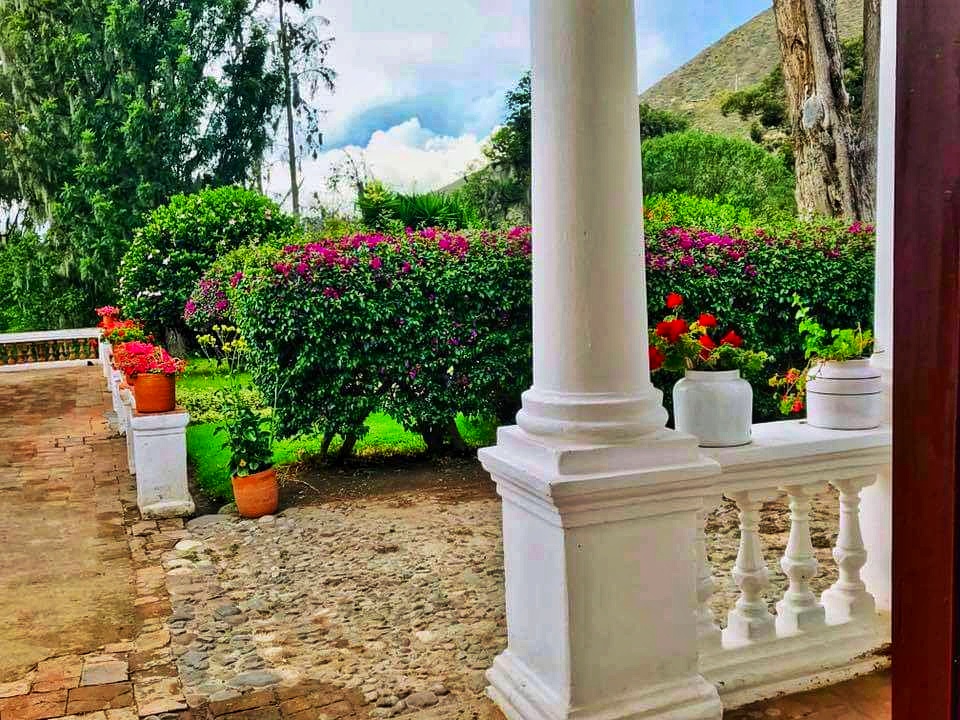
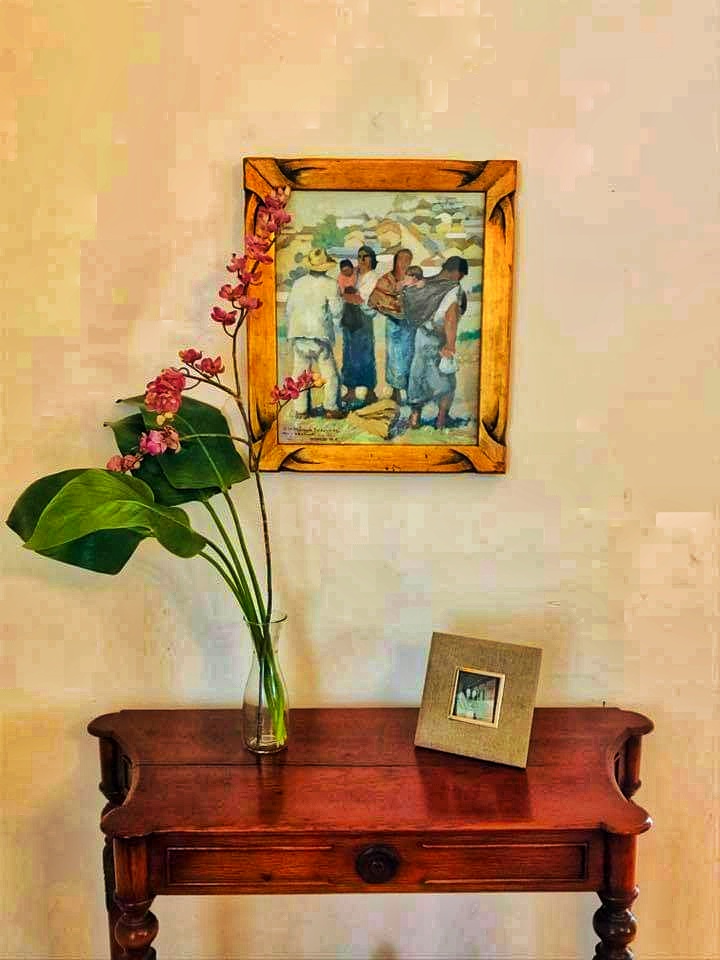
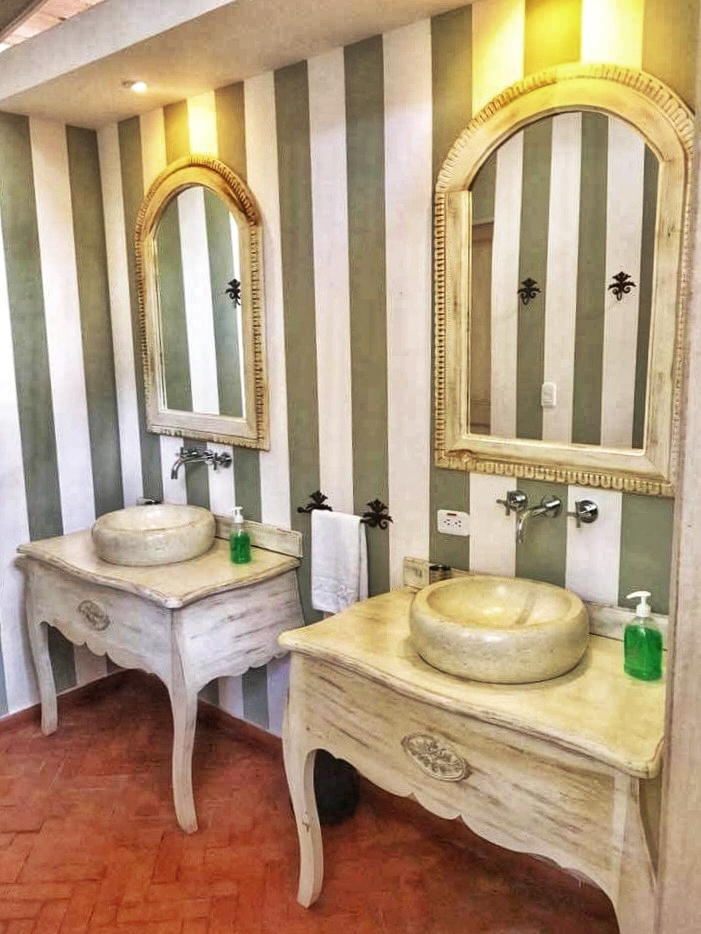
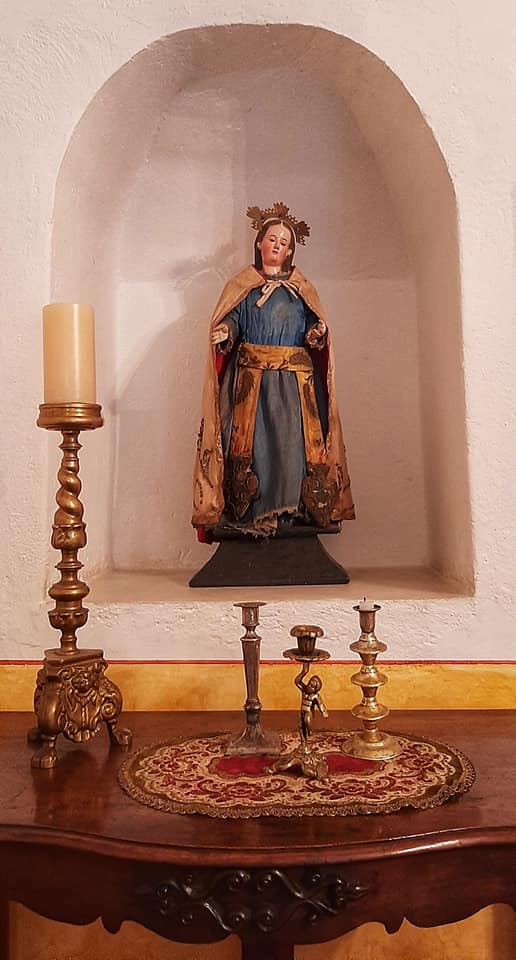
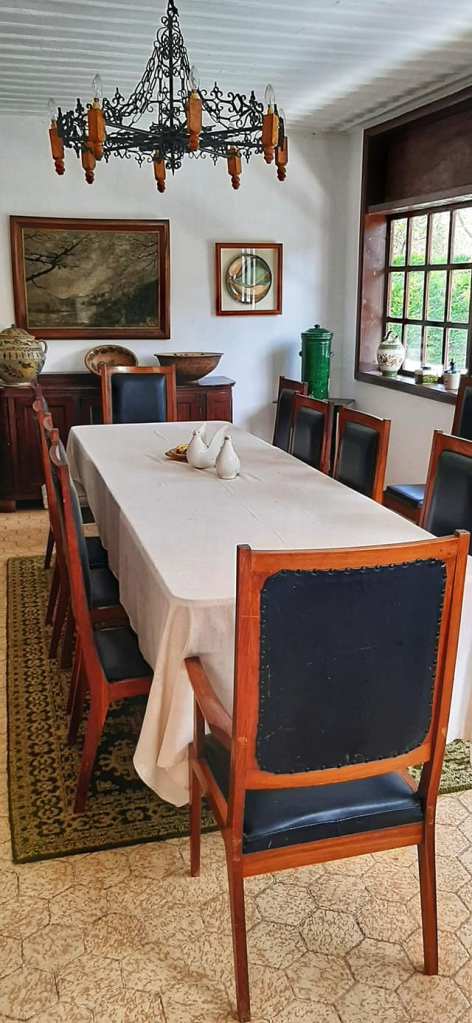
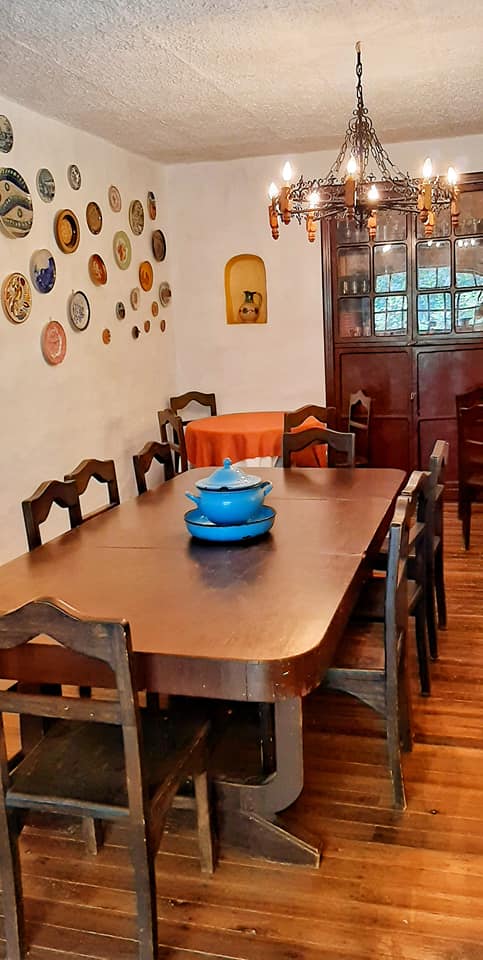
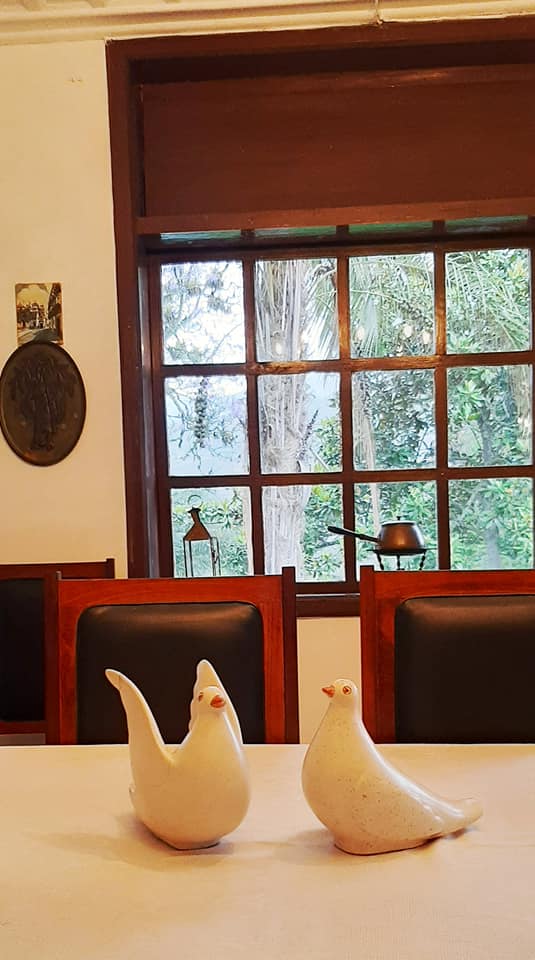
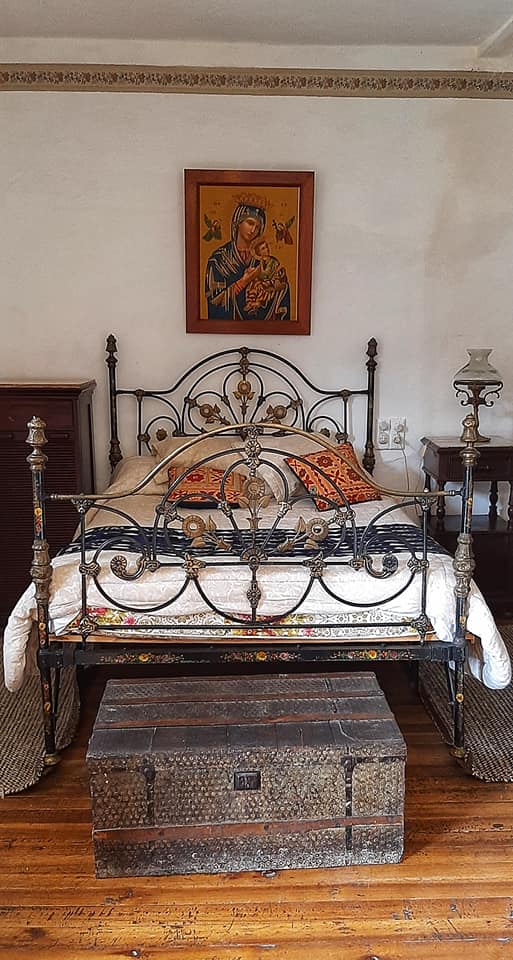
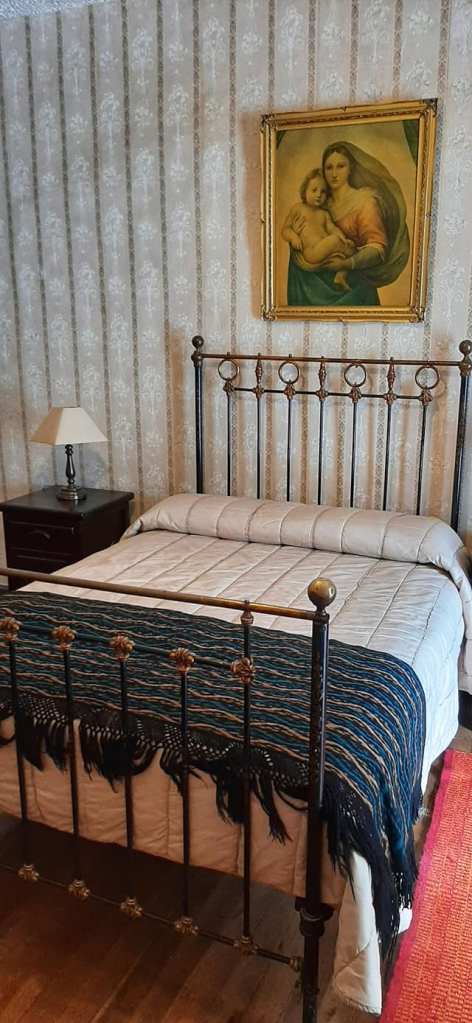
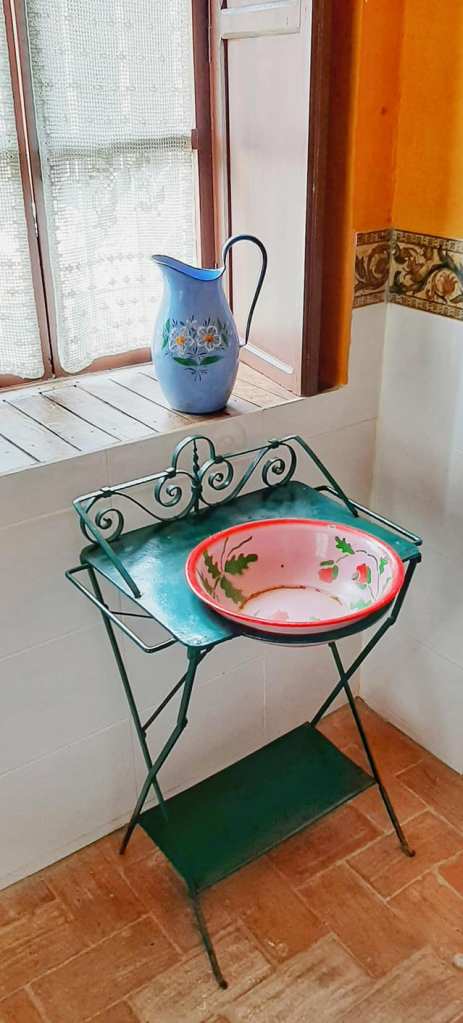
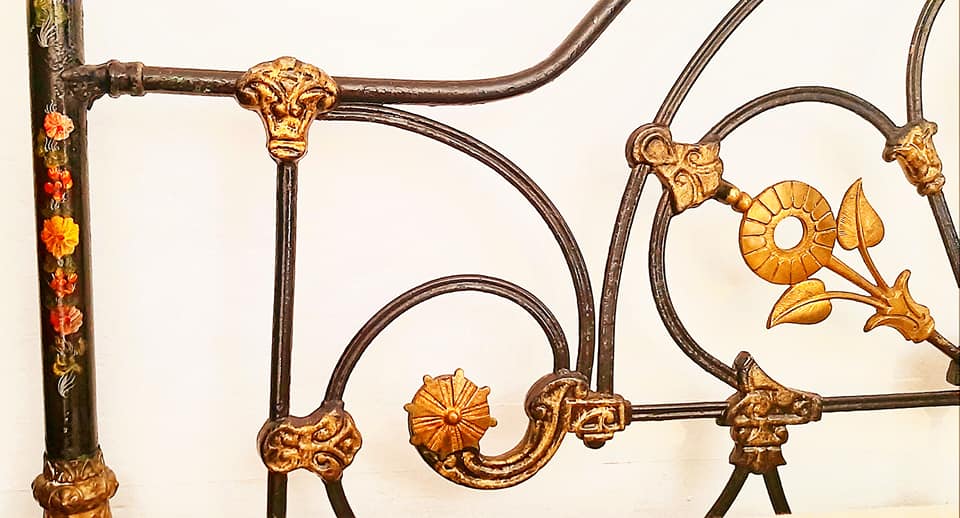
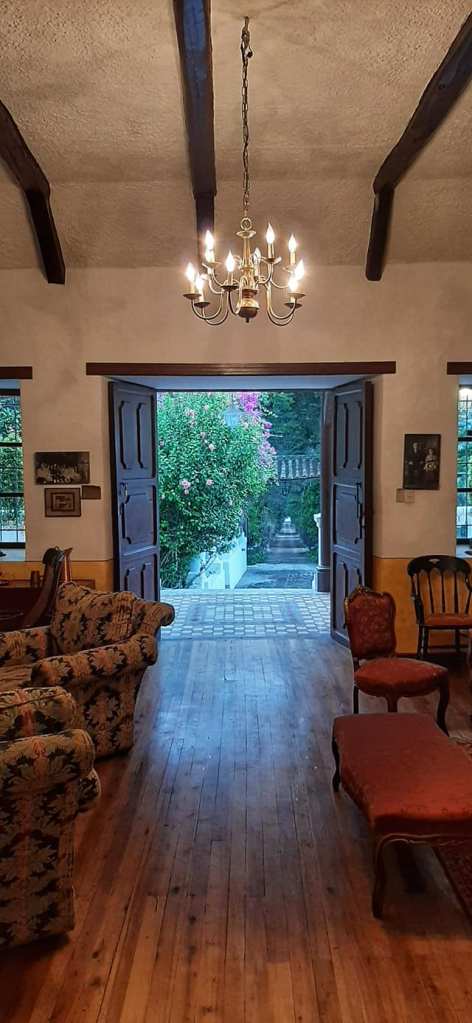
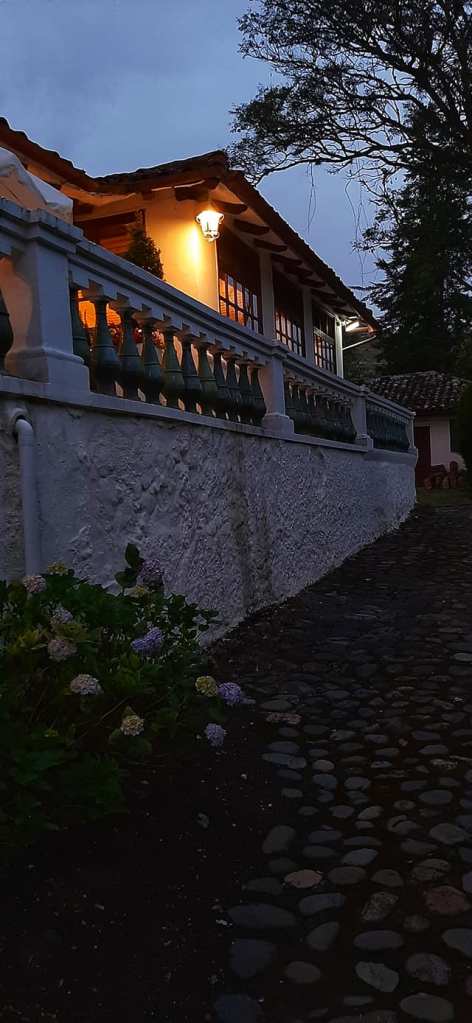
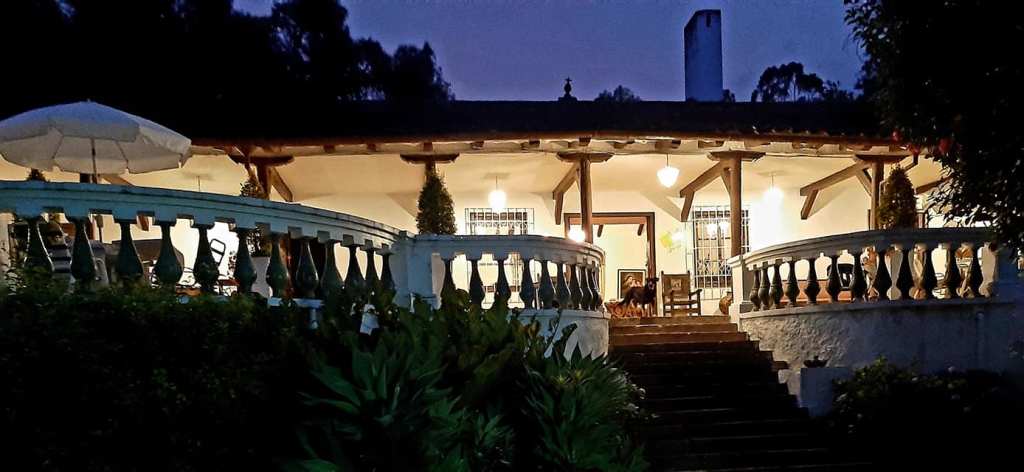
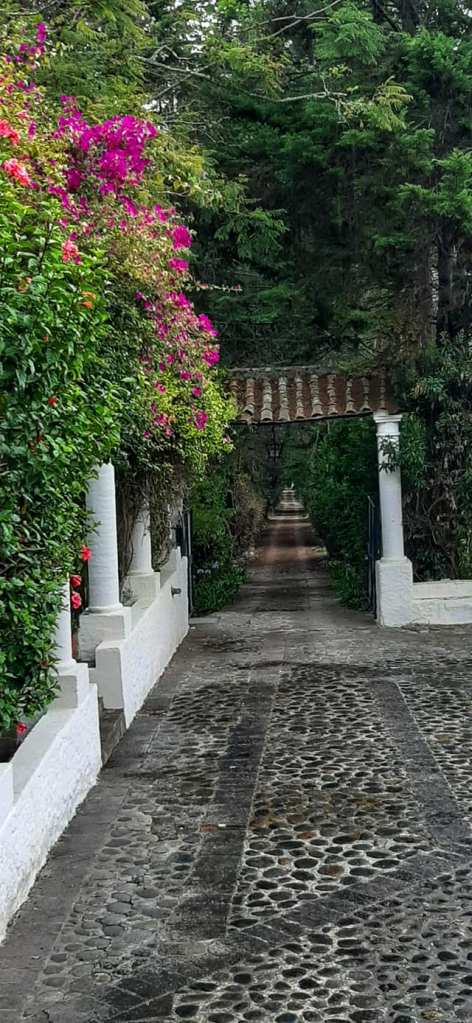
This country house was inventoried as a heritage asset by the National Institute of Cultural Heritage of Ecuador INPC. It has twelve unique bedrooms with wrought iron beds, two separate dining rooms, a covered veranda which runs the full length of the house, original furniture, an amazing old adobe and wood barn, and beautiful gardens and grounds.
The hacienda is available for individuals, or families, or for small weddings, seminars, workshops or special ceremonies. They follow all biosecurity norms and care. From Cuenca it is possible to get a driver to the hacienda for $20. You may reach the owner at 099-618-8441, or 099-530-9959. Km 35 Via Paute a 35 minutos de Cuenca-Ecuador 00593







 Haciendas In Ecuador