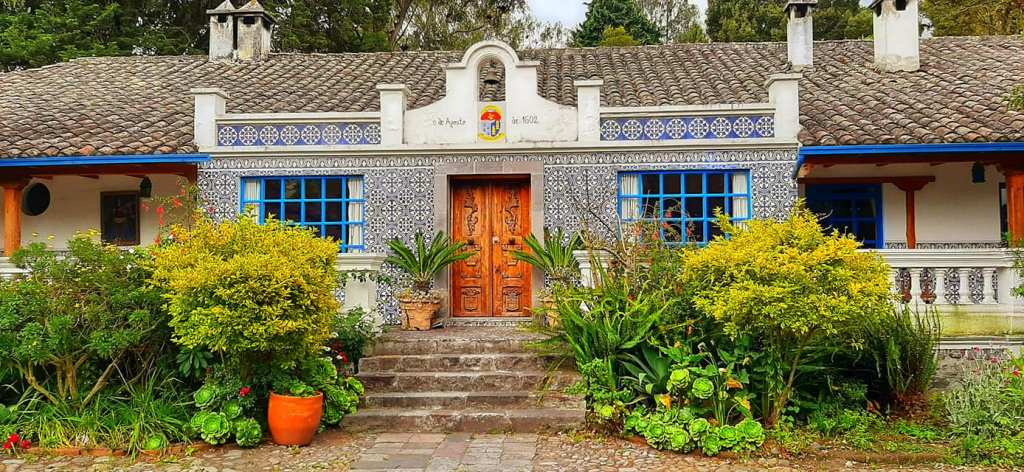
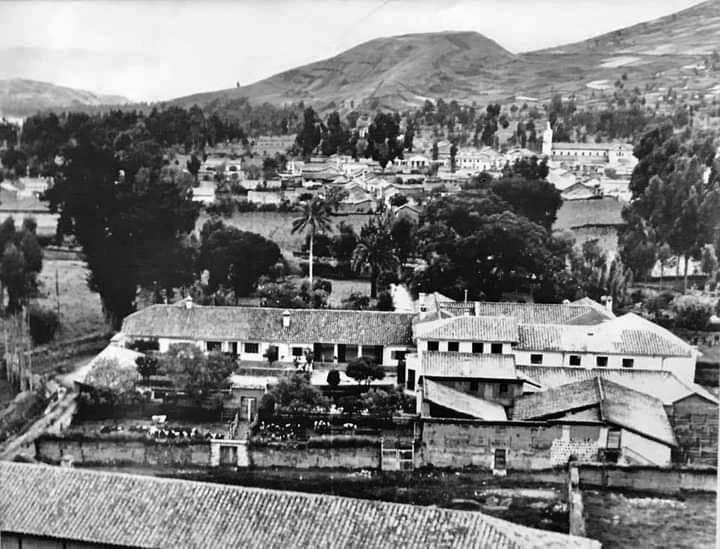
Hacienda San Augustin de Callo

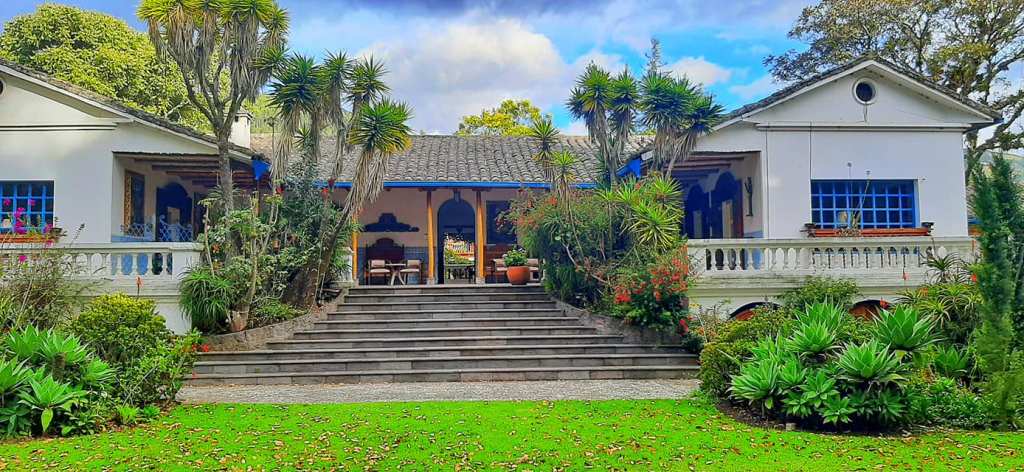
This splendid Ecuadorian hacienda is one and 1/2 hours south of Quito, and faces directly to a magnificent view (depending on cloud coverage) of Cotapaxi, the highest active volcano in the world. It’s history tells a story of the Incas, the Spaniards, and the Republican Era of Ecuador.
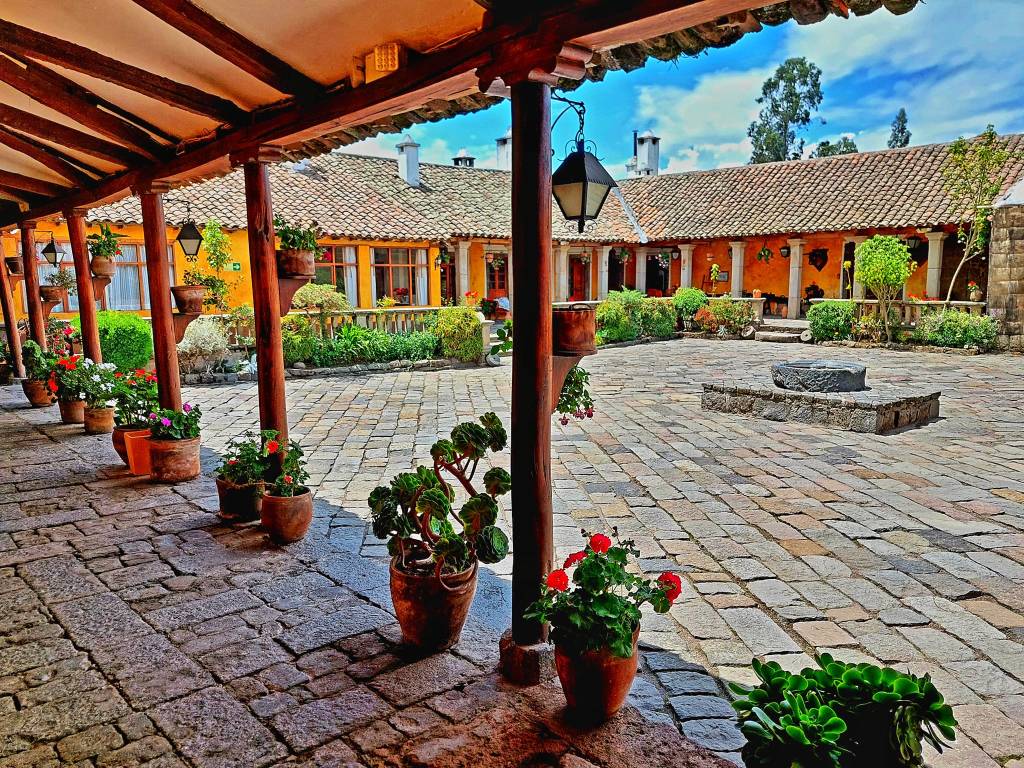
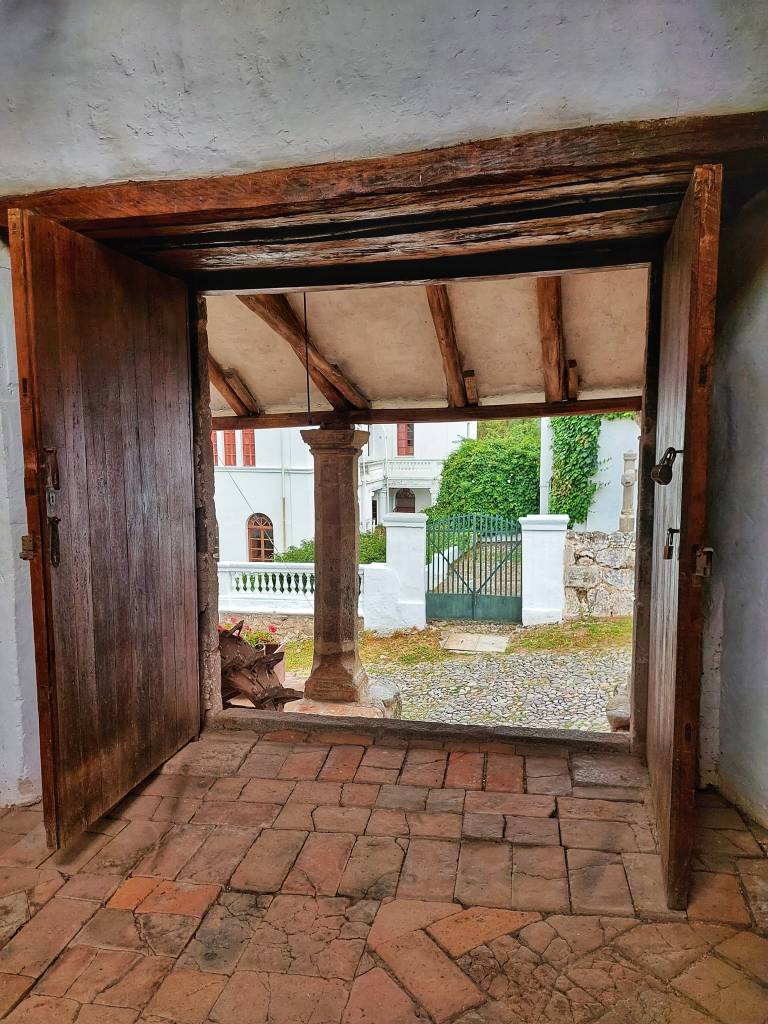
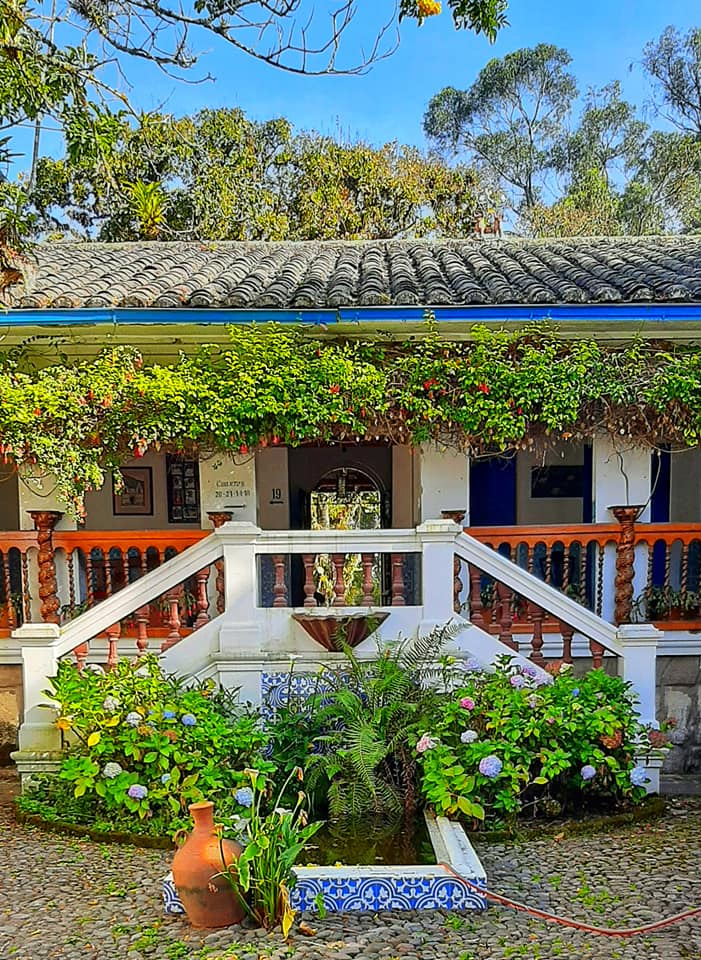
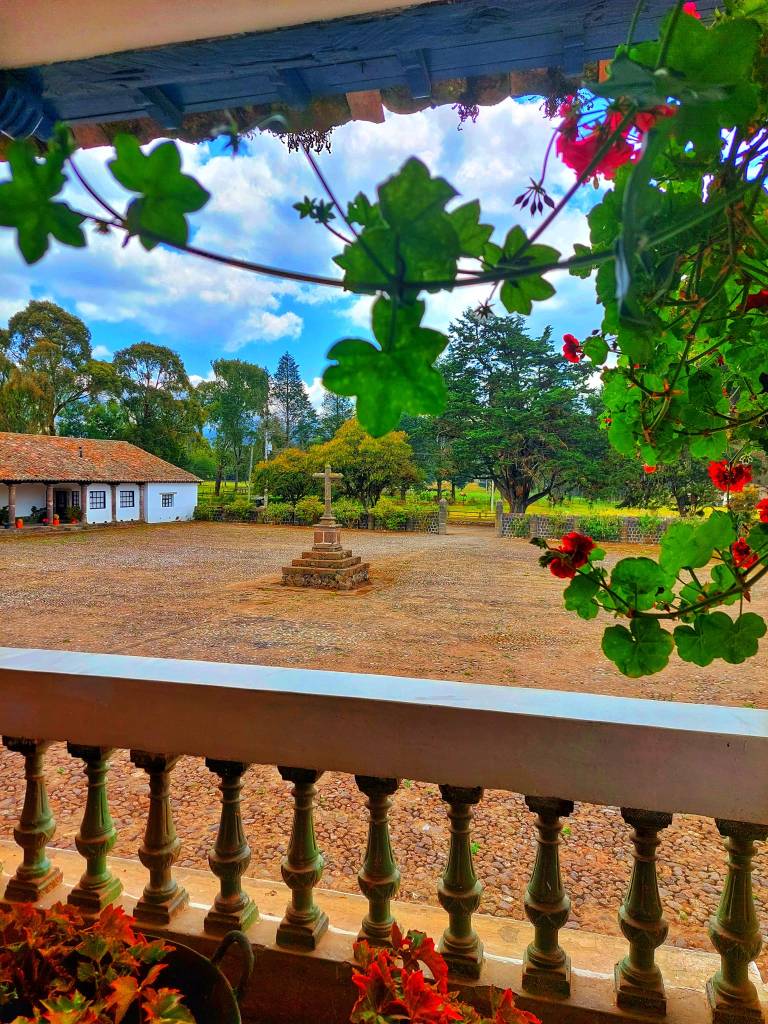
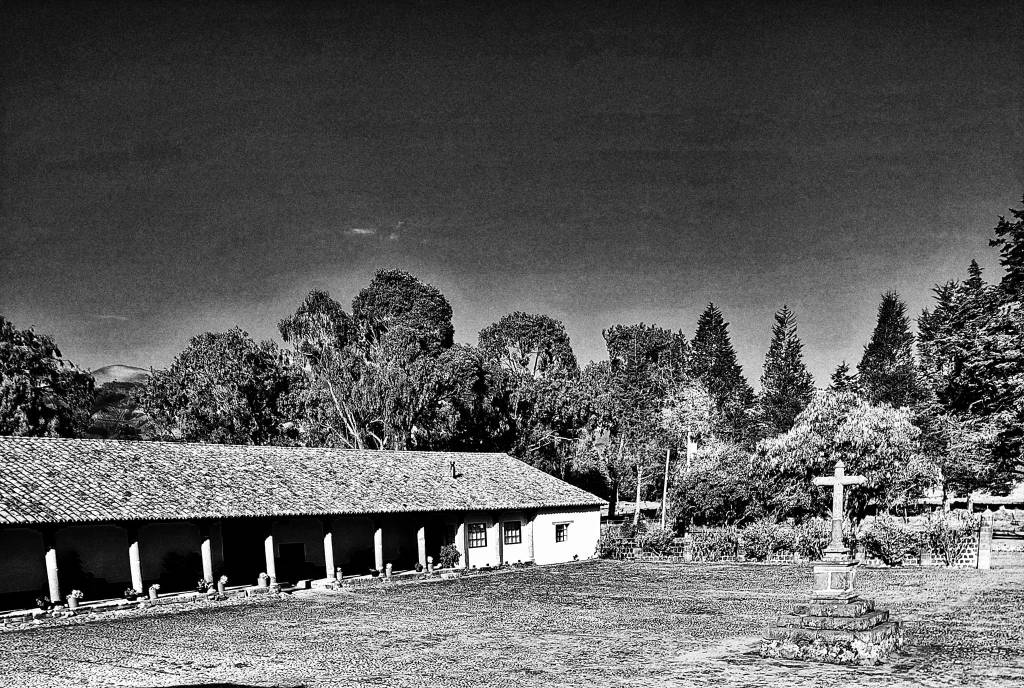
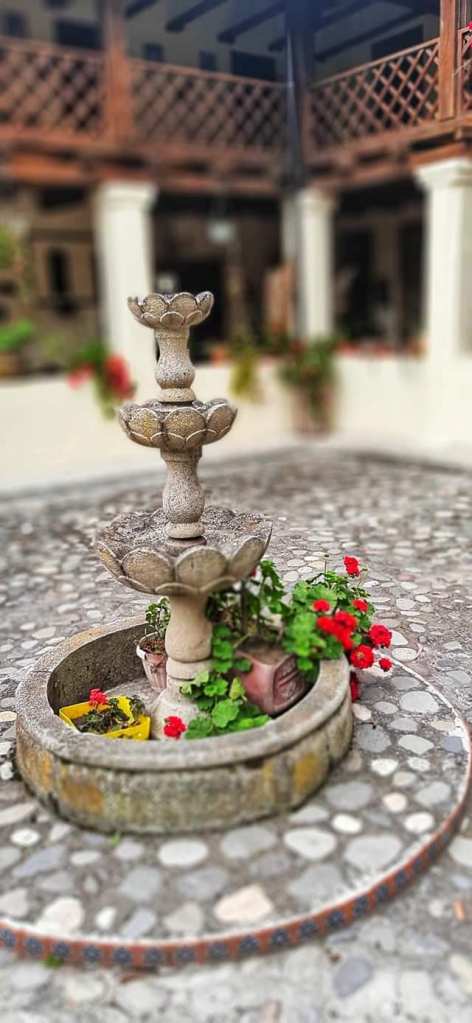
From the courtyard you can see three distinct styles of architecture: the very distinct Incan carved stone ( 15th century); Spanish colonial (18th century); and Republican Era ( 19th century).

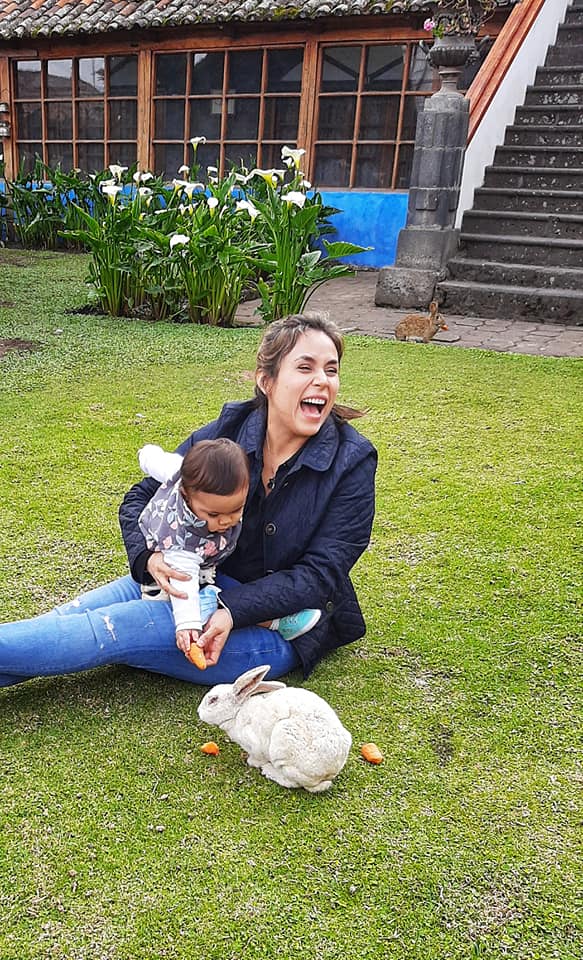
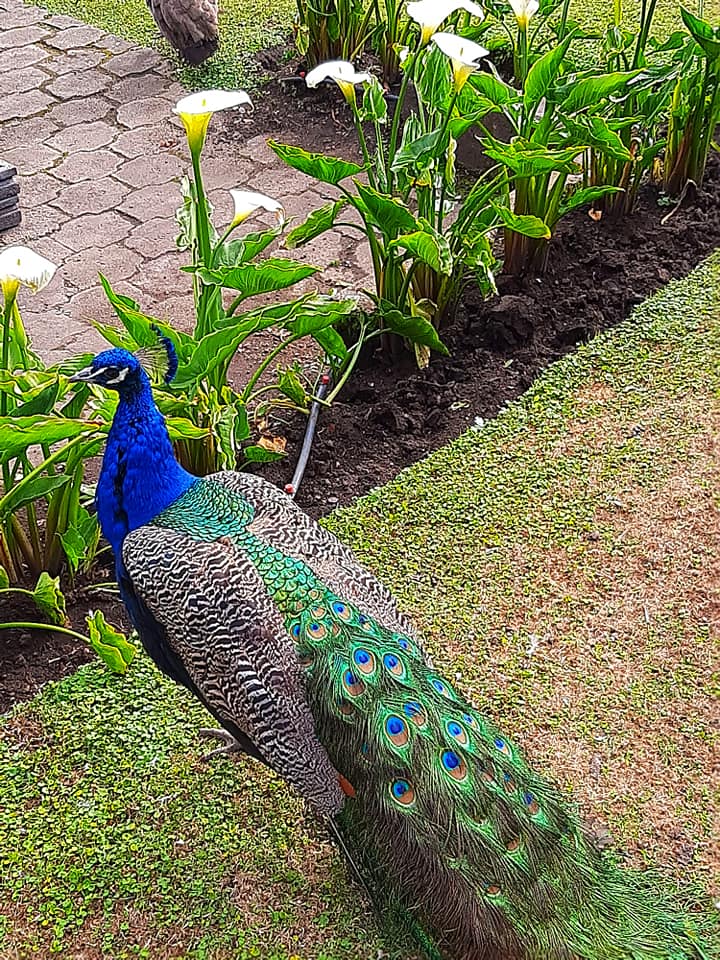
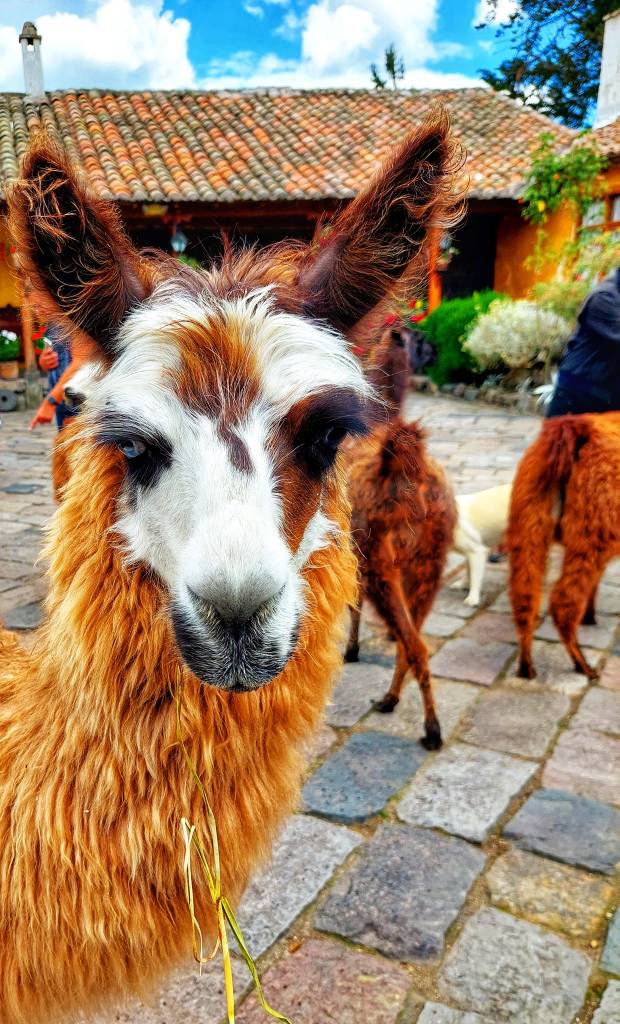
Part of the Welcoming Committe:
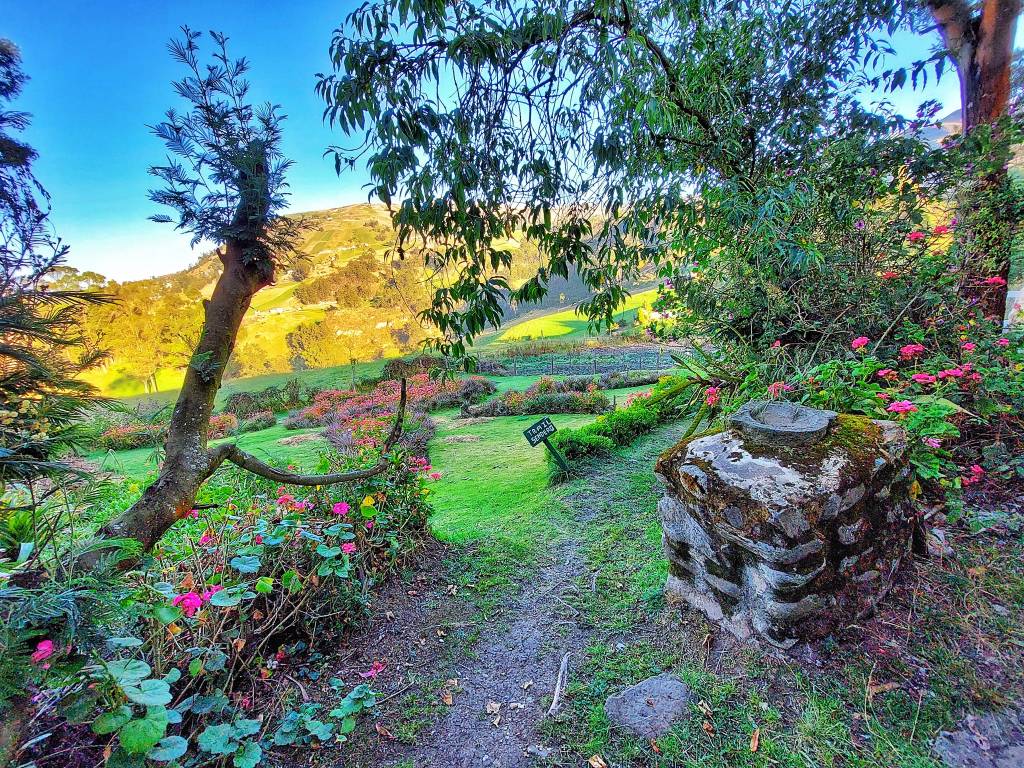
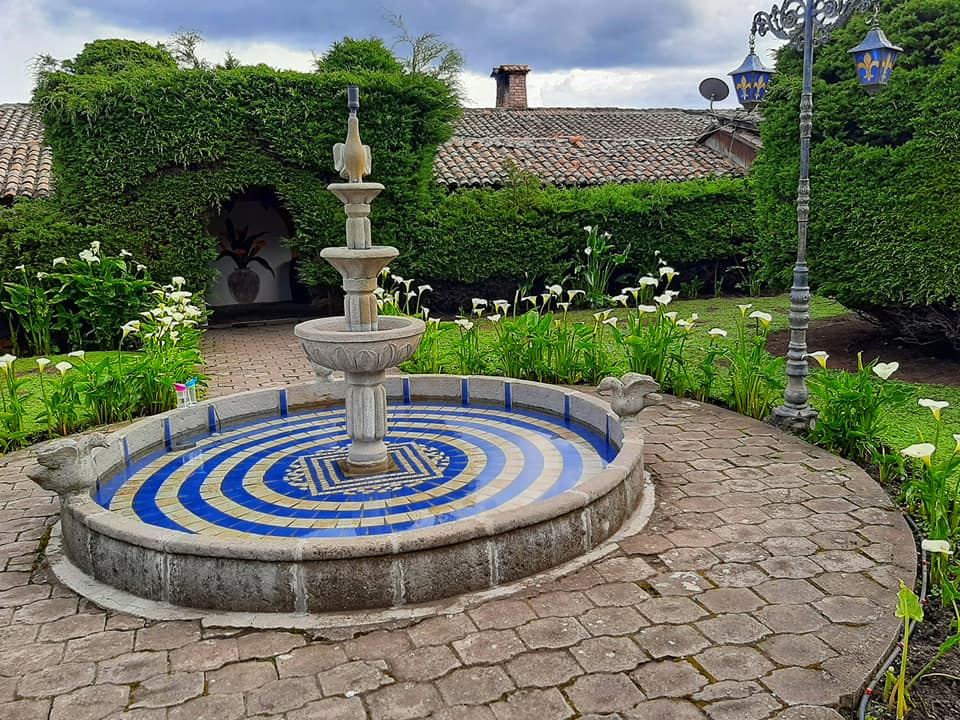
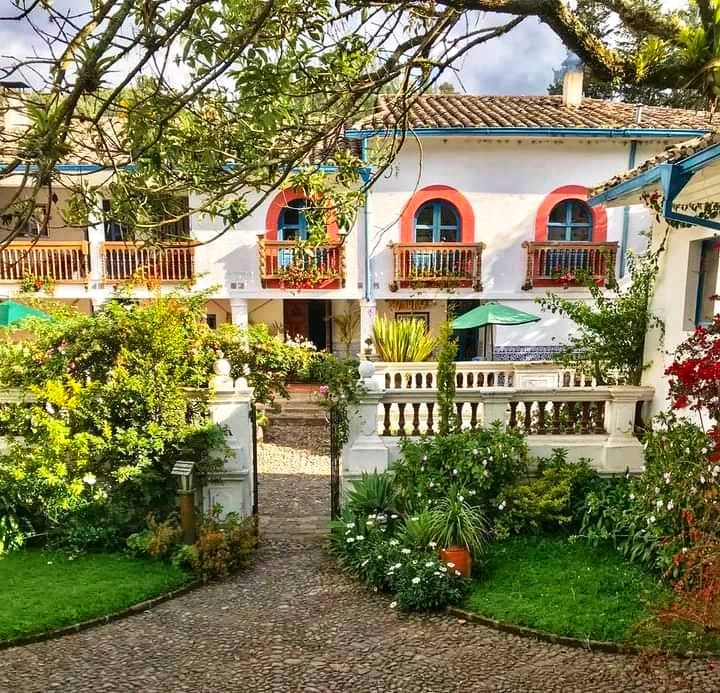
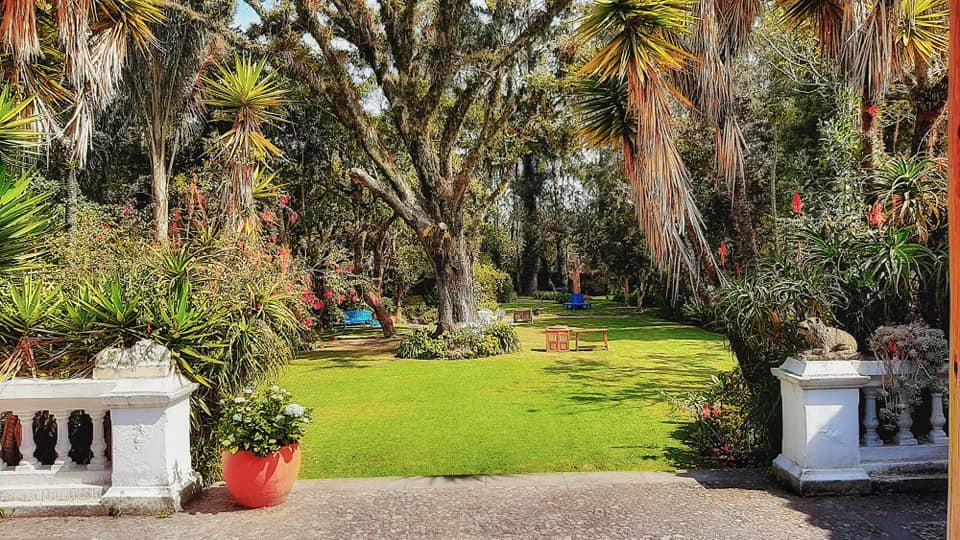
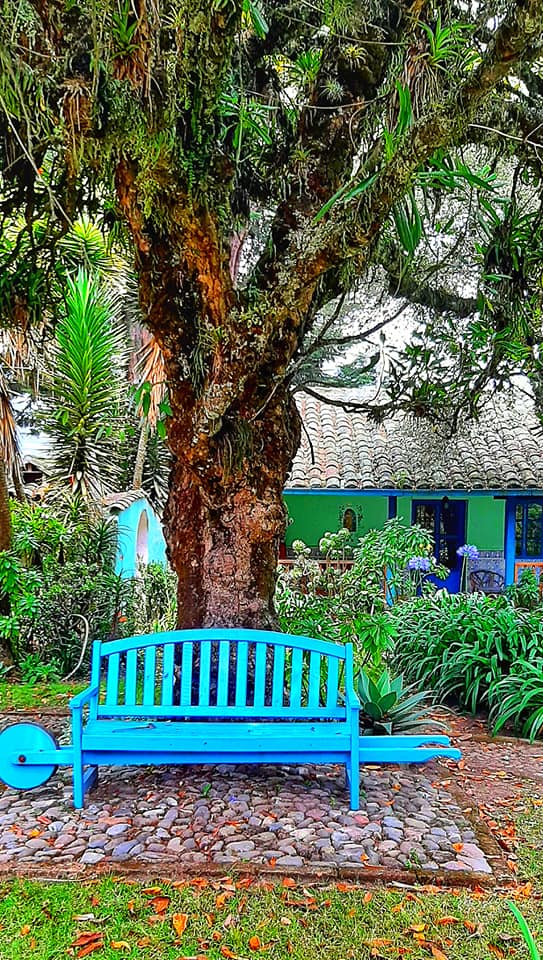
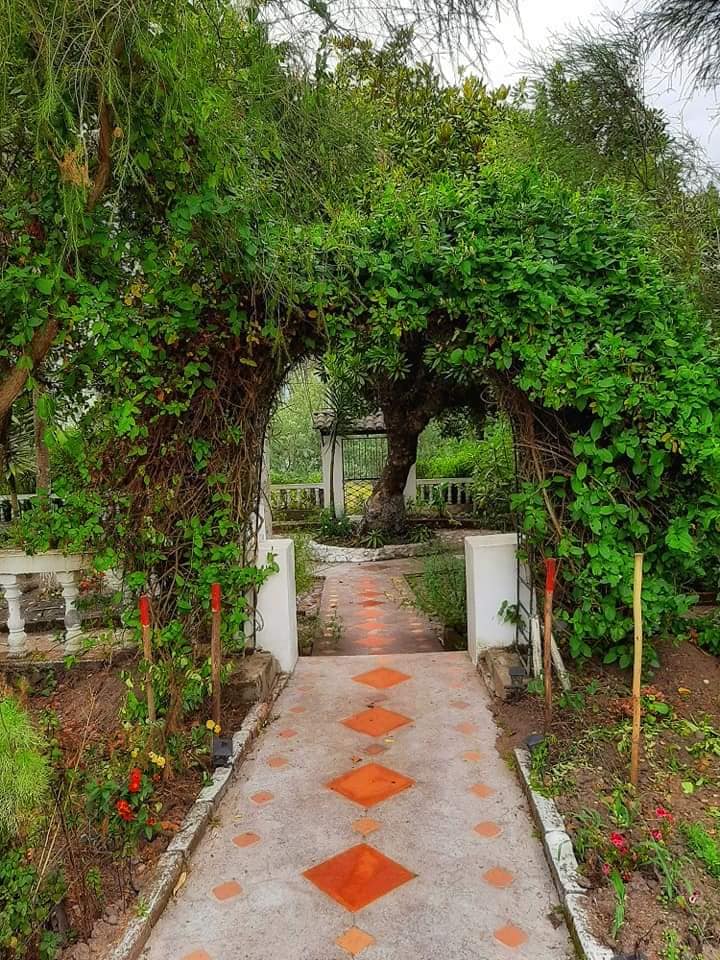
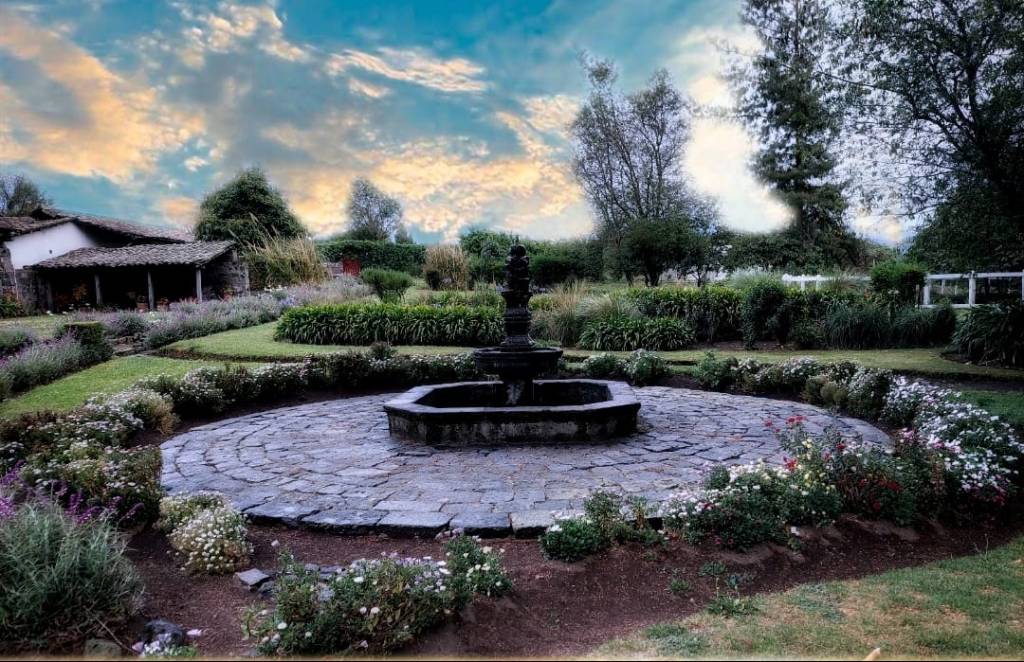
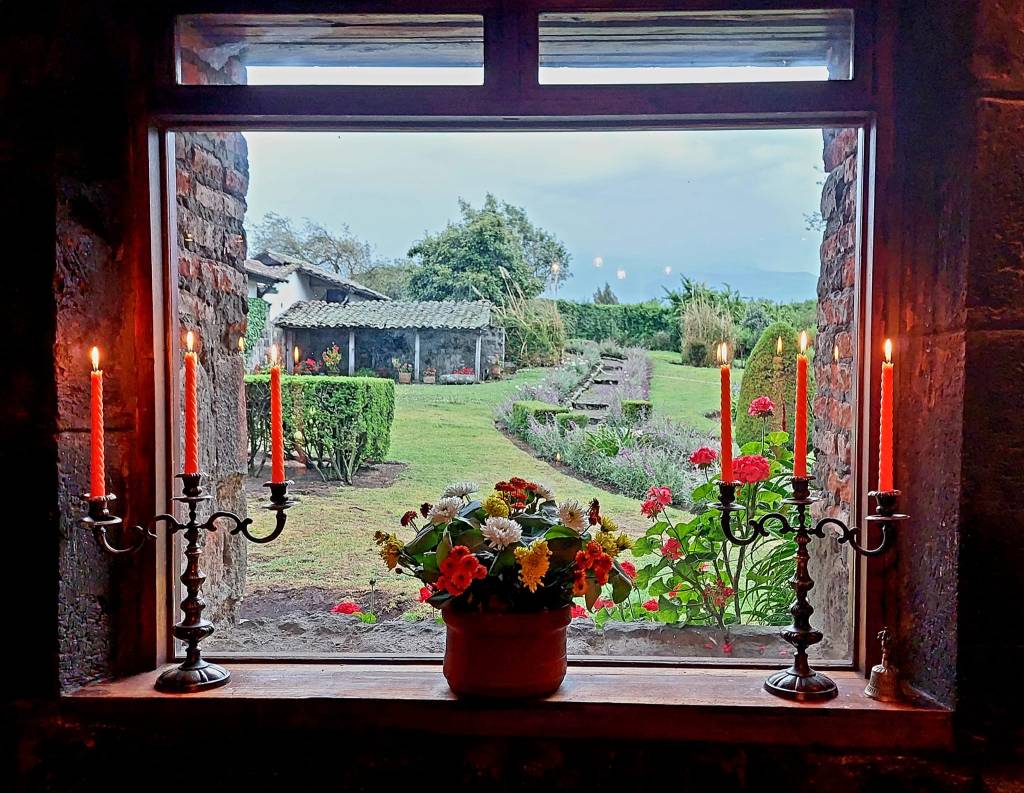
There are magical gardens surrounding the hacienda.
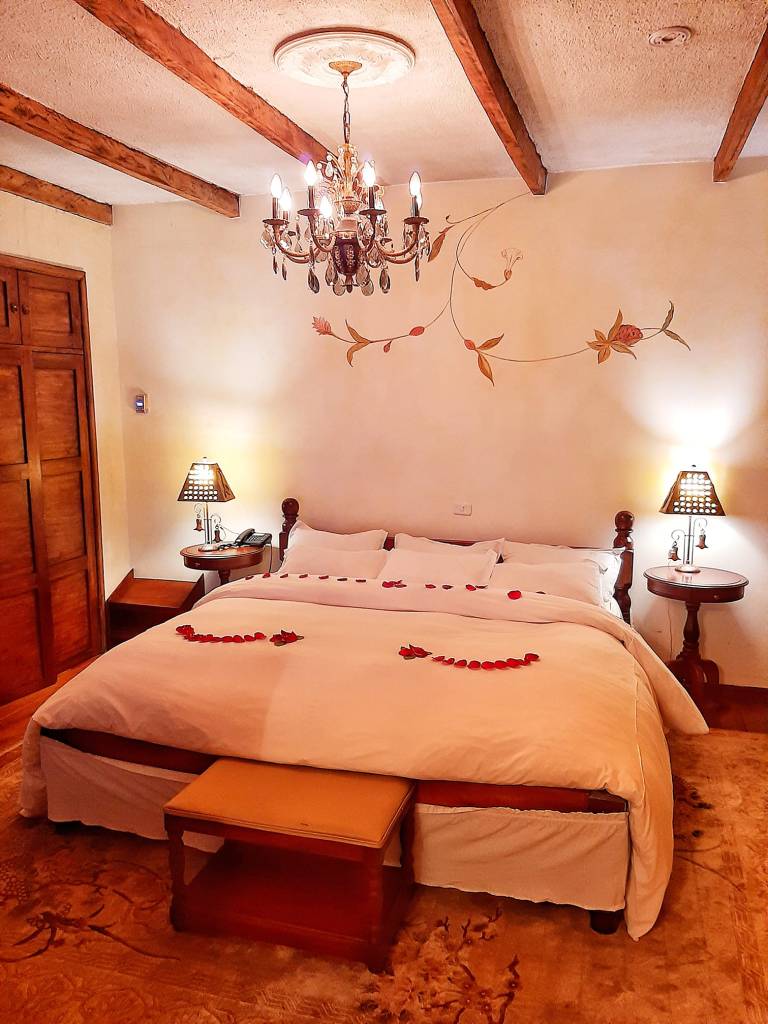
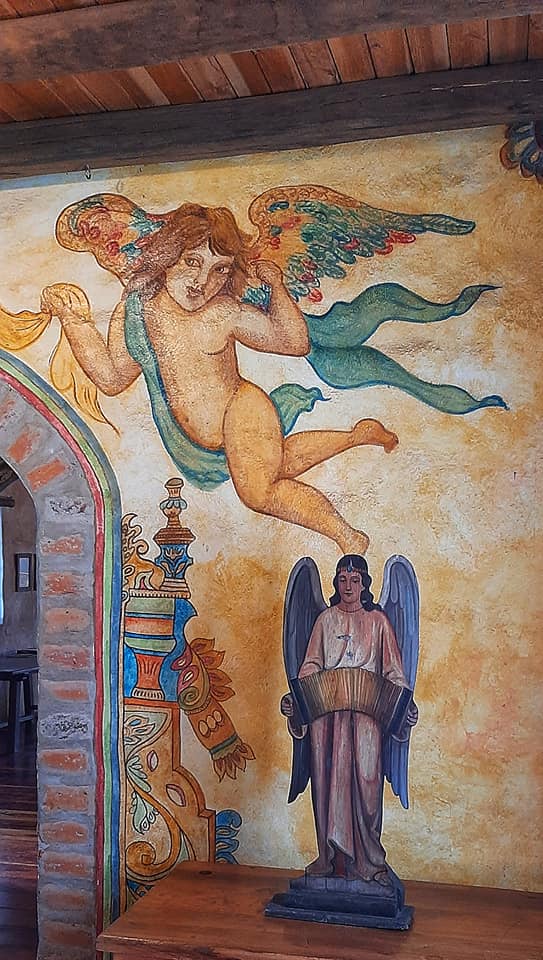
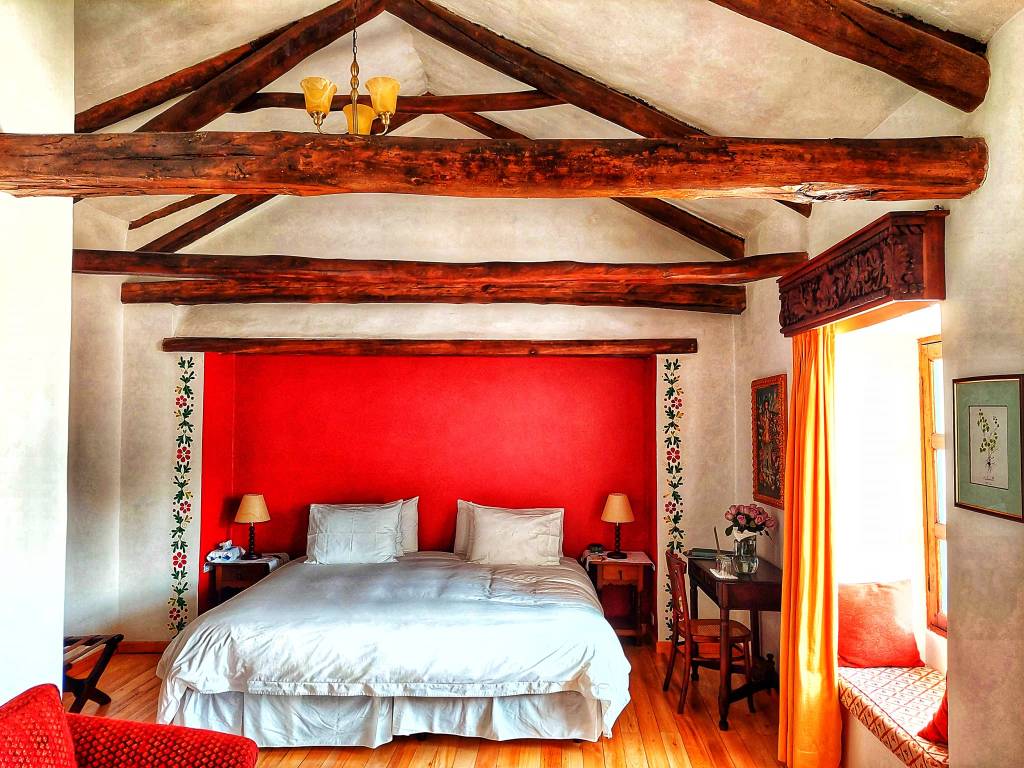
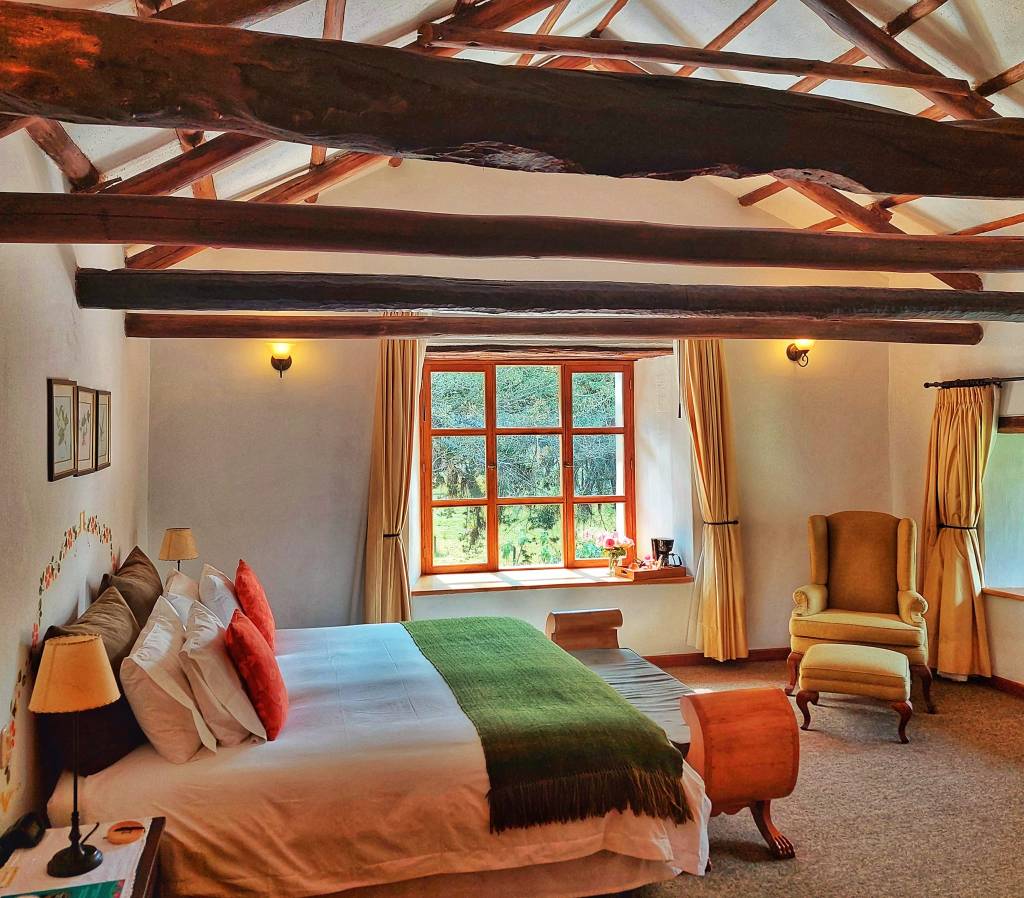
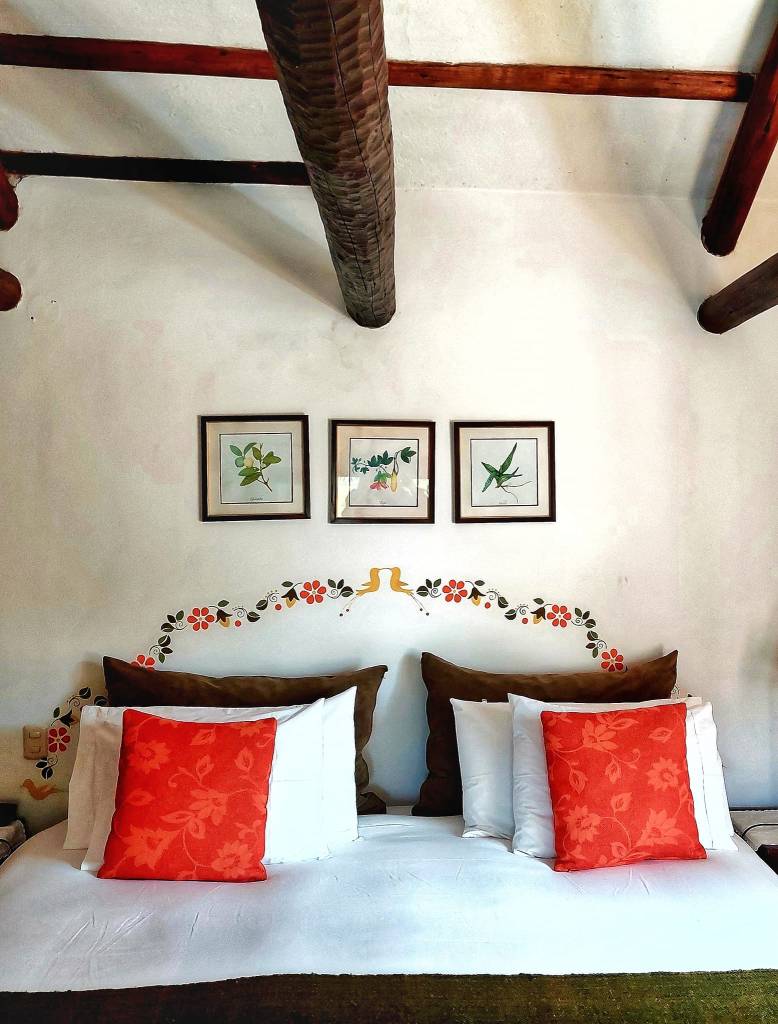
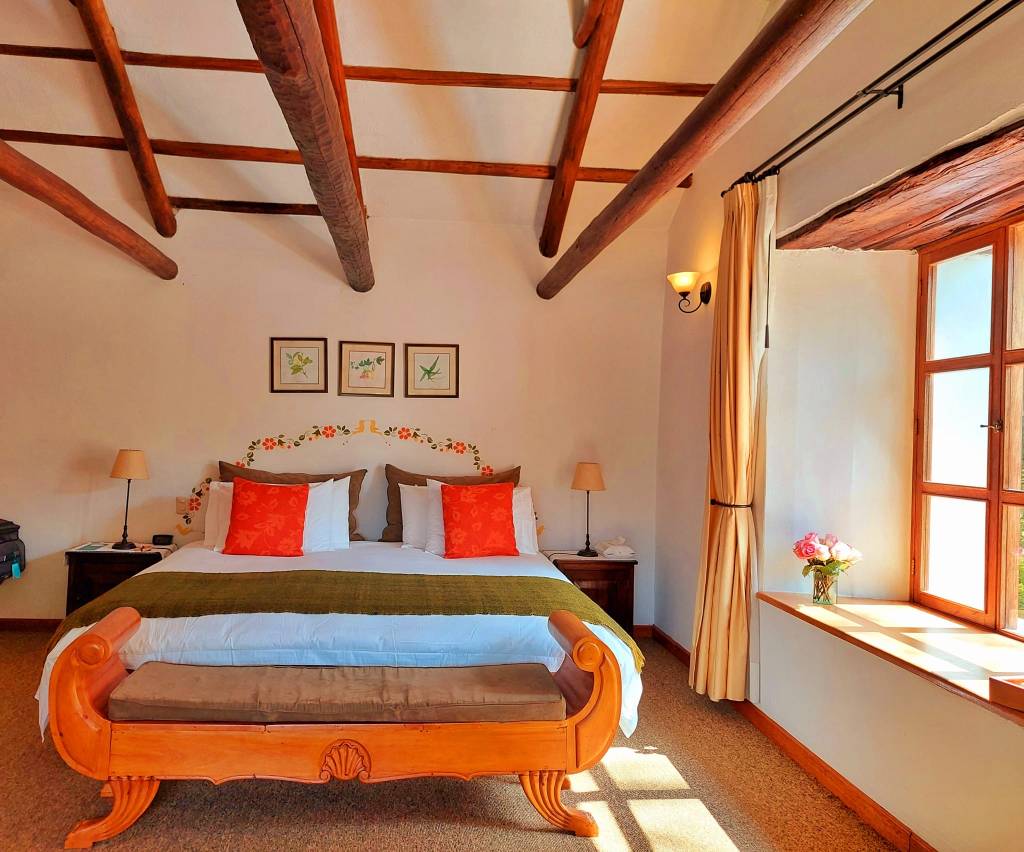
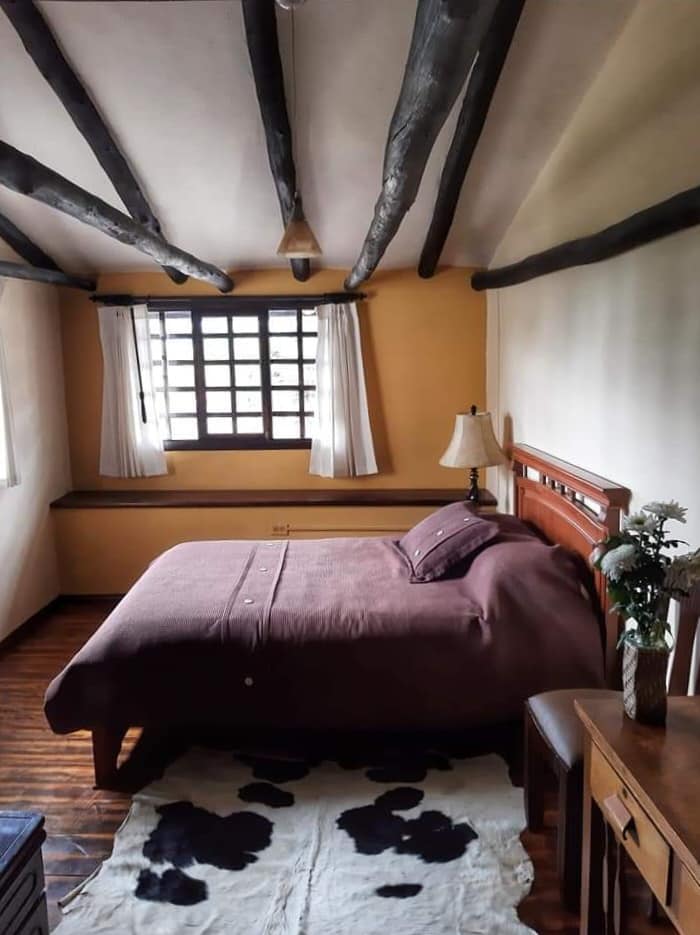
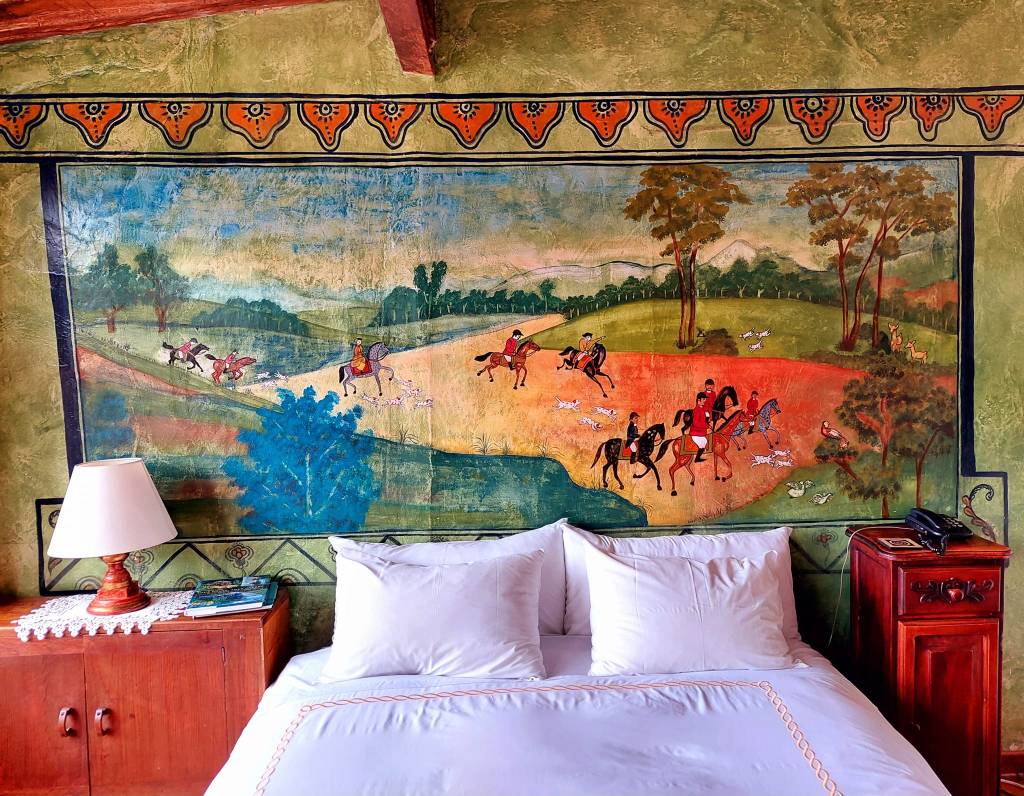
There are a select number of rooms, and suites available, with beautiful murals, and views, and multiple fireplaces.
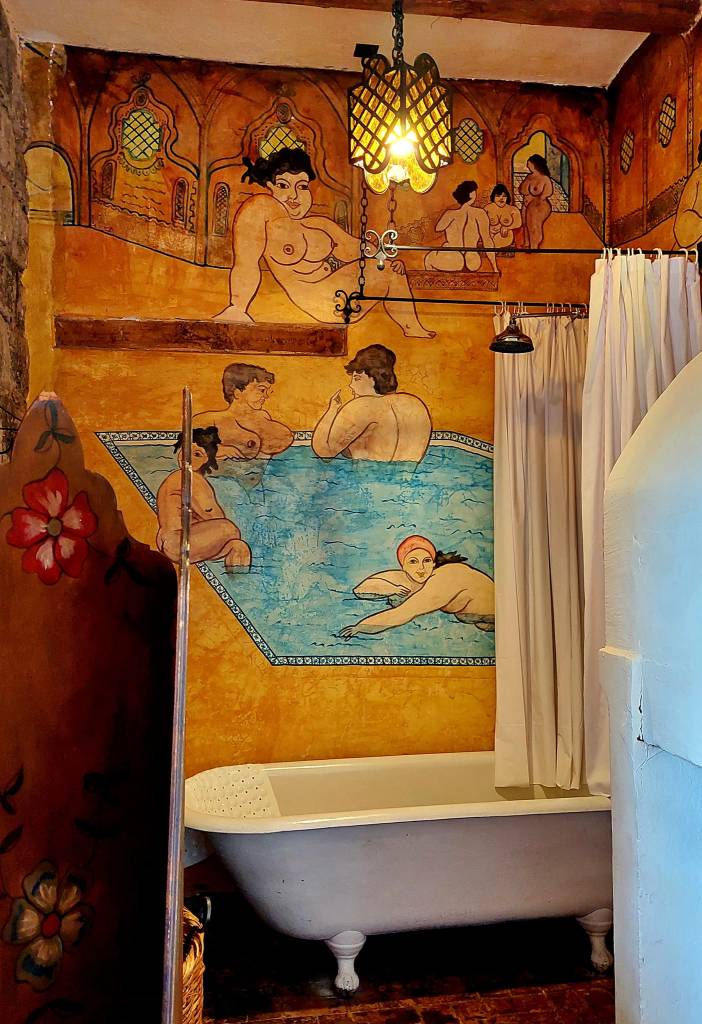
Some of the bathrooms have their own fireplaces.
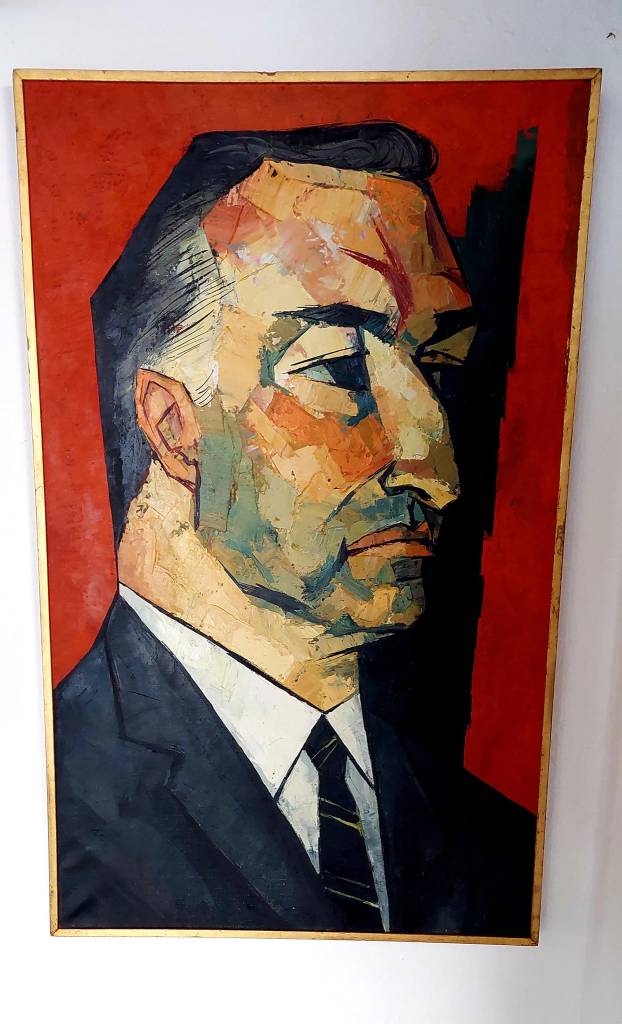
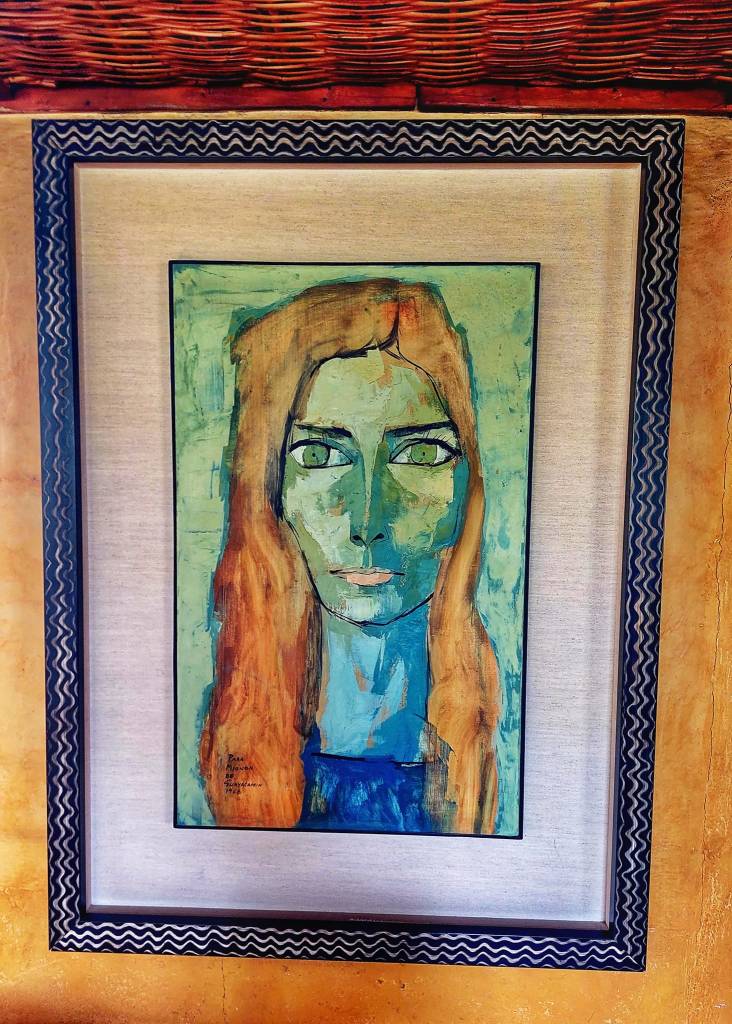
A painting of the current owner, Mignon Plaza, painted by the well known Ecuadorian artist Oswaldo Guayasamin. Mignon Plaza is the grandaugher of General Leonidas Plaza Guiterrez, who purchased the Hacienda in 1921.
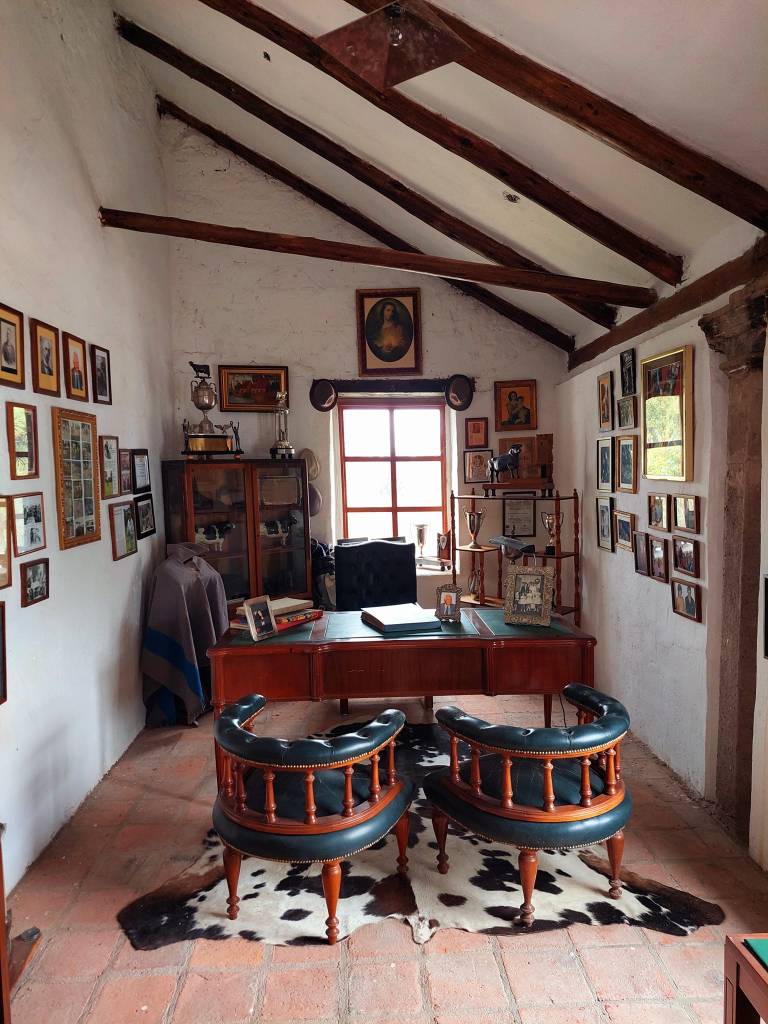
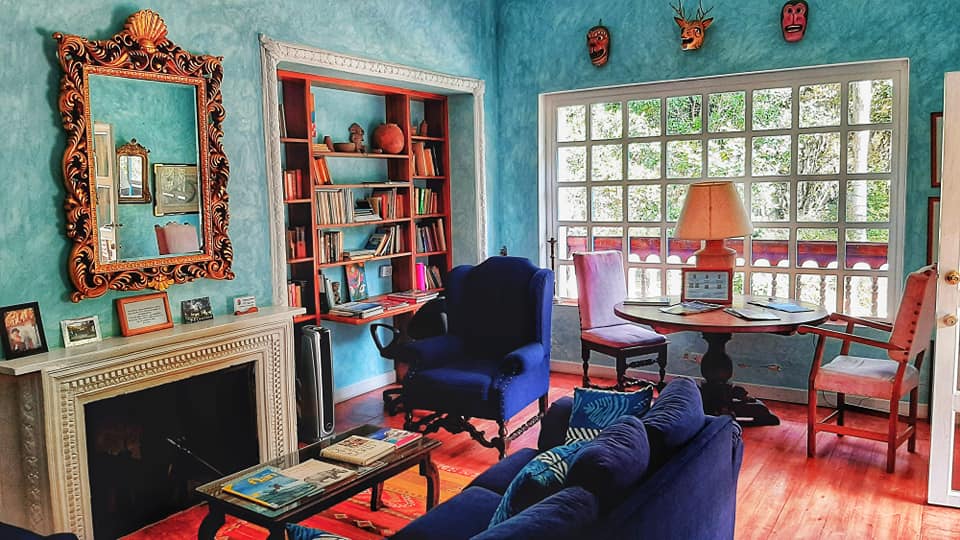
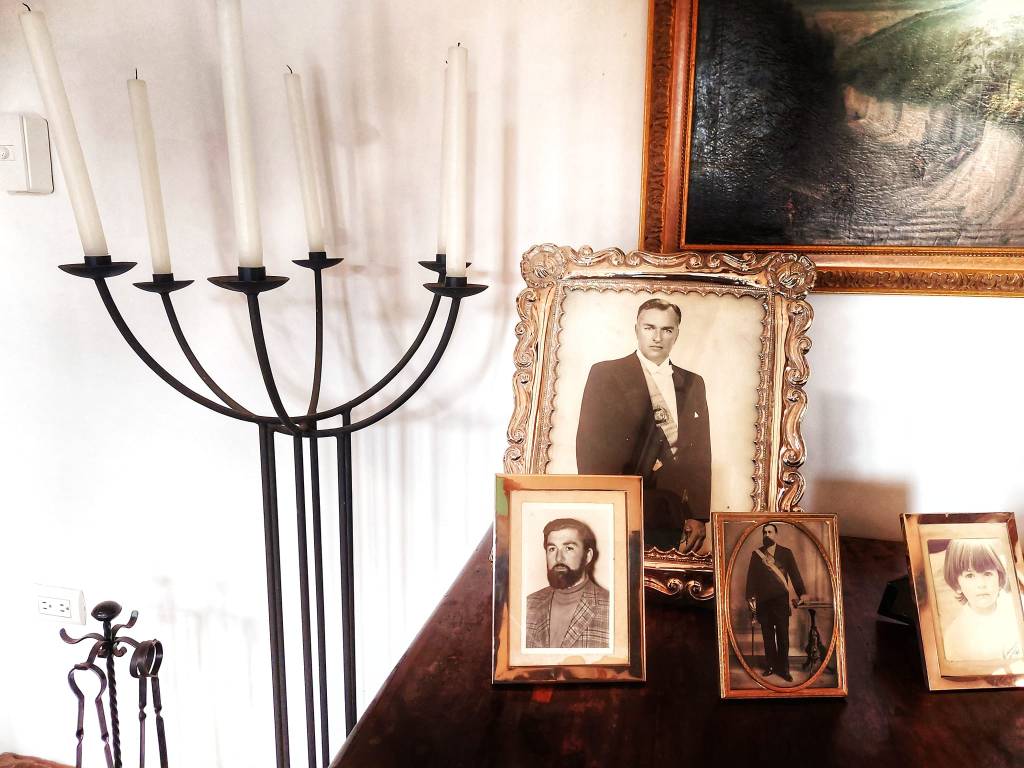
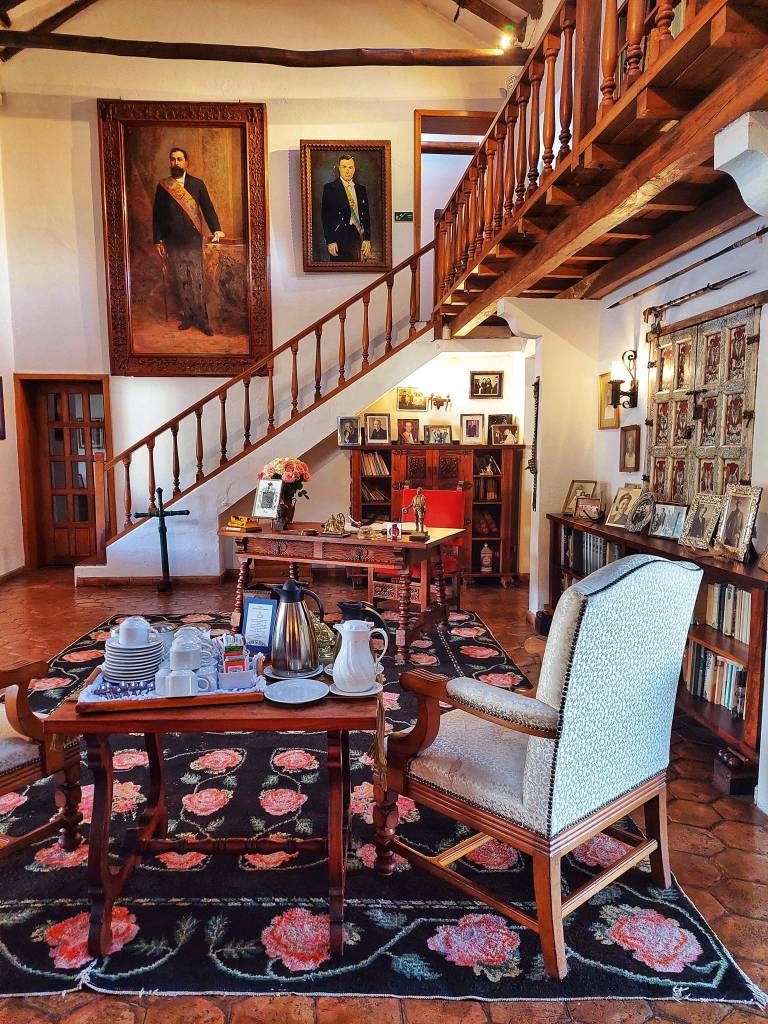
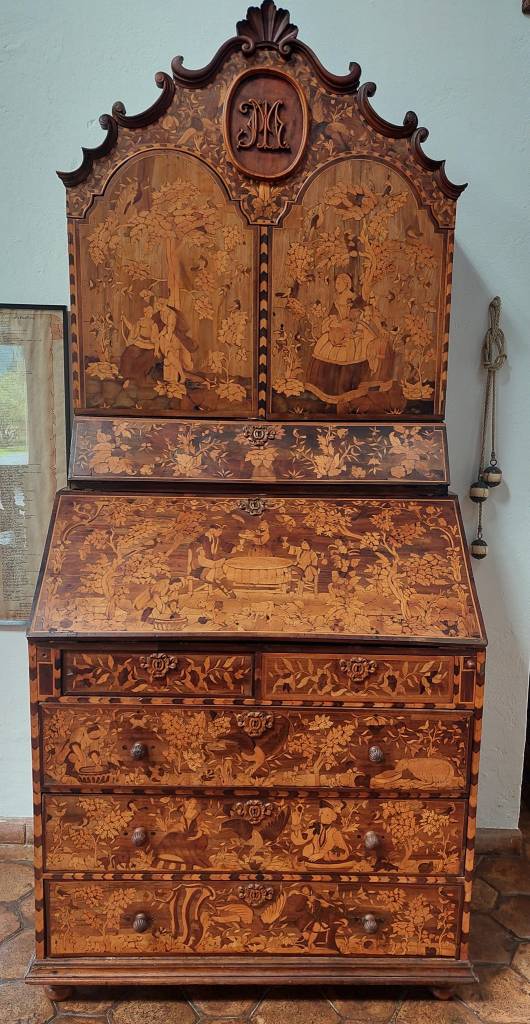
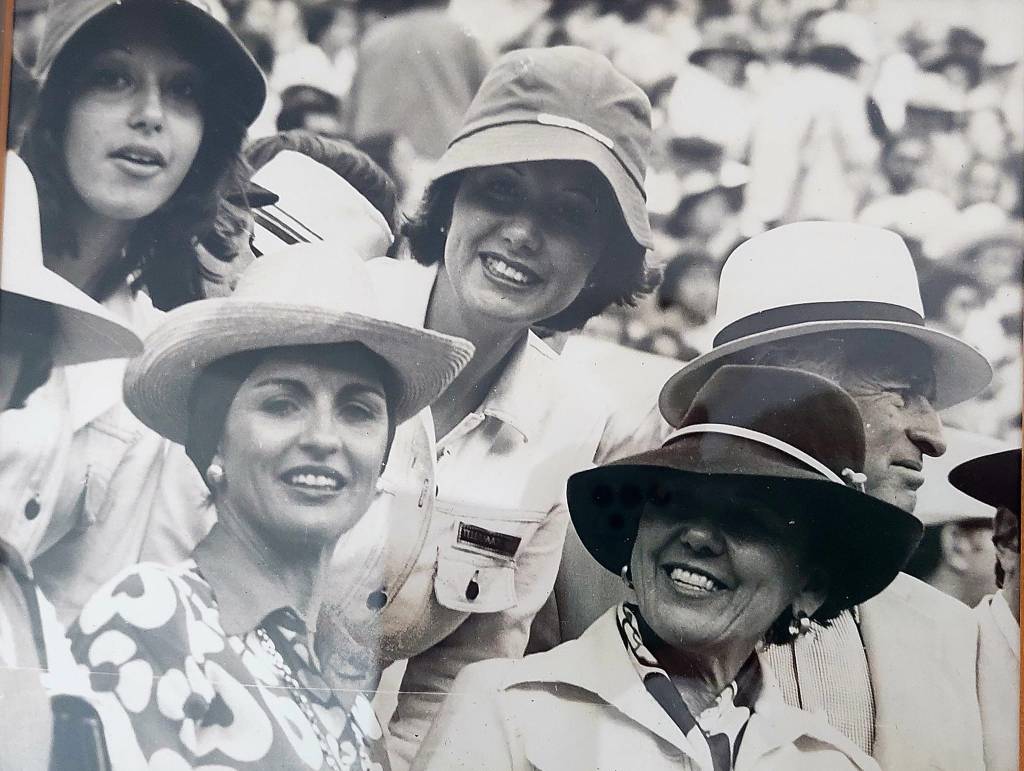
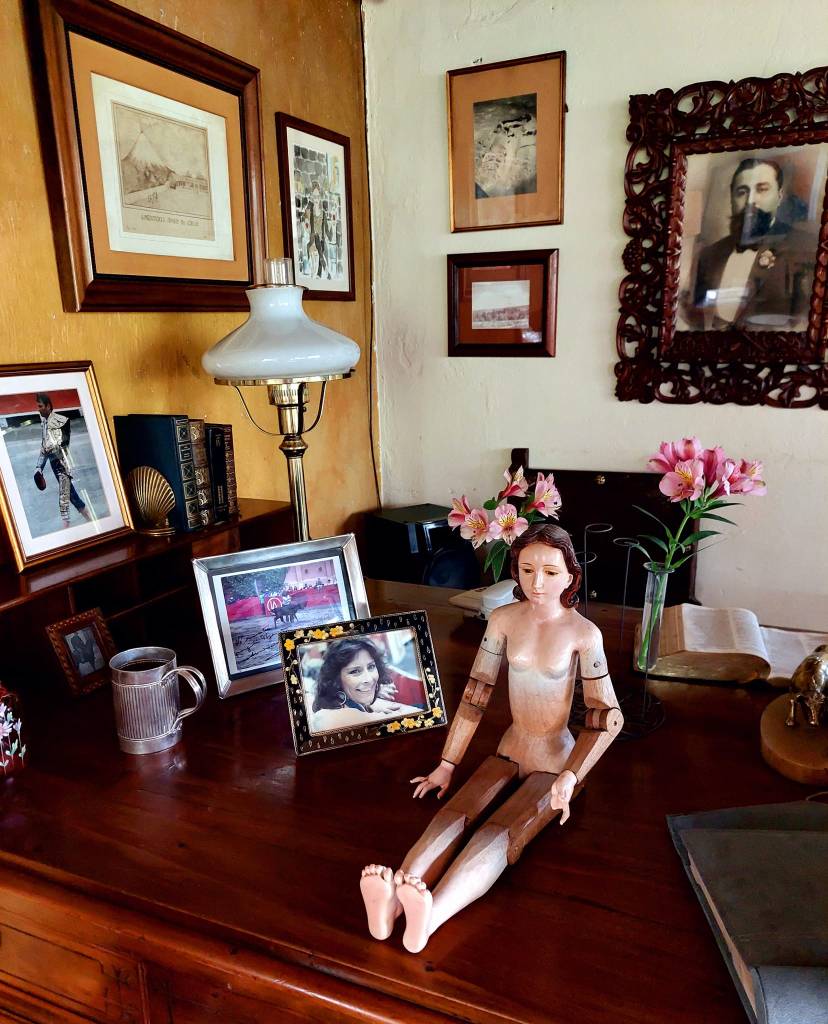
Photos of the family abound in the living room areas, and it still does feel very much like a welcoming family home.
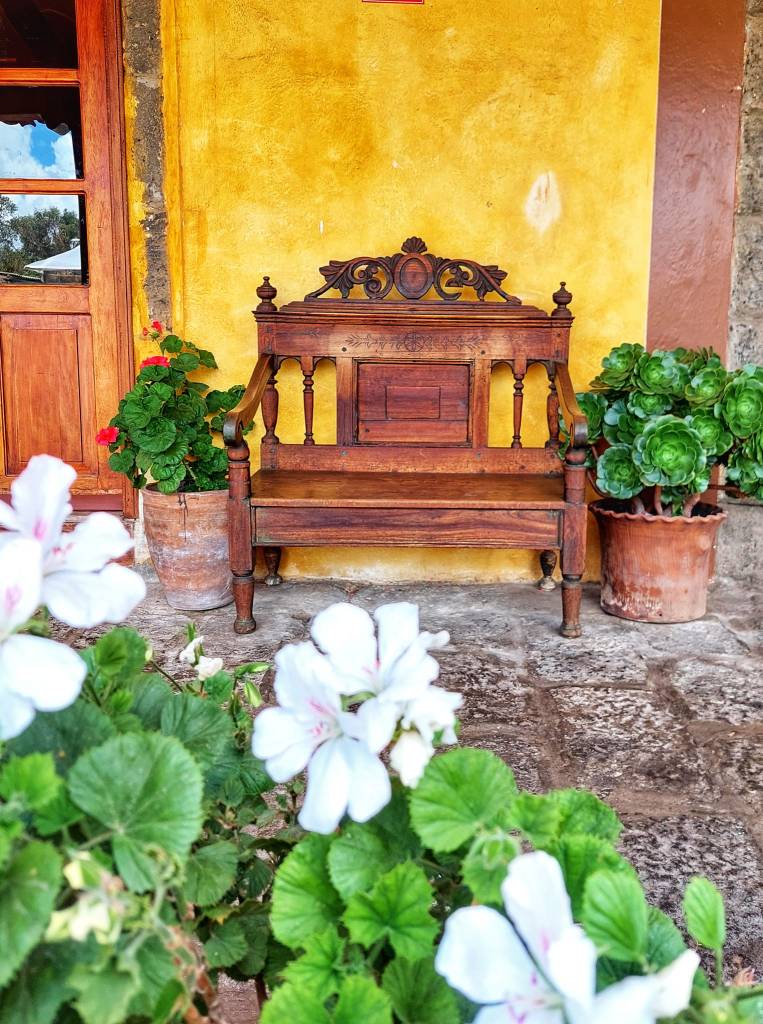
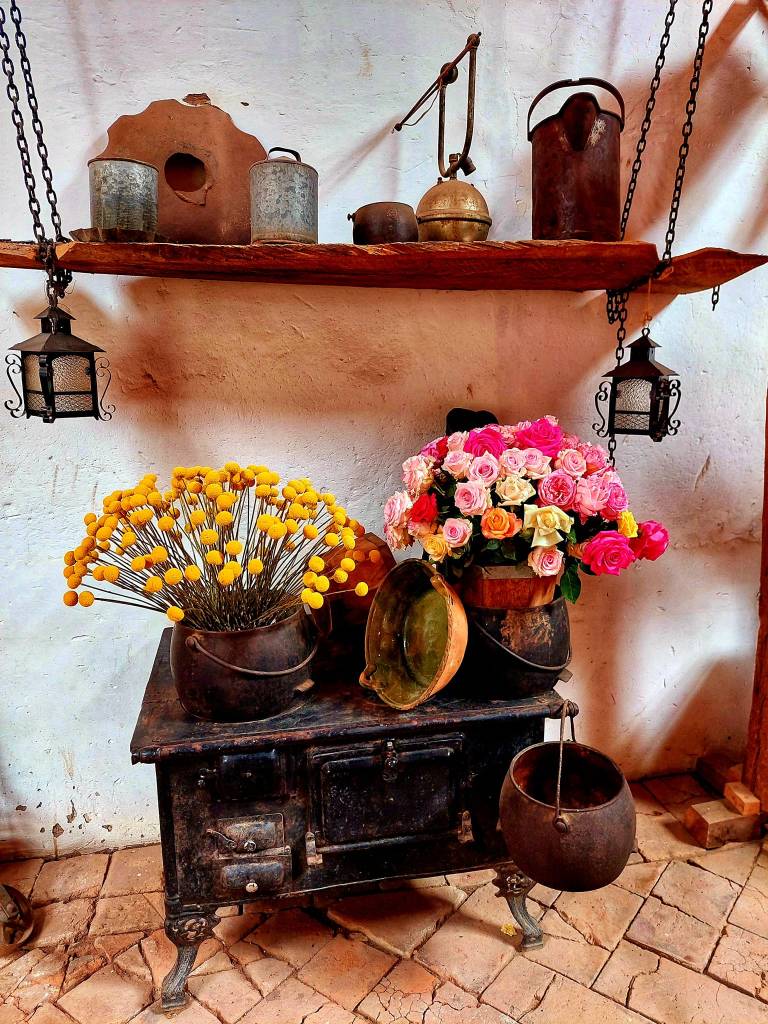
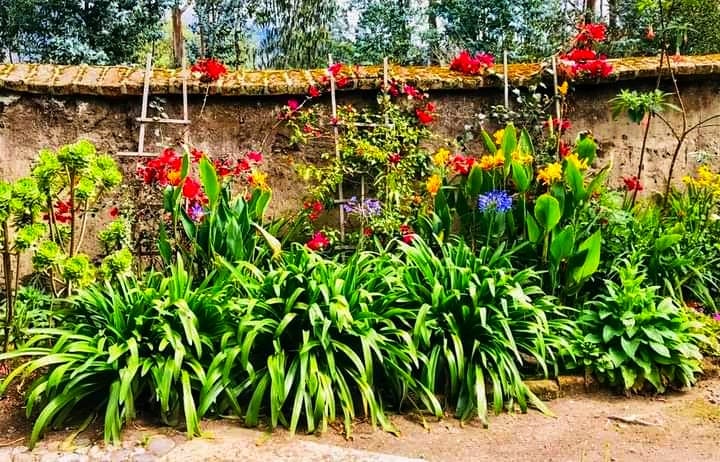
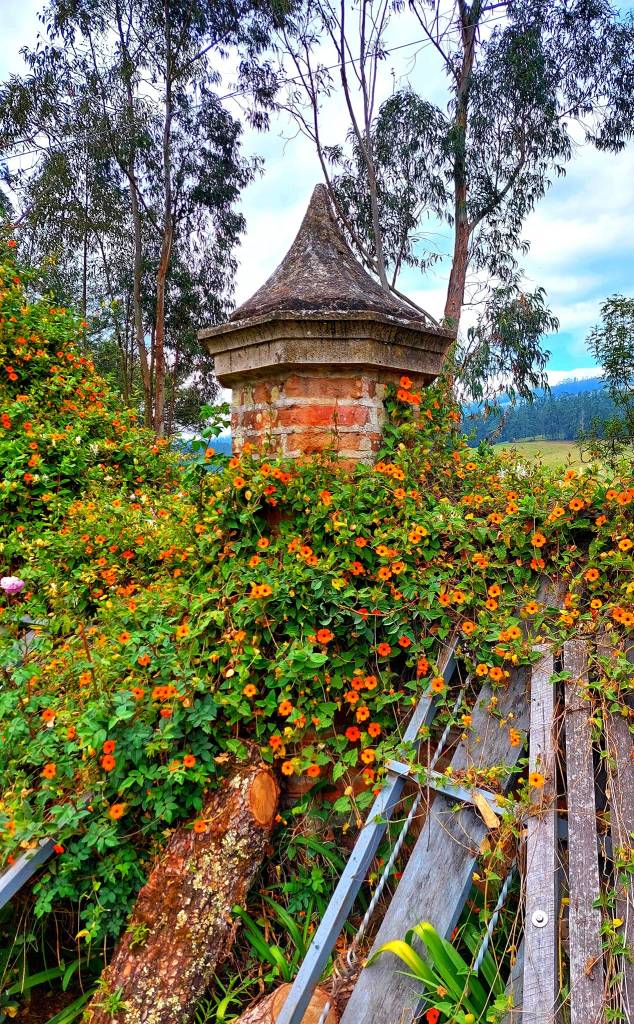
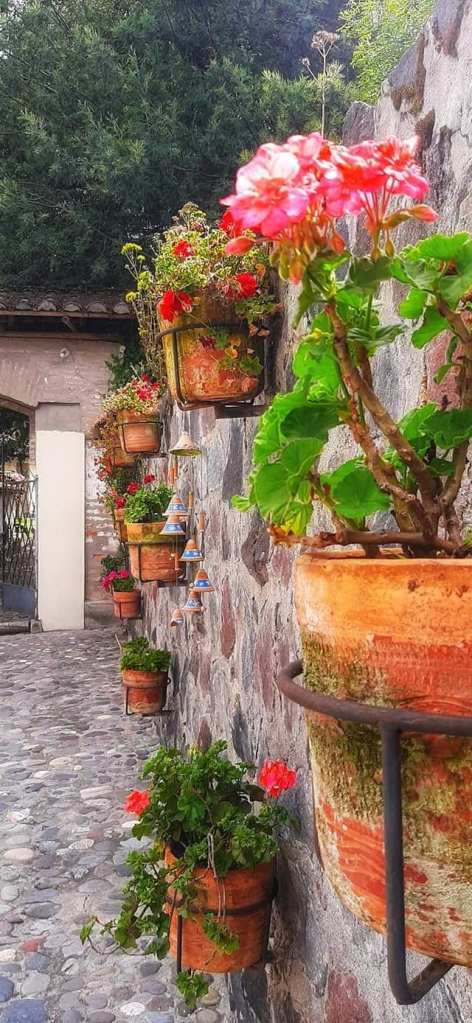
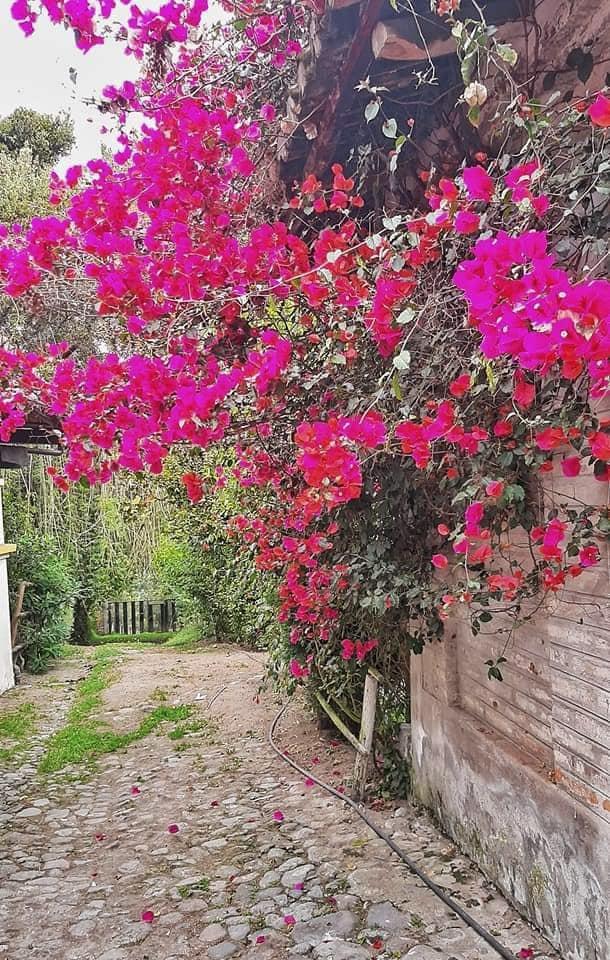
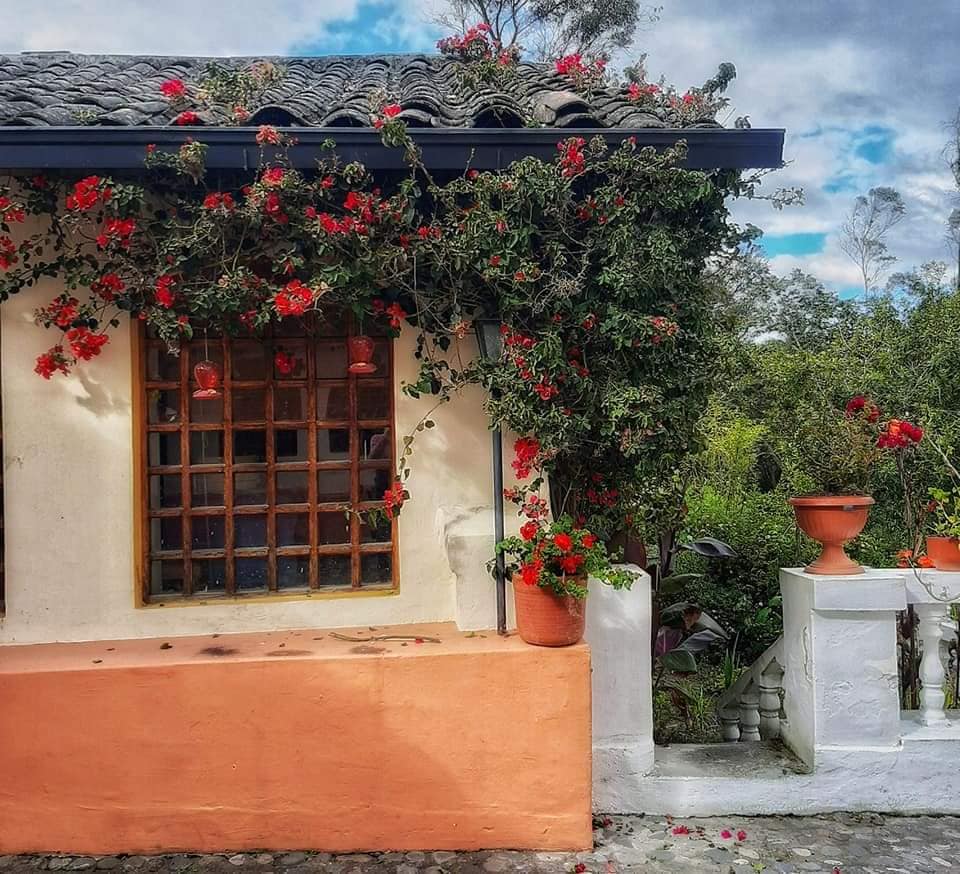
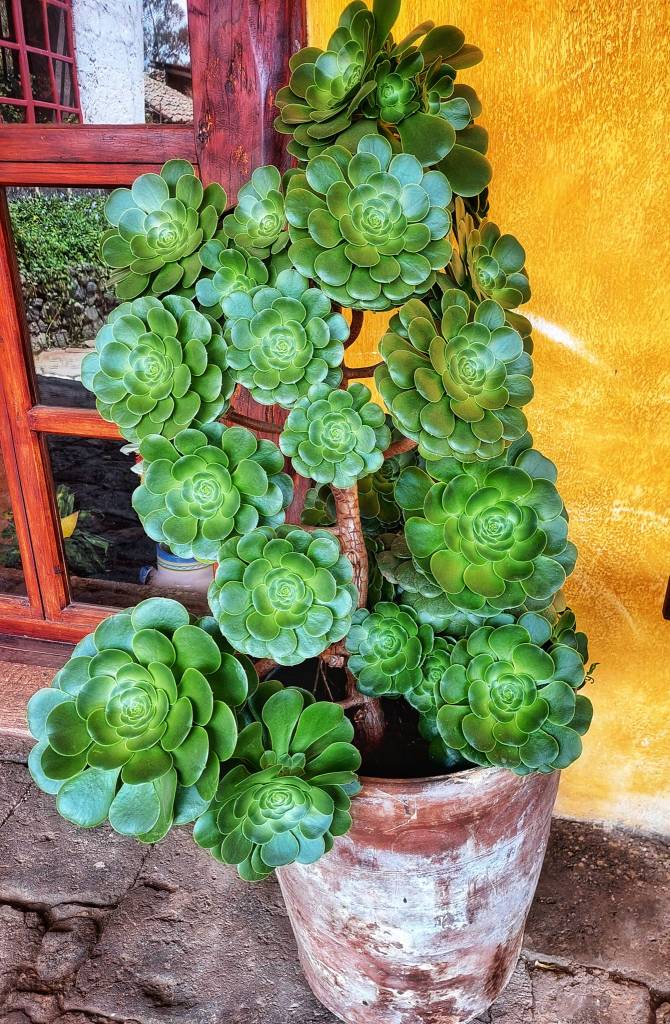
There are gorgeous lush plants and flowers of all kinds all throughout the Hacienda.
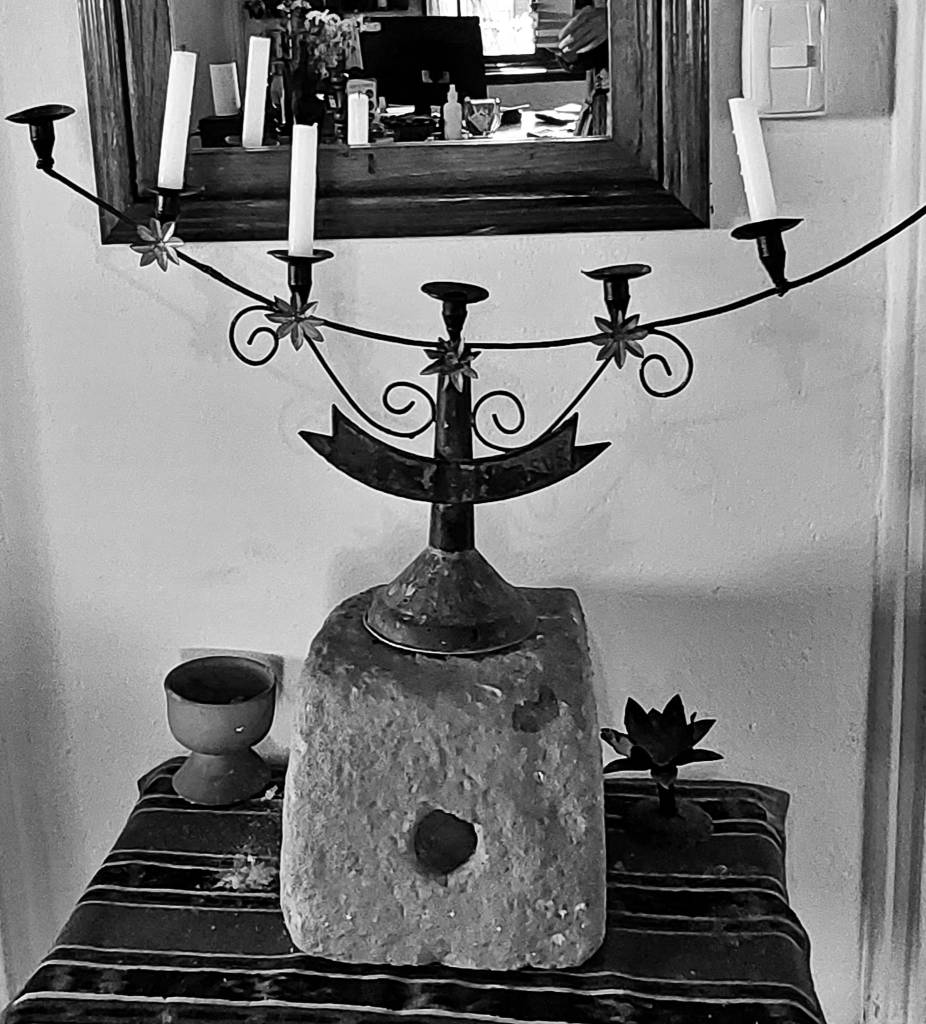
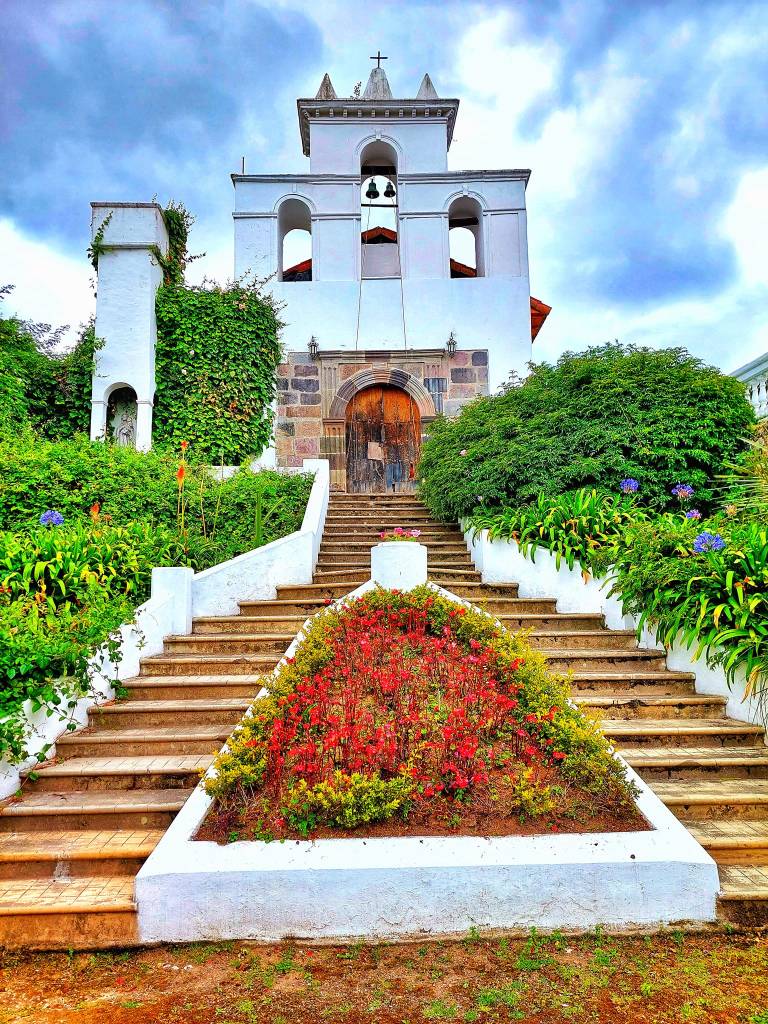
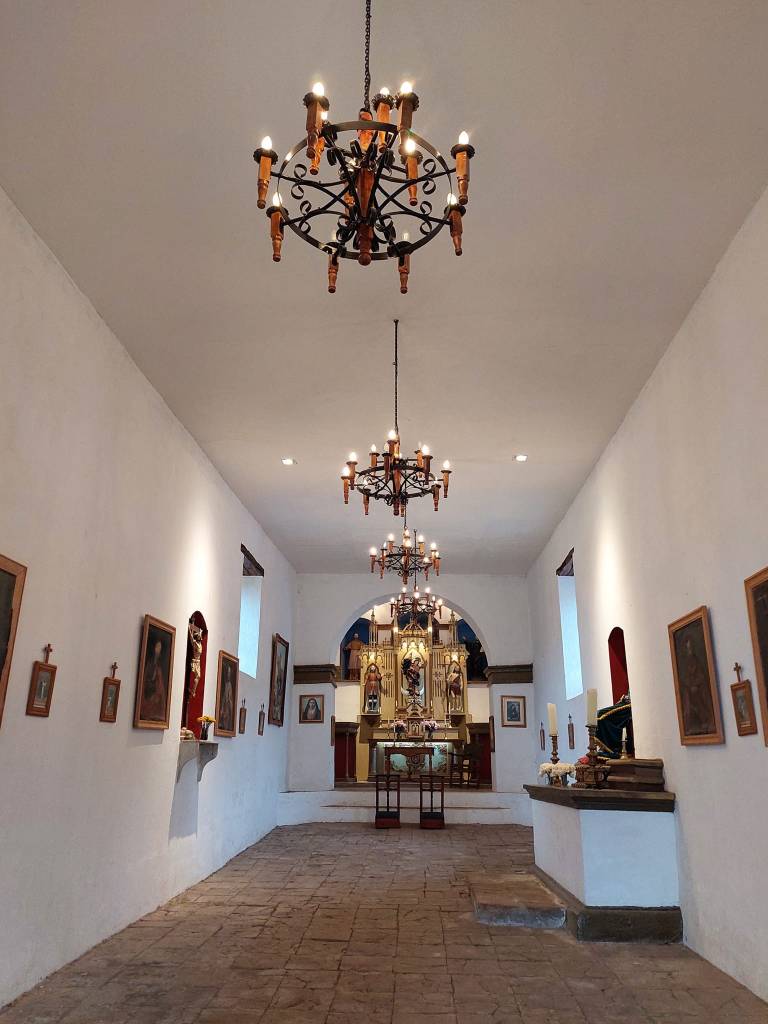
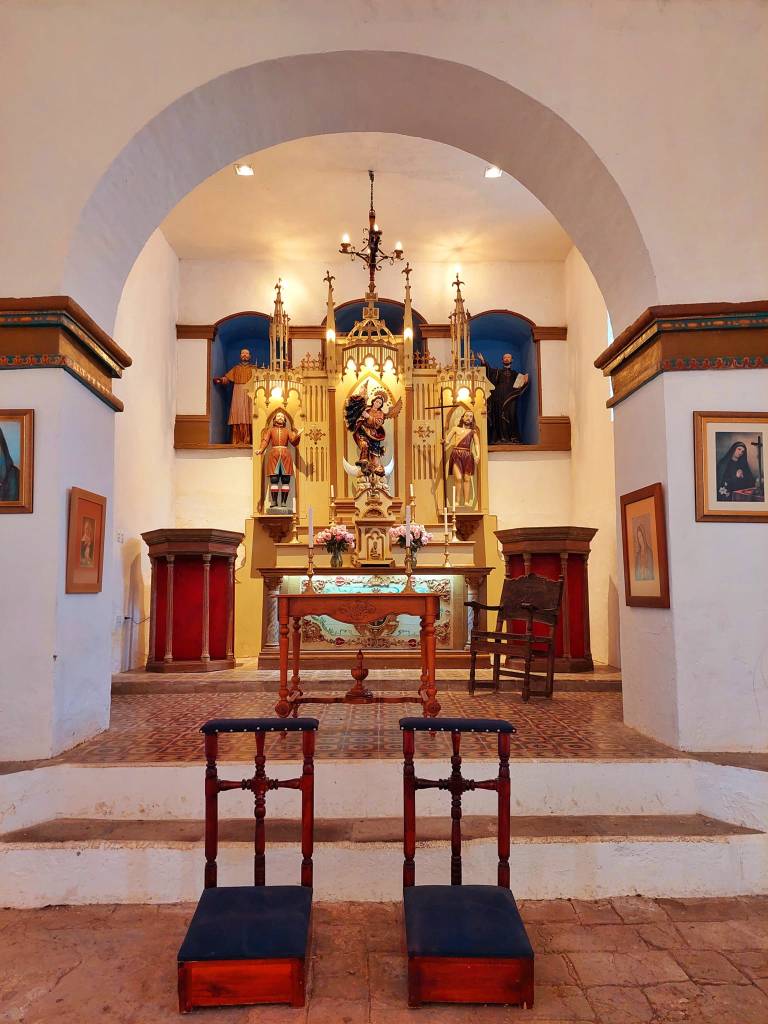
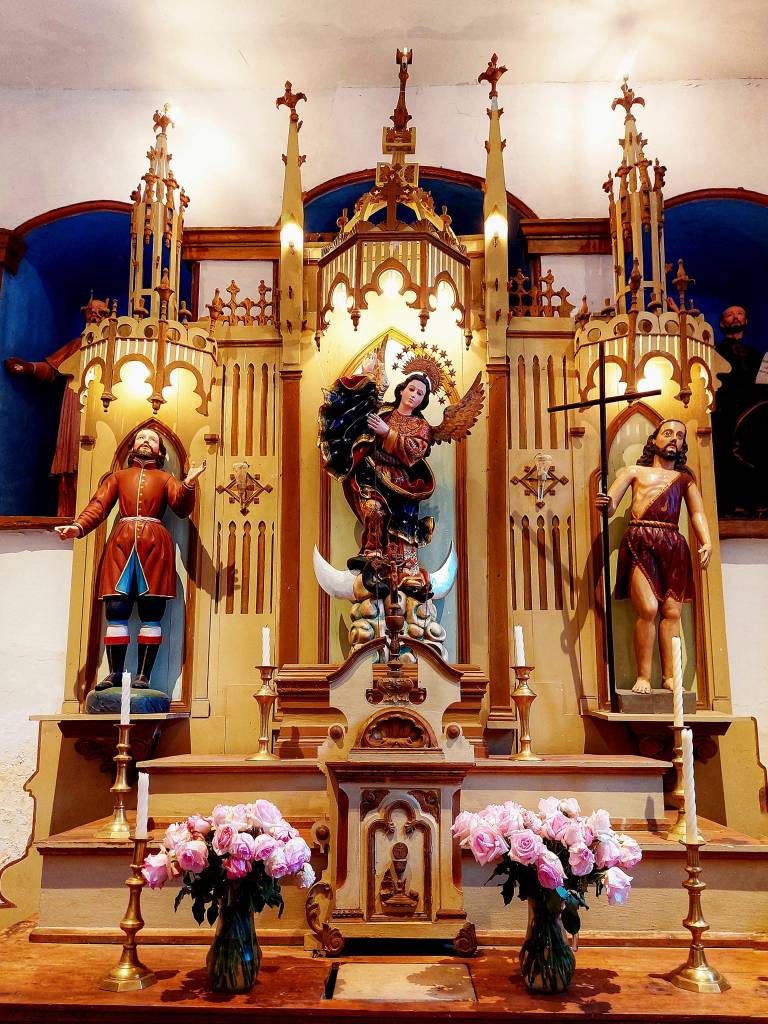
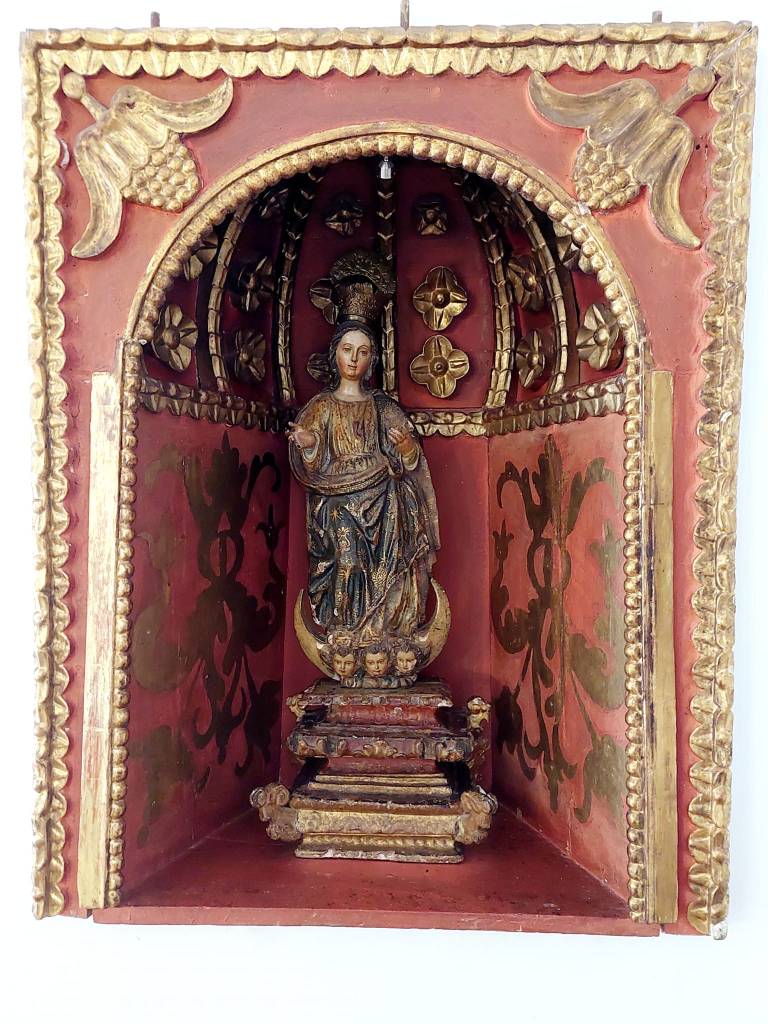
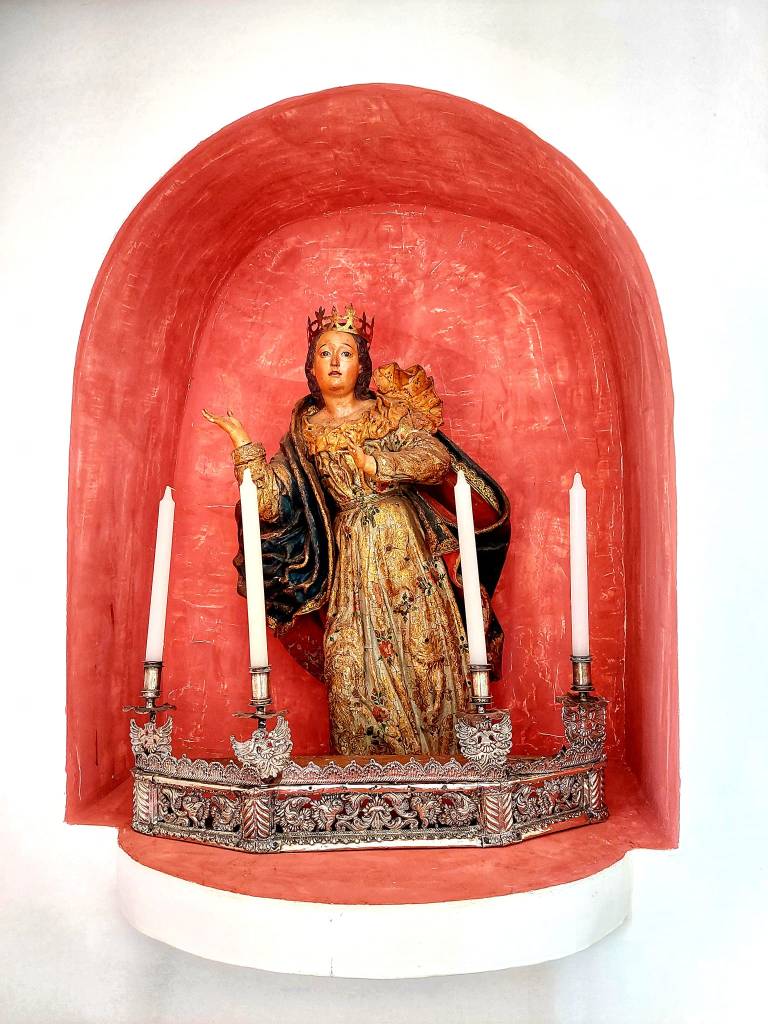
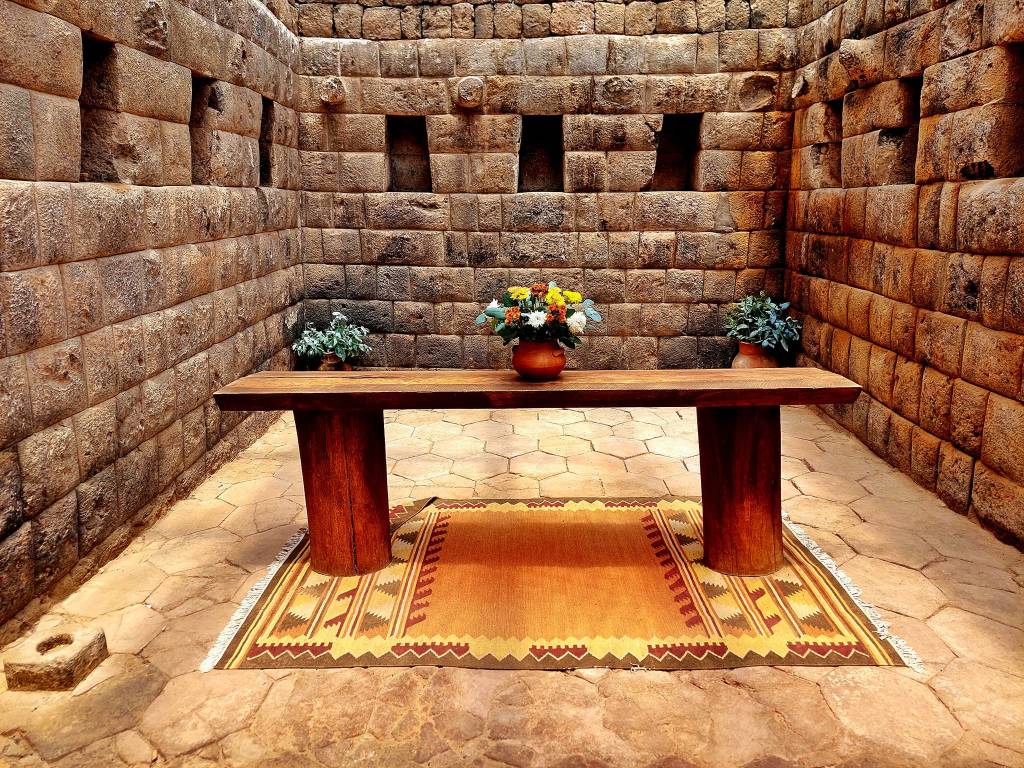
An important part of the property’s history is that in the 15th century this was an Incan fortress/palace, the furthest north from Cusco Peru. The walls of two Incan structures are still very much intact. This room is used as a chapel.
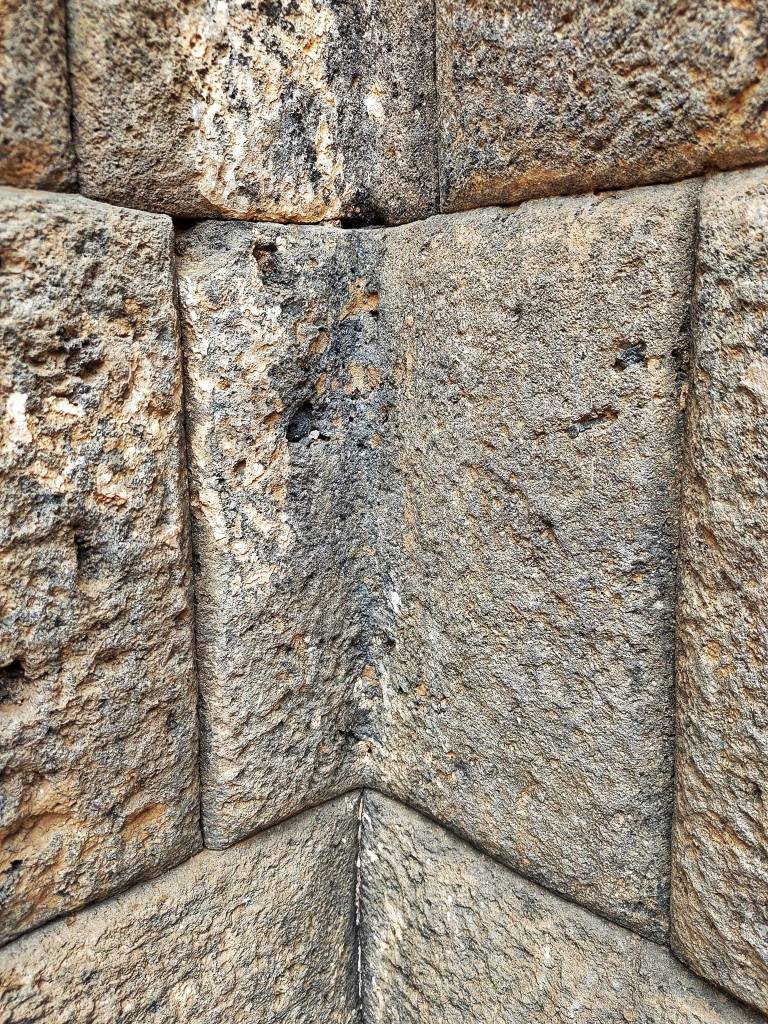
In the corners of the structure you can see the wonder of Incan construction. This corner block is one stone, which was carved and chisled to have a curve built into the stone. On top of it, and beneath it, are blocks set in a normal pattern, at right angles to each other. This pattern is followed up and down the wall in all of the corners. It is this amazing Incan construction from the 15th century, which has kept these structures intact, when whole towns in this vacinity of several Cotapaxi eruptions have been completely leveled!
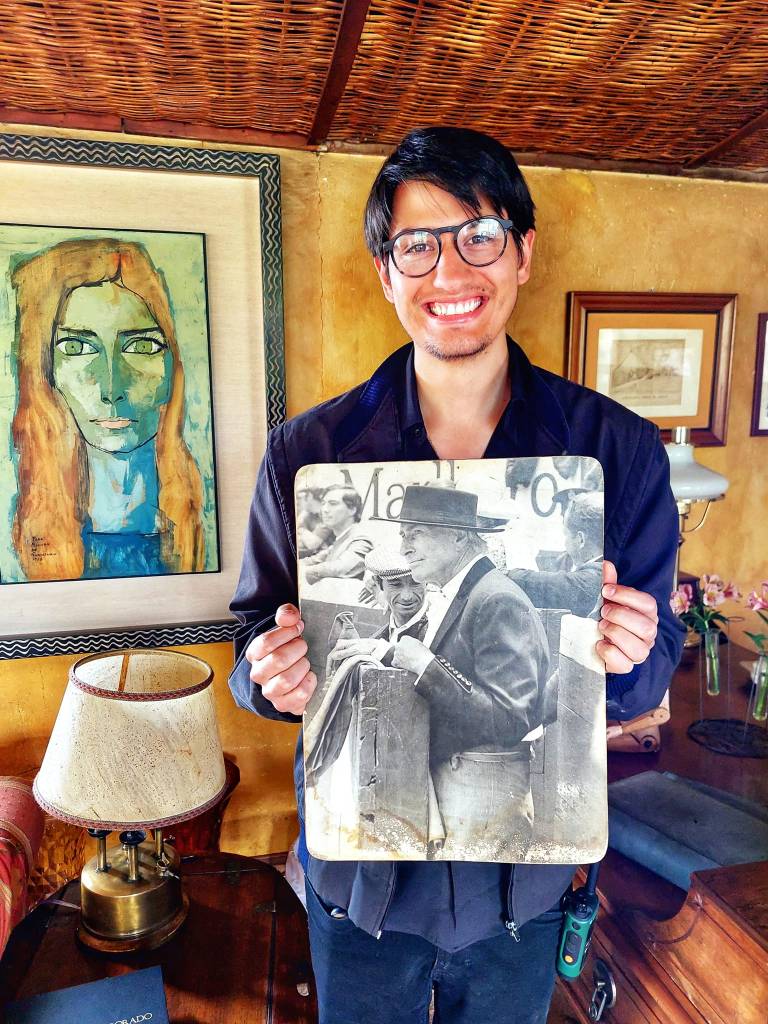
In 1921 the Hacienda was purchased by General Leonidas Plaza Gutierrez who was President of Ecuador in 1901 and again in 1912, a position which his son Galo Plaza held in 1948. This young man is Leonidas Plaza Nieto, holding a photo of his grandfather Jose Maria Plaza, a congressman and amateur bullfighter
Welcome to the Hacienda!
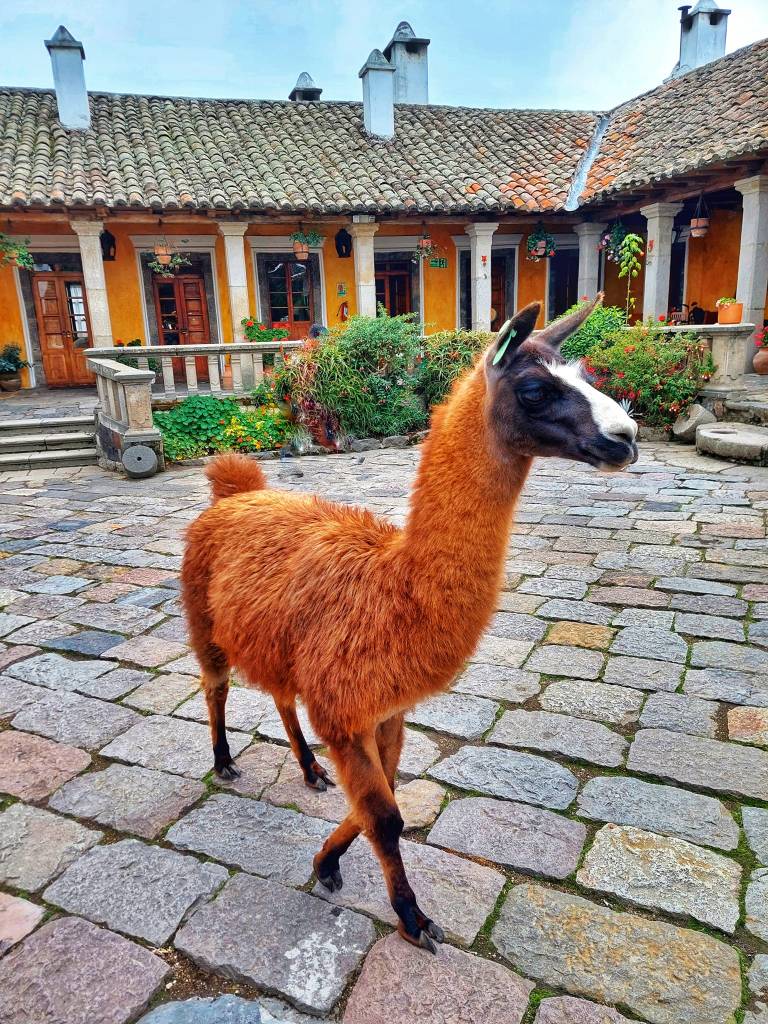
There is a small herd of llamas on the farm, and you will be able to feed them and get up close and personal with them! 
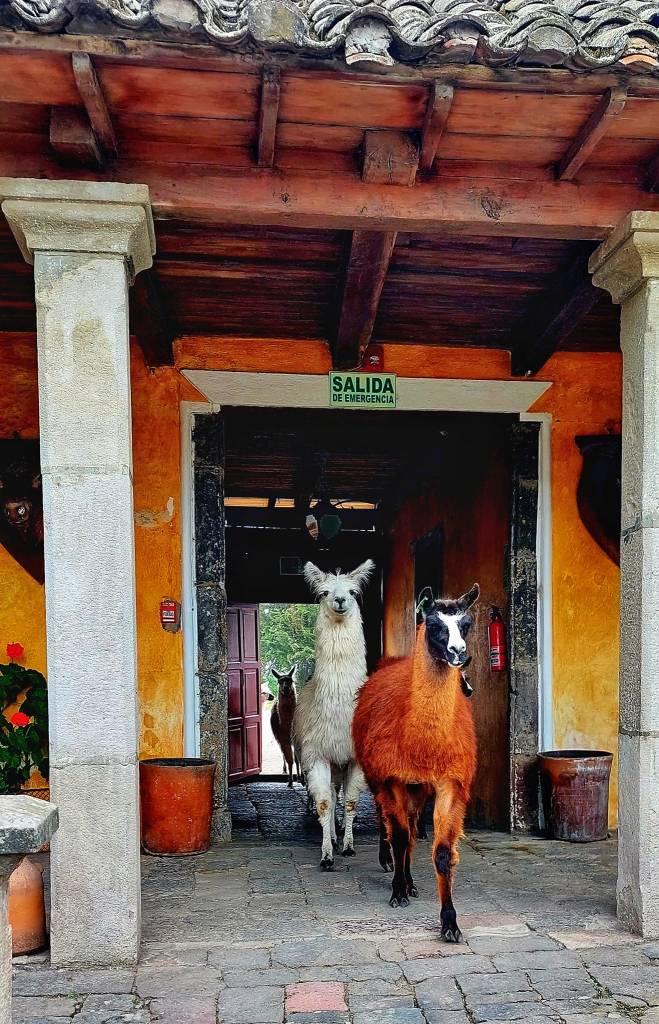
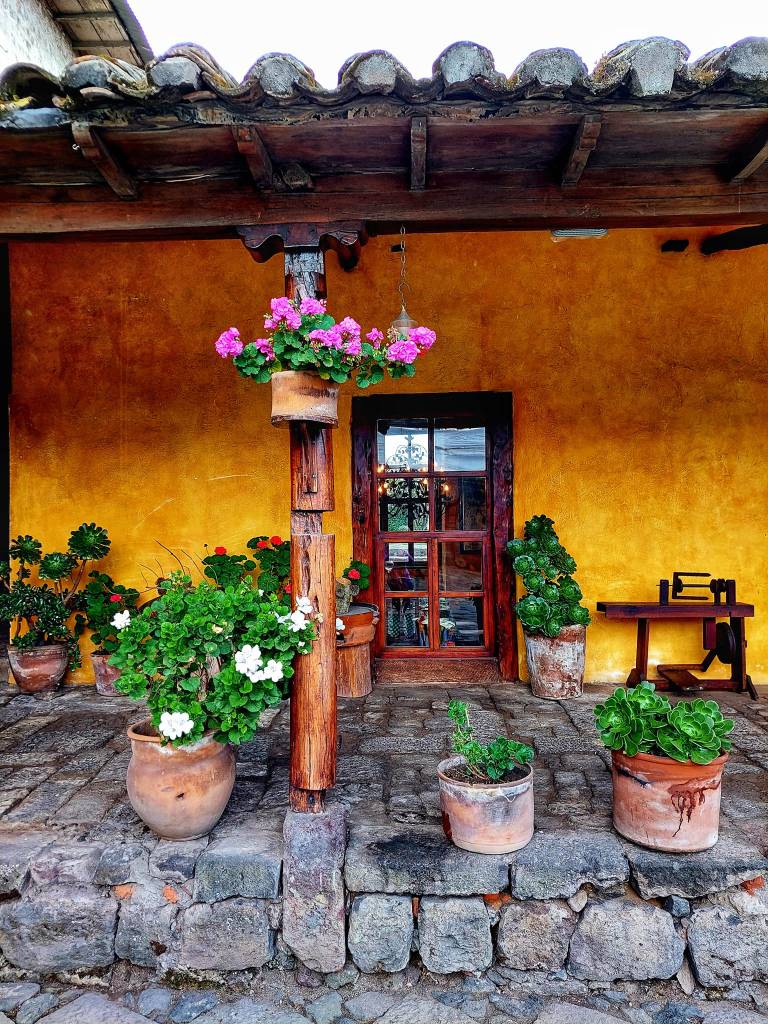
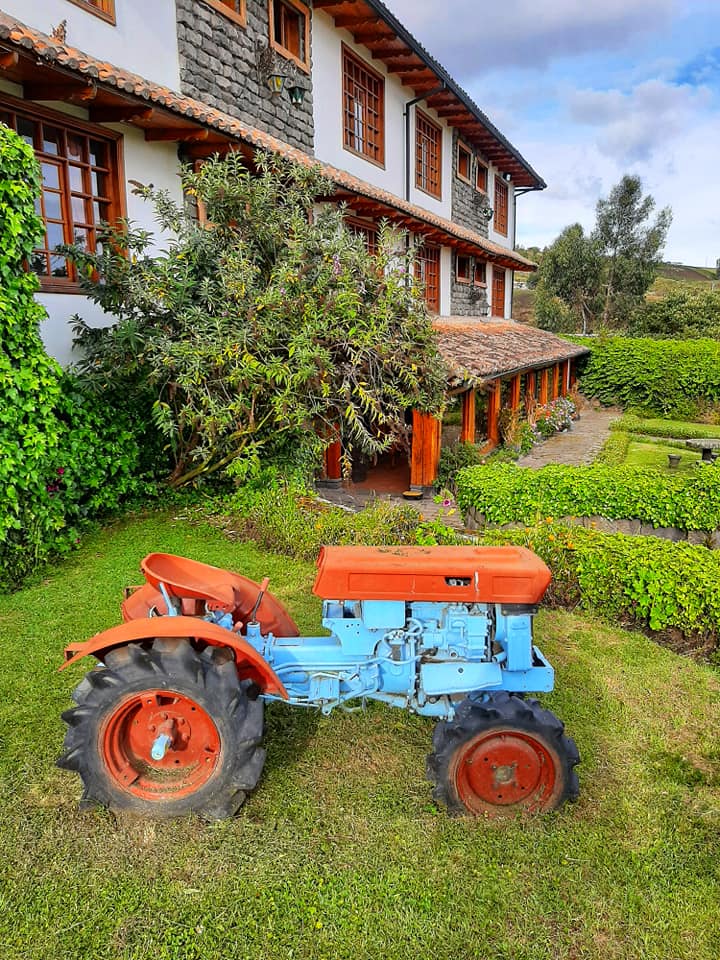
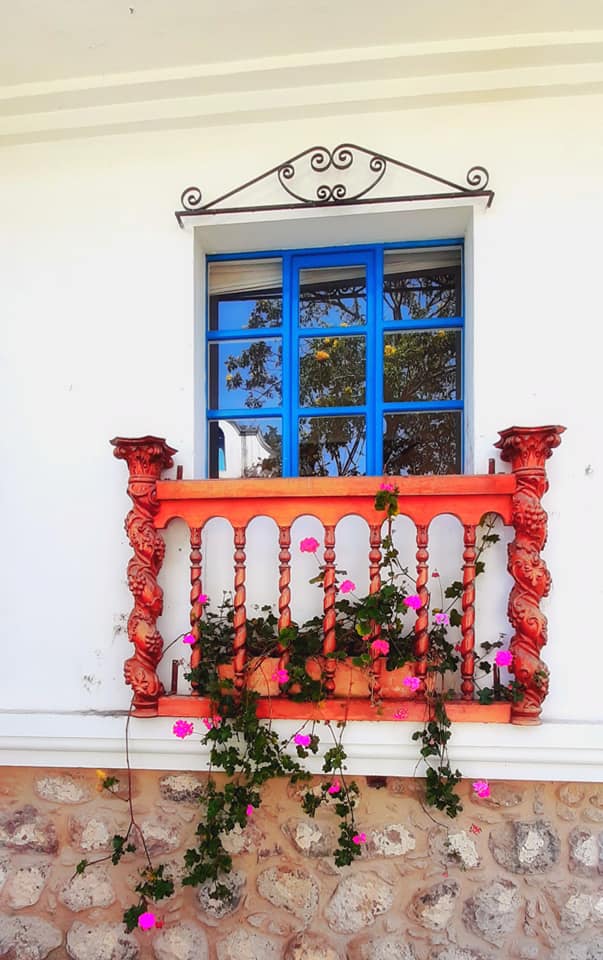
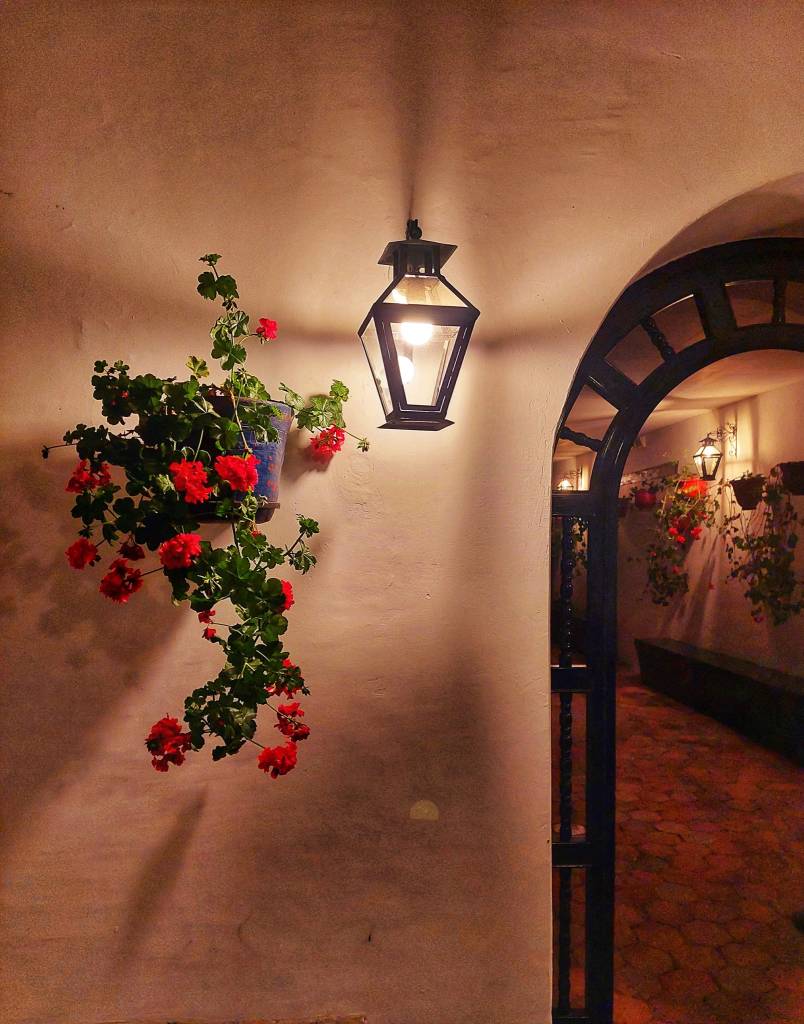
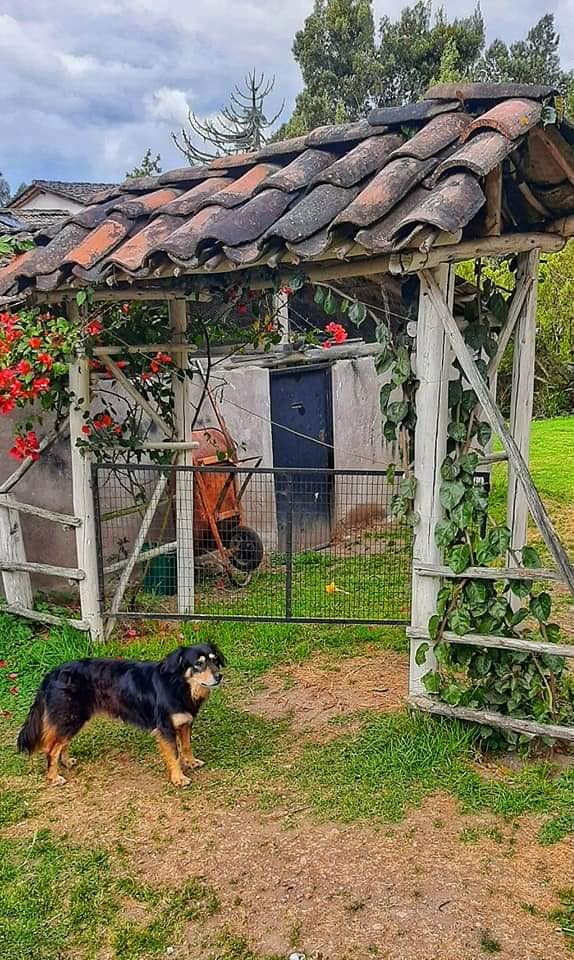
A large barn/workshop allows geraniums to peak through.
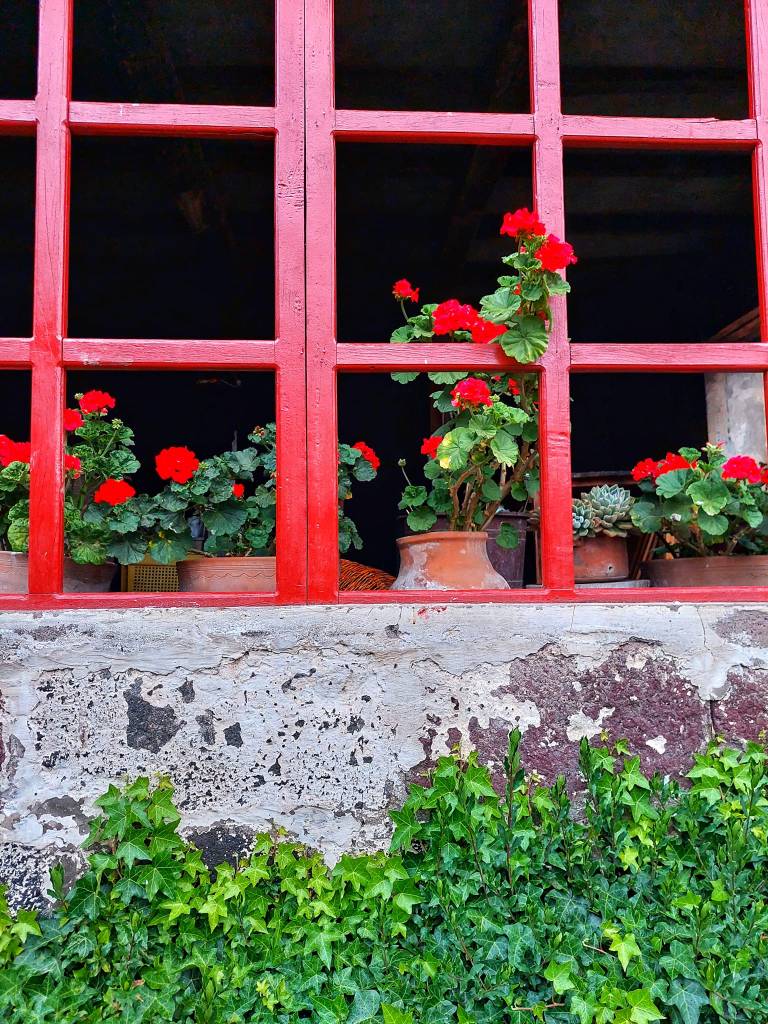
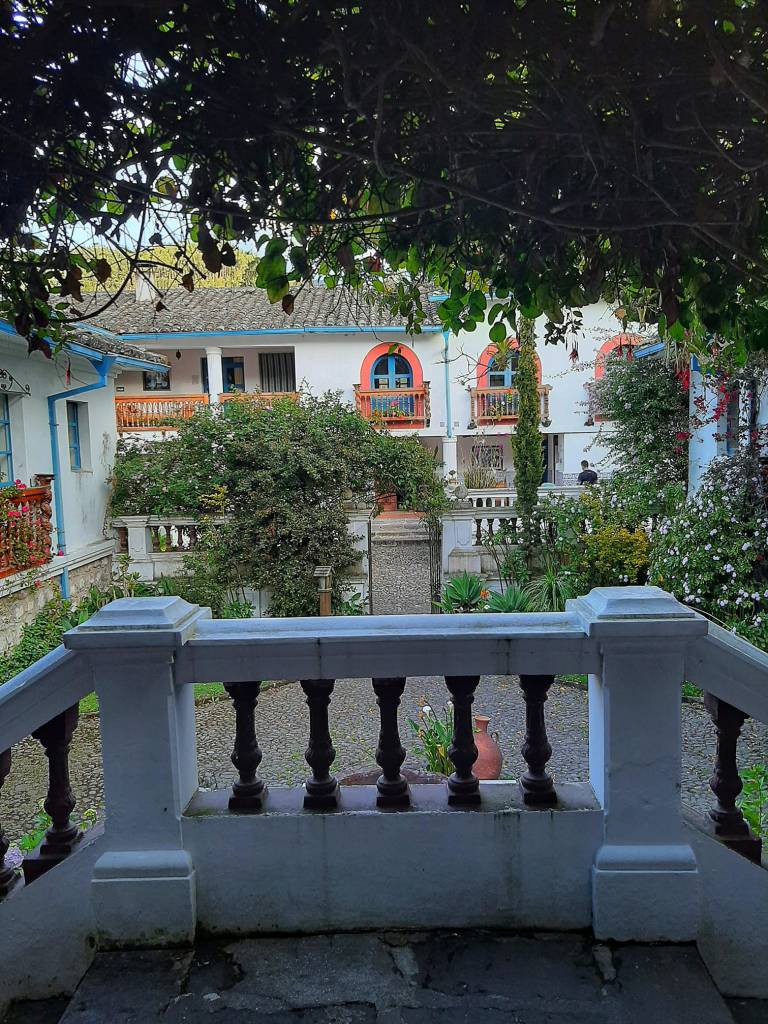
This is from the back yard of the Hacienda, going out to lovely gardens.
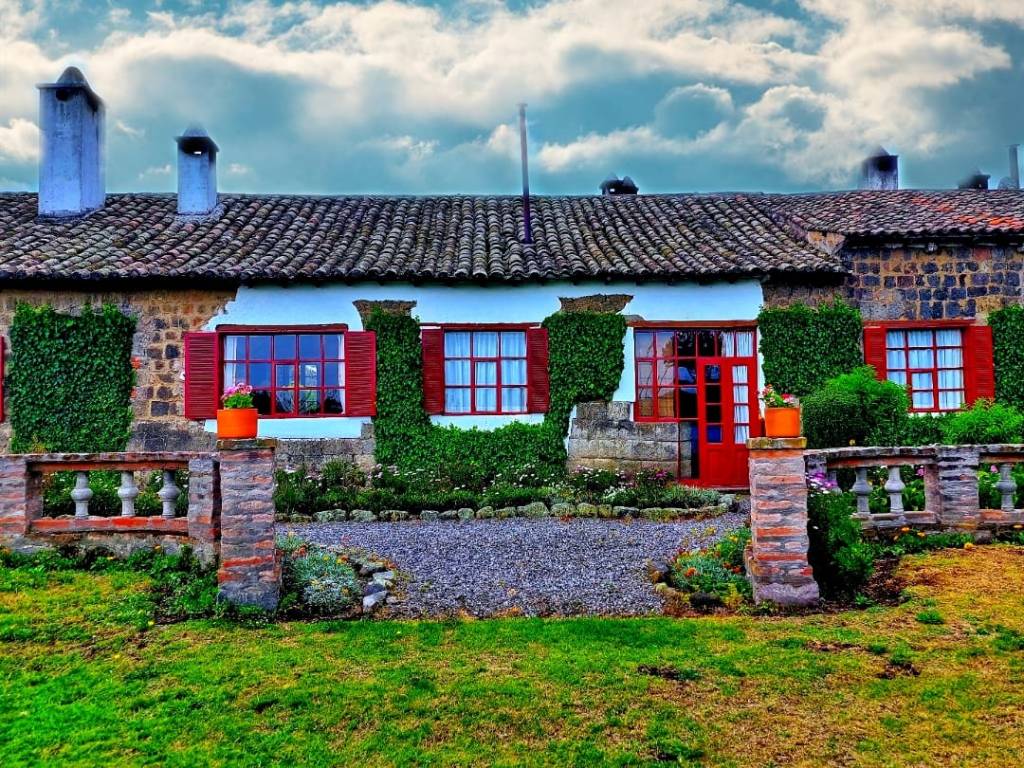
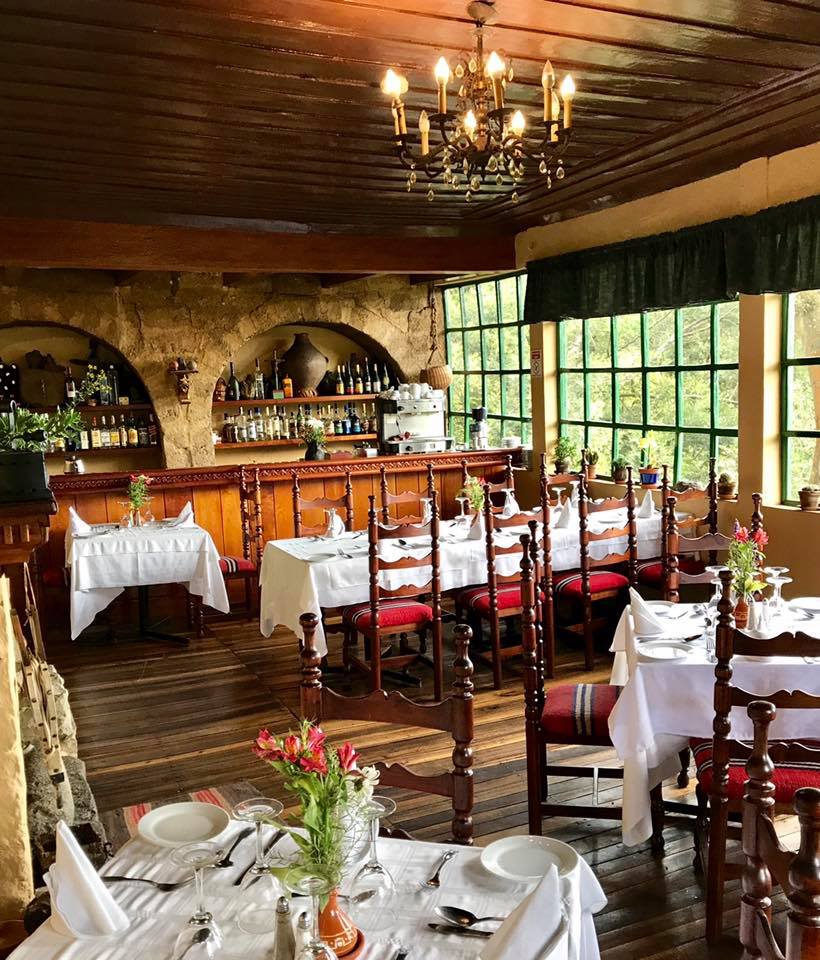
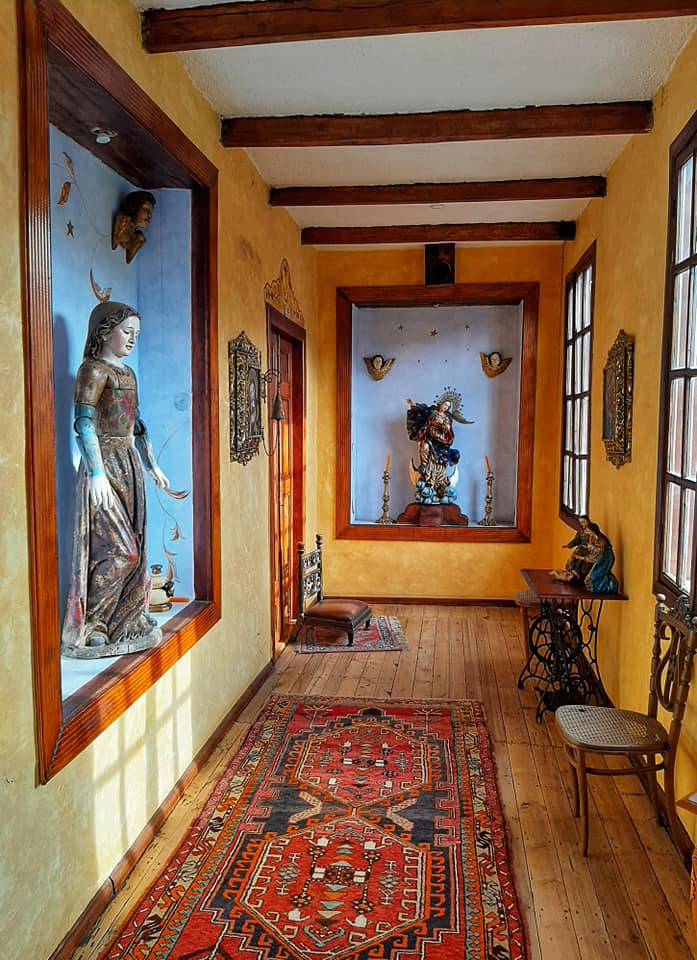
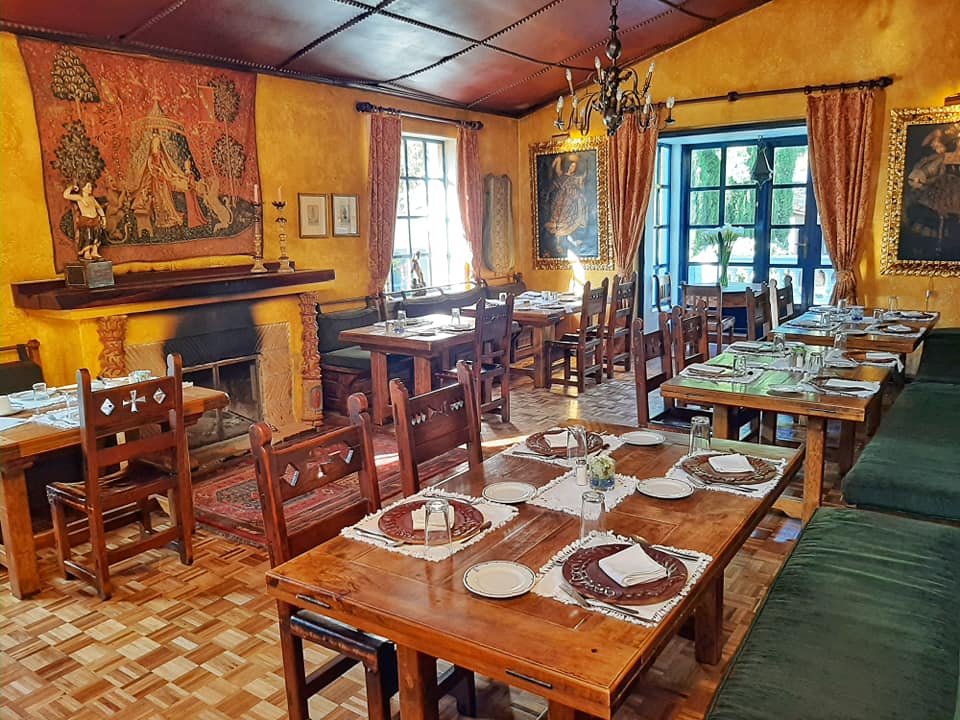
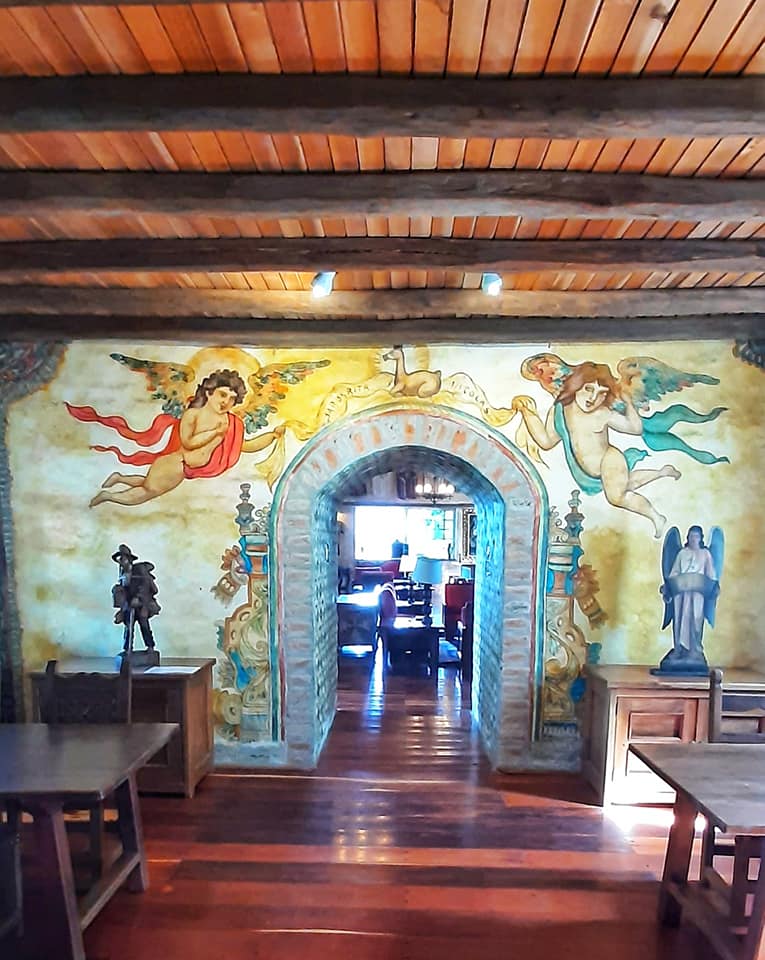
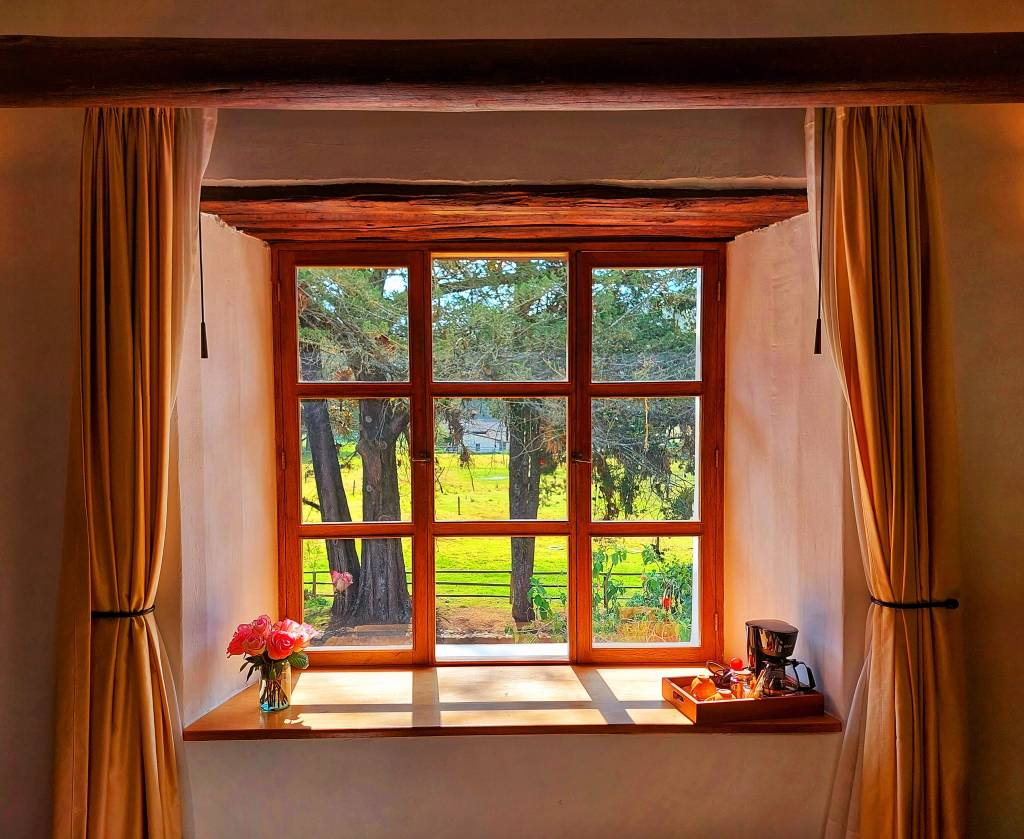
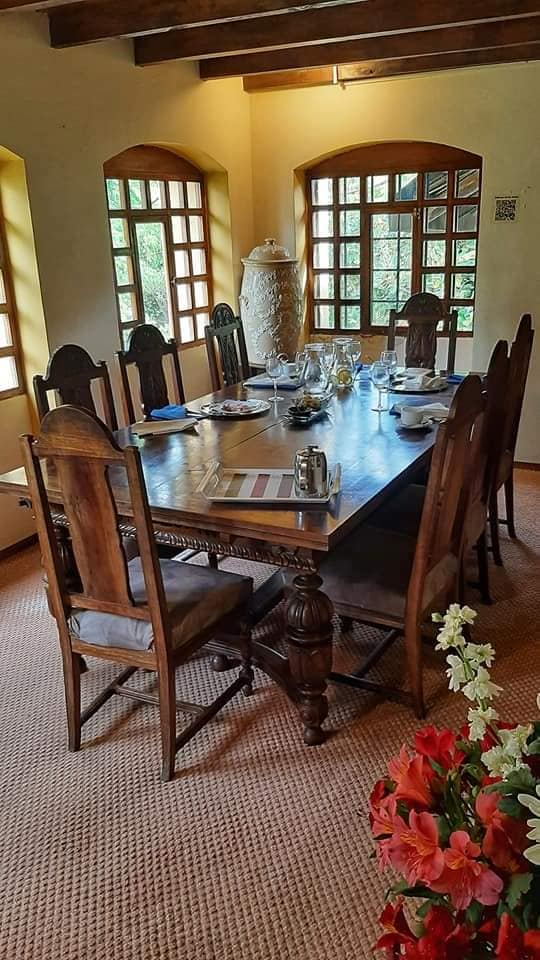
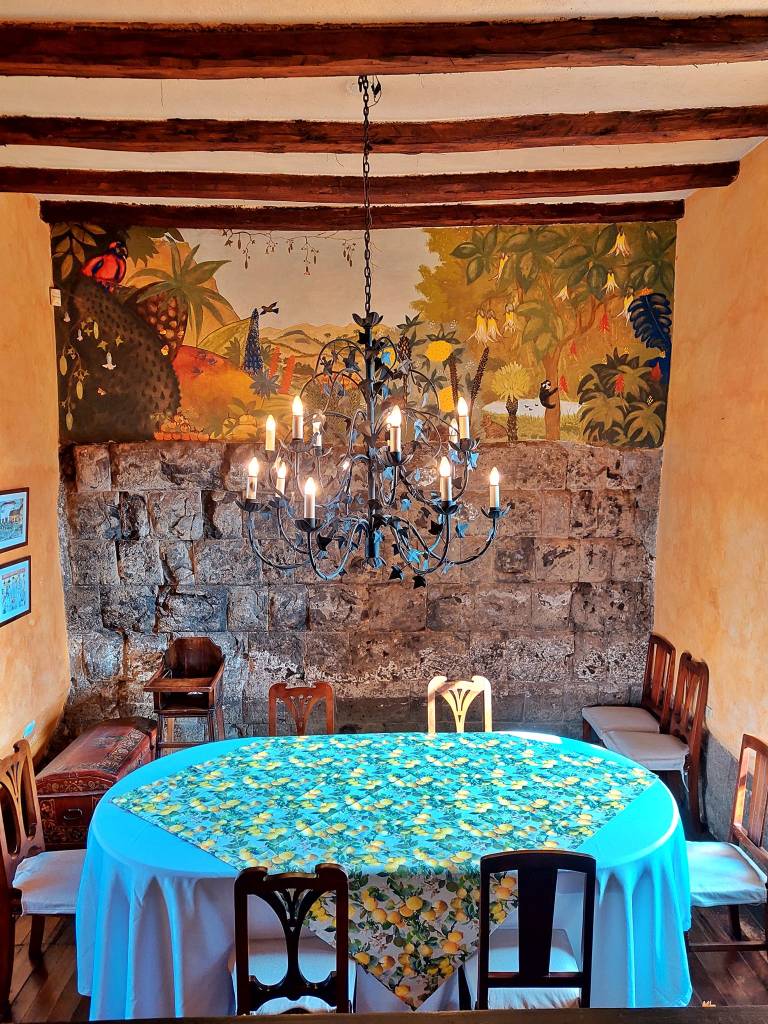
A sunny breakfast room welcomes you for breakfast and lunch. Again, murals and Incan stones are throughout the Hacienda.
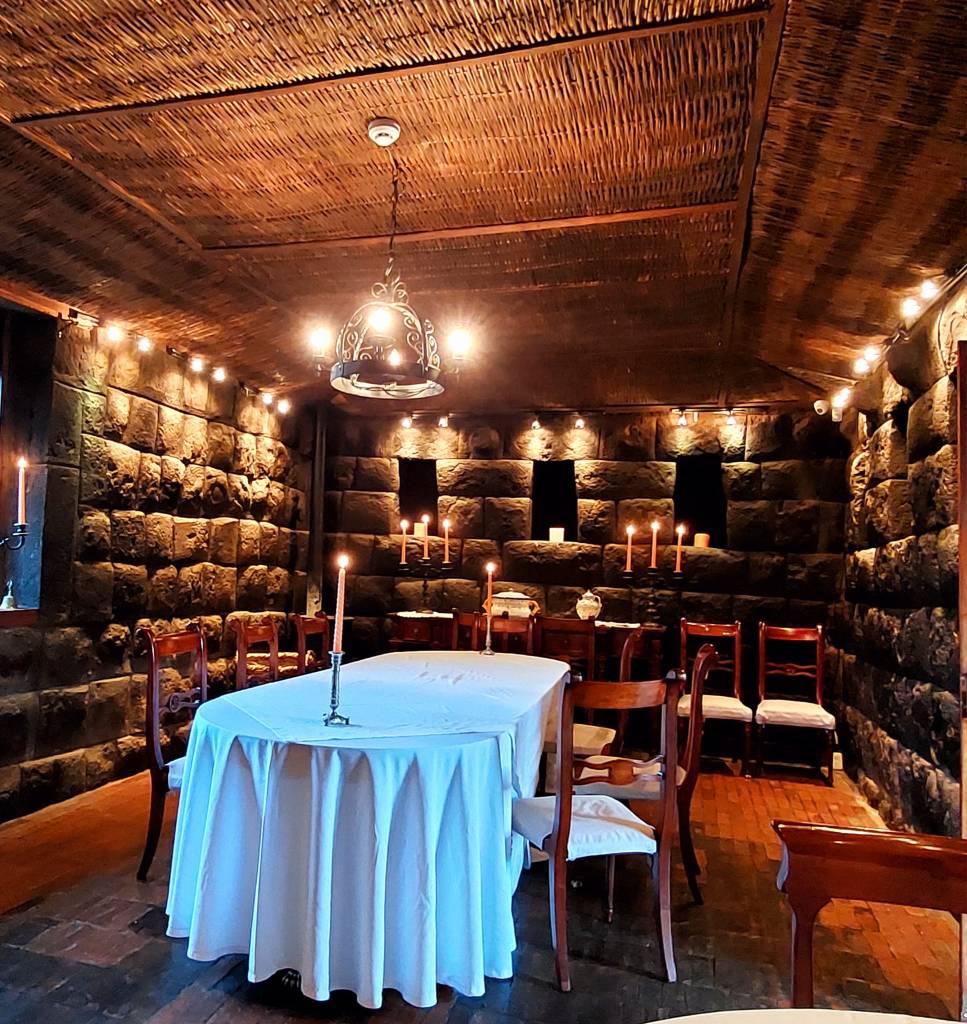
Dinner is served within one of the two Inca stone rooms which have survived the centuries.
The niches are believed to have held statues of the Incan gods. The interior reeded ceilings are constructed to contain the heat.
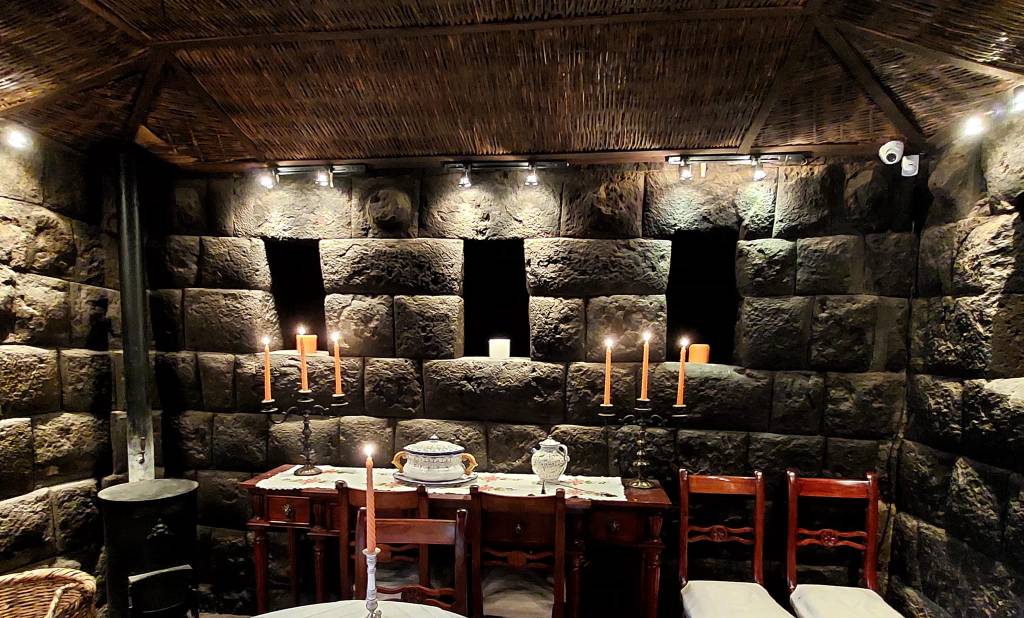
It is a truly unique one of a kind setting for your tasteful, delicious dinner! The Hacienda is also available for visiting and dining without staying overnight, but reservations must be made in advance.
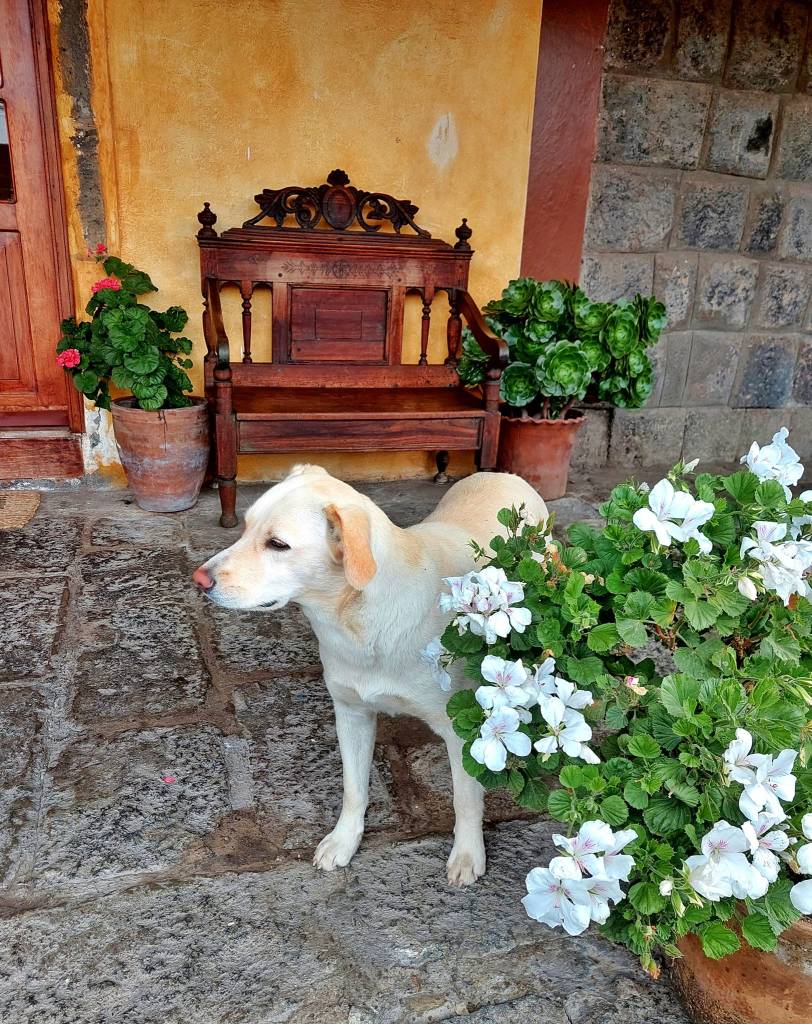
This is Lady Gaga. She rules the Hacienda! (as Lady Gaga would!)
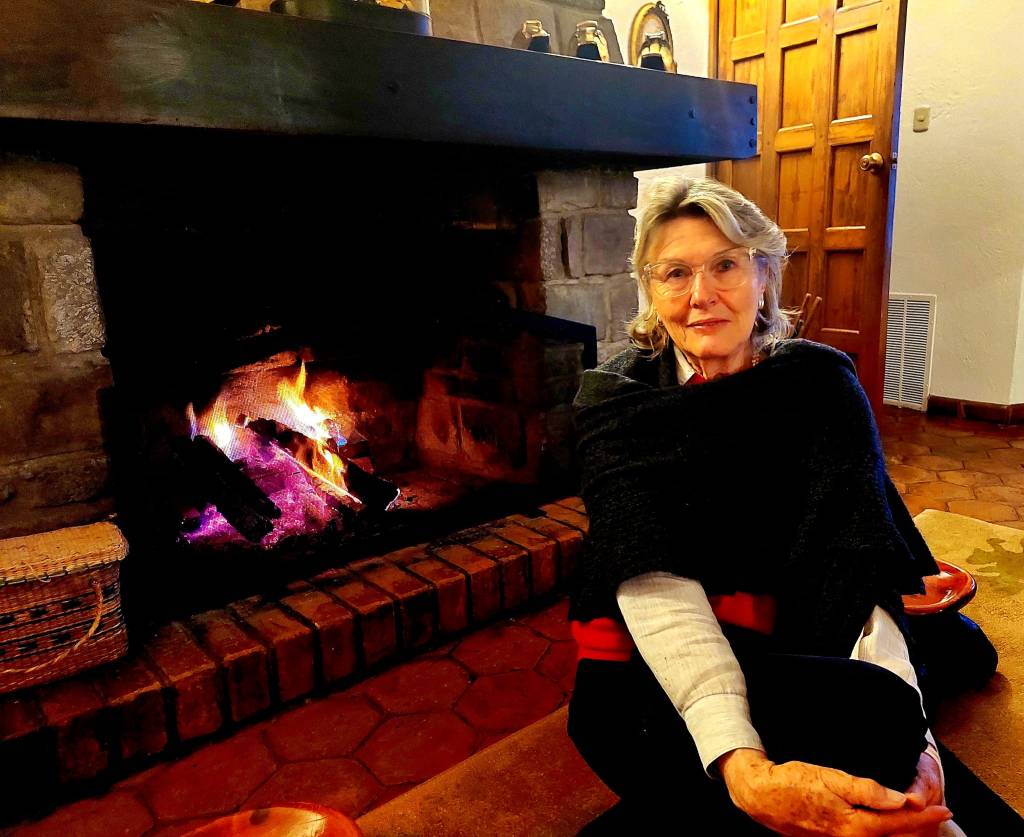
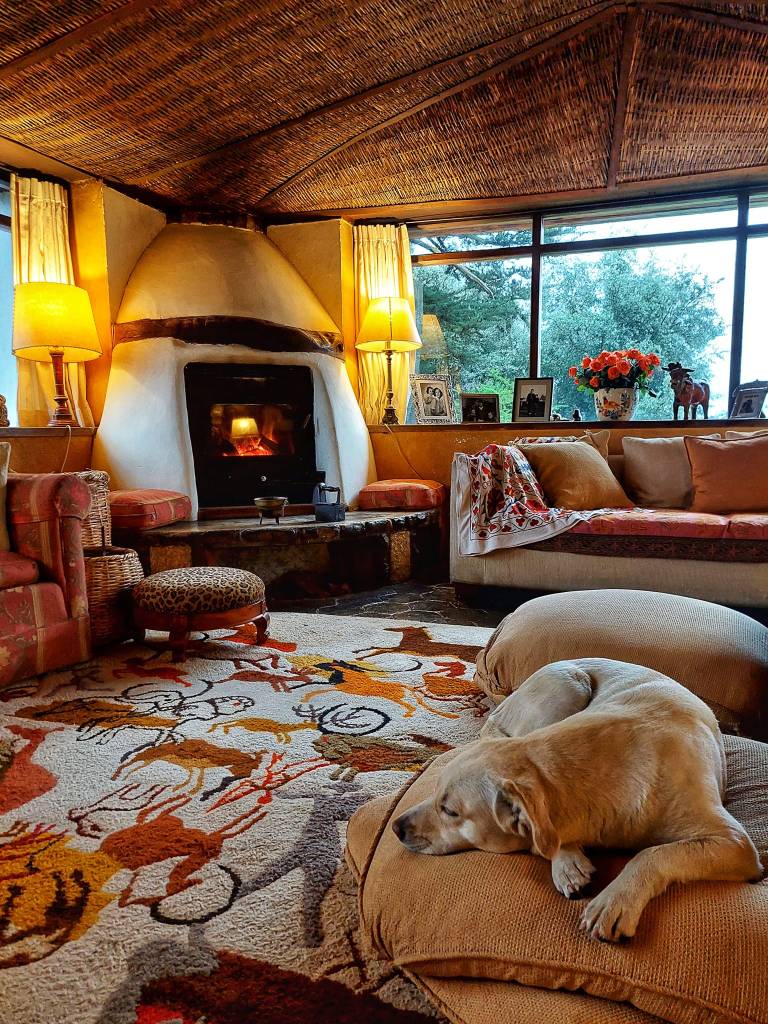
Sitting in front of the fireplace with Lady Gaga, is a very cozy experience!
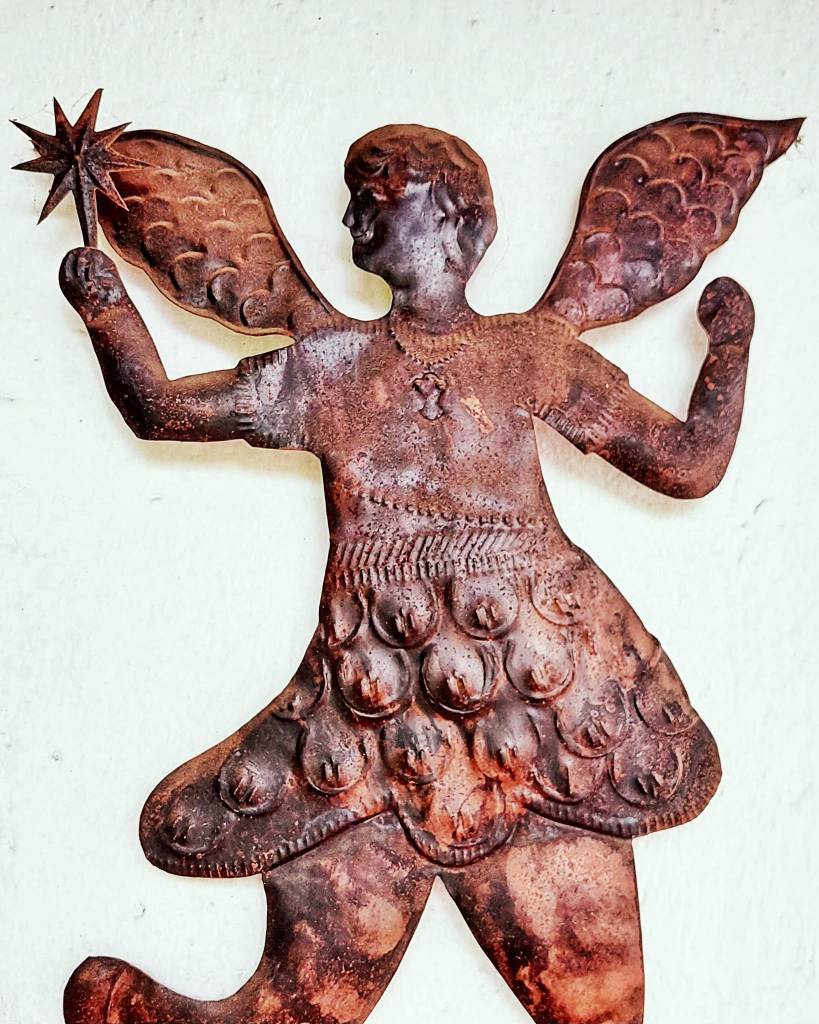
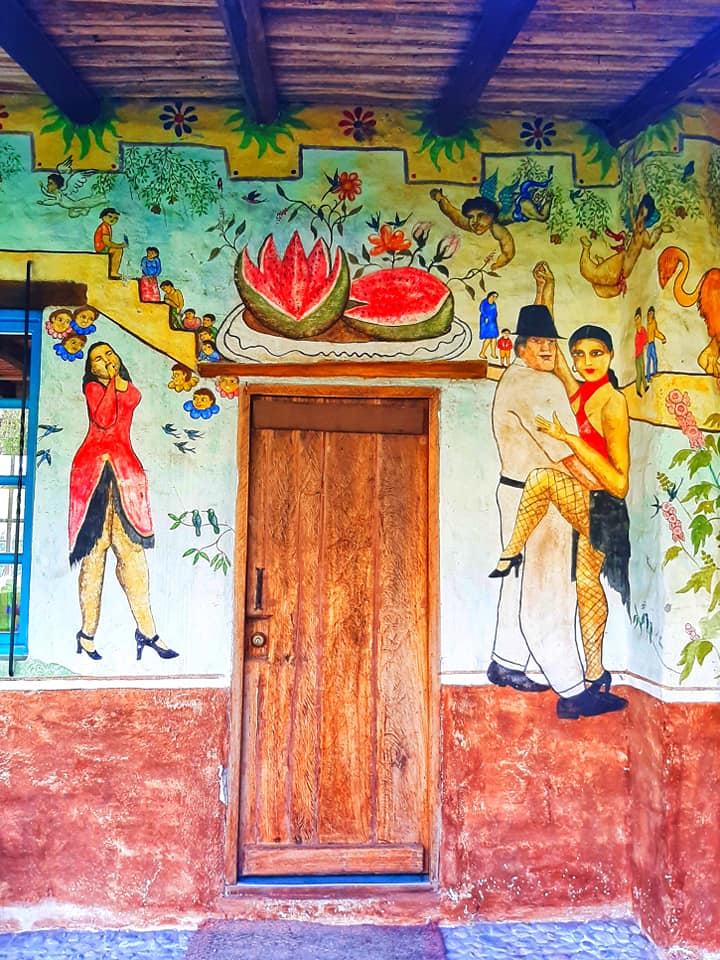
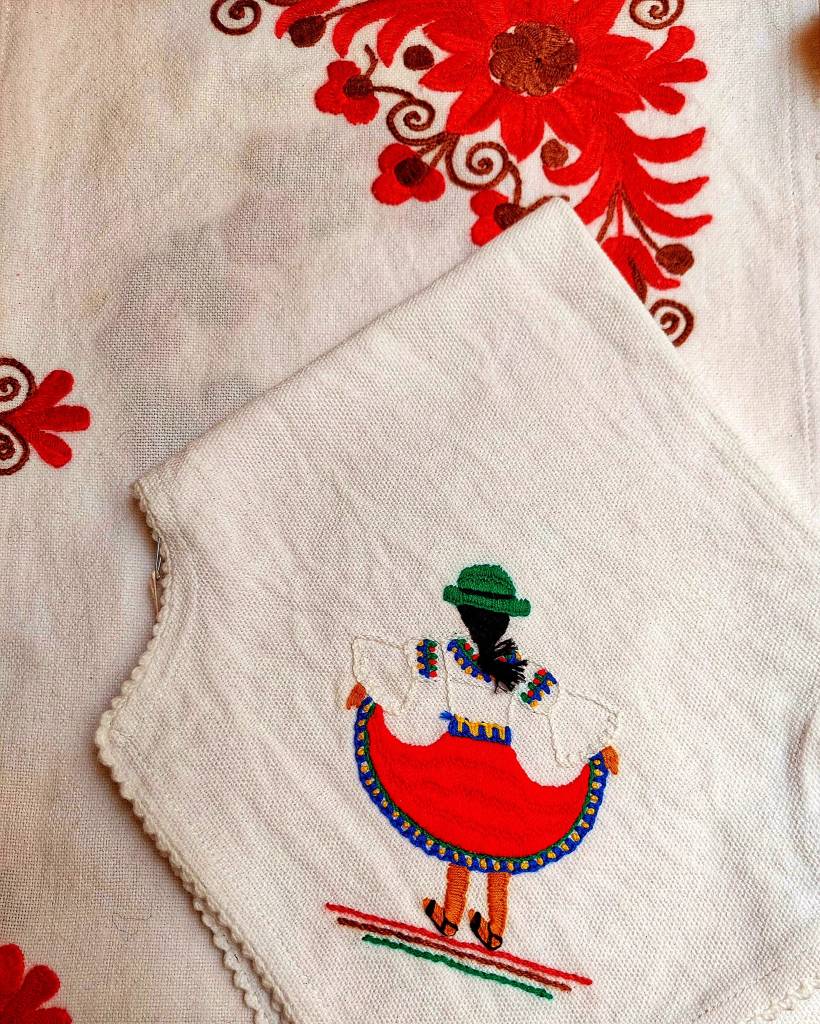
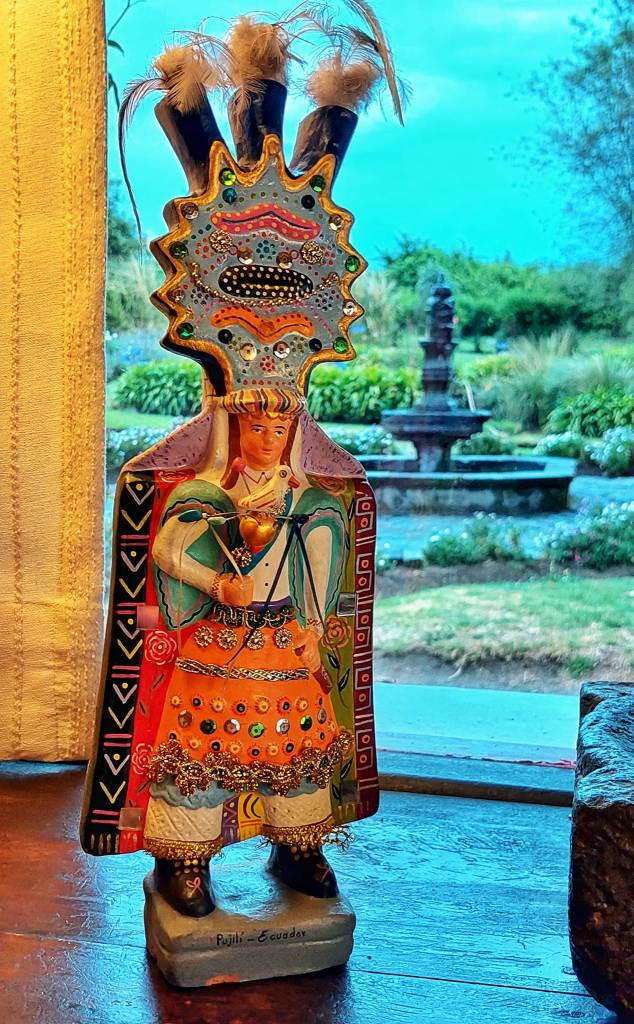
A Cotapaxi folklore figure, Danzanito.
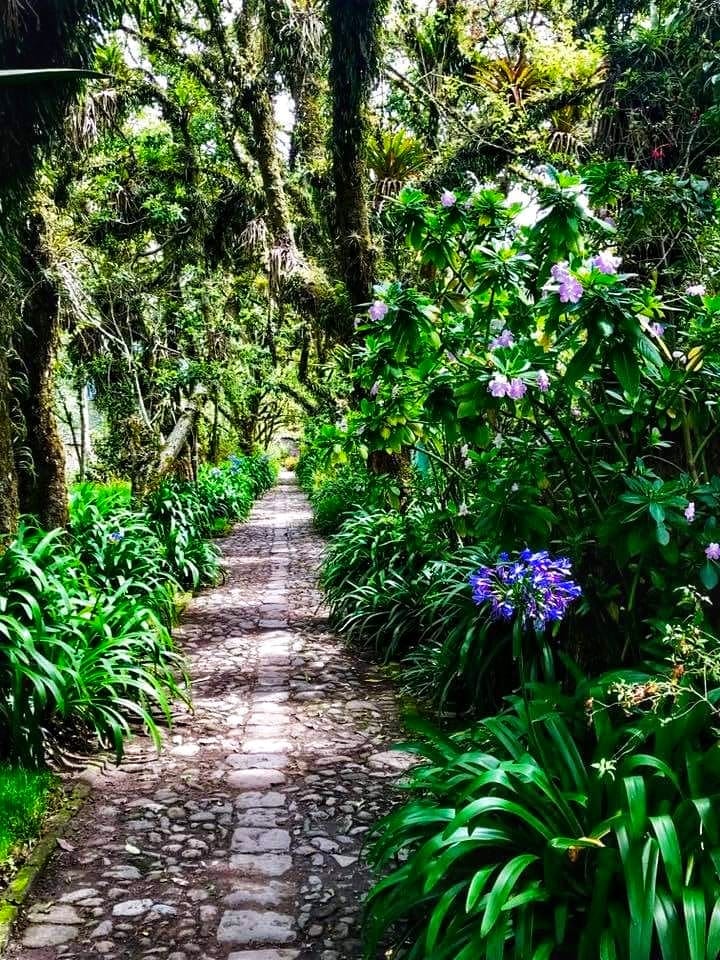
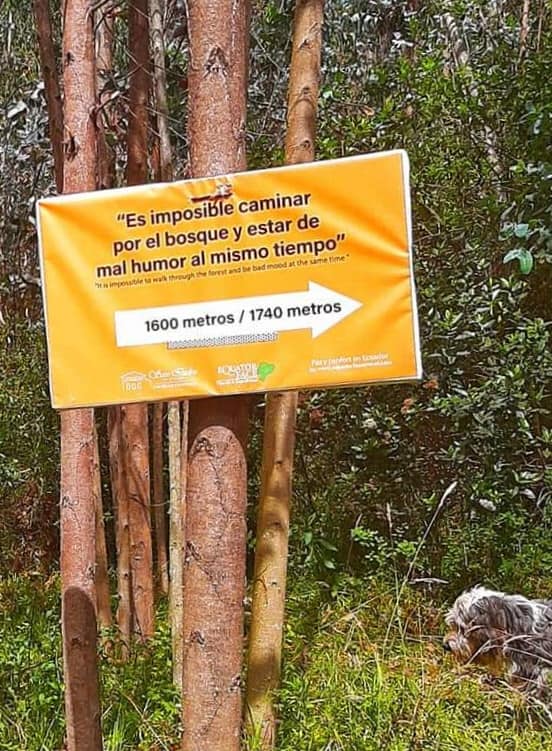
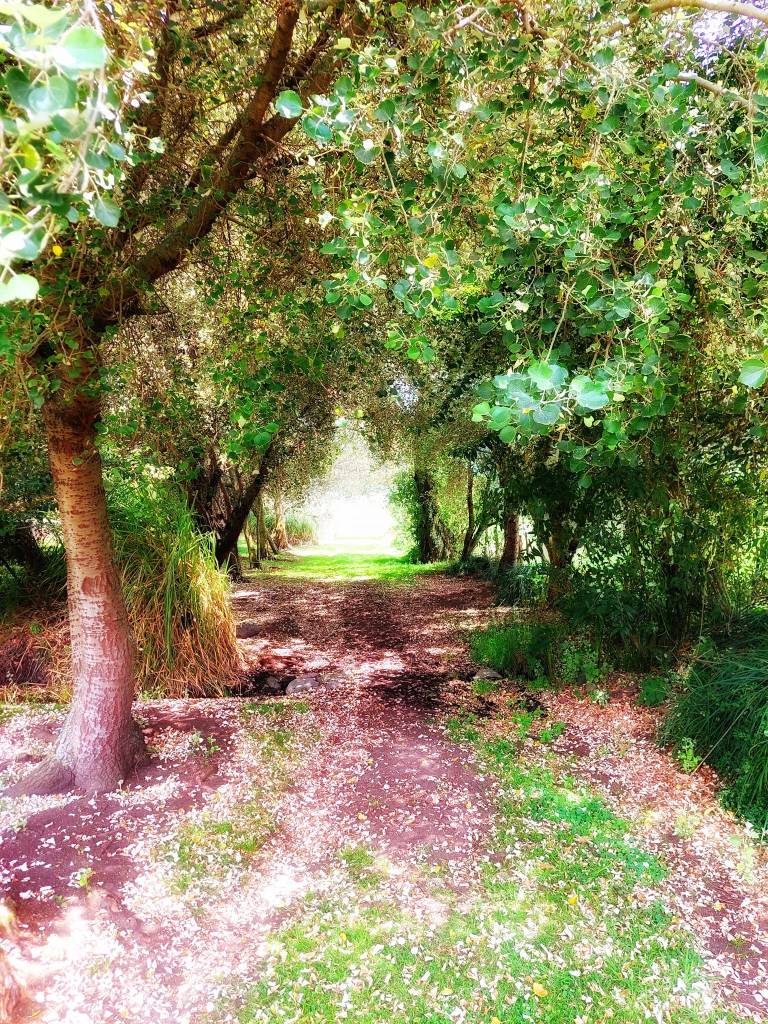
There are magical trails around the hacienda to hike through.
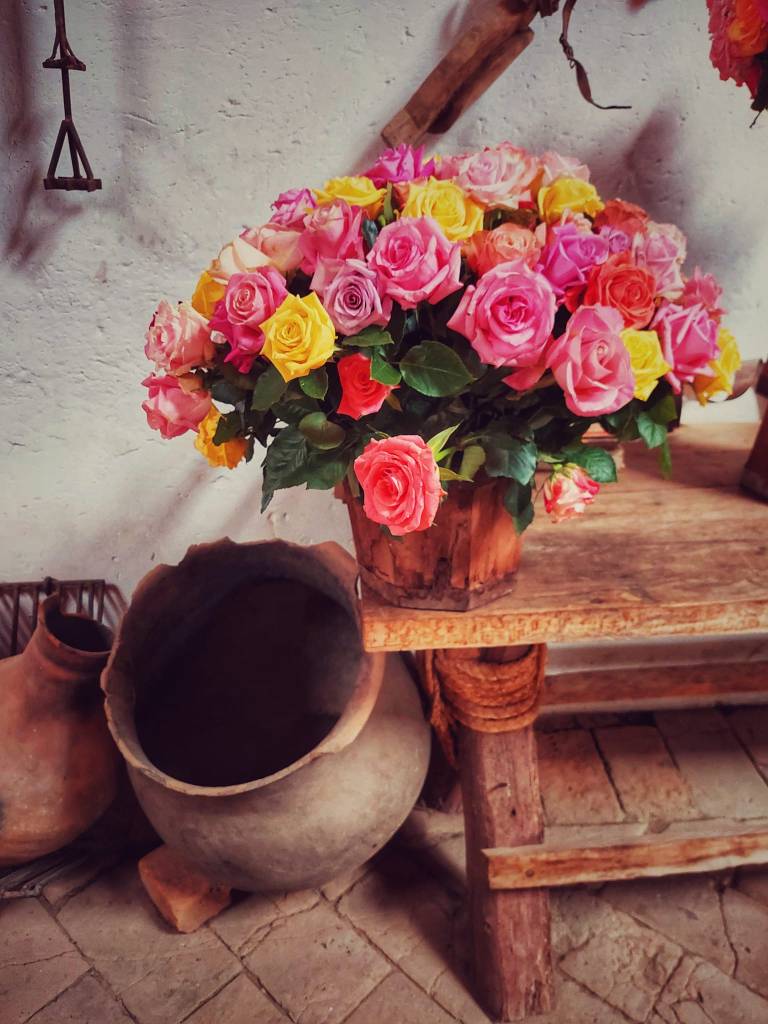
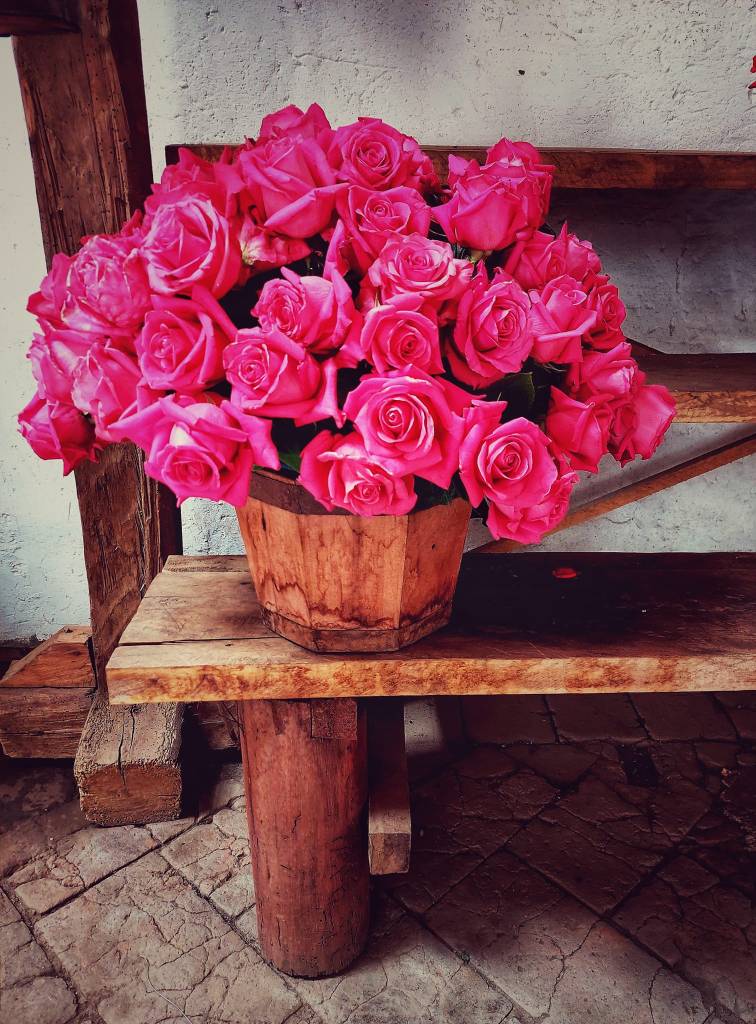
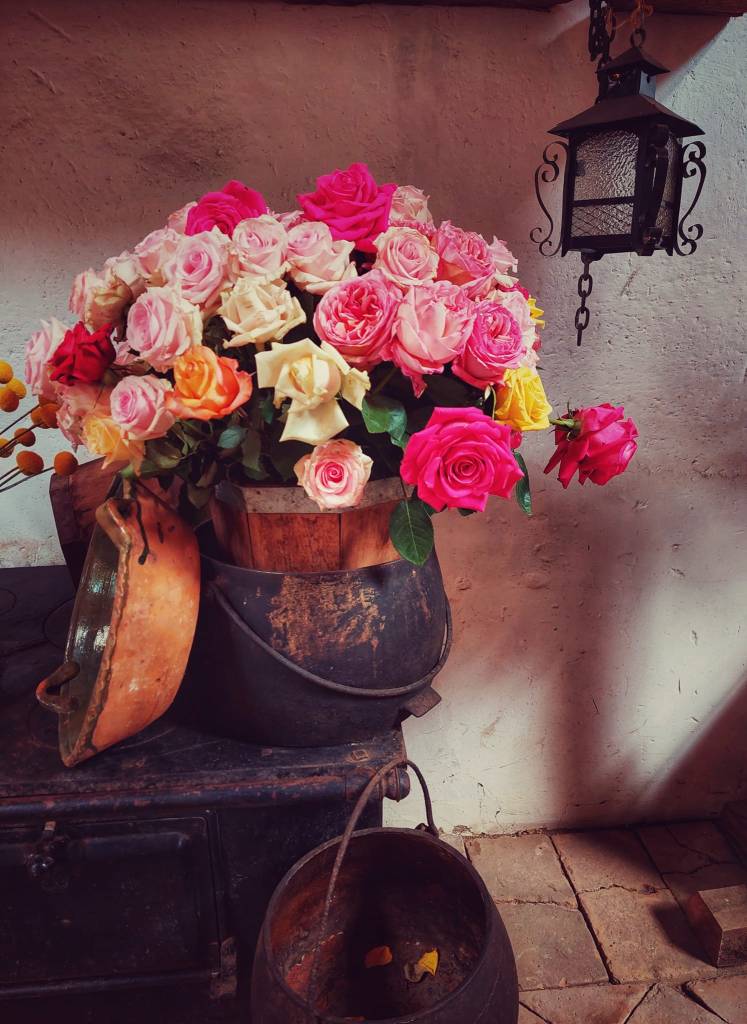
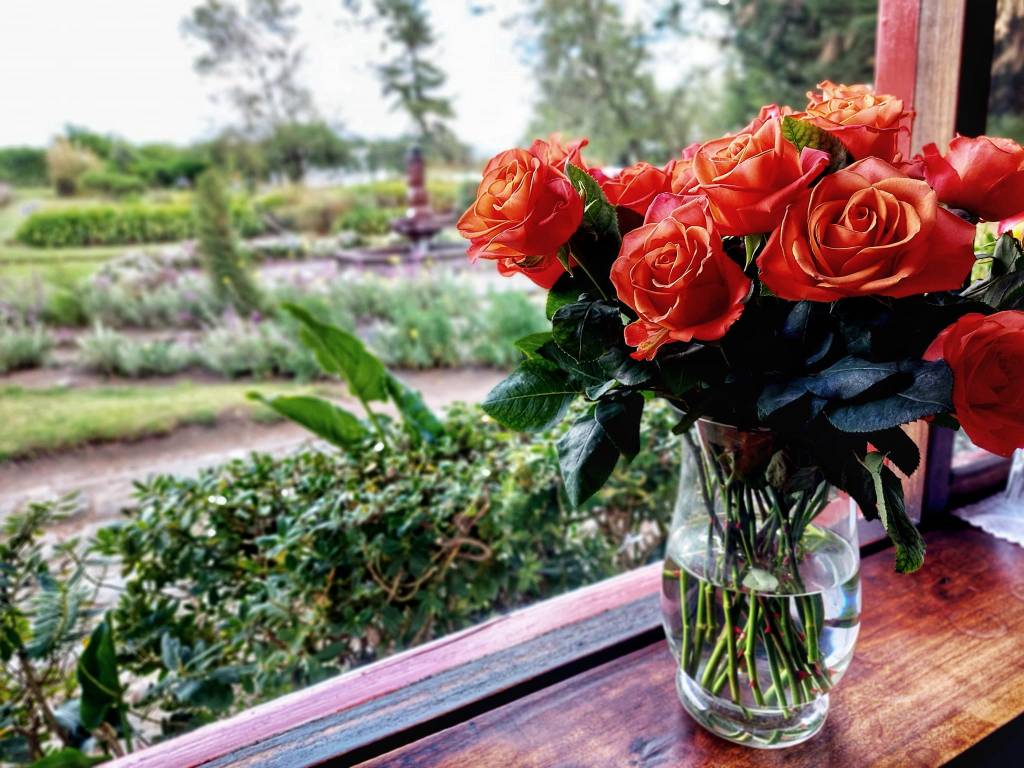
And roses of course are everywhere, as this area is famous for growing the long stemed Ecuadorian roses, which are shipped all over the world.
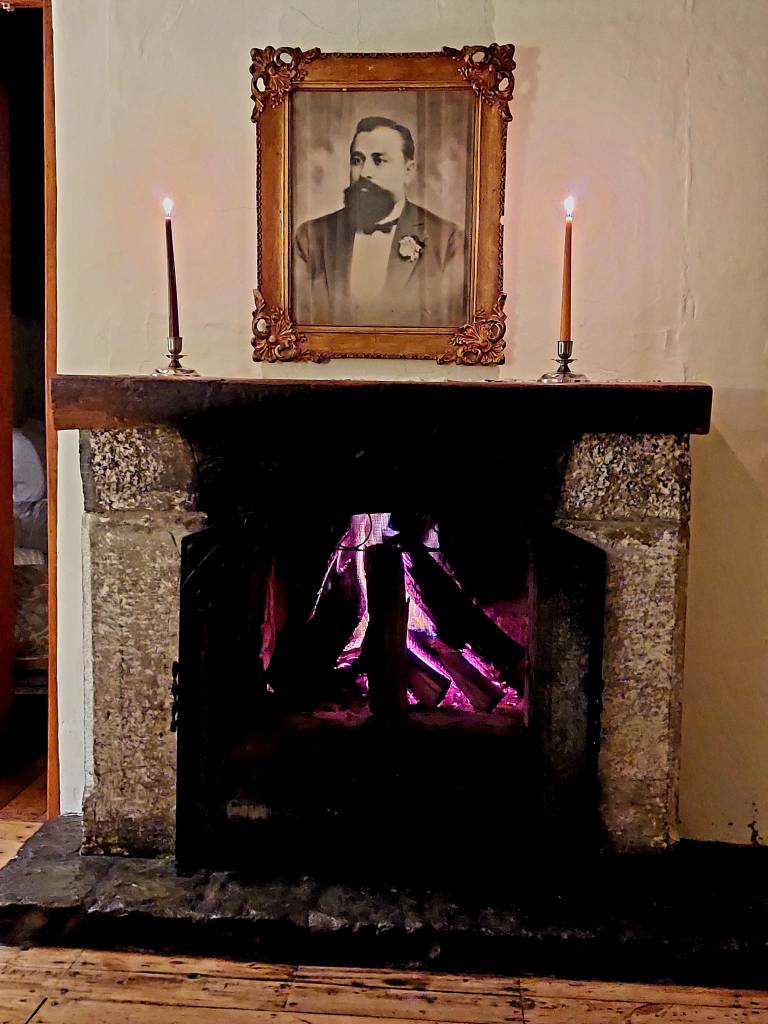
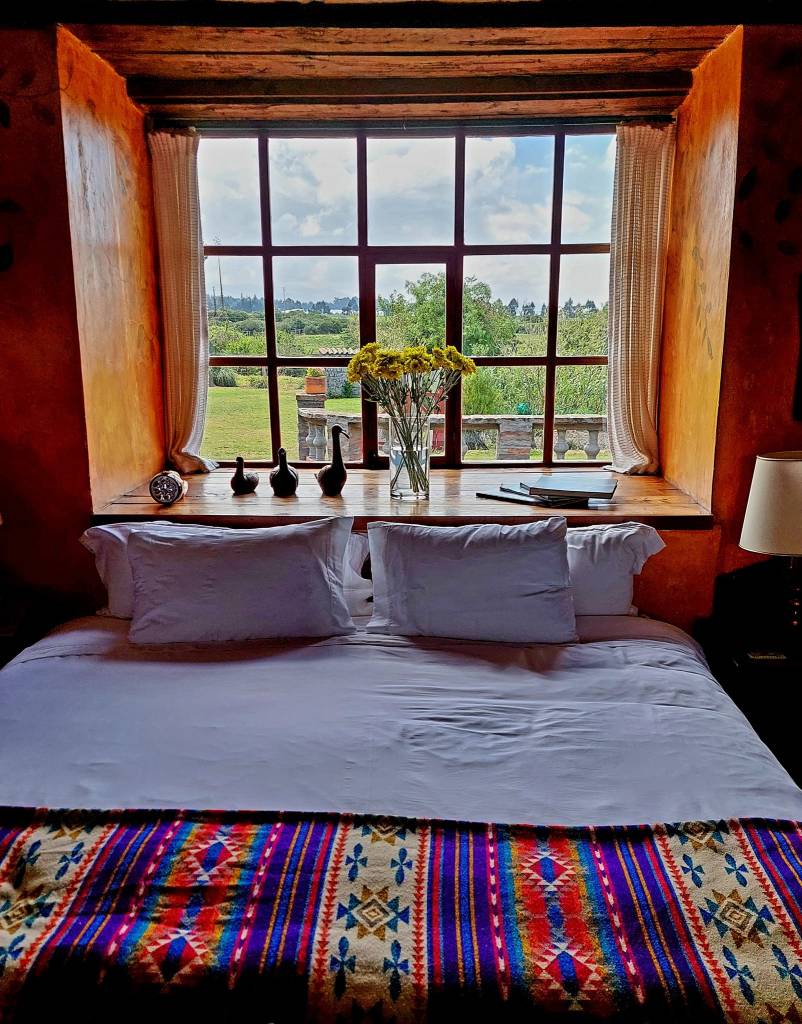
This suite has three fireplaces, including one in the bathroom.
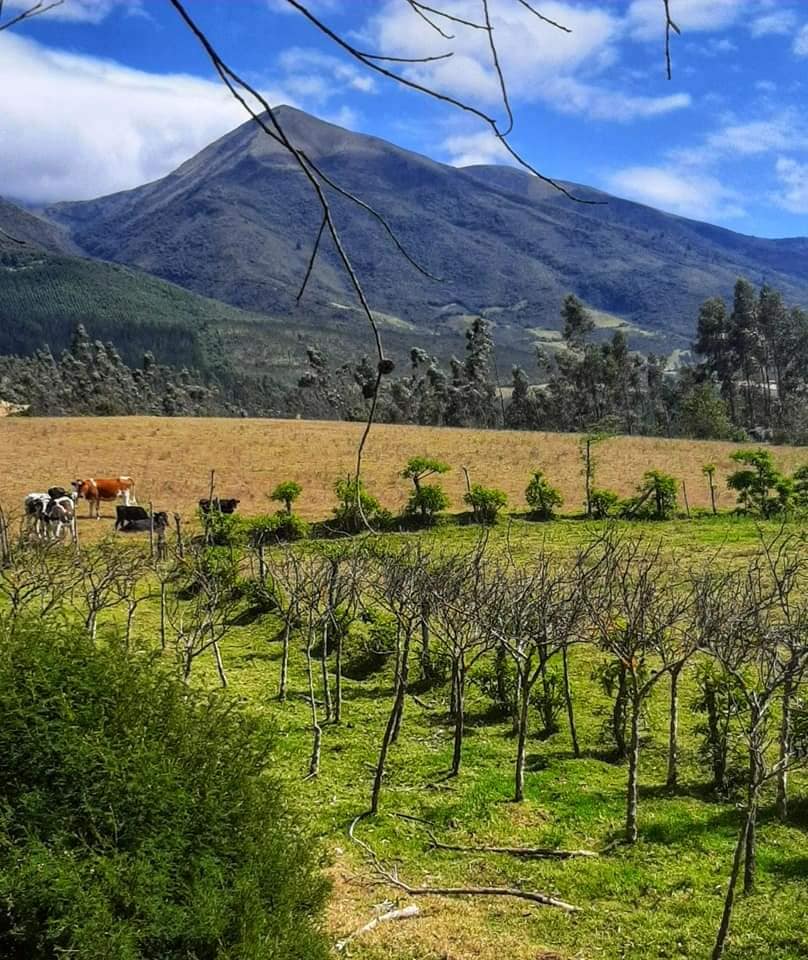
Cotapaxi is very often hidden by cloud cover. At the time of my visit, just for a very few minutes at dusk, it revealed itself from the gardens!!

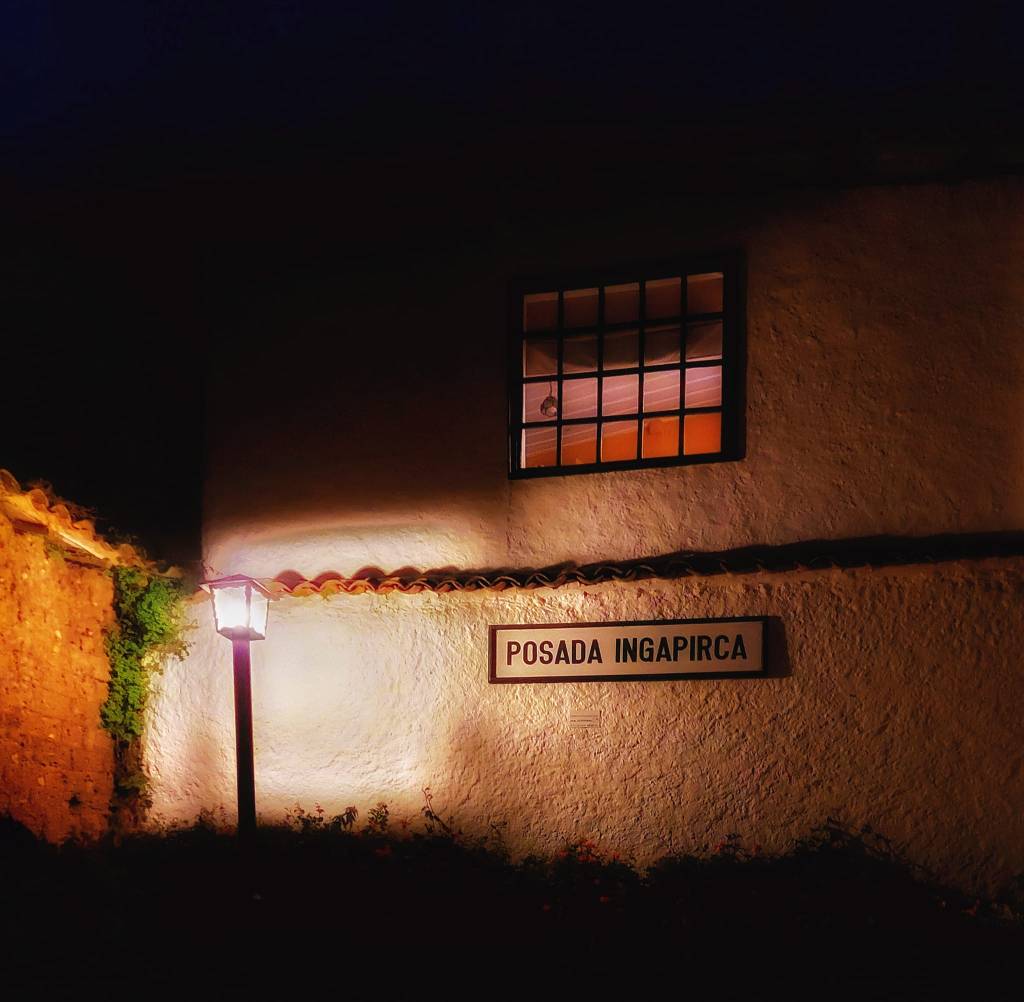
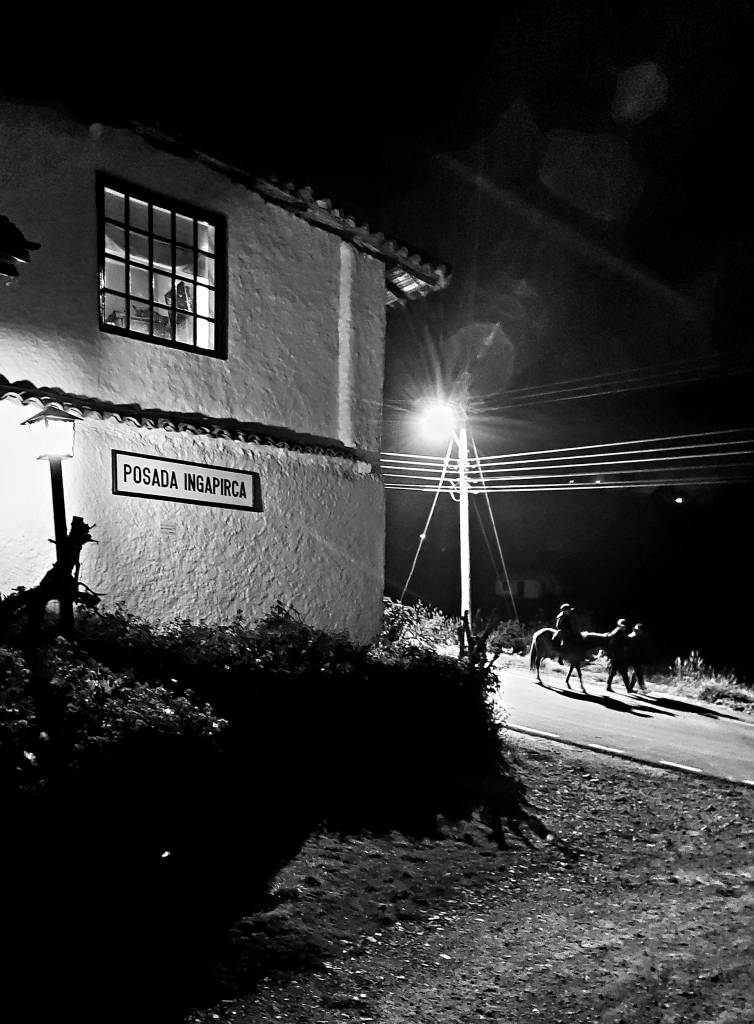
        Posada Ingapirca

        Ingapirca, Ecuador

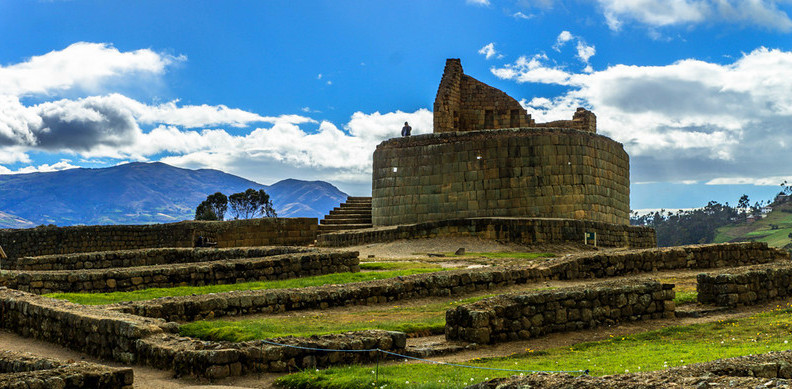
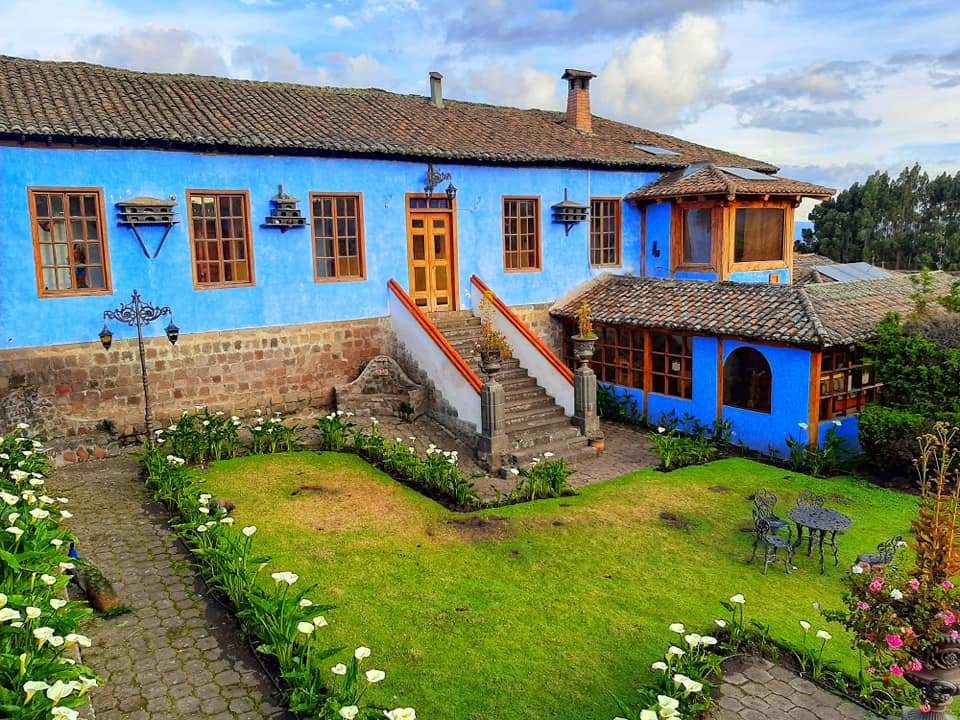
        Posada Ingapirca, a 200 year old property, previously was part of a Hacienda which actually included the archaeological ruins of Ingapirca. Two hours north of Cuenca, the property is only one thousand feet from what is Ecuador´s most important and largest archeological site. Some of the stones from the Ingapirca’s Inca and Cañari ruins were used in the house’s original foundations.

        In the 1990’s The Duran-Vintimilla family bought this old property, in the fields of Ingapirca, and spent years renovating it as an authentic Ecuadorian rural inn.

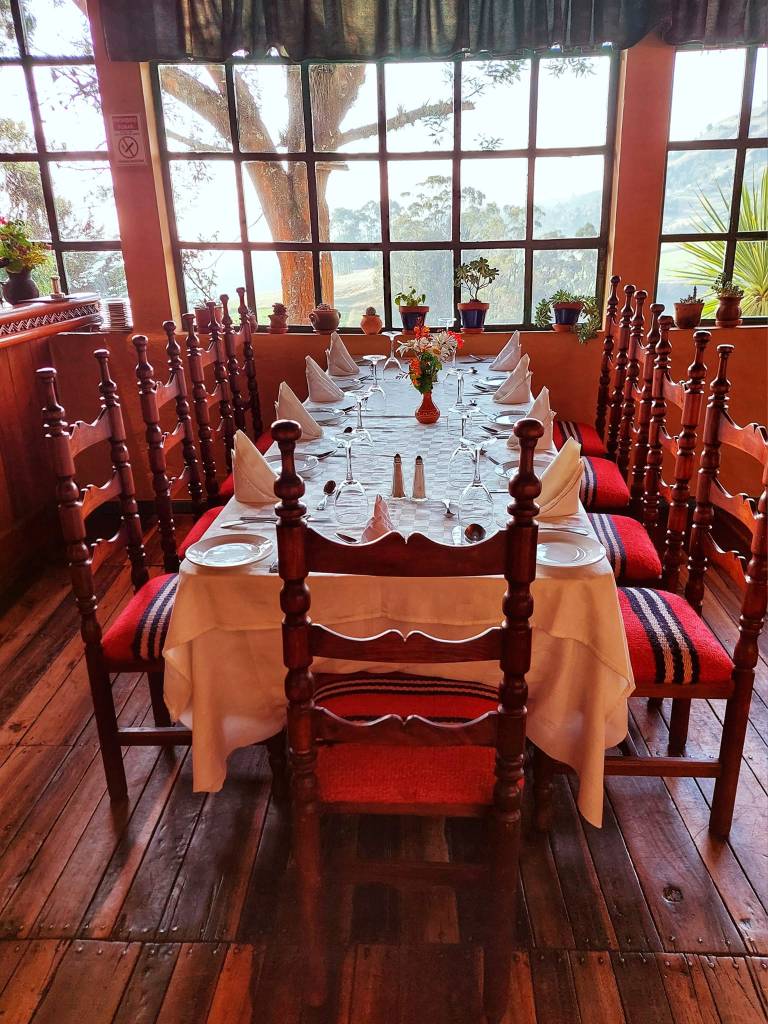
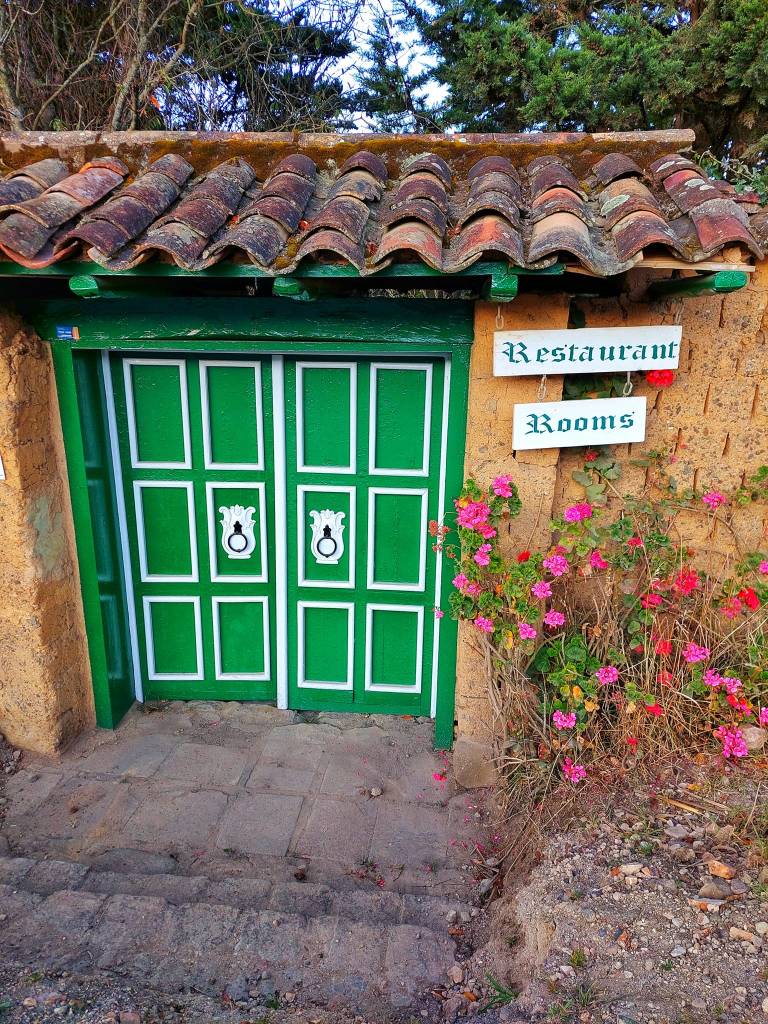
        The restaurant serves hearty traditional Ecuadorian cuisine, along with organic vegetables from the garden, and fresh eggs from the hens, and milk and cream from nearby farms. The restaurant is open to all visitors.

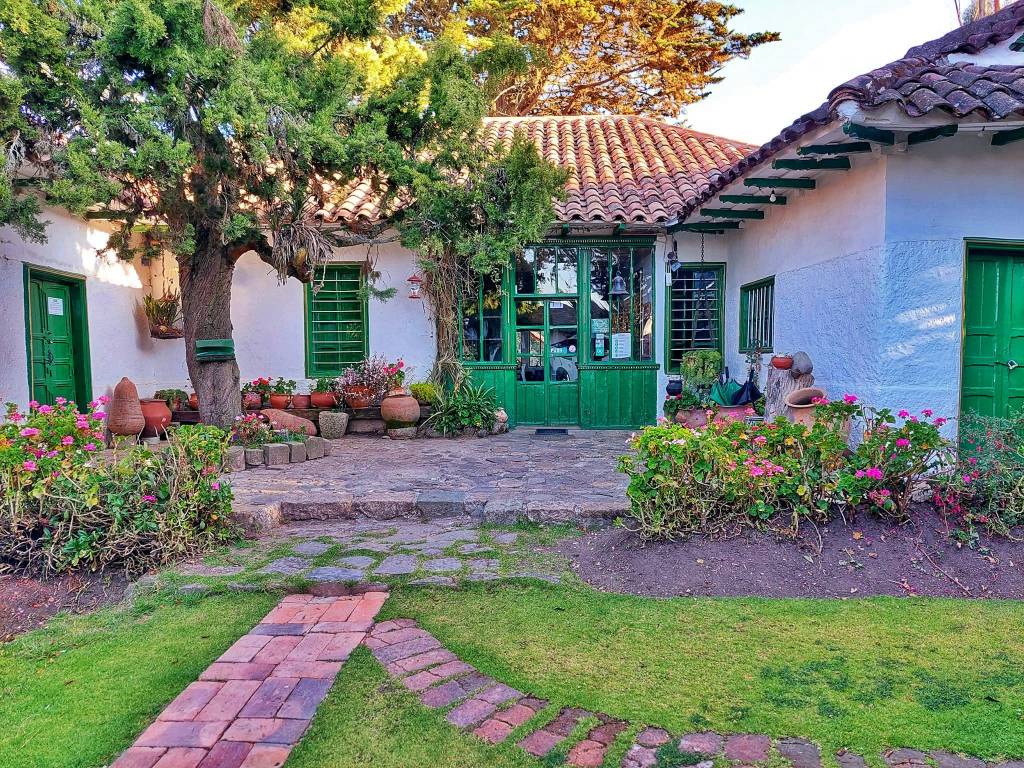
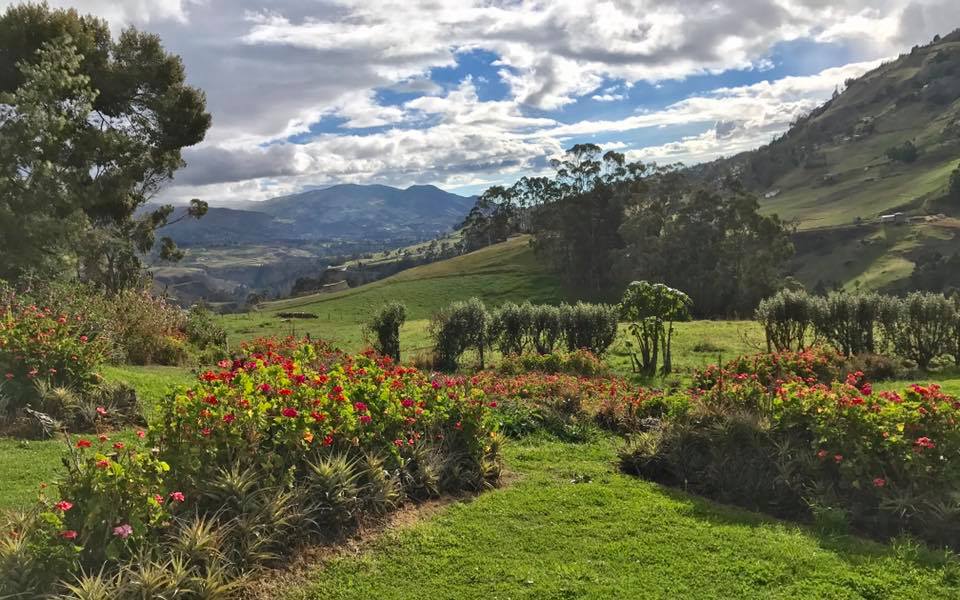
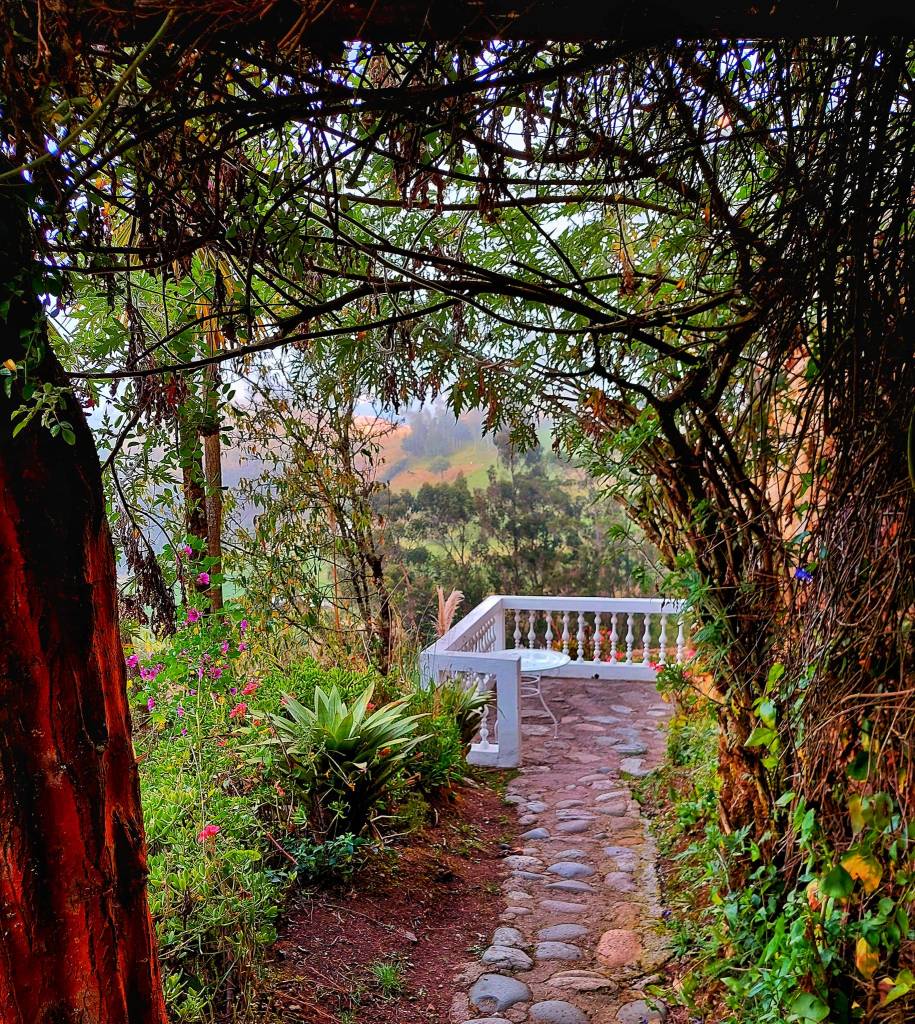
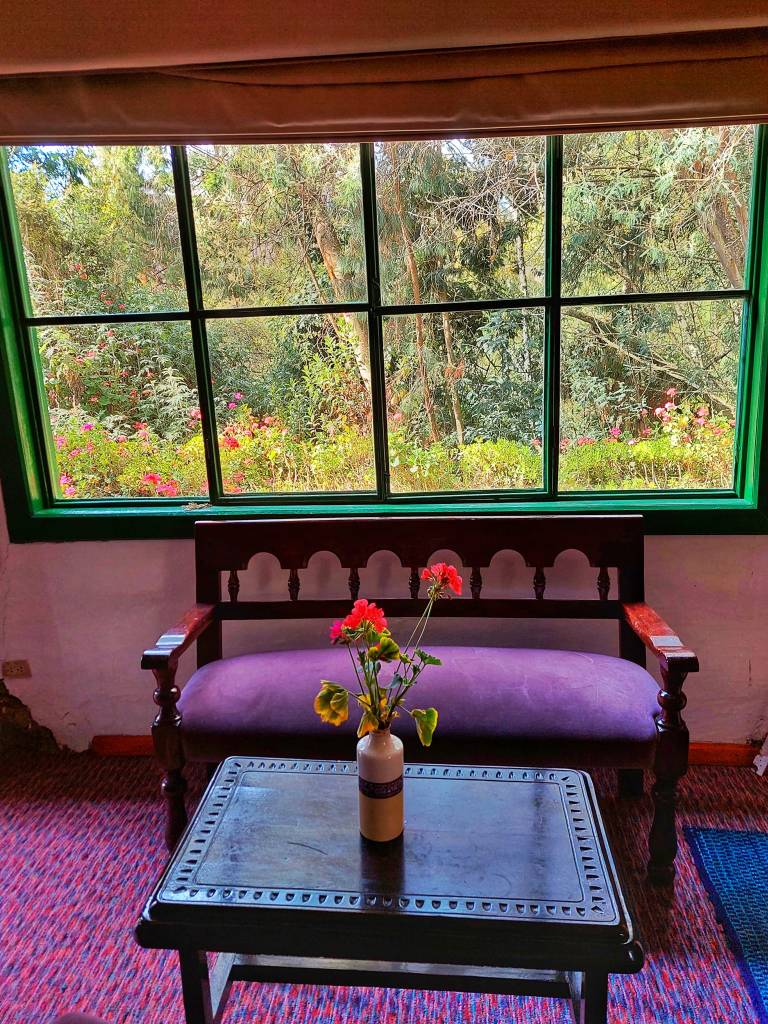
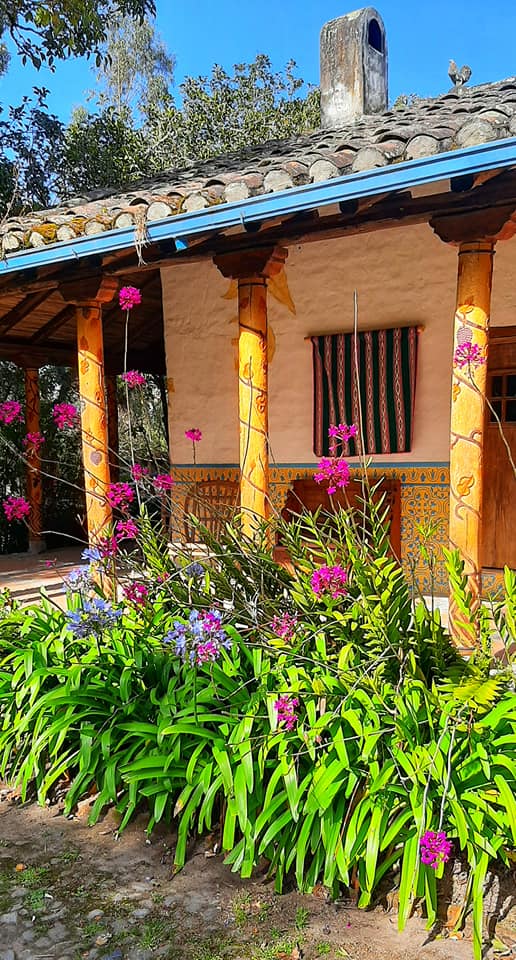
        Beyond the house, there are many gardens overflowing with flowers. The country setting offers exquisite quiet and peace.

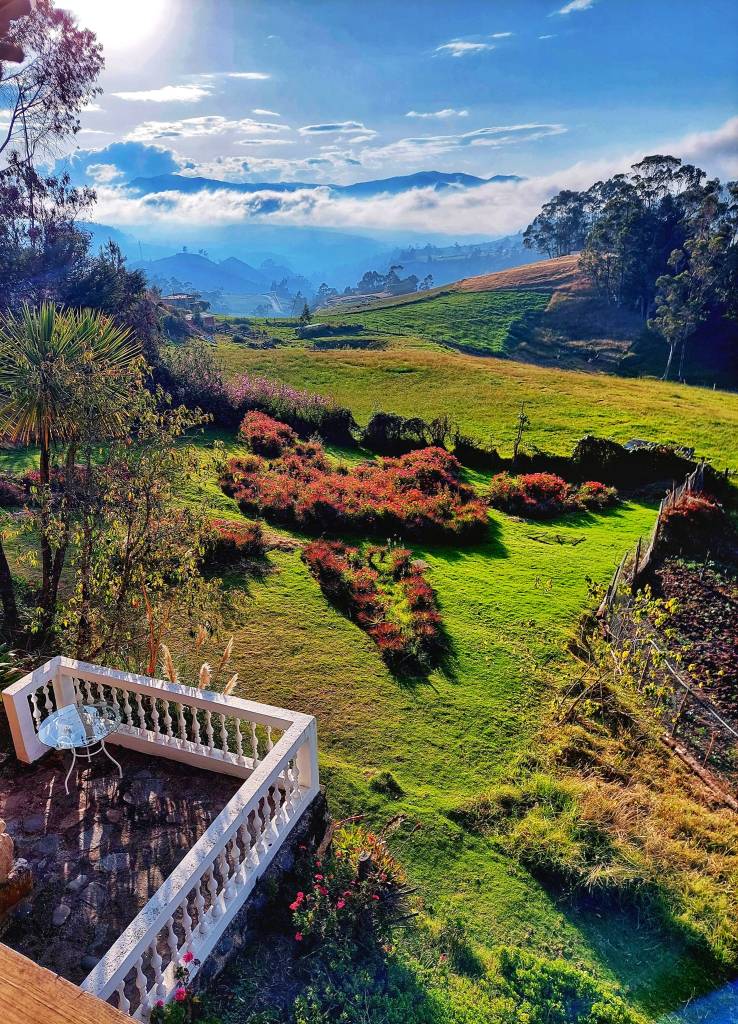
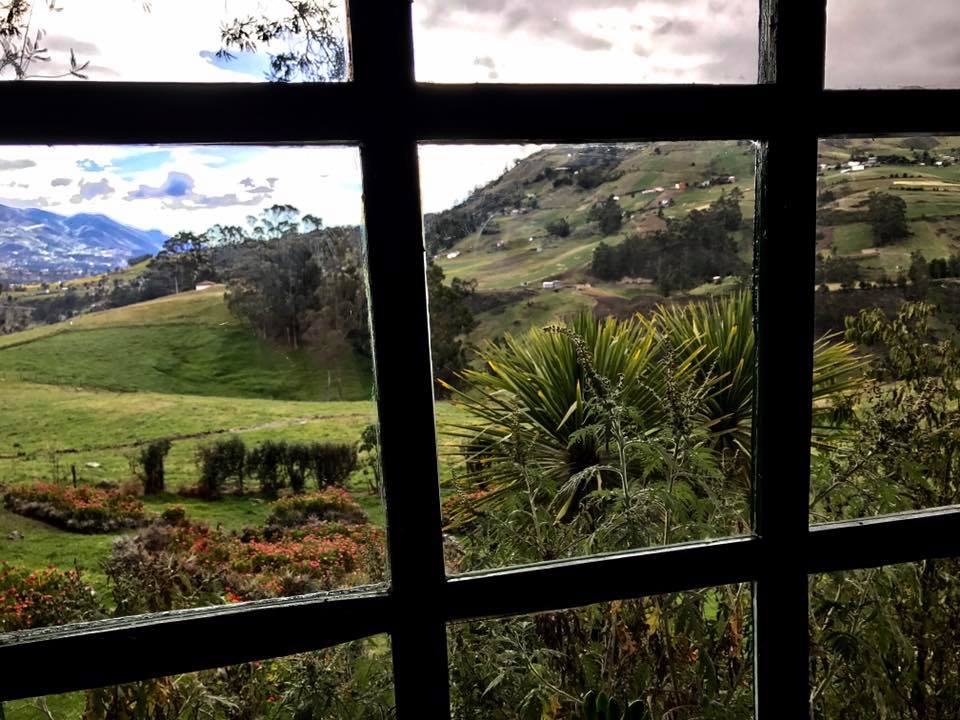
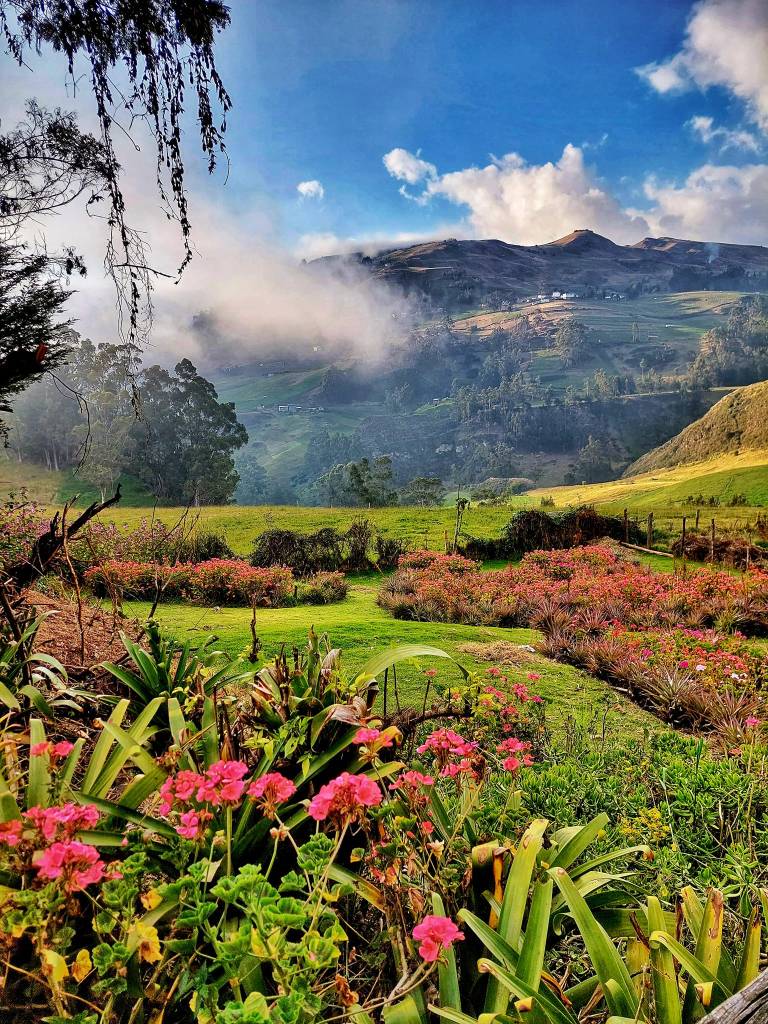
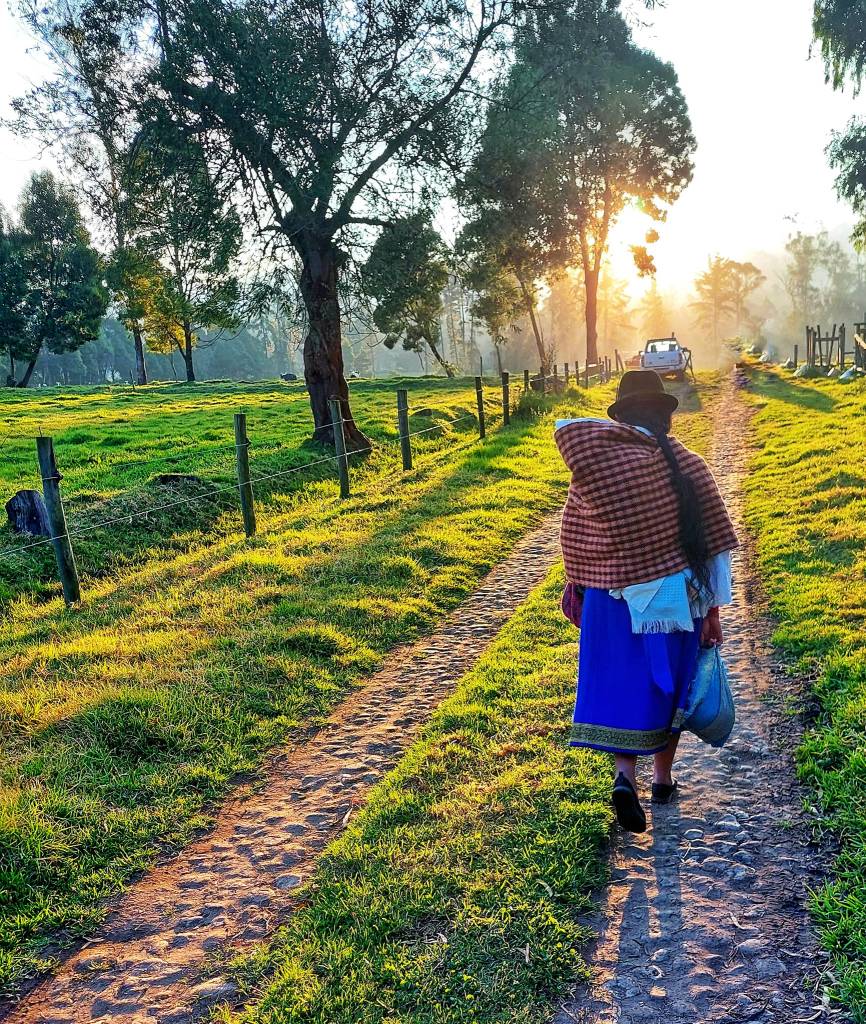
        Even on a misty morning, the views are enchanting.

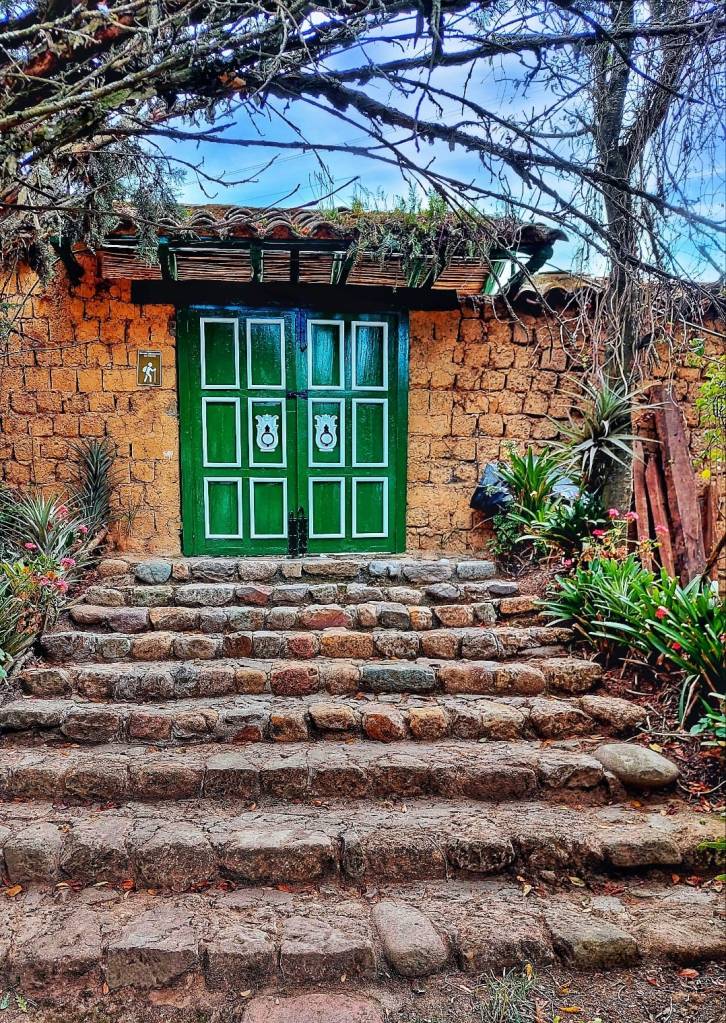
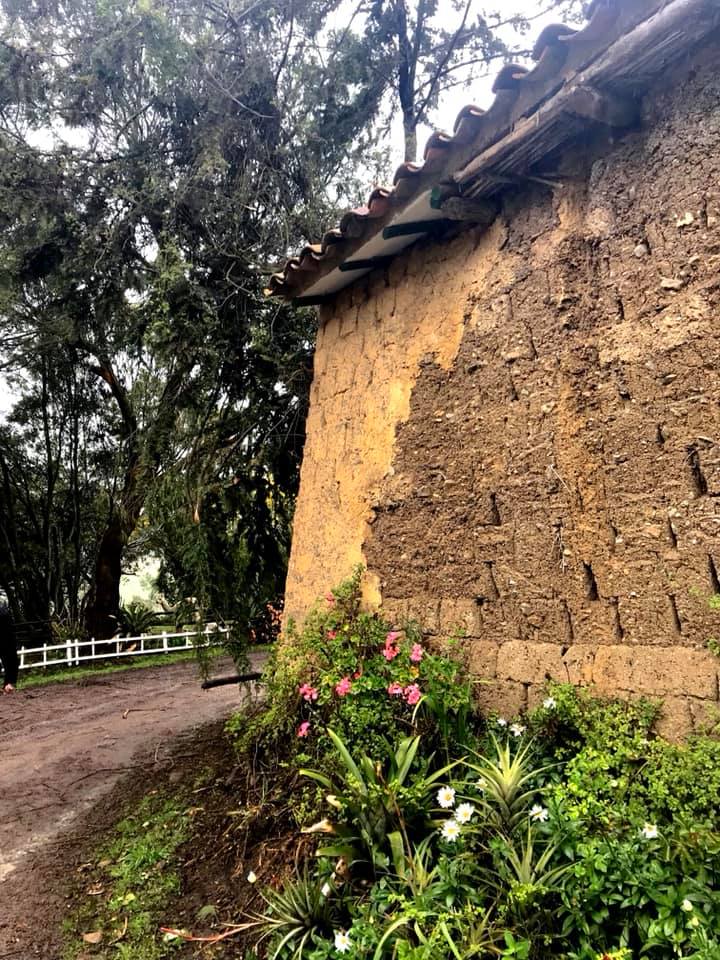
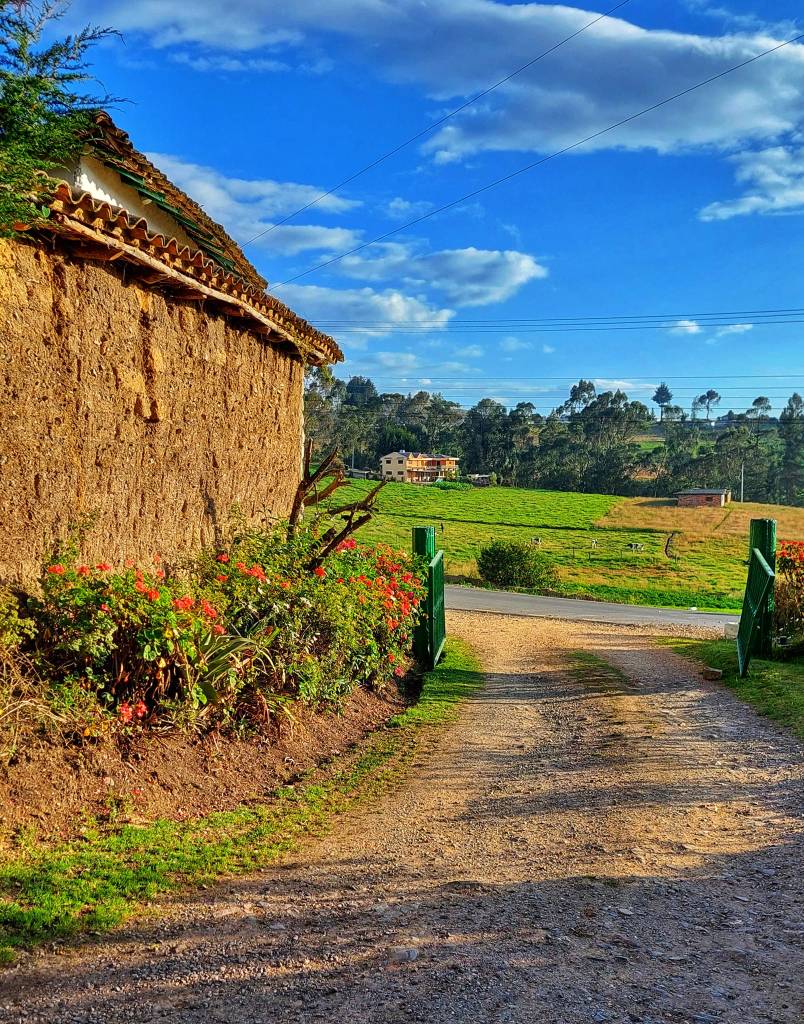
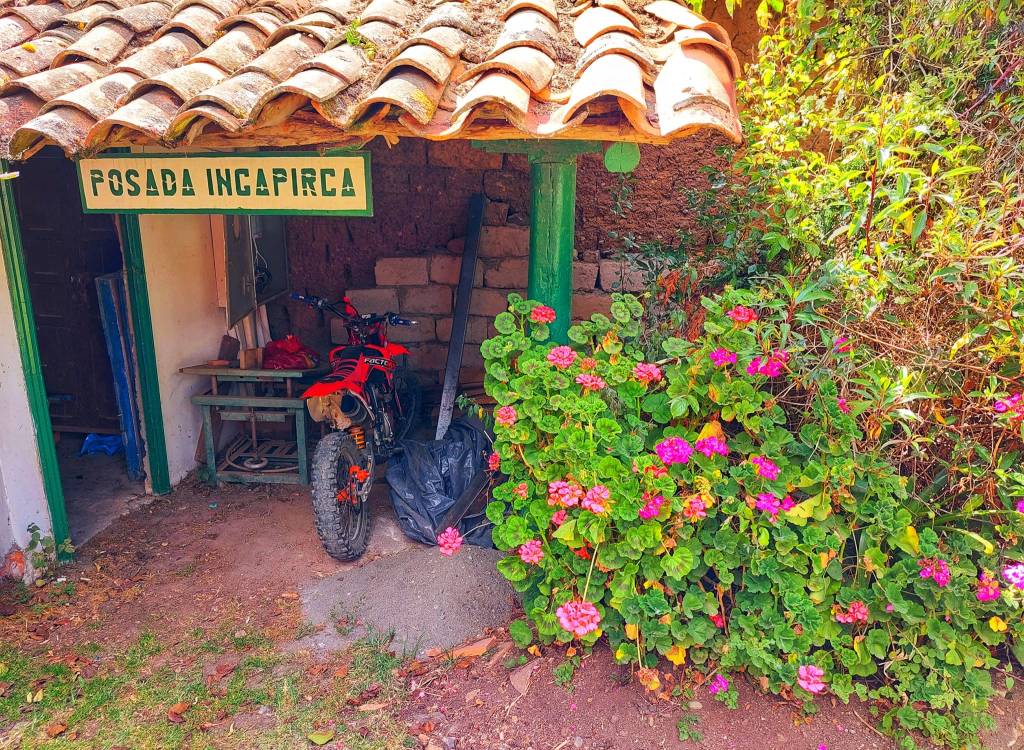
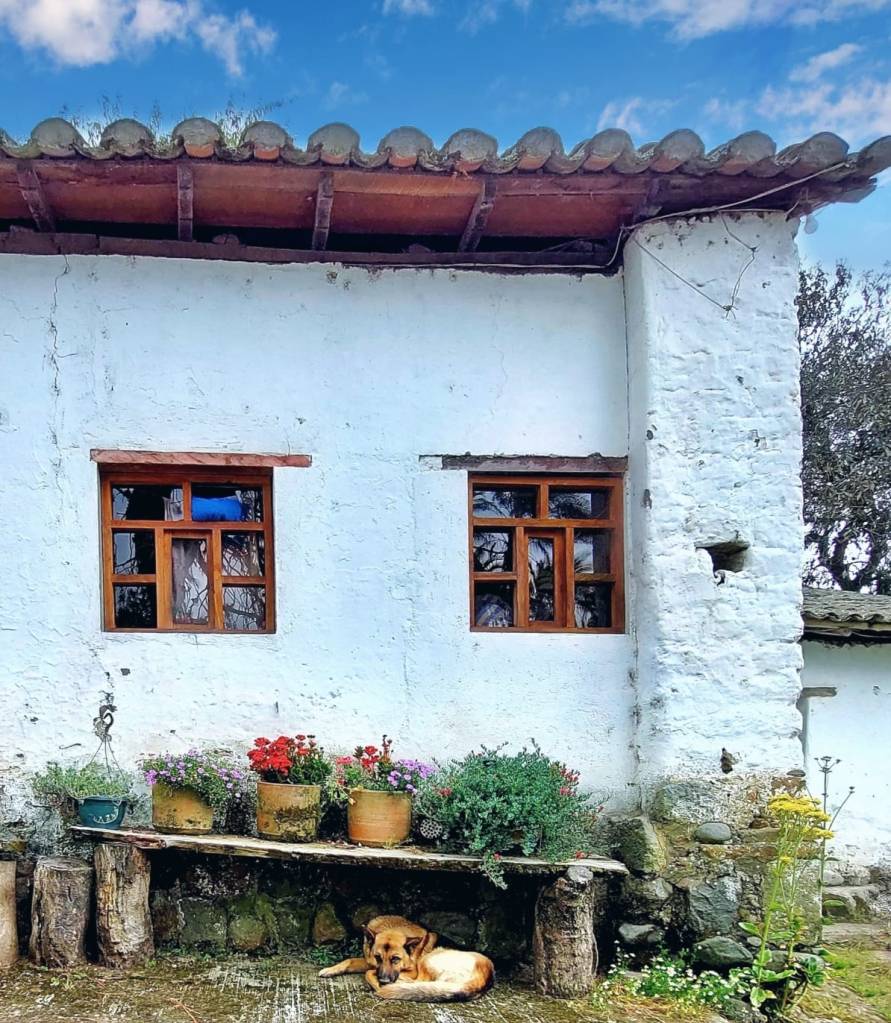
        The adobe bricks are quite visible.

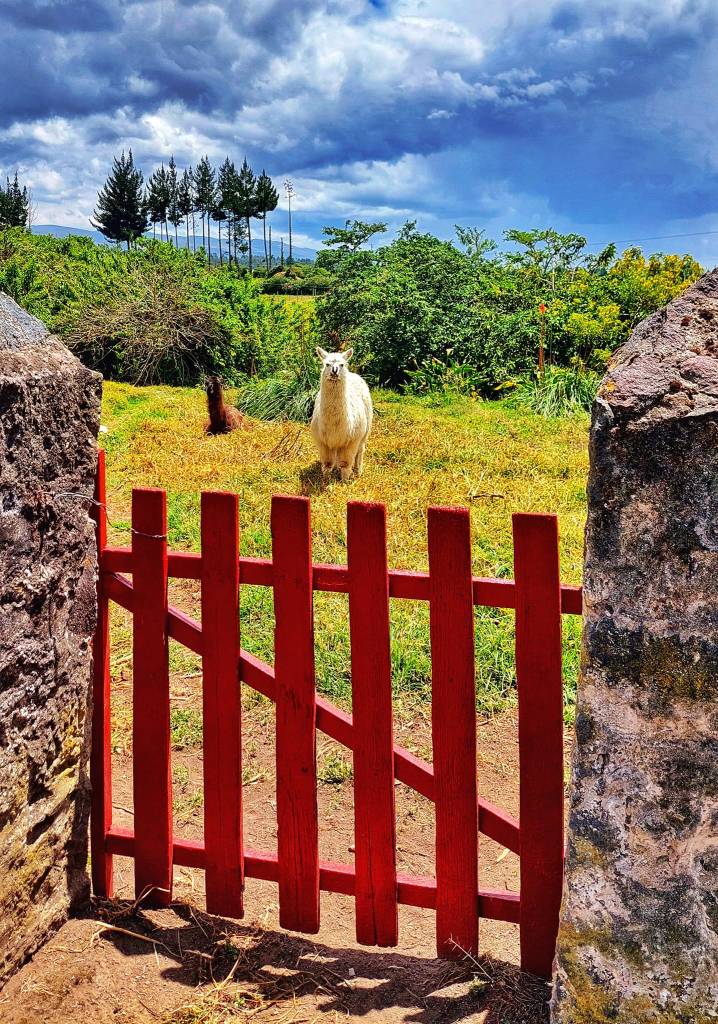
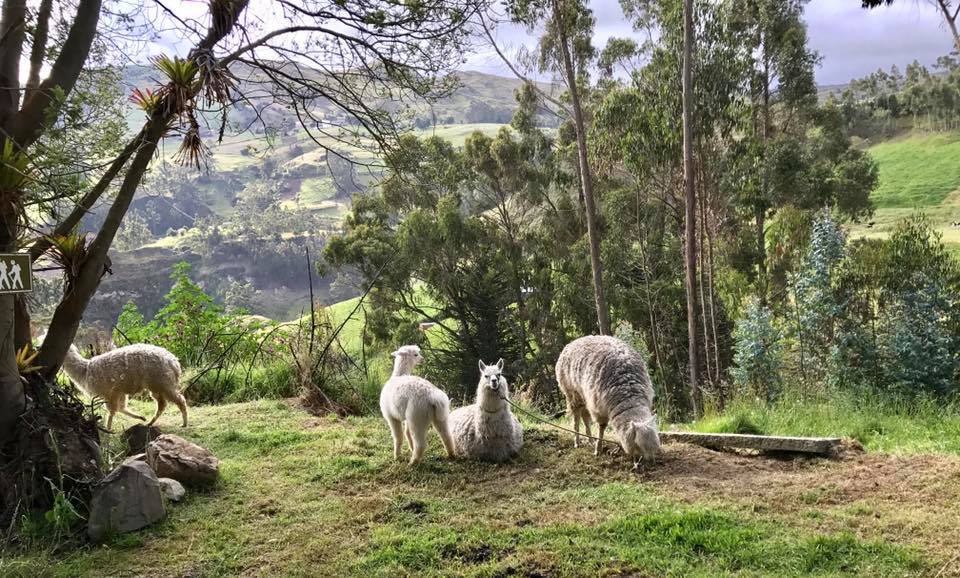
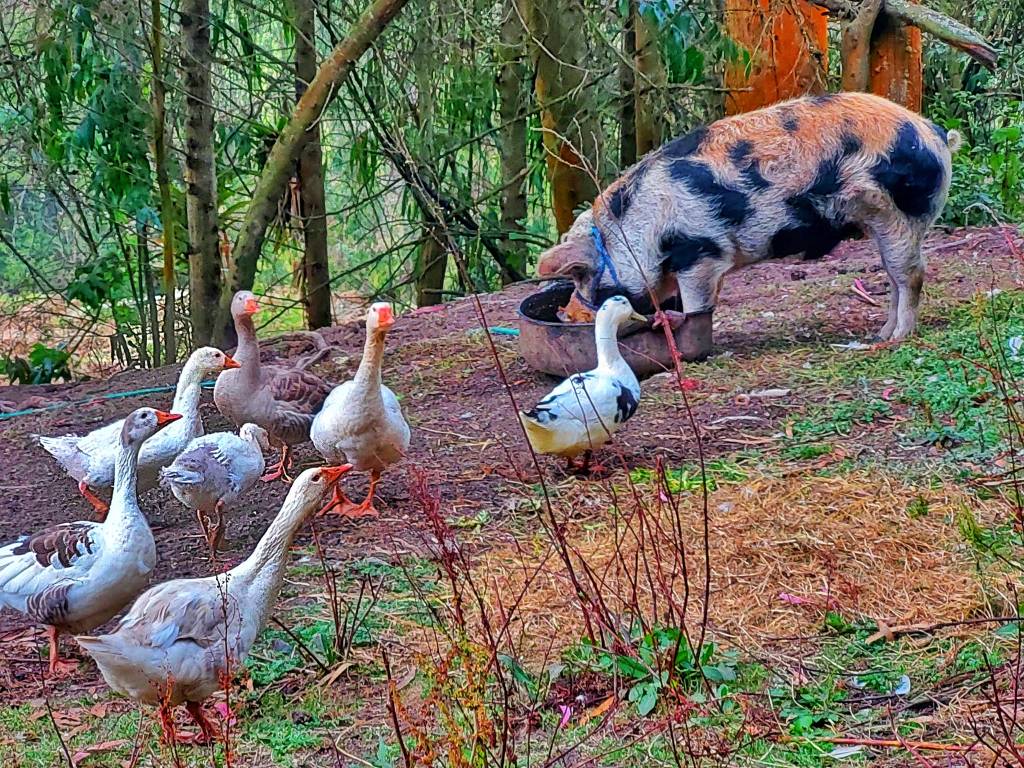
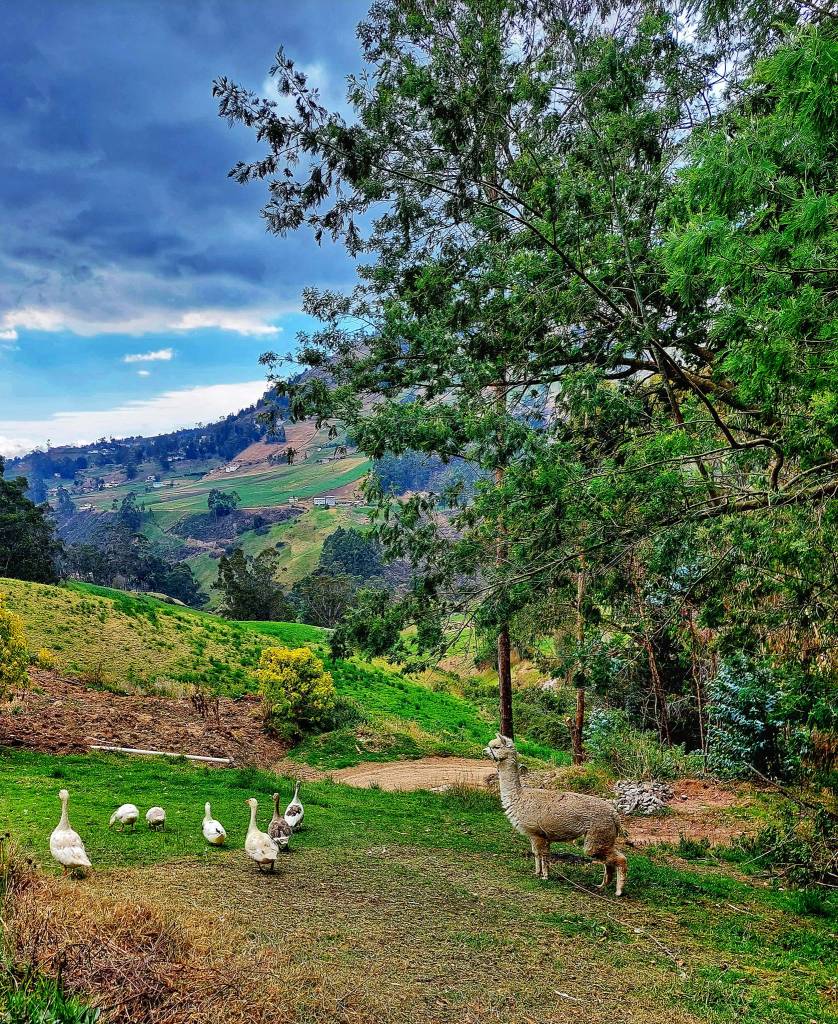
        Pigs, chickens, ducks, and llamas, will be seen on walks around the property.

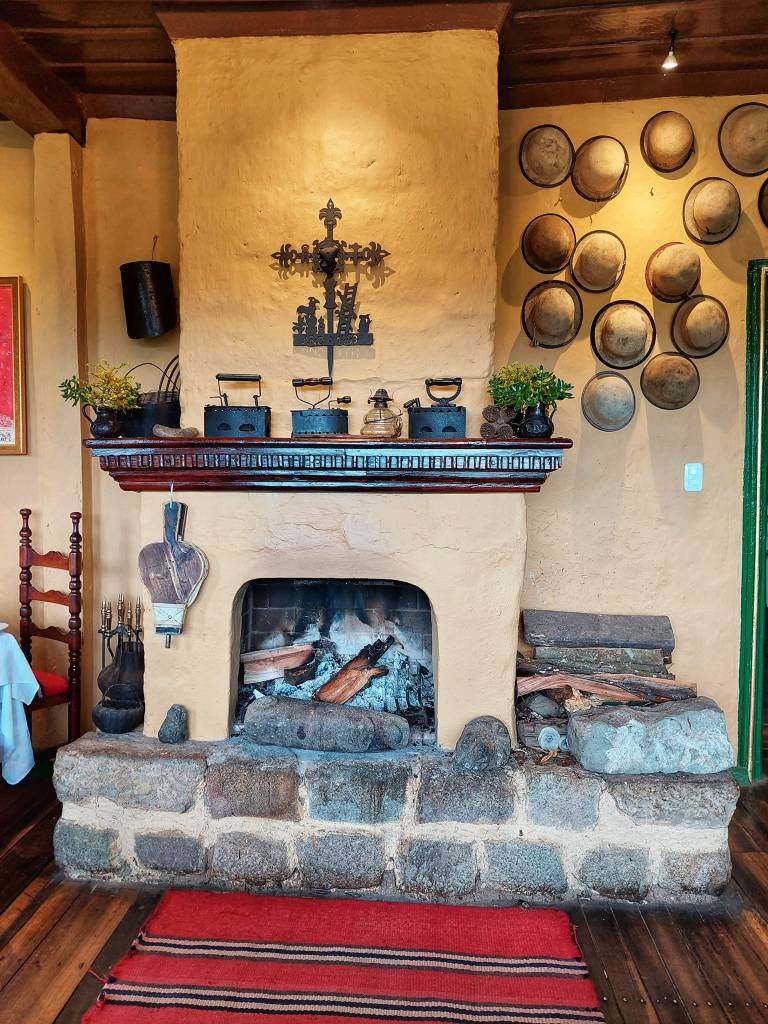
        Ingapirca is at 10,500 ft altitude, higher than Cuenca at 8,400 ft. When the sun goes down it can get a little chilly. Each room has a fireplace or heater.

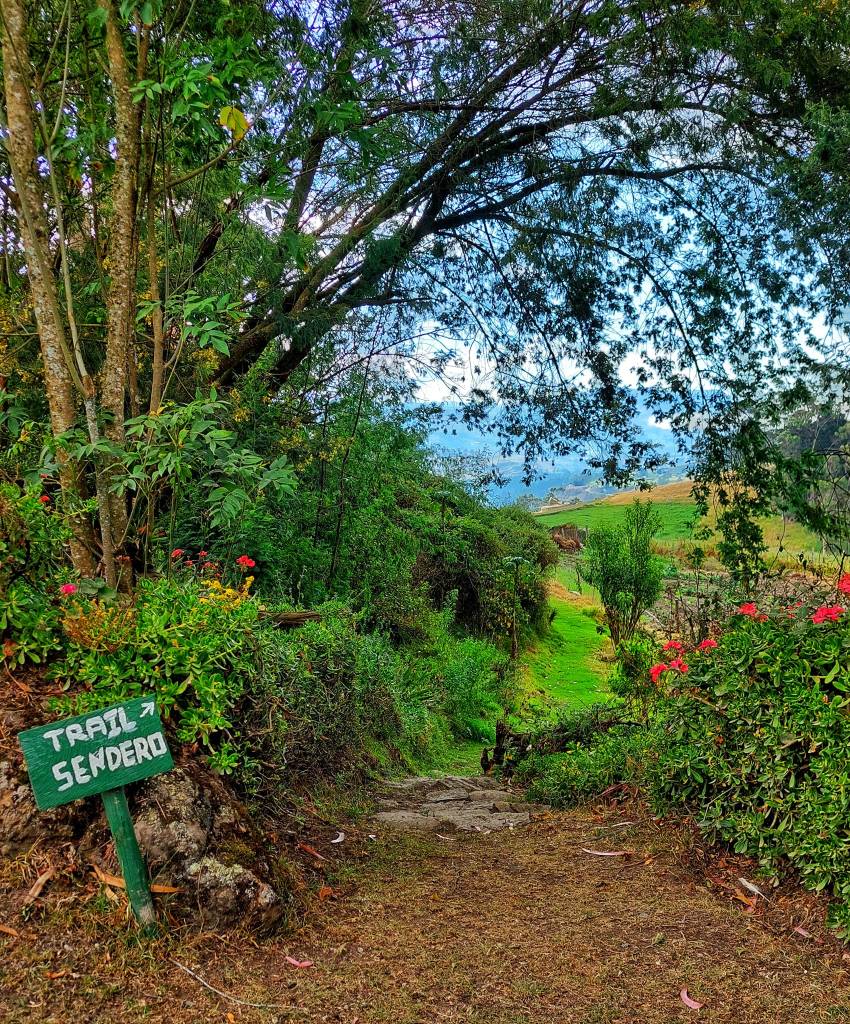
        There are lovely trails for leisurely wandering.

        Sun baked adobe will greet you in the country morning.

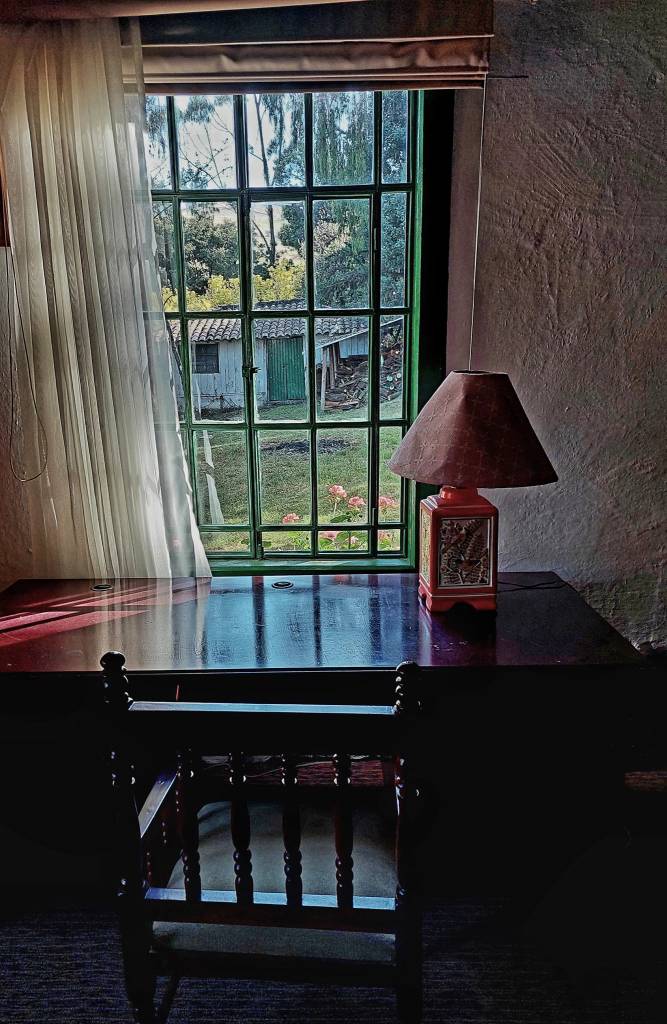
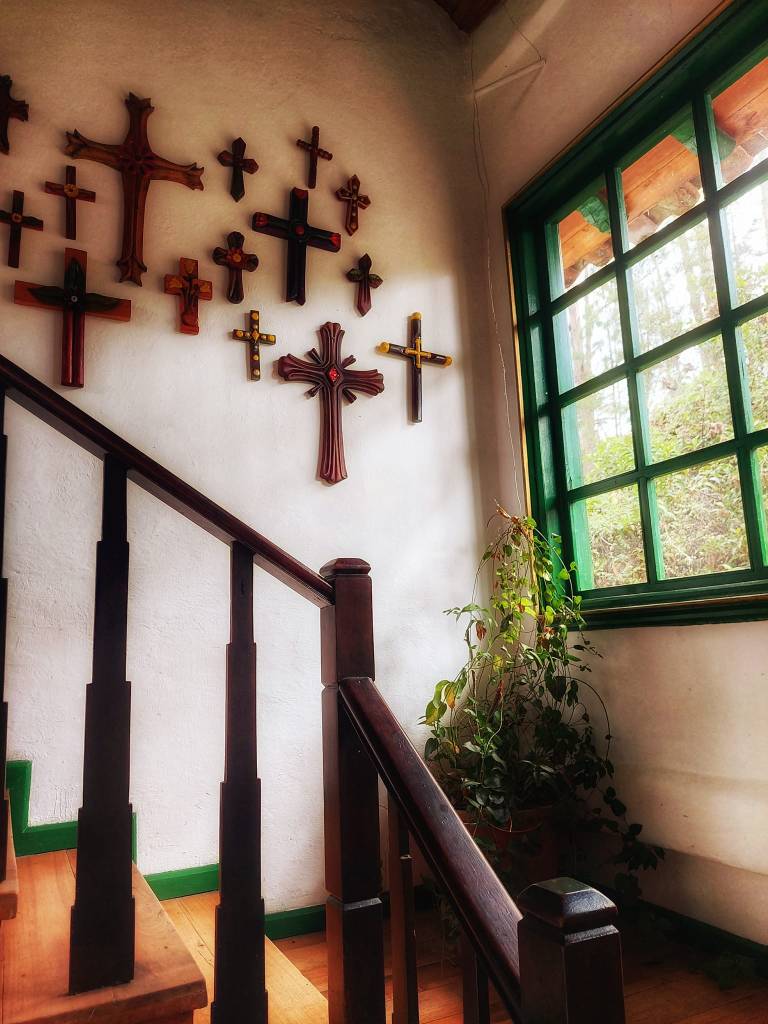
        The Inn and its rooms are decorated with colonial hand crafts.

        There are twenty-three rooms in total.

        The ruins of Ingapirca are quite visible from the Inn, only 1000 ft away. The archeological ruins used to actually be part of the hacienda. Ingapirca is the largest and most important Ecuadorian archeological site. It tells the story of Inca and Cañari history.

        Address: Cañar – Ingapirca, Cañar 010150

        Phone: (593) 7-282 7401

        Hacienda La Ciénega

        Lasso, Ecuador

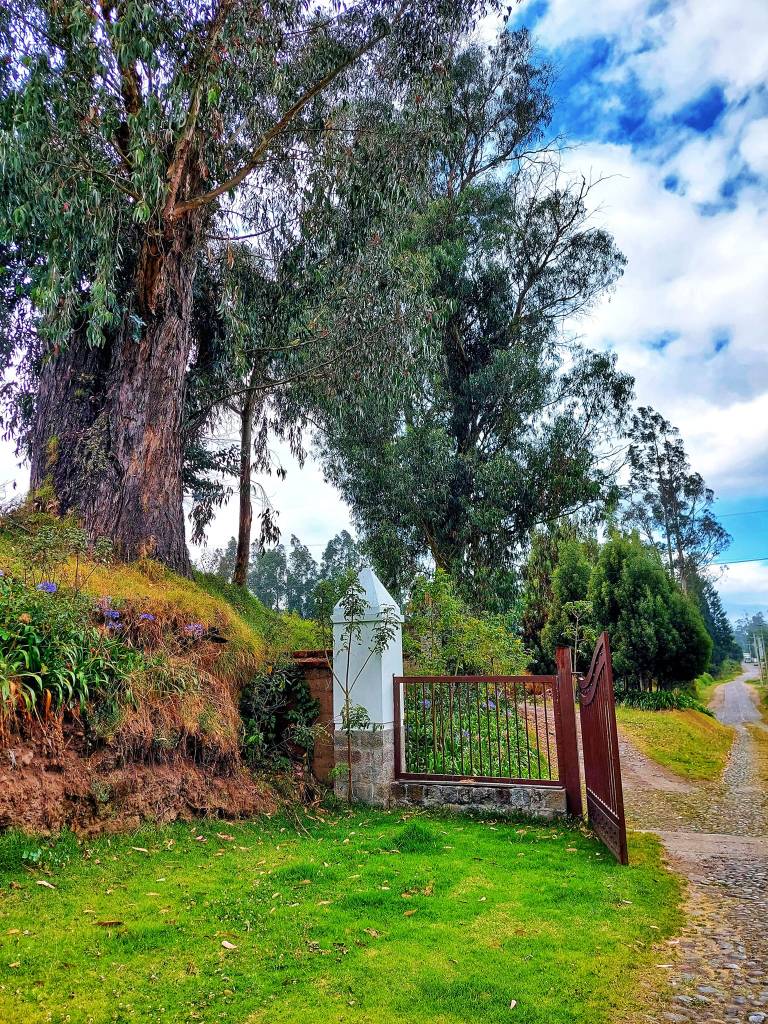
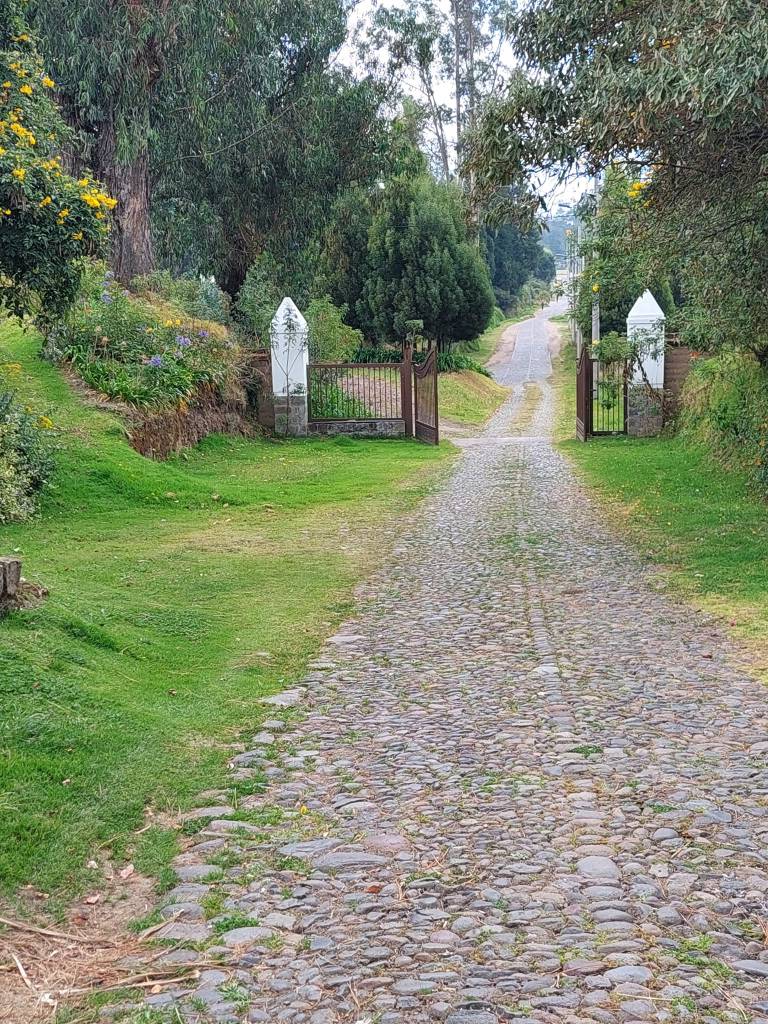
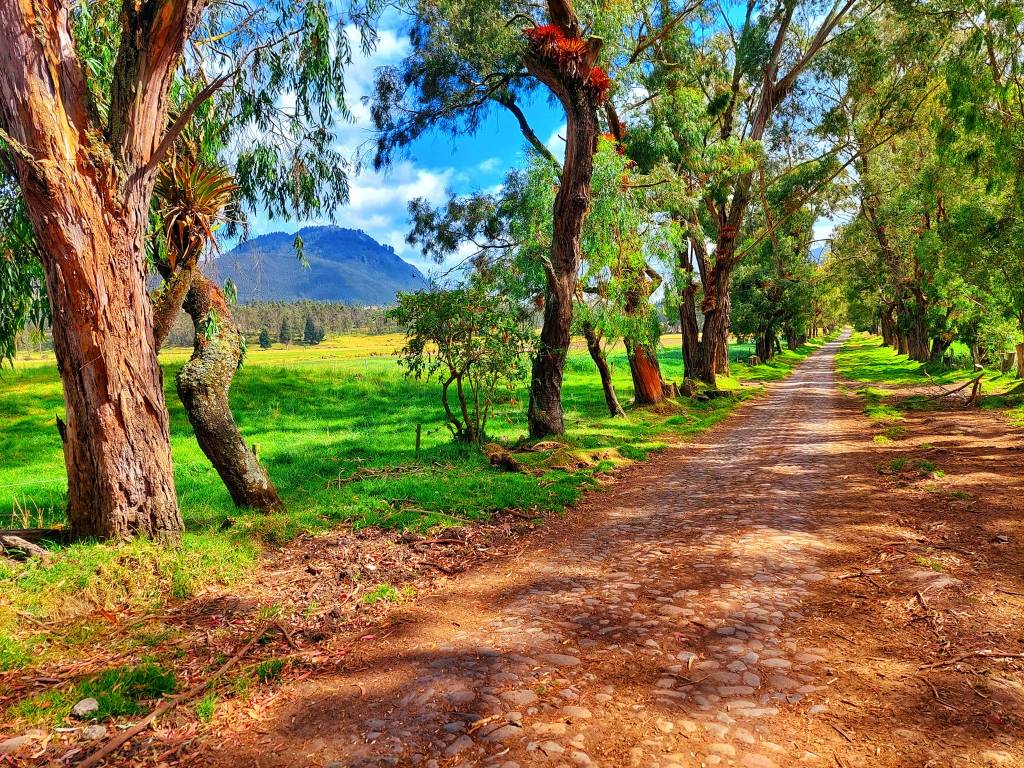
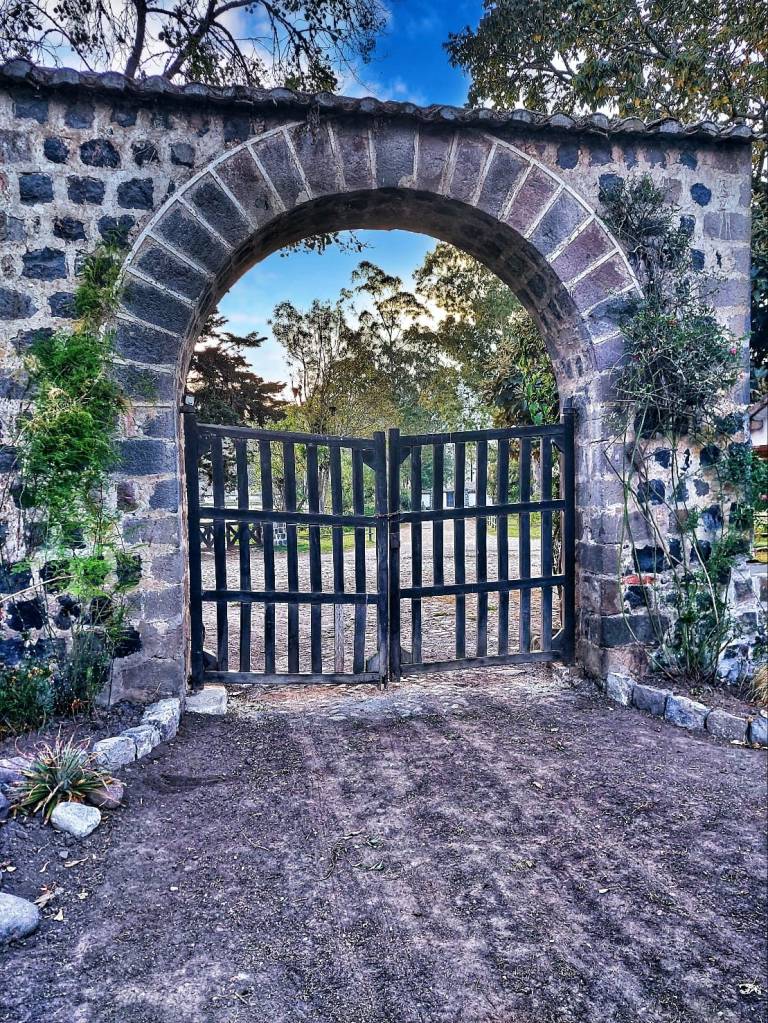
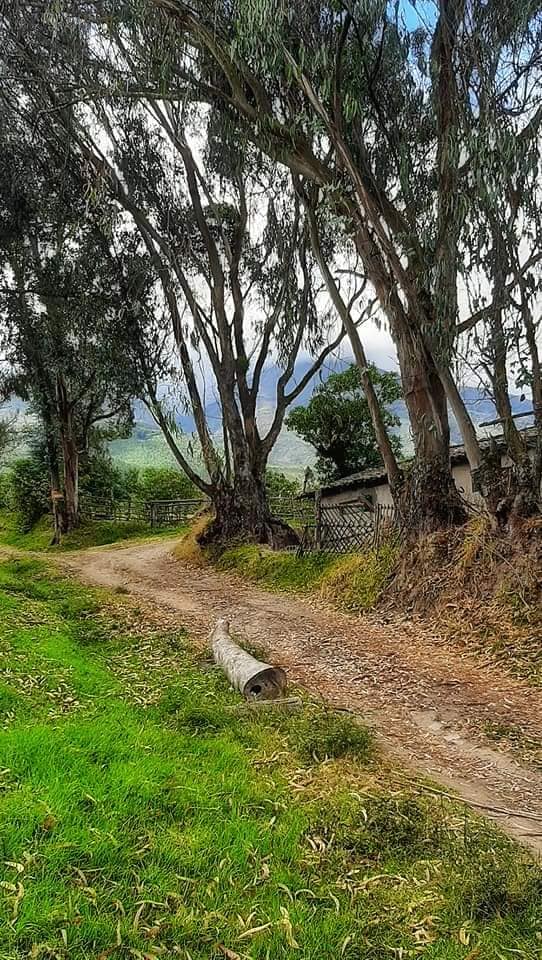
        The construction of the hacienda began in 1695 when Matheo de la Escalera y Velasco started building the walls with volcanic stones. The dramatic entry to the hacienda was planted with a long row of eucalyptus trees.

        In 1735 Gregorio Eugenio de Matheu y De la Escalera took over the inheritance of the hacienda with his wife Mariana de Aranda Guzman y Ayesa, who was the Marquisa of Maenza.

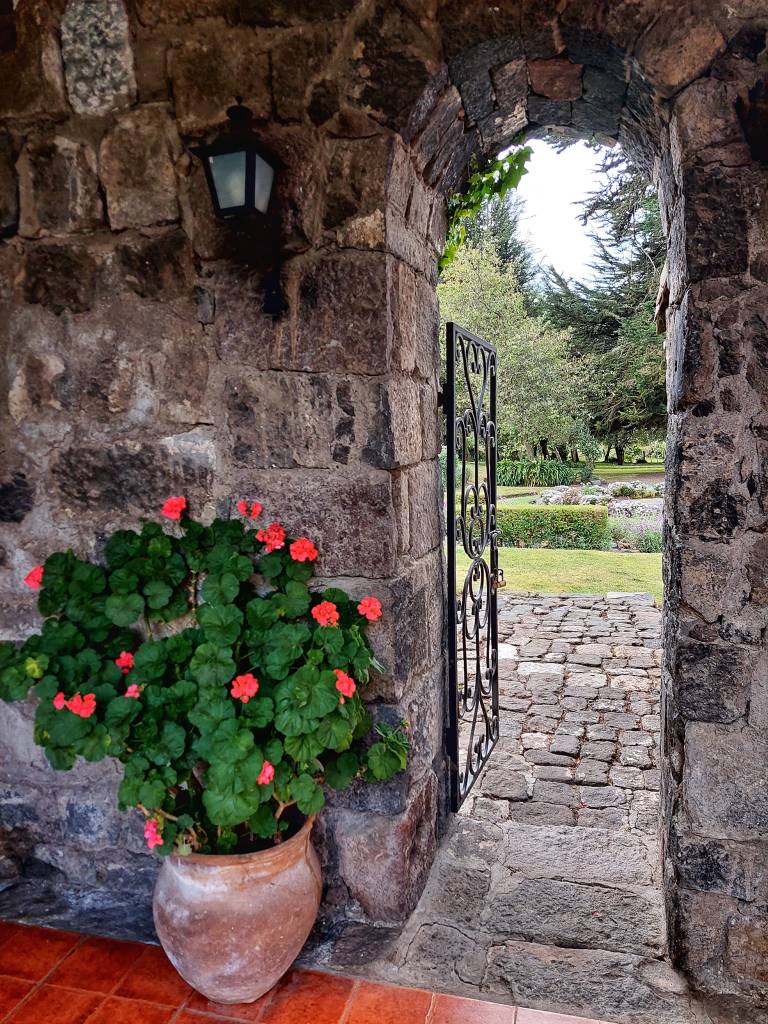
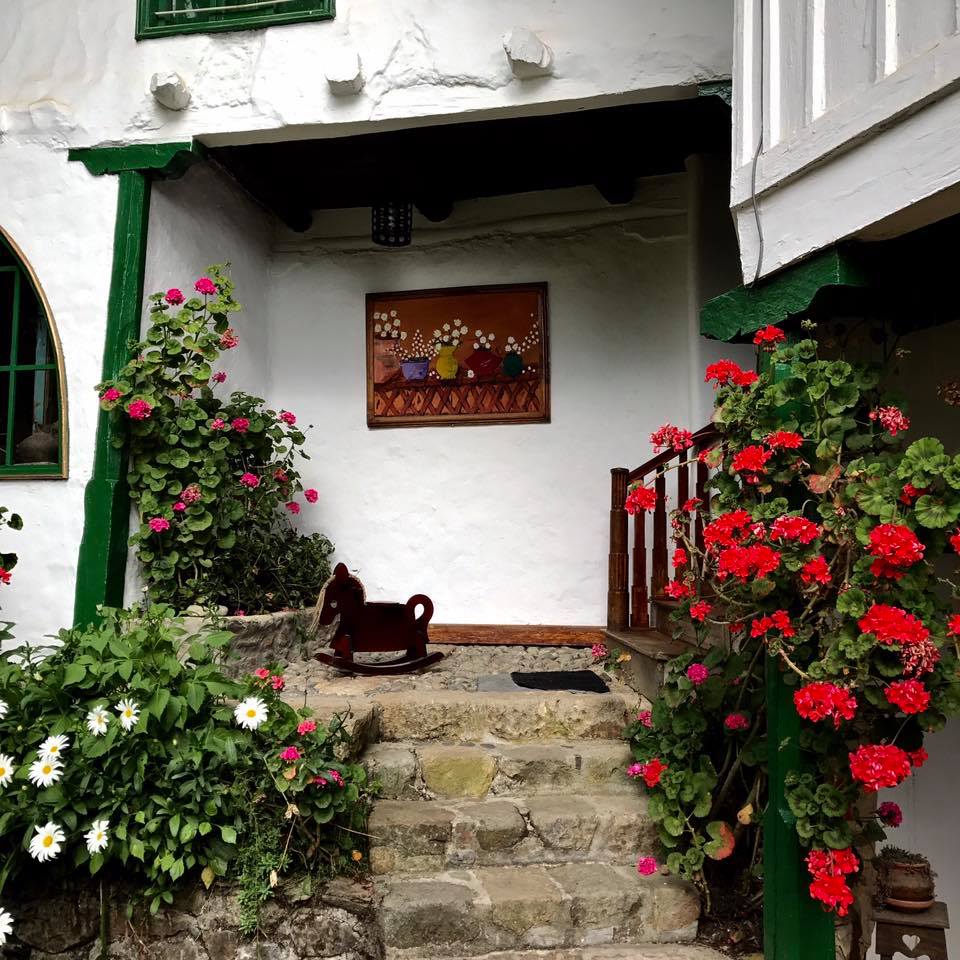
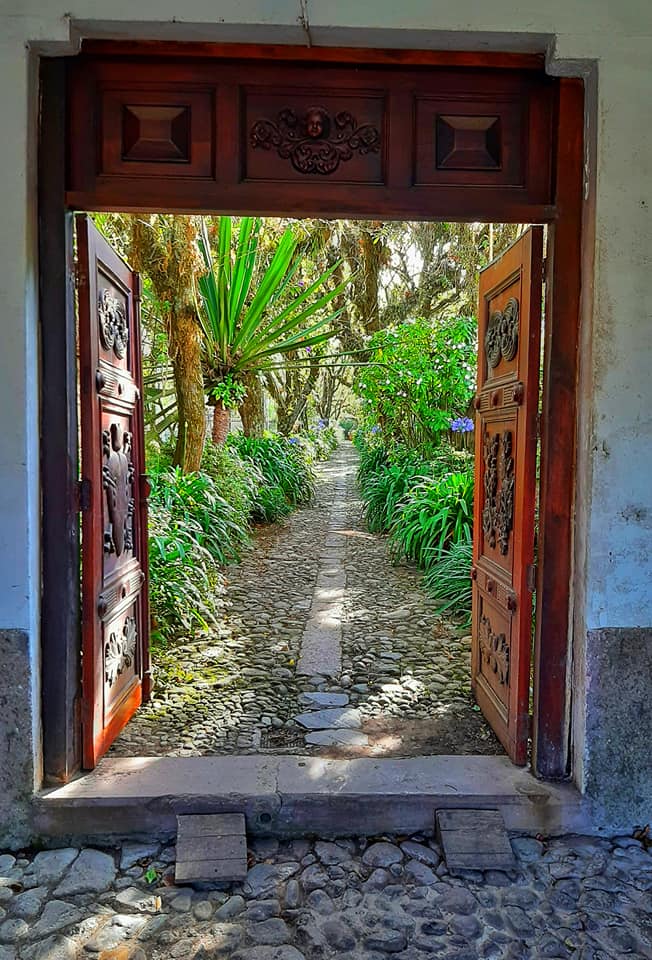
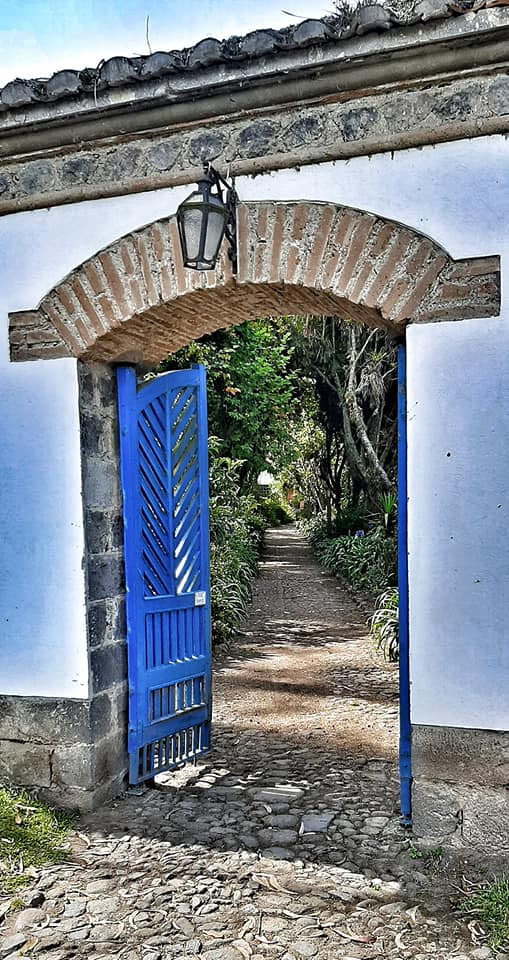
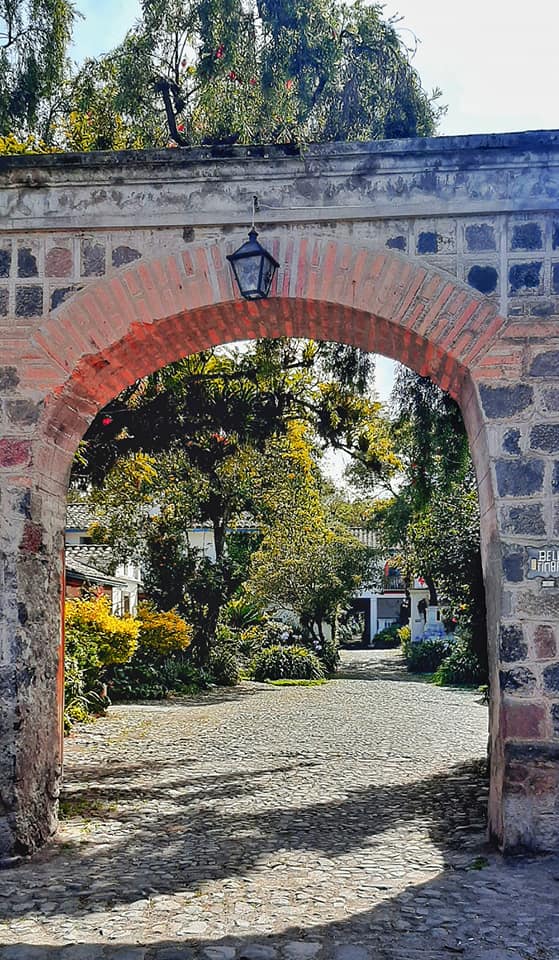
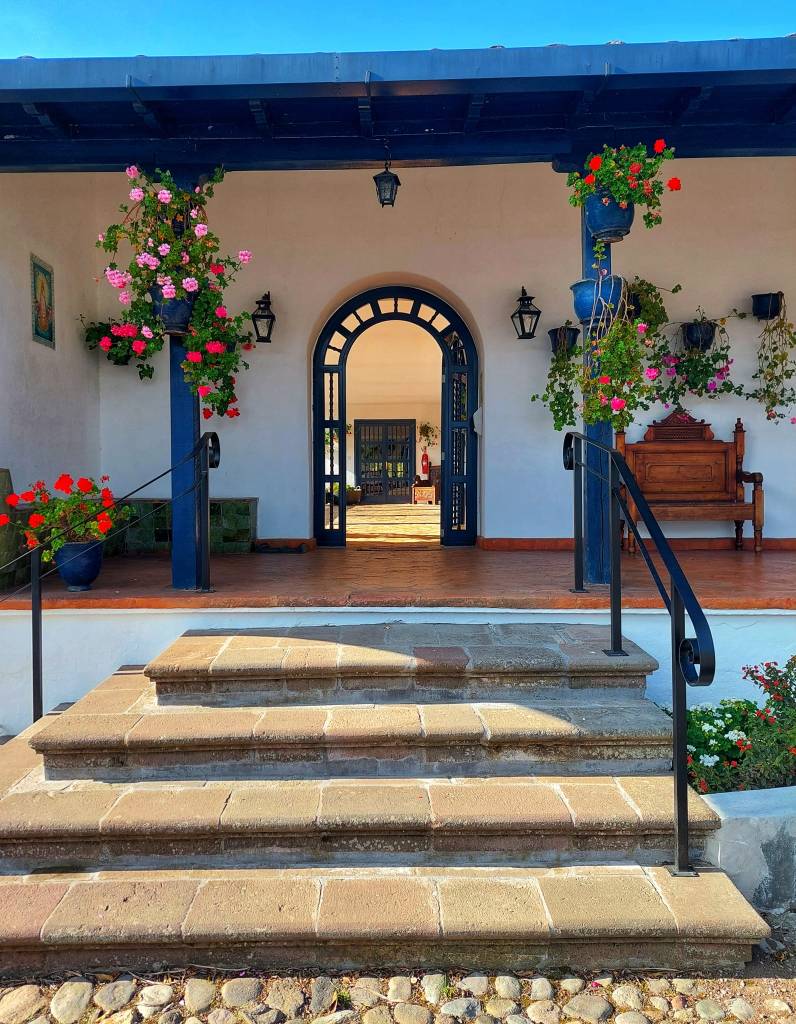
        The front entrance greets you always with roses, and a view through to the gardens.

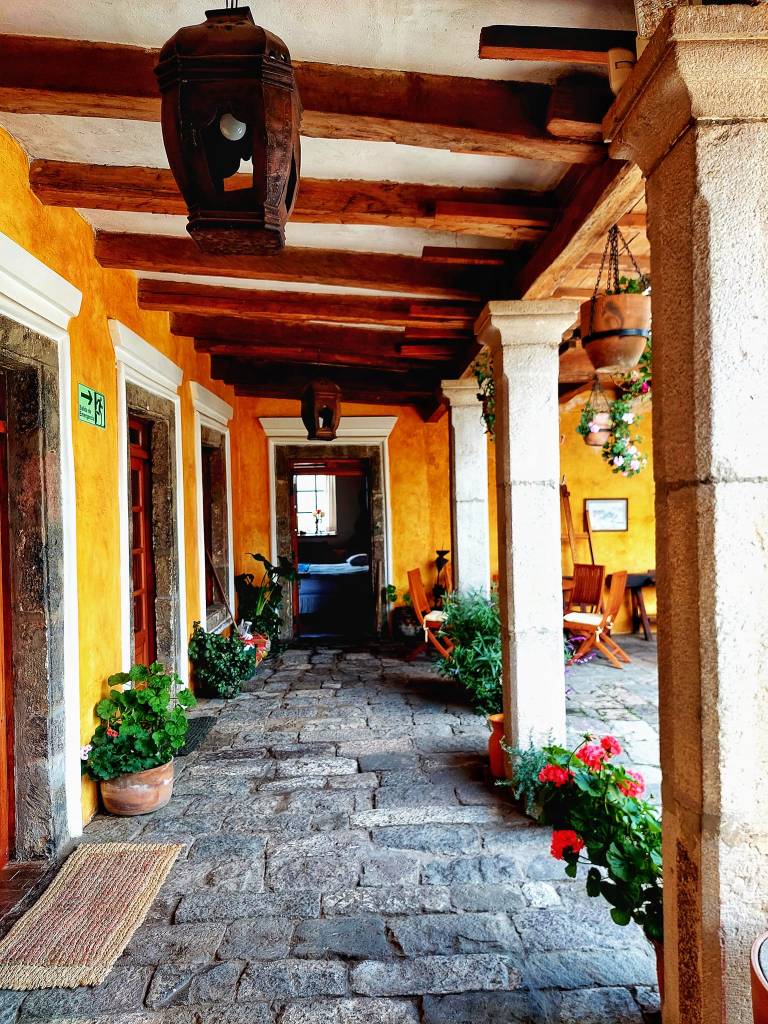
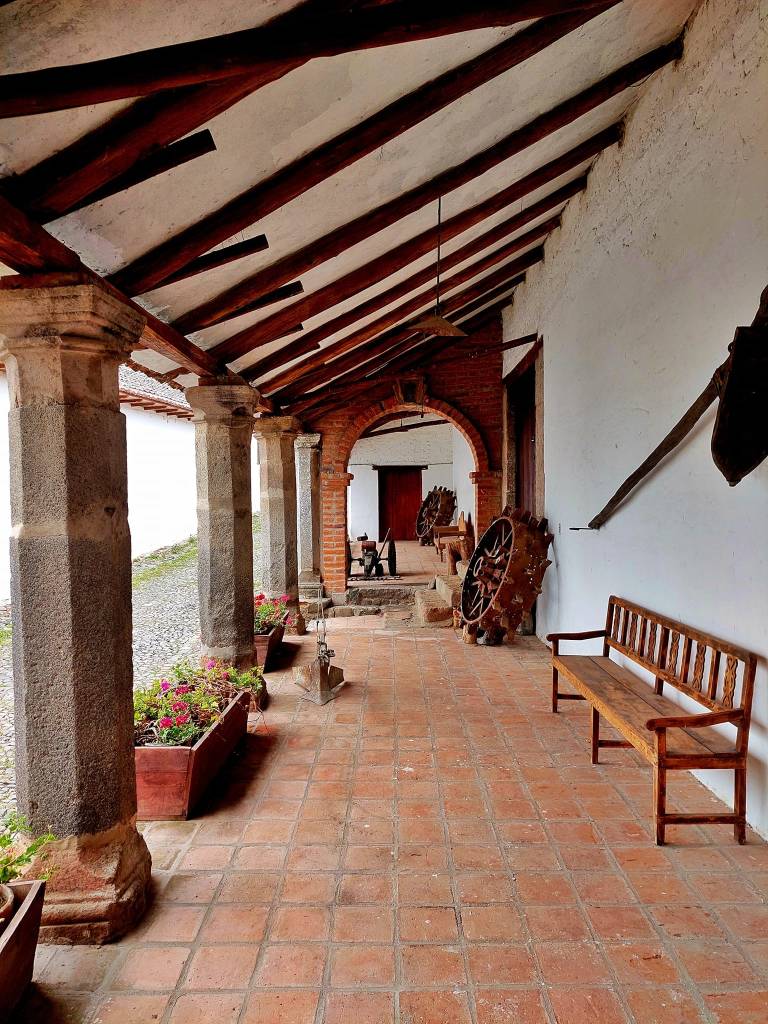
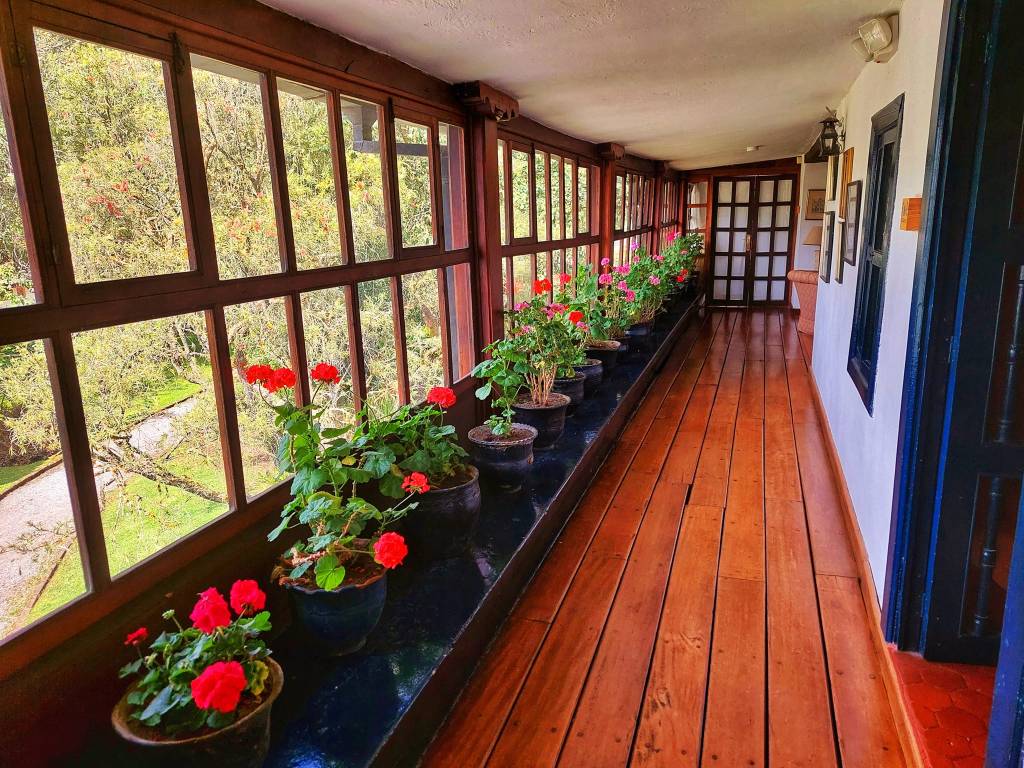
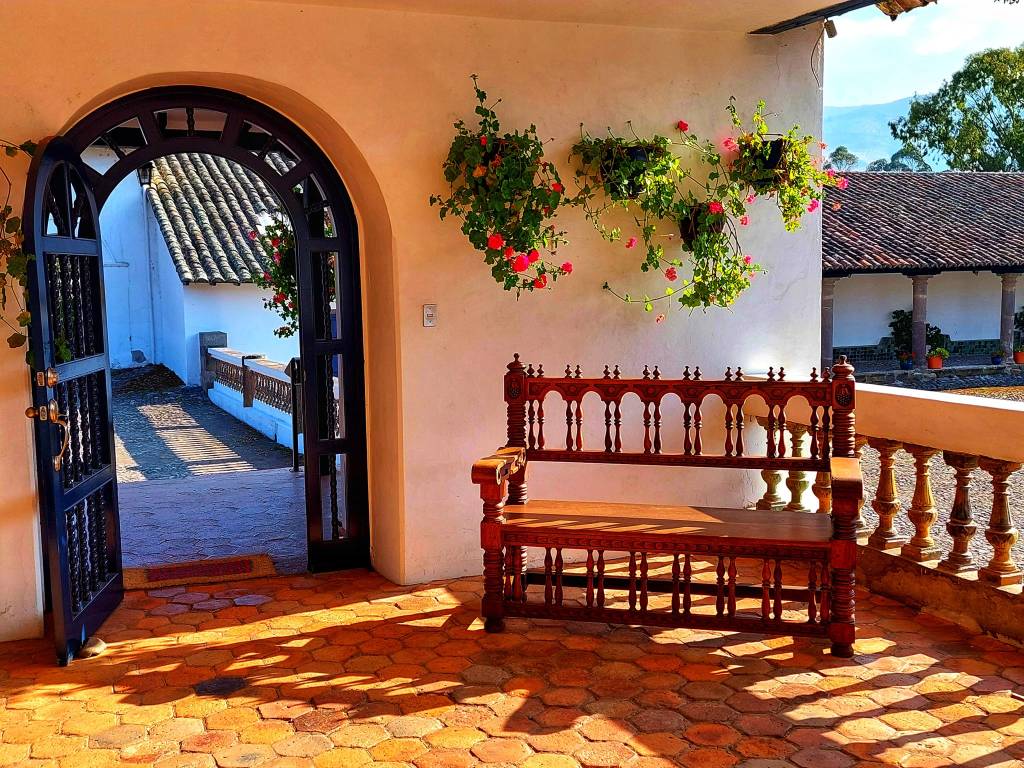
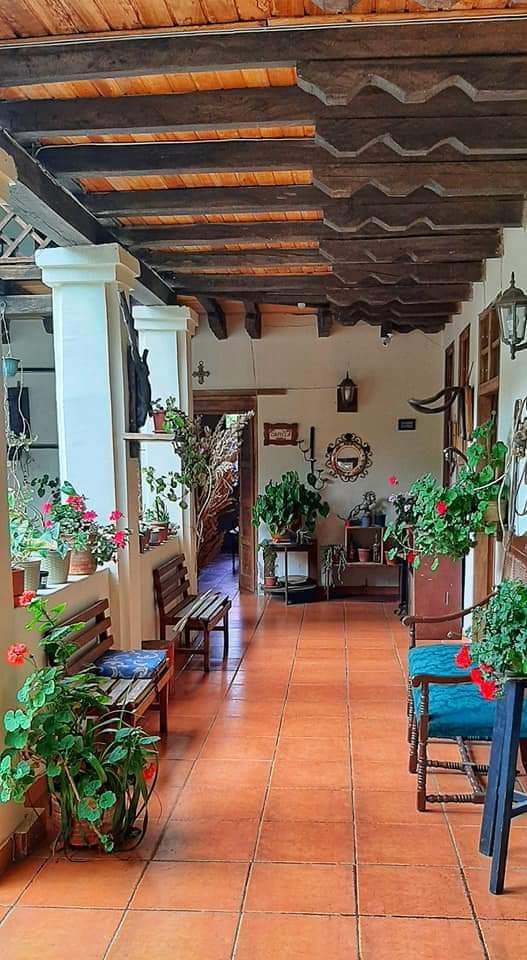
        There are many long corridors to sit and relax, and look out at the gardens. There is always a warm fire to welcome you in the fireplaces.

        This area of Ecuador is full of rose farms, so there are roses everywhere in the Hacienda!

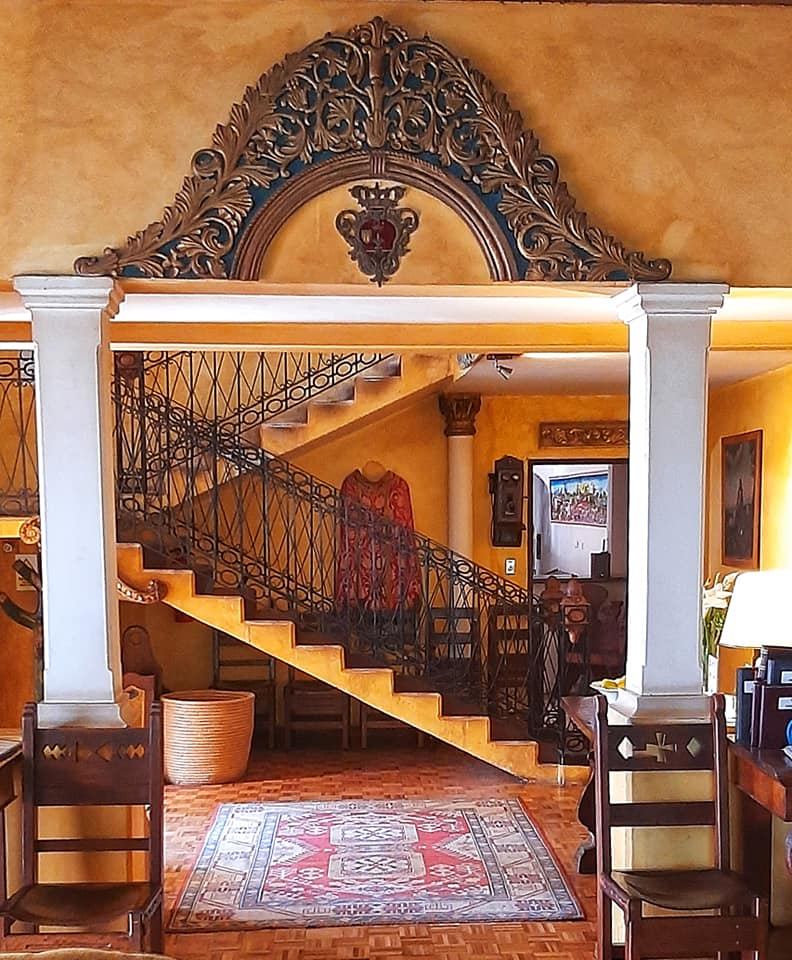
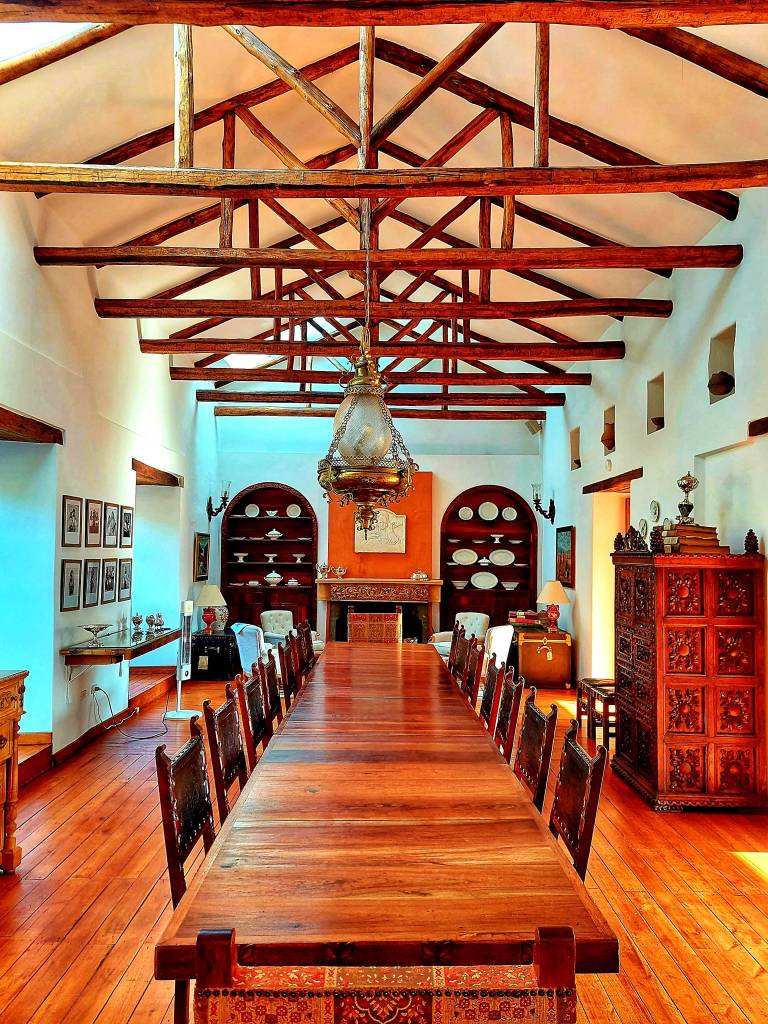
        There are so many choice period pieces of furniture. And the hallways are lined with family portraits, and photos of famous persons who have stayed here.

        The Alexander Von Humboldt suite

        This plaque is outside the Alexander Von Humboldt suite. He stayed here in 1802. Von Humboldt was a German naturalist and explorer.

        In 1800, and again in 1831, he described scientifically, on the basis of observations generated during his travels, local impacts of development causing human-induced climate change.

        Humboldt is seen as “the father of ecology” and “the father of environmentalism”.

        There are two foot thick stone walls in the bedrooms.

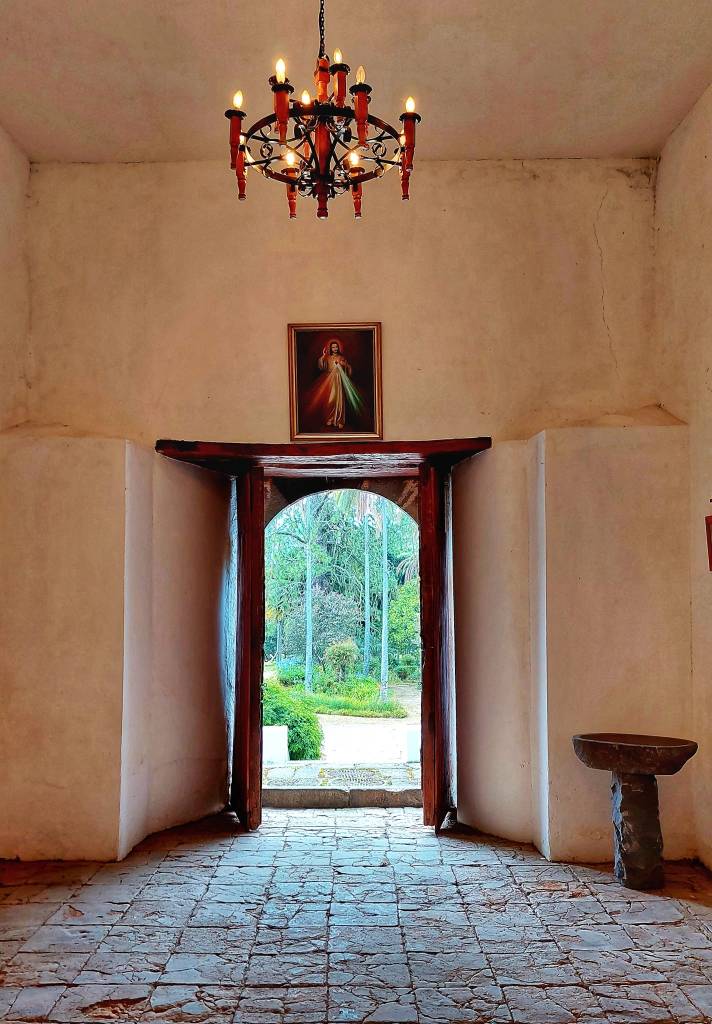
        The chapel. Weddings may be held here. How romantic!
        The 10ft doors were hand carved featuring the symbol of the marquisate of Maenza – a two headed eagle.

        The view of the Hacienda from the back, and the gardens.

        In 1742 the French Condamine mission stayed in the hacienda. They were on a mission to determine the location. curvature, and size of the equator.

        Some of the corridors display the family genealogy.

        The restaurant is always open, and visitors who are not guests of the hacienda can enjoy meals here.

        I climbed up to the third floor and it was just at the right time to capture sunset on Cotapaxi!

        RESERVACIONES

        +593 99-001-6428
        reservaciones@haciendalacienega.com

        INFORMACIÓN GENERAL

        +593 3-271-9182
        info@haciendalacienega.com

        Panamericana km 326, Lasso, Ecuador

        Hacienda La Compania

        Cayambe Ecuador

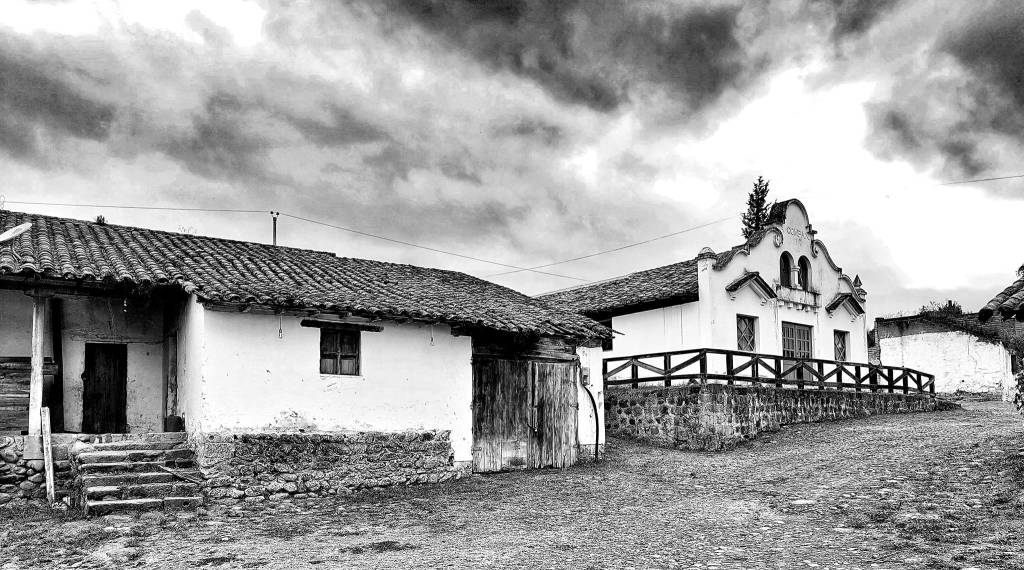
        La Compañía was one of the oldest haciendas of the region. Part of its land had been given in 1584 to Bartolome Ruiz. It was sold to the Jesuits who started to plant wheat , barley, and corn. The chapel and barn were built in 1605.

        The chapel and barn were built in 1605. In 1700 there were 14,306 sheep, 198 cows, and 109 oxen.

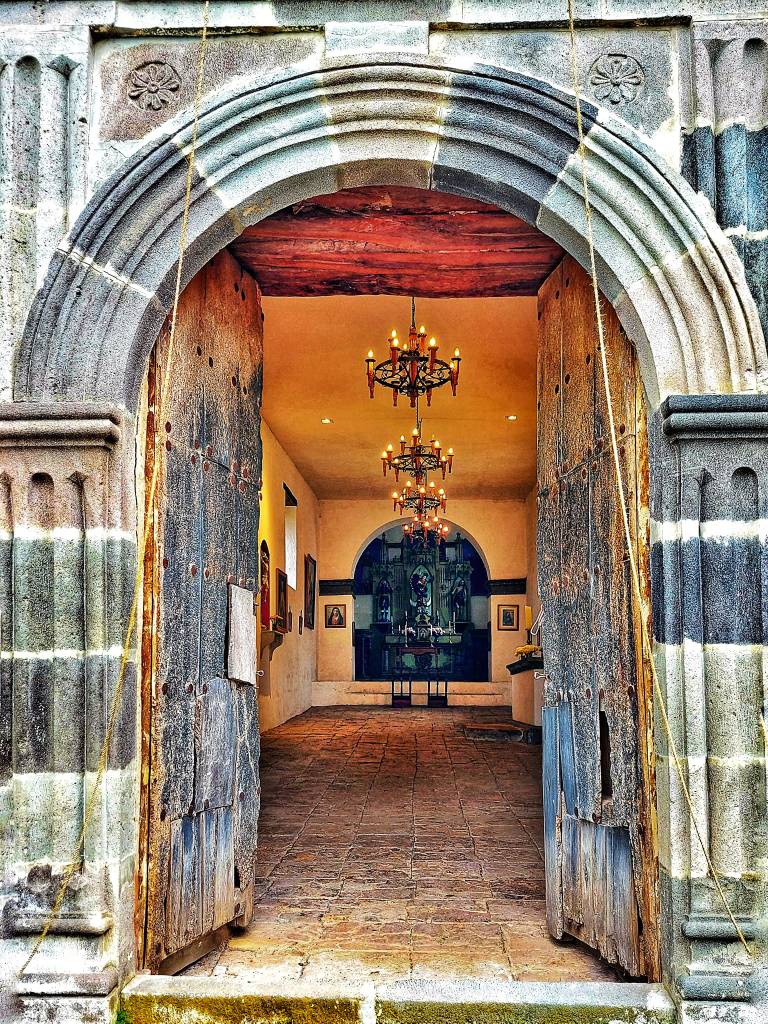
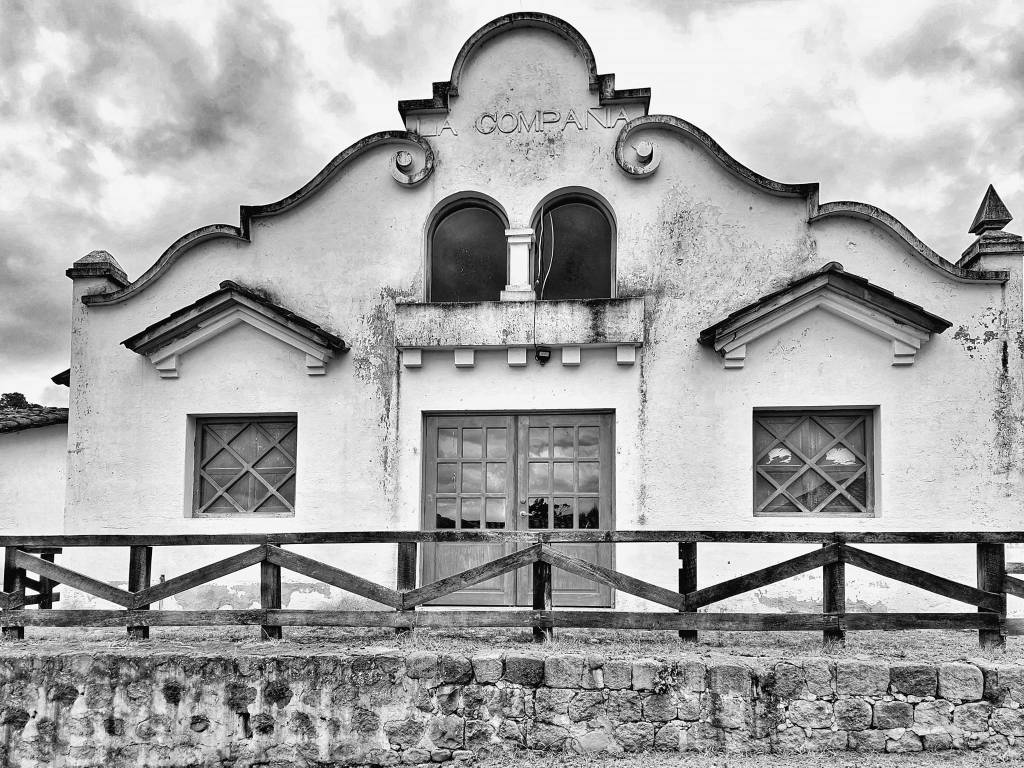
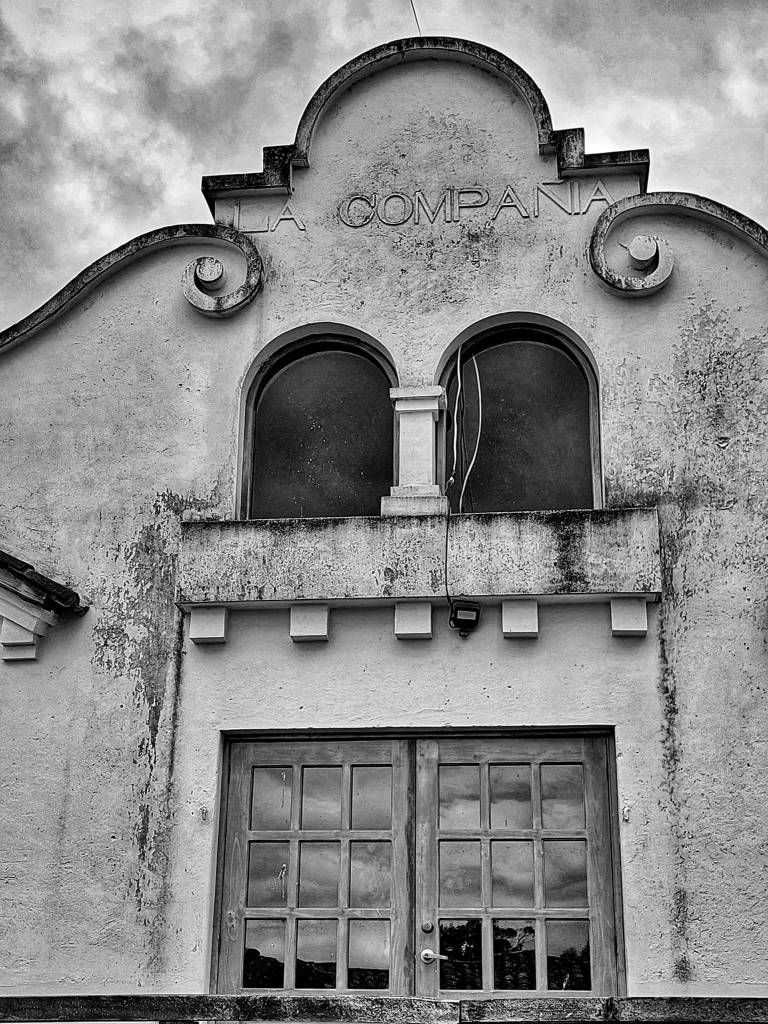
        The chapel stone portal, wooden doors, and walls are colonial era.

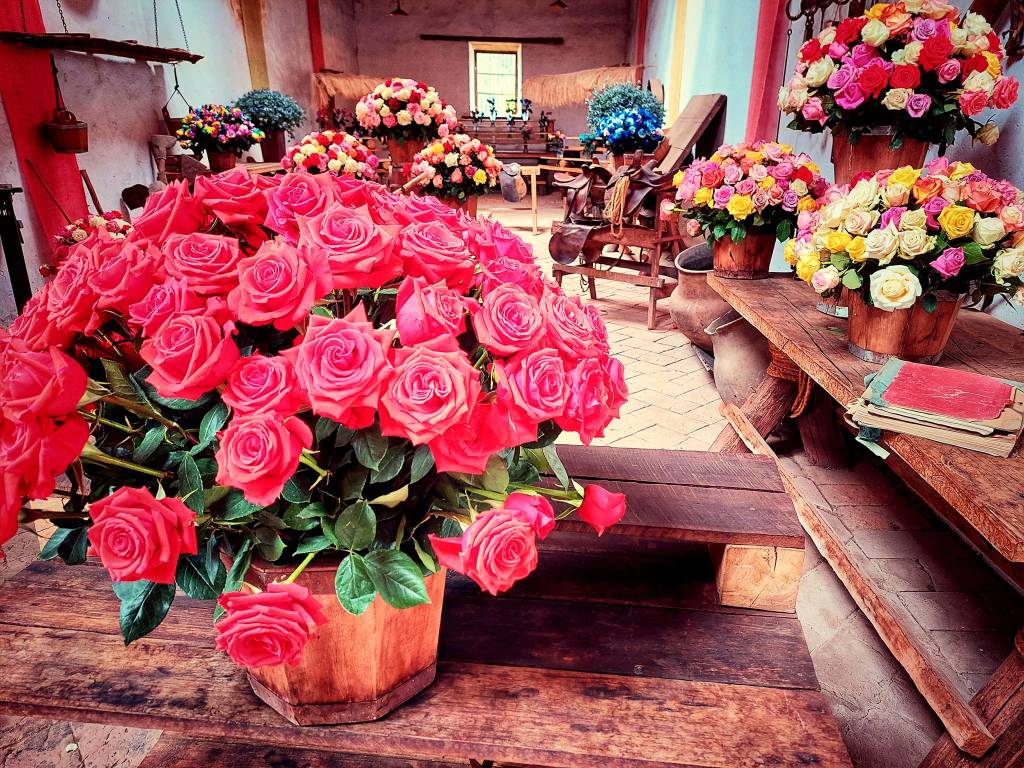
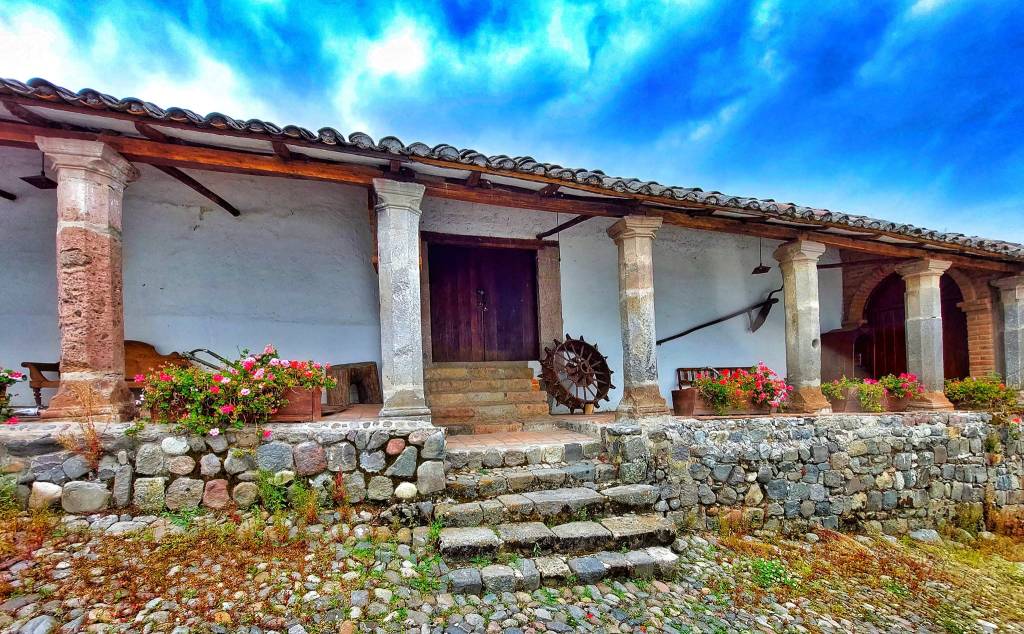
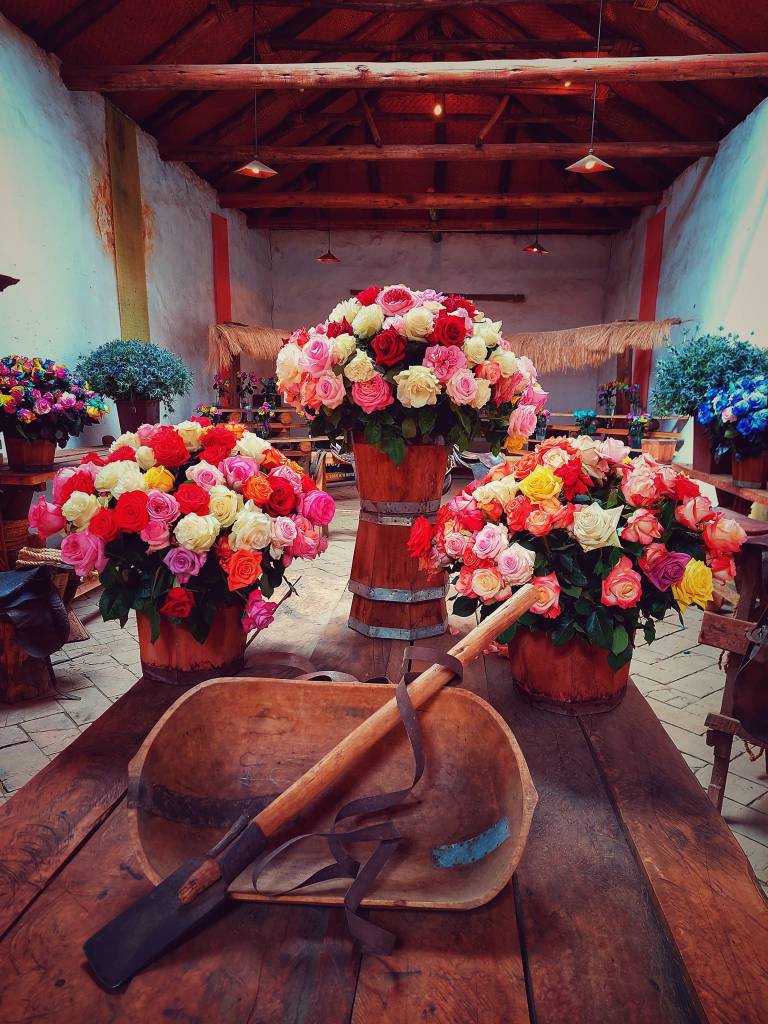
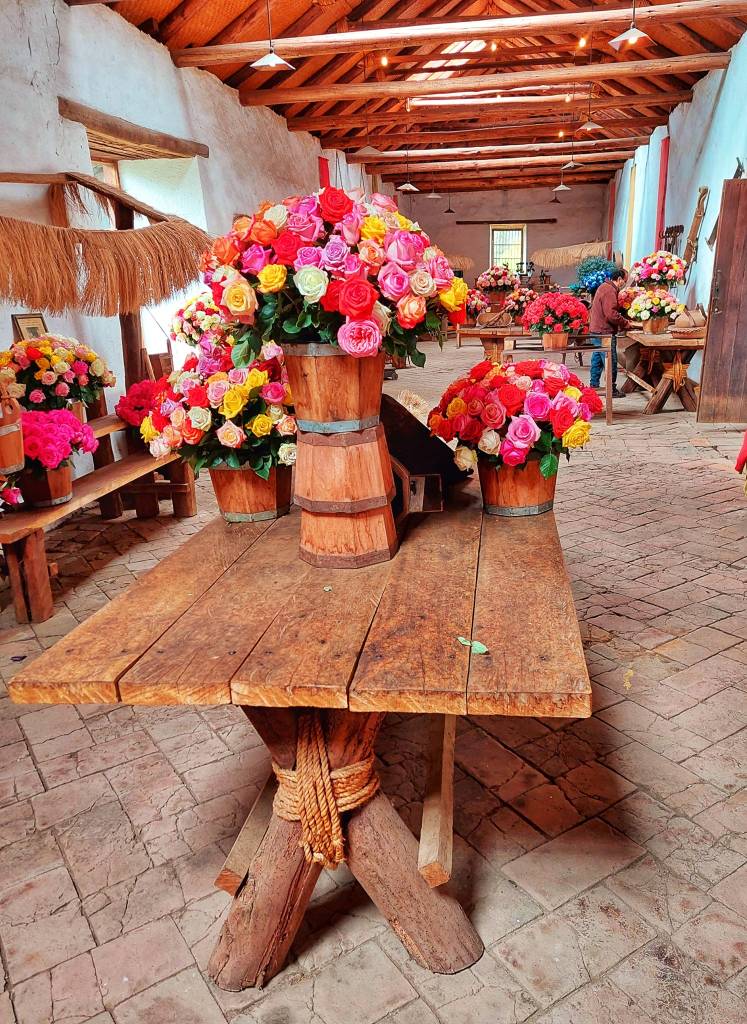
        The Jesuit barn is now used as a showroom for roses from the Rose Farm

        The chapel is on the left, and the barn on the right.

        Office for the showroom, which was built later

        Hacienda Andaluza

        Riobamba, Ecuador

        La Andaluza is set in an historic Hacienda, surrounded by tradition and history as well as the mountains and volcanoes. The Hacienda is found 10 miles outside of Riobamba in the Indian area known as Chuquipoggio, meaning watershed, from the Indian words chuqui (water) and poggio (shed), signifying that water flows there. This 300 year old Hacienda was a meeting spot of patriotic Ecuadorians in 1830 planning the freedom of Ecuador, including Simon Bolivar.

        The Andalusian-style patio at the back is one of the particular features of the site and the reason why it is called La Andaluza . Weddings and receptions are held there.

        The corridors of the old part of the hacienda are part of a private museum. There are more than 1,000 pieces. The most valuable, according to experts, are images of religious art. There are works from the Quito and Cusco schools of art.

        Guests can request horseback riding along the trails surrounding the hacienda, and additionally day trips to Chimborazo can be arranged.

        The hacienda has two meeting rooms and 56 guest rooms.

        Fine dining is available in the Dining Room.


        Panamericana Norte, Km 16 Vía a Quito EC060150 Riobamba, Ecuador.
        http://www.hosteriaandaluza.com

        +593 98 958 5609

        Hacienda Cusin

        San Pablo del Lago,Otavalo, Ecuador

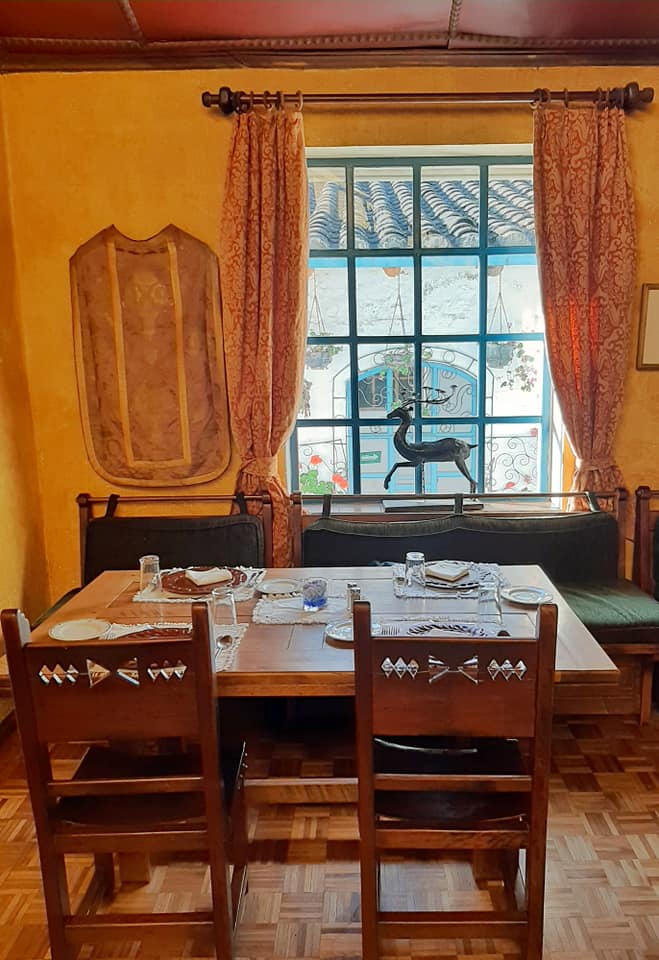
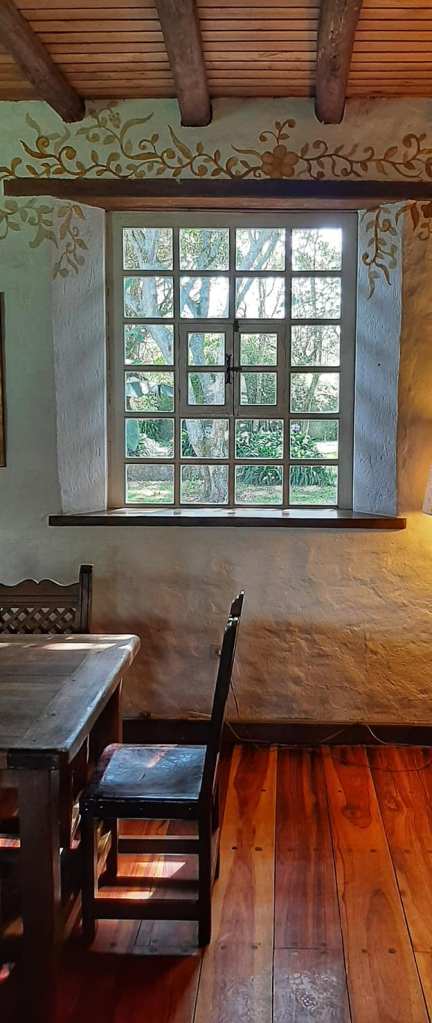
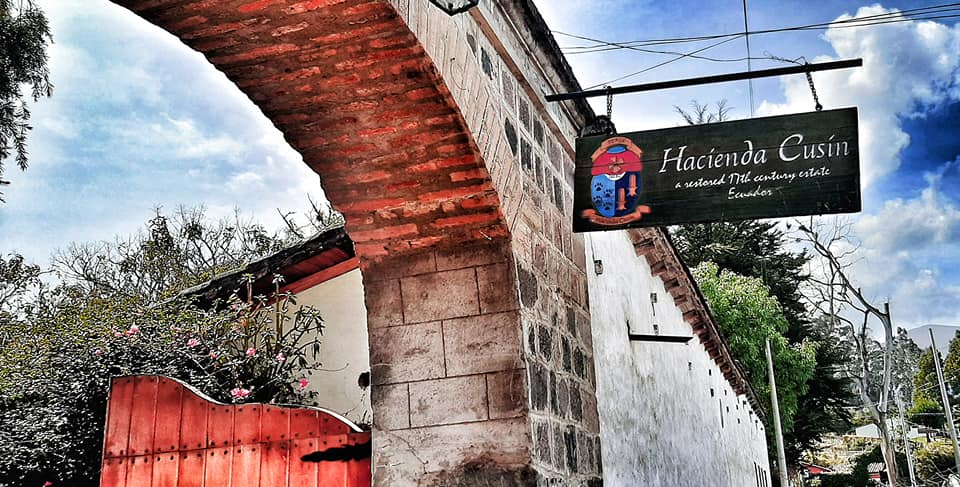
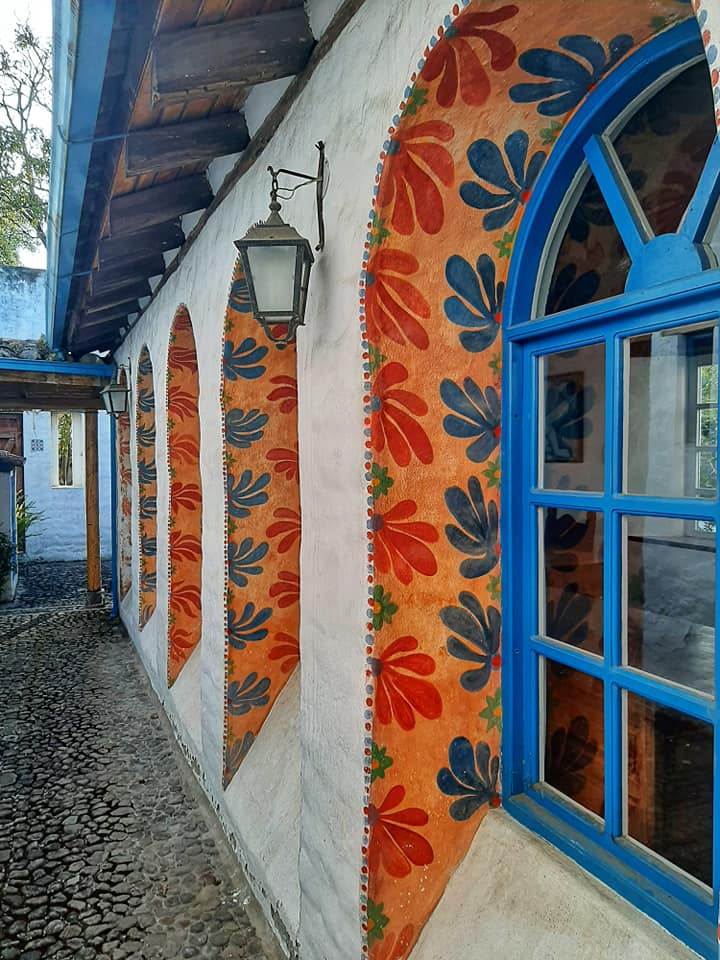
        Luscious is the word I would use to describe Hacienda Cusin outside of Otavalo. Luscious, and charming, and colorful and romantic!  Hacienda Cusin is a restored, 400-year-old Spanish colonial estate. Staying here is literally like stepping back into another time.

        There are at least two theories of where the name came from. One is that Cusin was the name of a brave Caranqui, or chief, who confronted the Incas in the early 1500’s, before the arrival of the Spanish conquistadores.  Another theory is that the name comes from a white edible beetle that appears every November, found on Cusin’s mountain. In Quichua the beetle is called “cuso”.

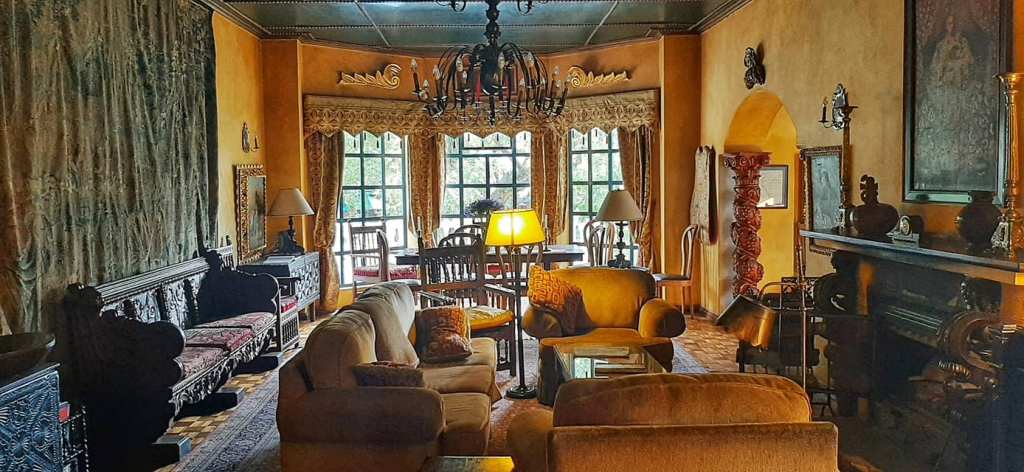
        The original hacienda estate was over 100,000 acres.  It is now presently on thirty acres, with five acres of beautifully landscaped gardens – plenty of room to wonder around in a hacienda daydream! The rooms are all artfully decorated with antiques, sculptures, and period art work.  The Salón Simón Bolívar, has sumptuous tapestries hanging on the walls.  There you can rest in front of the fireplace, while you wait to dine and be spoiled in the elegant dining room. 

        The dining room combines Ecuadorian and International cuisine. Special menus are available for Christmas Eve, New Year’s Eve, Valentine’s Day, and Easter Week. Non-hotel guests are welcome for lunch or dinner with reservations.

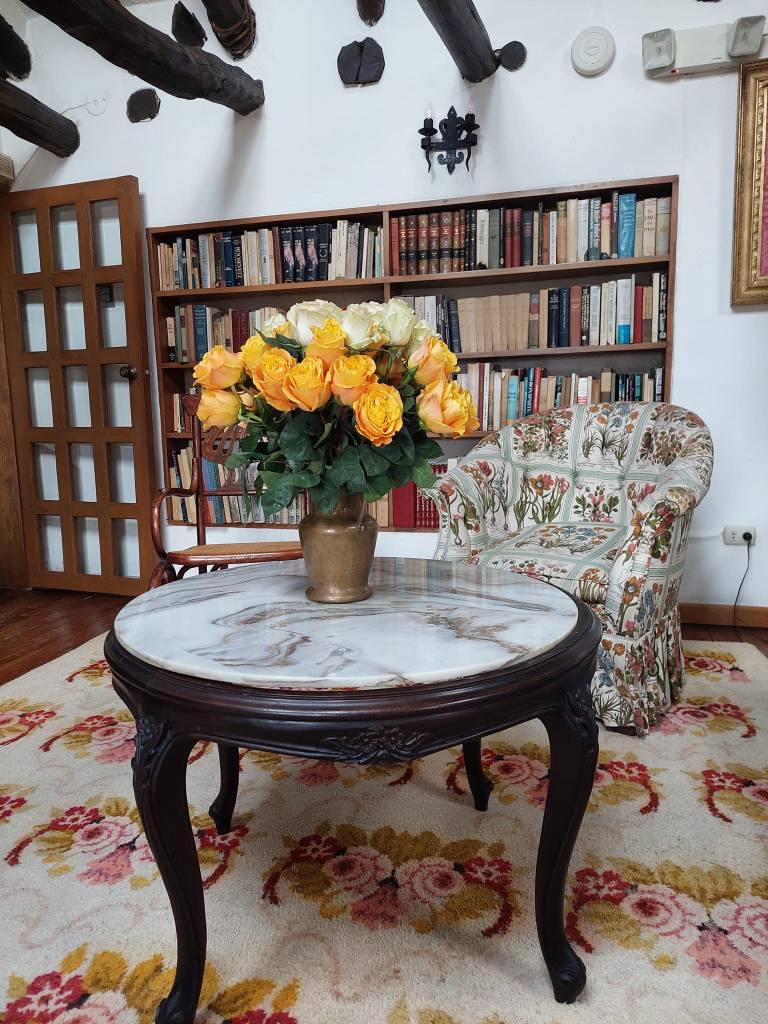
        Enjoy a cup of tea while reading and relaxing in the very lovely library. 

        There are beautiful bedroom suites with fireplaces, and charming colorful artwork.

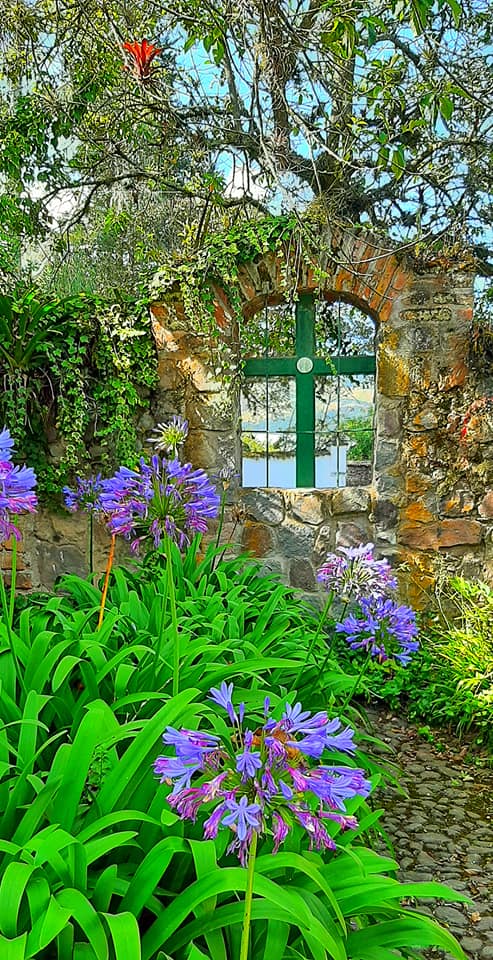
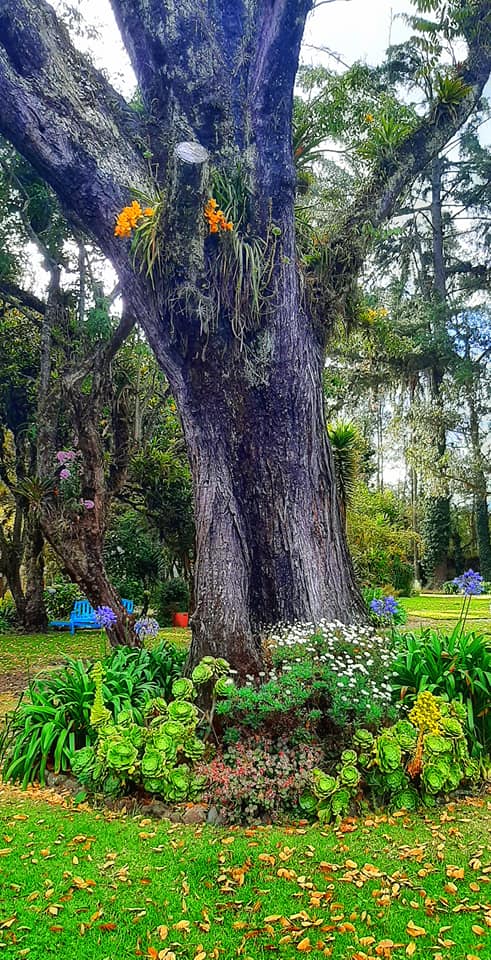
        The gardens and grounds are a dreamy delight!  There are more than 60 plant species including Aztez lilies, agapanthas, acanthas, foxgloves, malya, hollyhocks, roses, poppies, daisies, bougainvillea, hydrangeas, jasmine, calla lilies, and orchids.  Various ponds are surrounded by eucalyptus, magnolia, cedro, walnut, laurel, jacaranda, avocado, banana, and palm trees.

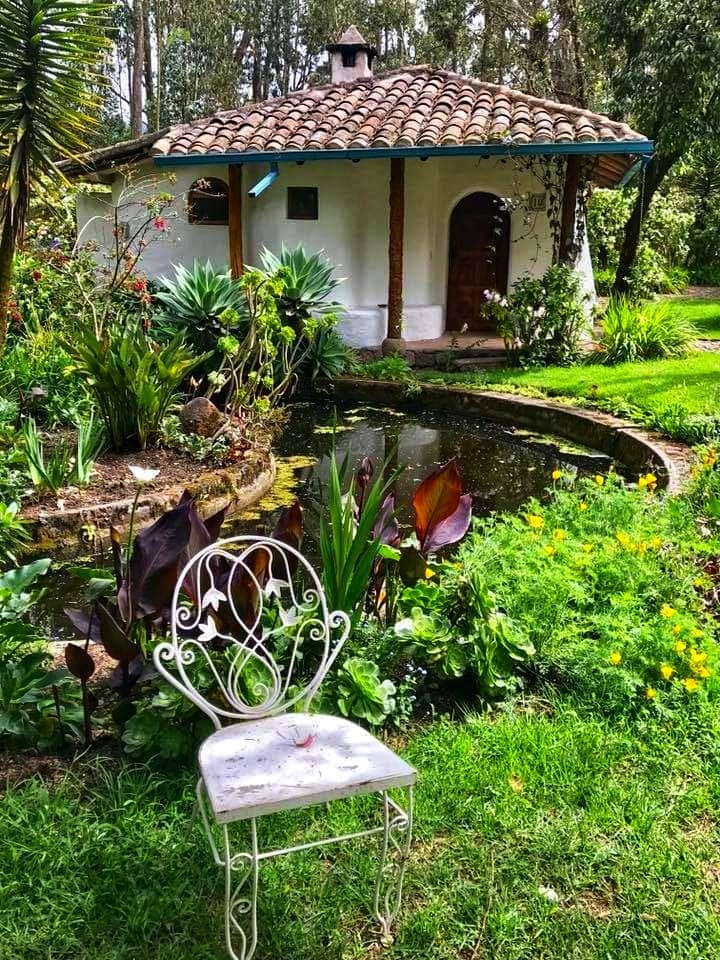
        Garden Cottages located throughout the grounds

        Orchids growing in the tree

        HISTORY OF HACIENDA CUSIN:

        The original hacienda property was purchased at an auction from Philip III, King of Spain by the Luna family in 1602.  The sheep farm was comprised of two valleys and all the land between them – 100,000 acres. During the years of 1928-1945 Clementina Chiriboga managed the hacienda as a farm and a home, harvesting corn and oats.  Cusin used a worker system rather than Huasipungo, (which was really a feudal system) The workers were paid salaries.  Cusin originated a worker system for its 25 permanent workers.  These workers managed a large herd of cattle and two annual harvests of corn and oats in June and November.  Hundreds of additional men from the surrounding area who helped the harvest were paid during an end of harvest party on Cusin’s patio.  During one of these parties, Pepe, the grandson of Clementina, gave an English recitation of Marco Antonio’s speech, “Friends, Romans, Countrymen”. The workers received a week’s holiday for enduring his speech.

        When Ecuadorian National Land Reforms were enacted in 1945, and again in 1964, 90%  of Cusin’s property was redistributed. In 1990, the hacienda was bought by its present owner who restored the buildings, landscaped the gardens, and filled it with wonderful art and antique furnishings.

        In addition to simply enjoying the beauty of the hacienda, there are a large variety of activities available for your visit: horseback riding with horses from the Hacienda stables; mountain biking; Birdwatching; Valley and Mountain Walks and Hikes; Spanish classes; and cooking classes.  Also available are workshops in Andean Instruments; Andean Gastronomy; and Ancestral Weaving.  A visit can be arranged to an Alpaca Community Farm; the Condor Park, San Pablo Town and Lake; Craft Villages; the Cochasqui Pyramids; and of course visiting the famous Otavalo Market. The reception staff is expert at making arrangements for you.

        Hacienda Cusin is a 1 ½ hour drive from the Quito Airport. 

        Hacienda Cusin, San Pablo del Lago Otavalo, Ecuador, 100457.

        Whatsapp: +593 983607779 

        Email:  hacienda@cusin.com.ec

        Hacienda Zuleta

        Zuleta, Imbabura Province, Ecuador

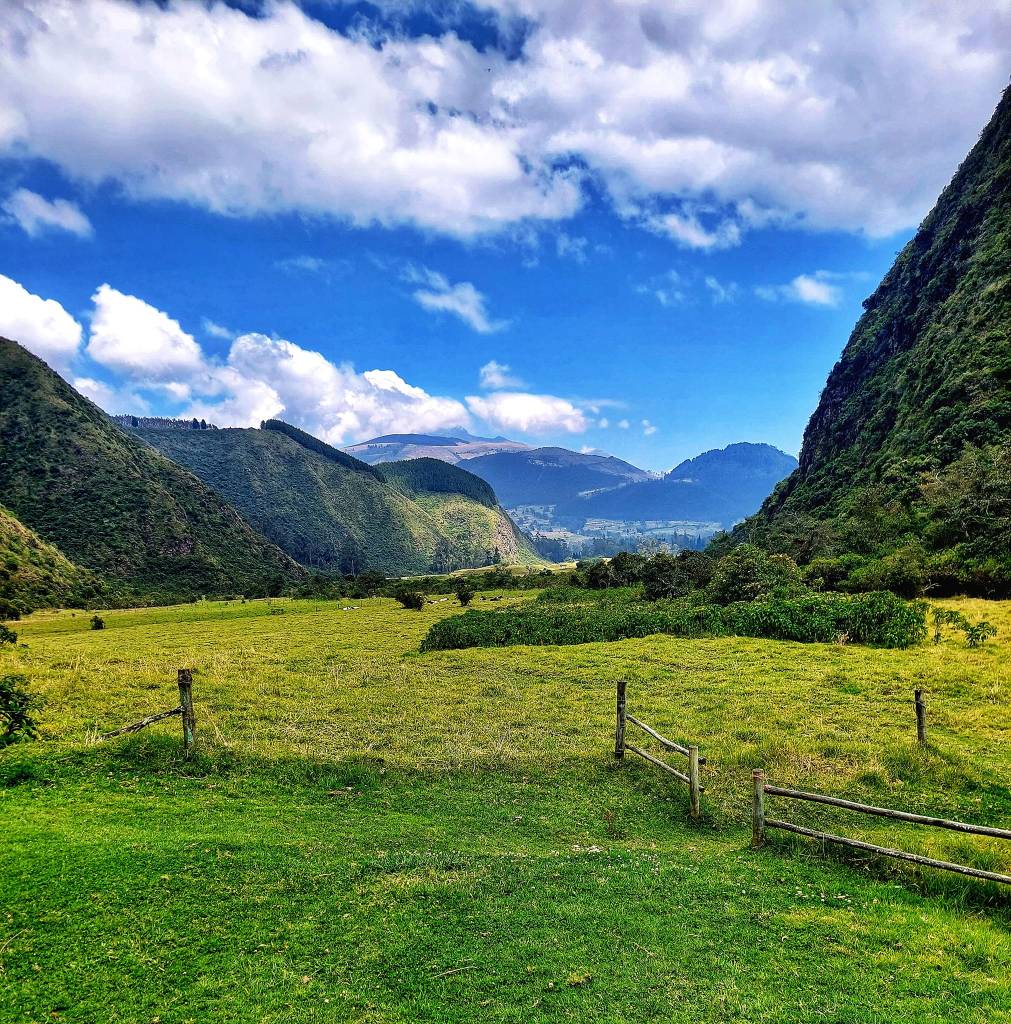
        Dating from the late 16th century, Hacienda Zuleta is a colonial working farm of 4,000 acres that has belonged to the family of Mr. Galo Plaza Lasso, a former president of Eucador, for more than 100 years.  It was chosen as one of the world’s “Top Ten Finds” by Outside Magazine .

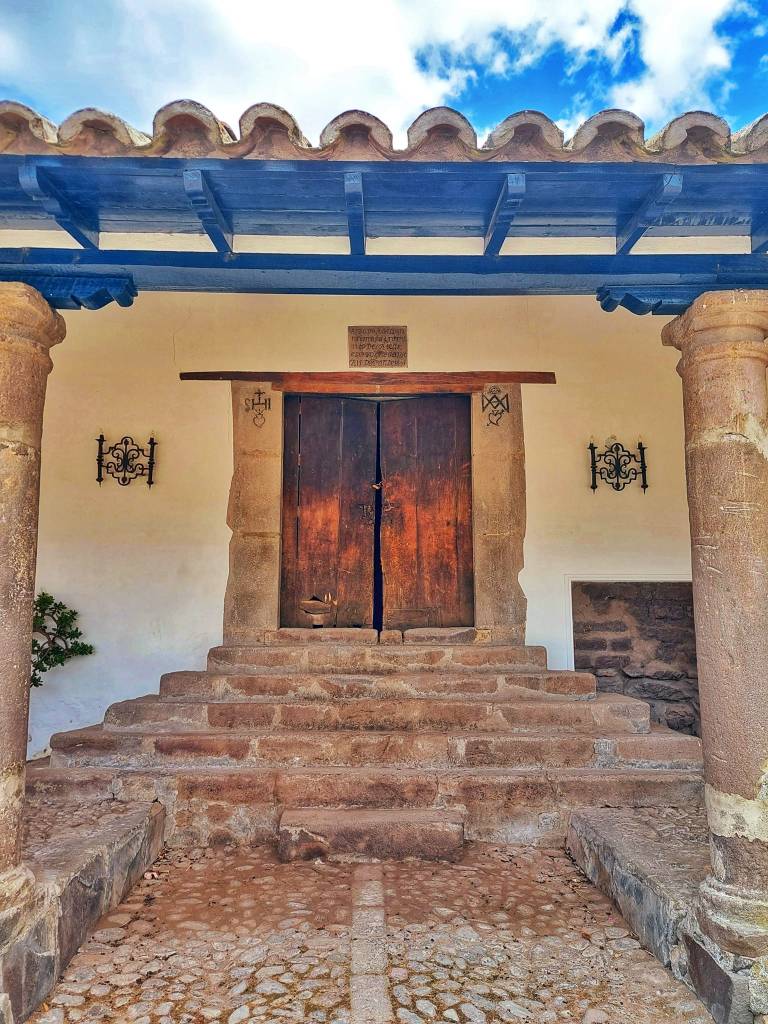
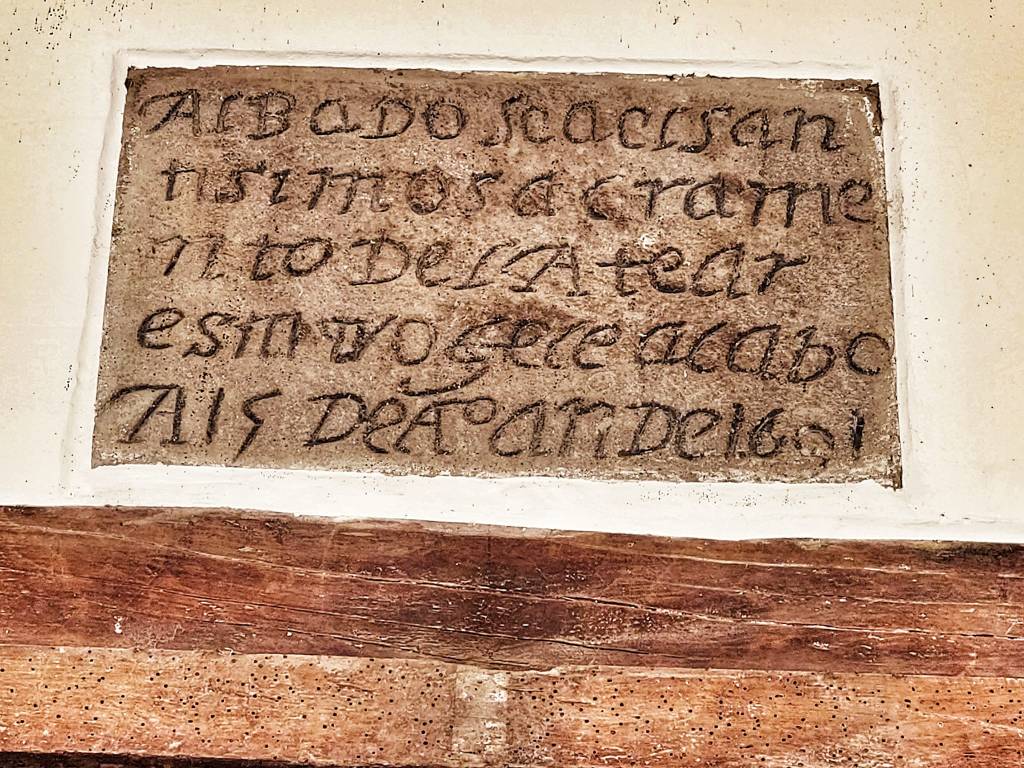
        Zuleta was a typical colonial hacienda, built by orders of the King of Spain at the end of the 16th century.  Much of the original farm was built by the Jesuits and finished late in the 17th century.  A big part of the construction was finished in 1691, as described by an inscription on an old farm building structure.

        Zuleta was bought by the Lasso family in 1898.  Galo Plaza Lasso, who was president of Ecuador from 1948-1952 inherited the Hacienda from his mother and managed the farm until his death in 1987. Galo Plaza Lasso’s father Leonidas Plaza, had also previously been President of Ecuador,

        Galo Plaza was twice Ambassador of Ecuador to the United States before becoming President of Ecuador in 1948.  After that he was elected in 1968 as Secretary General of the Organization of American States. 

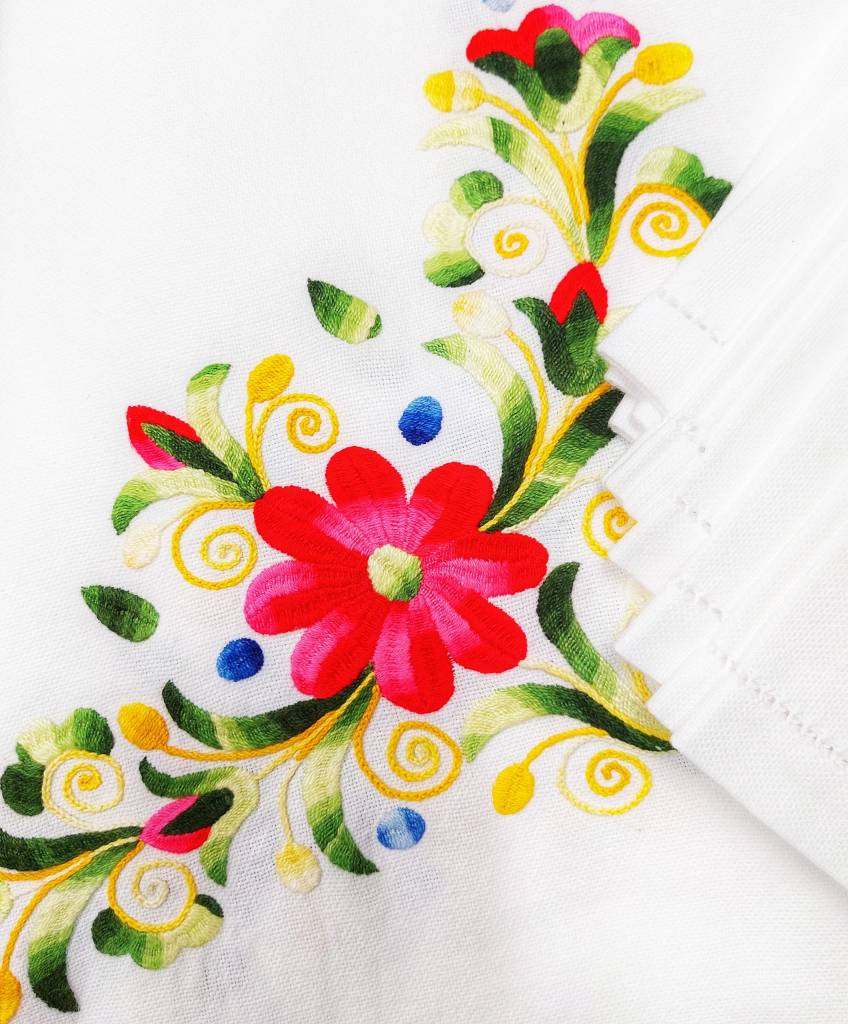
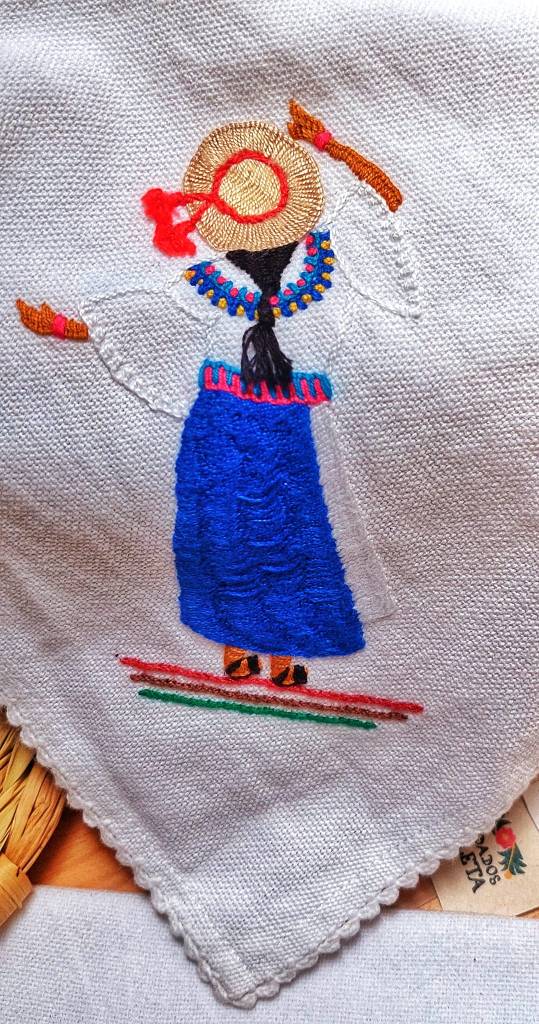
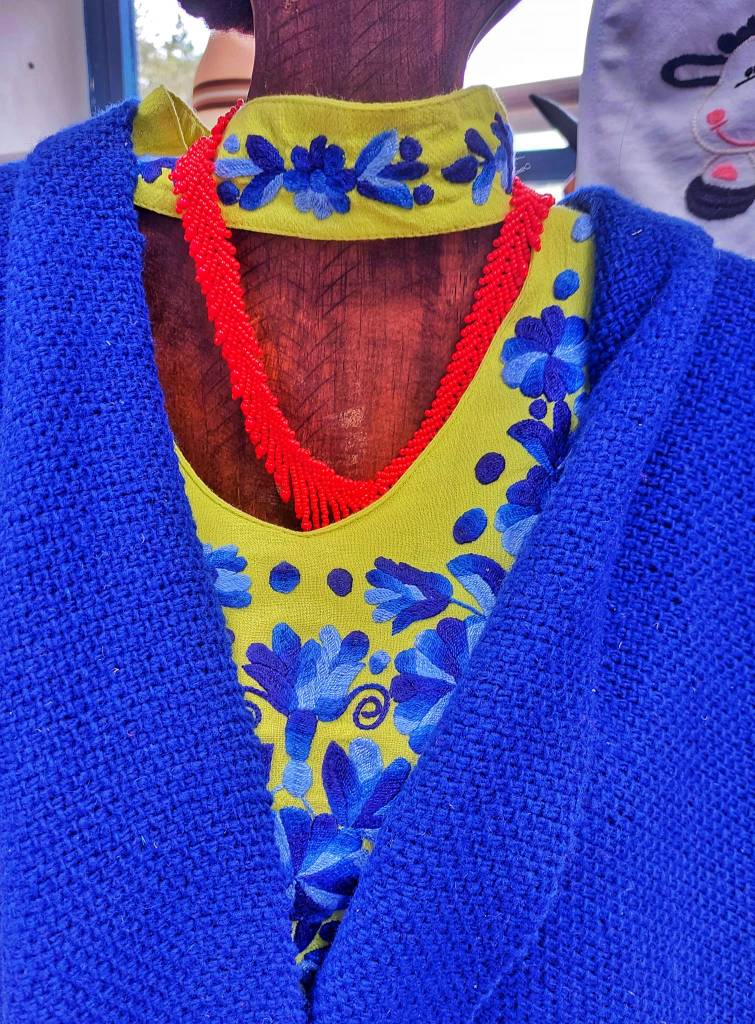
        In 1959 Galo and his wife Rosario started “Bordados de Zuleta” a project intended to help the women of the area to earn an income by embroidering.  The program is still in effect and you can find many of the products in the gift store at the Hacienda.

        The hacienda has 21 handsomely decorated guestrooms; beautiful gardens, and multiple gracious living and reading rooms. 

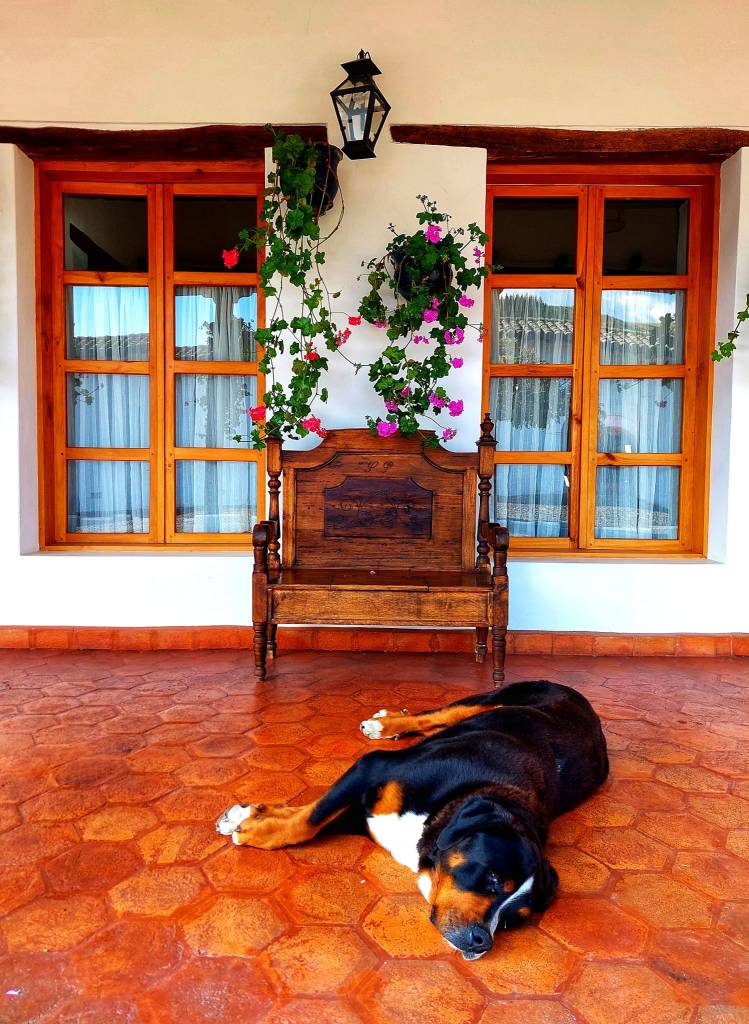
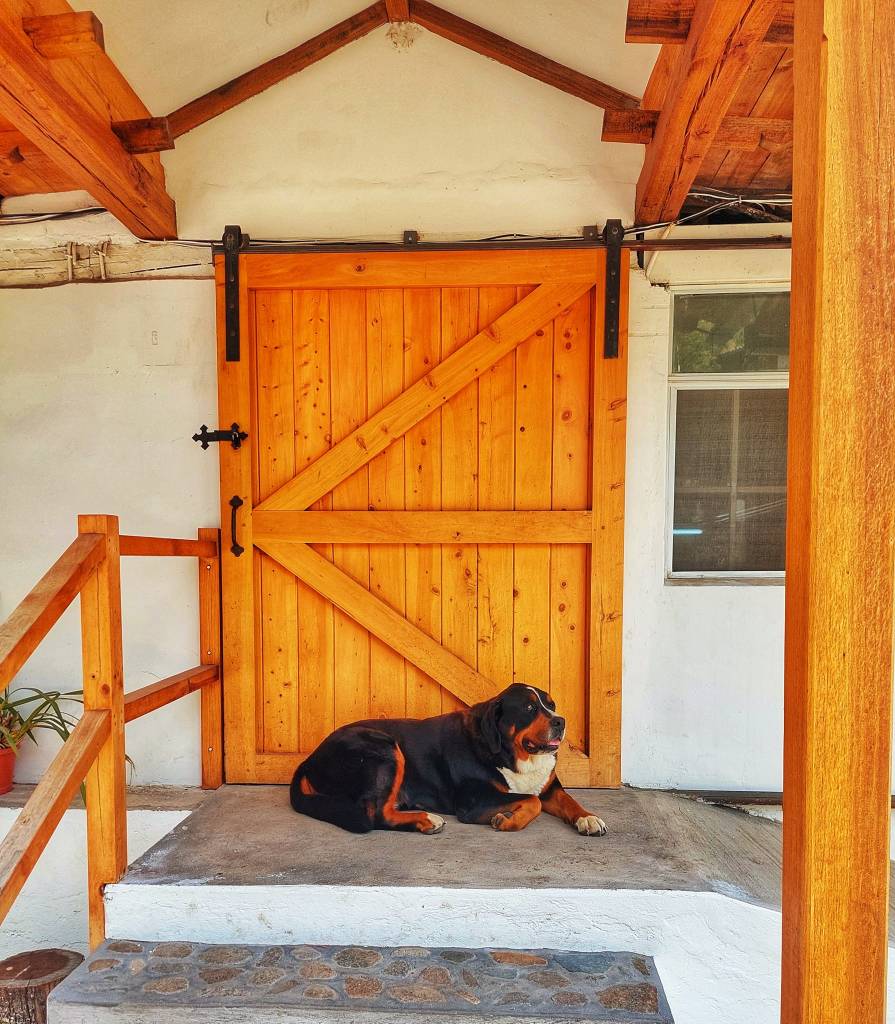
        Mambo, guarding the front door.

        Margarita Plaza Pallares – youngest daughter of Galo Plaza, lives at the Hacienda and loves to meet guests and entertain with stories of the Hacienda life.

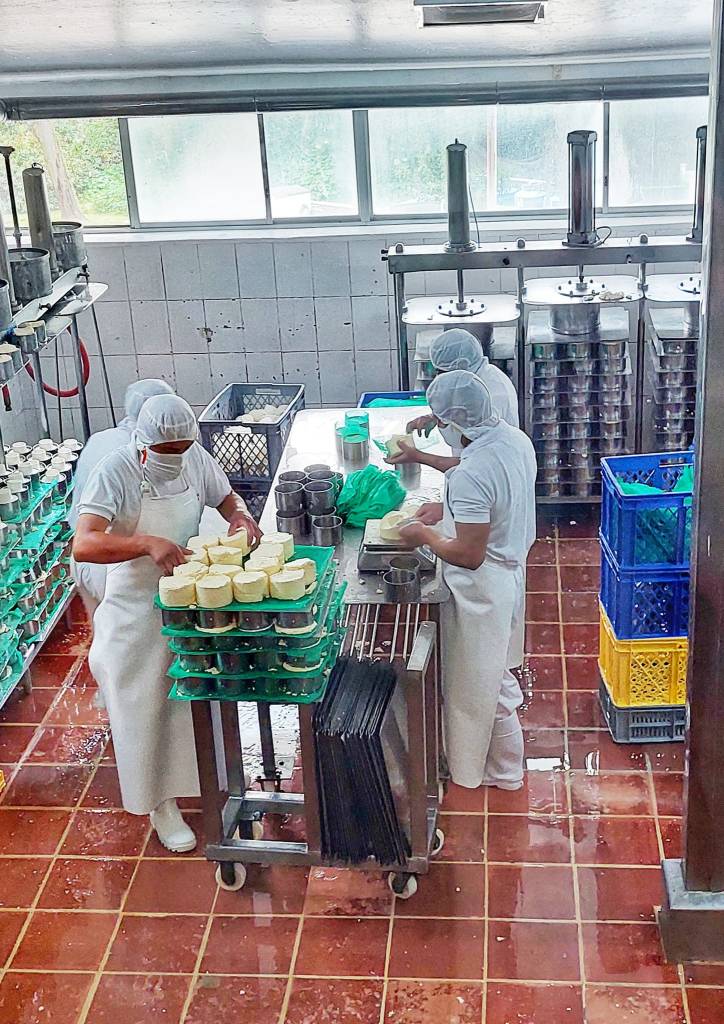
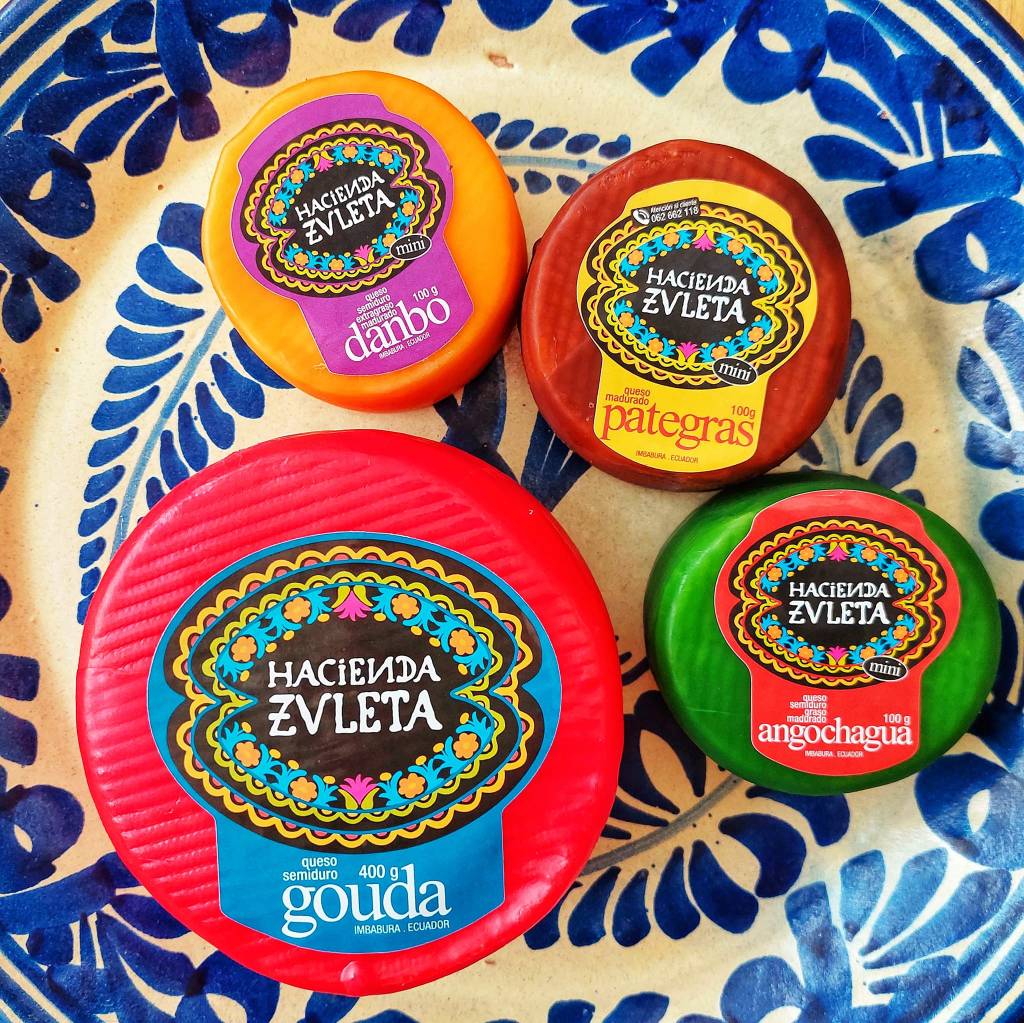
        The hacienda produces 6,000 liters of milk daily from approximately 300 Holstein-Friesian cows.  The milk is used to produce cheese in Zuleta’s cheese factory.

         Virtually everything coming to the table of Hacienda Zuleta comes fresh from the organic garden, along with fresh milk, cream, and cheese from Zuleta’s dairy cows.

        Local farmers bring their milk to sell to the farm.

        The cheese factory, employing local workers.

        Mambo, guarding the cheese factory….

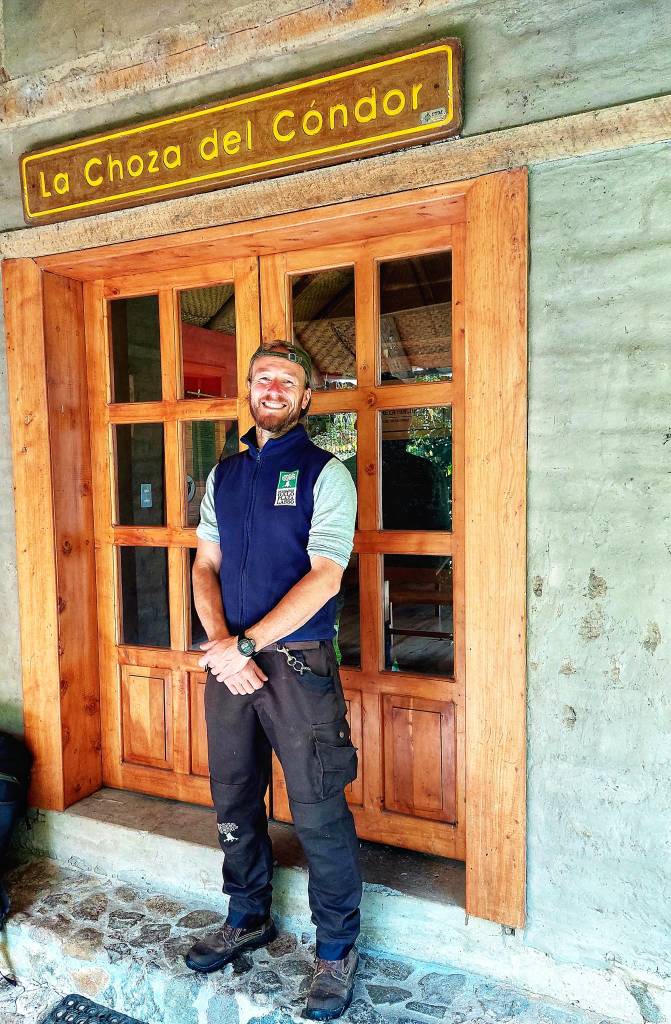
        The Condor Huasi Rehabilitation Project at Hacienda Zuleta was created to accomplish the conditional reintroduction of captive condors to the wild – condors that have suffered human aggressions,  and come from various types of captivity, and therefore face an uncertain future.

        The edducational aspect – specific focus on the children, will be educated in order to raise the level of consciousness of environmental conservation.  Andean Condors in Ecuador are an endangered species, only a maximum of 75 wild condors in the country.  Their food supply has also diminished because of a decrease in the death rate of cattle (condors are carrion eaters)  The Condor Huasi project provides food for wild condors in order to aid to the repopulation process and survival of the Condor. 

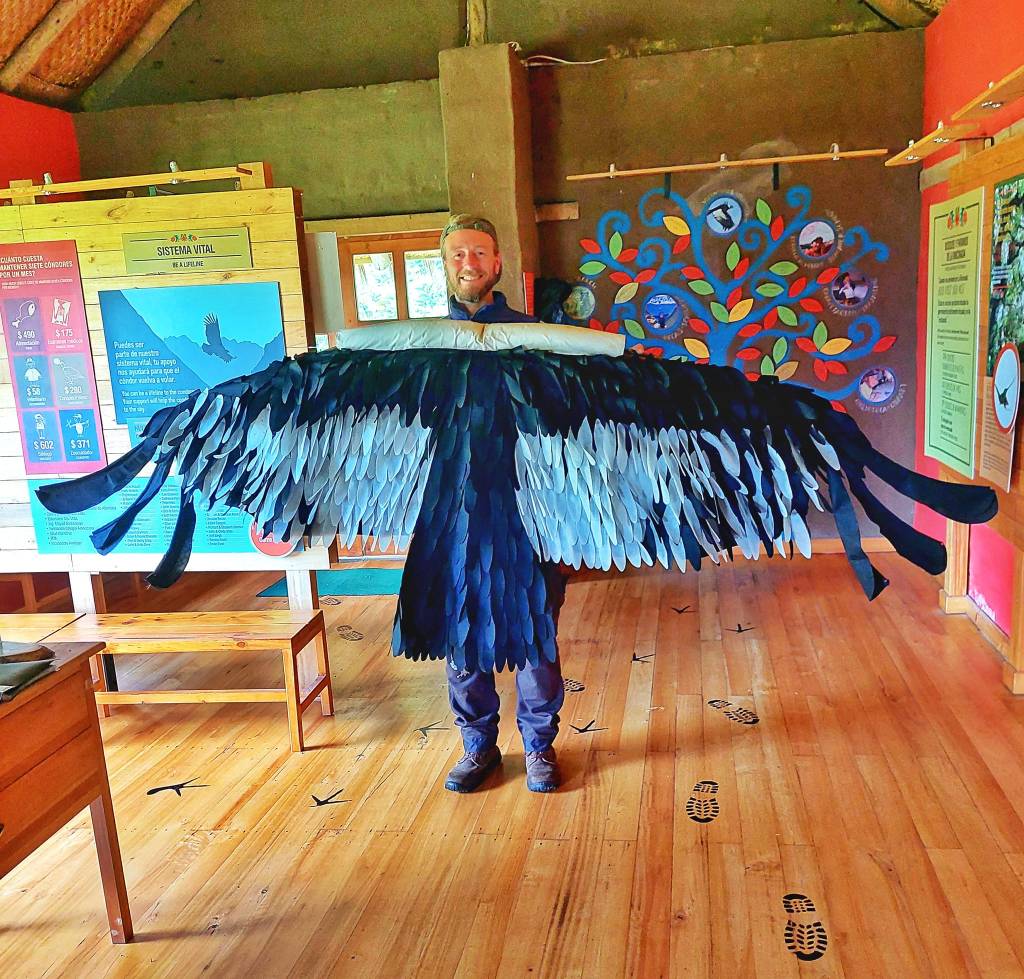
        Yann, a french biologist, demonstrates the wing span of a condor. Condors can travel up to 186 miles a day, and they can glide for several hours on wind currents when there is good weather. They live approximately 50 years.

        Activities for guests include:  miles of trails, hiking, trekking, horseback riding,  riding programs, mountain bikes, bird watching, and even a horse drawn carriage.  There are archaeology tours of the Caranqui Pyraminds of the Pre-incan and Incan Period

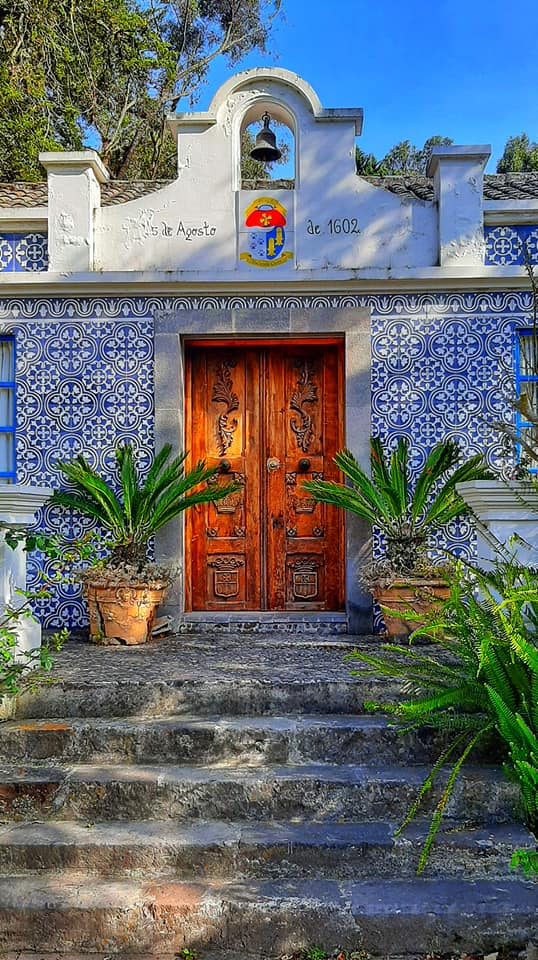
        Stone plaque on top of farmhouse built by the Jesuits “Behold Sacred sacrament, that this house was finished the 15 of August of 1691”

        Hacienda records from 1898

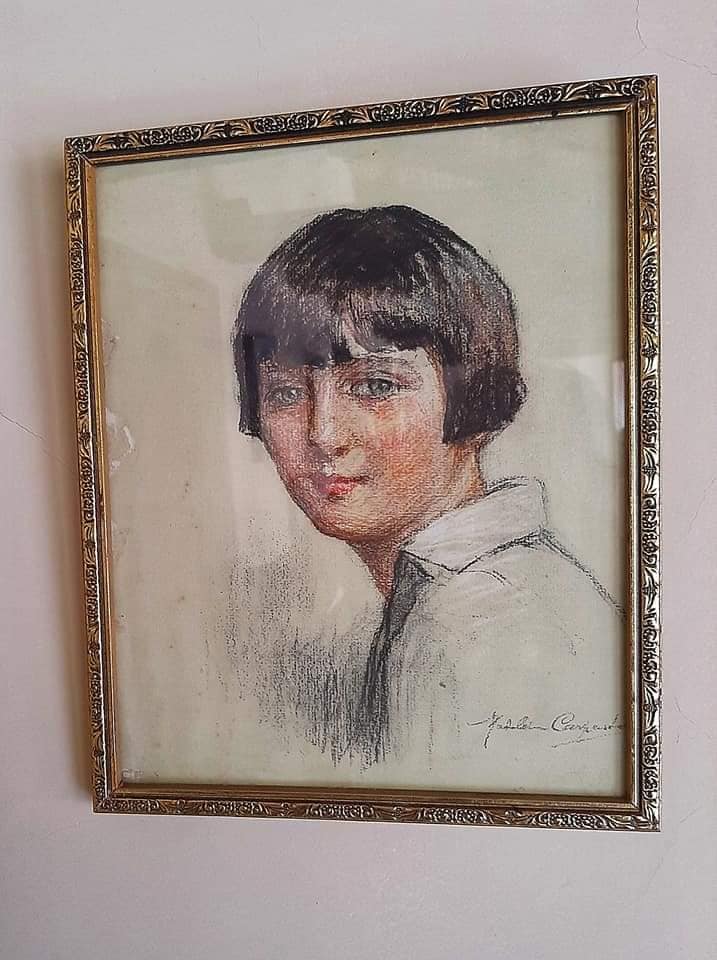
        Portrait of Galo Lasso, by Oswaldo Guayasamin

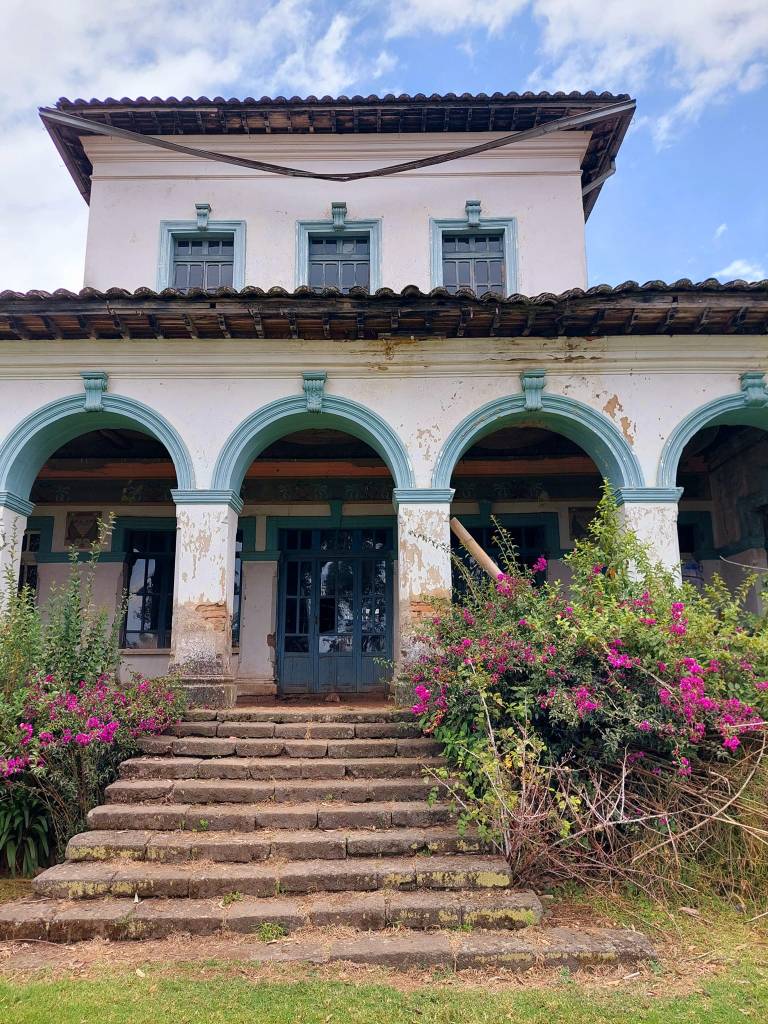
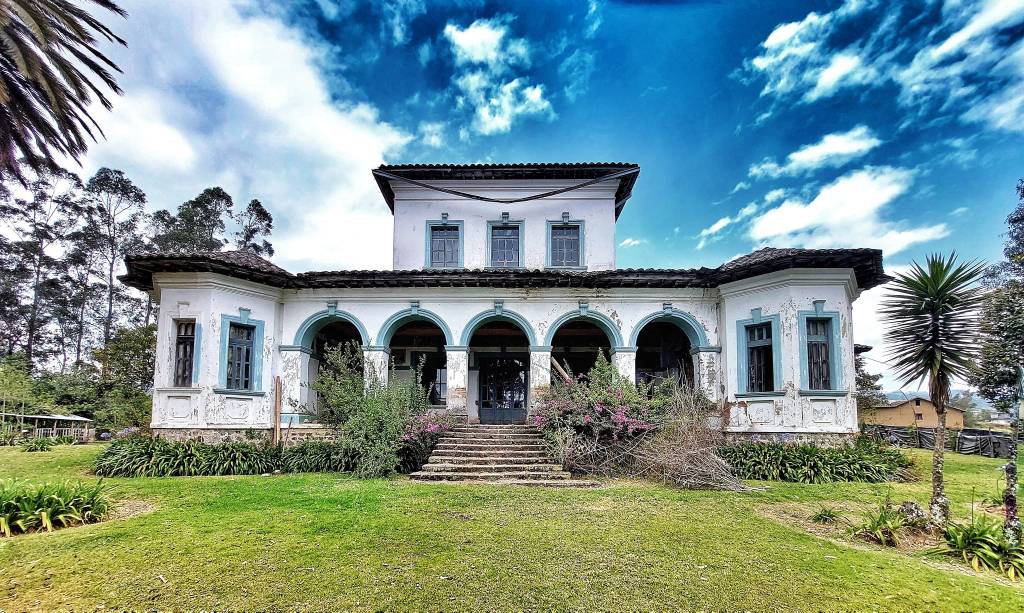
        Hacienda Santa Rosa de Cuendina (Abandoned)

        Cuendina, Ecuador

        I must admit, sometimes I enjoy abandoned haciendas even more than the restored haciendas you can actually stay in. I know I am not alone in this. There have even been books written on this subject such as “The Pleasure of Ruins” by Rose Macaulay. Renaissance painters romanticized Greek ruins, because ruins are eerily beautiful. During the Romantic period of art, there were many paintings of old medieval castles. They are romantic, nostalgic, and wistful. It is looking at a piece of the past that hasn’t been “museumized”. Abandoned buildings are the embodiment of “Once upon A Time”.

        For me what it brings up is a feeling of “I wish I had lived in that time, in this beautiful place.” It is the closest I can get to imagining what my life might have been like, living in that time. So I am going to keep on hunting for old abandoned haciendas in Ecuador, and continuing this personal fantasy.

        Santa Rosa de Cuendina
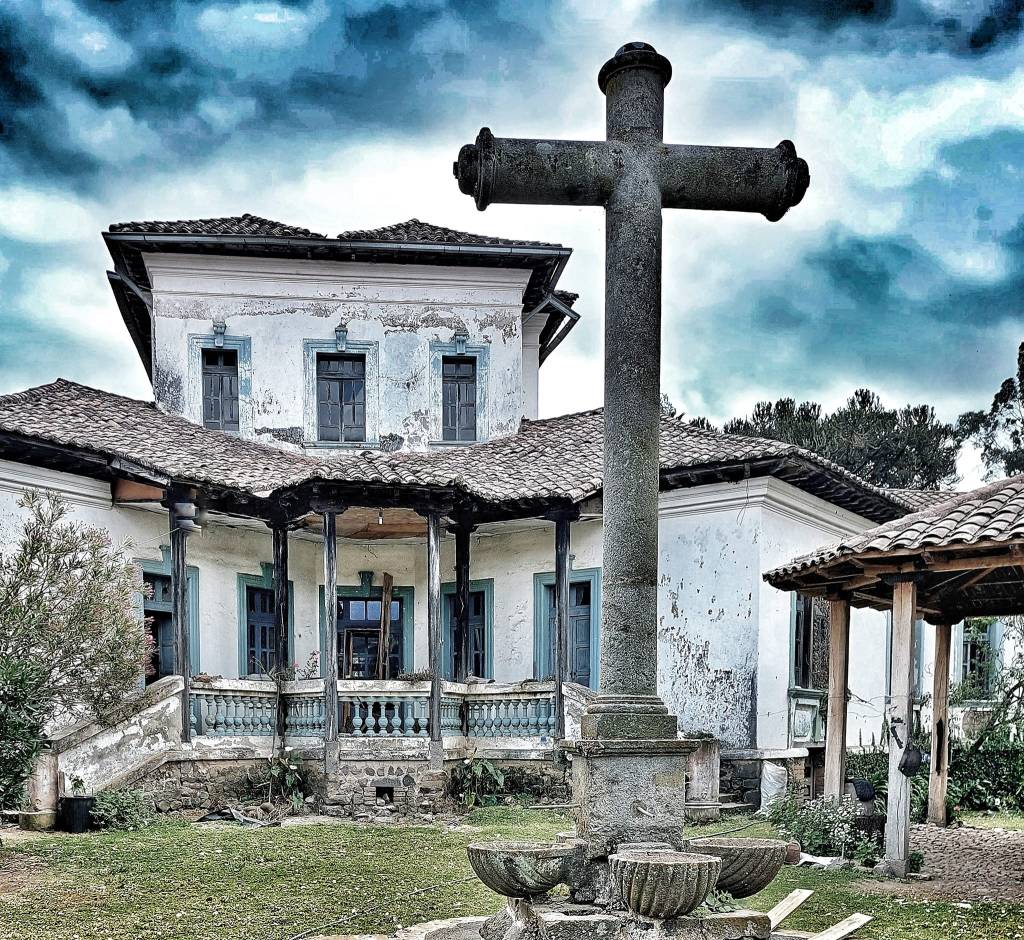
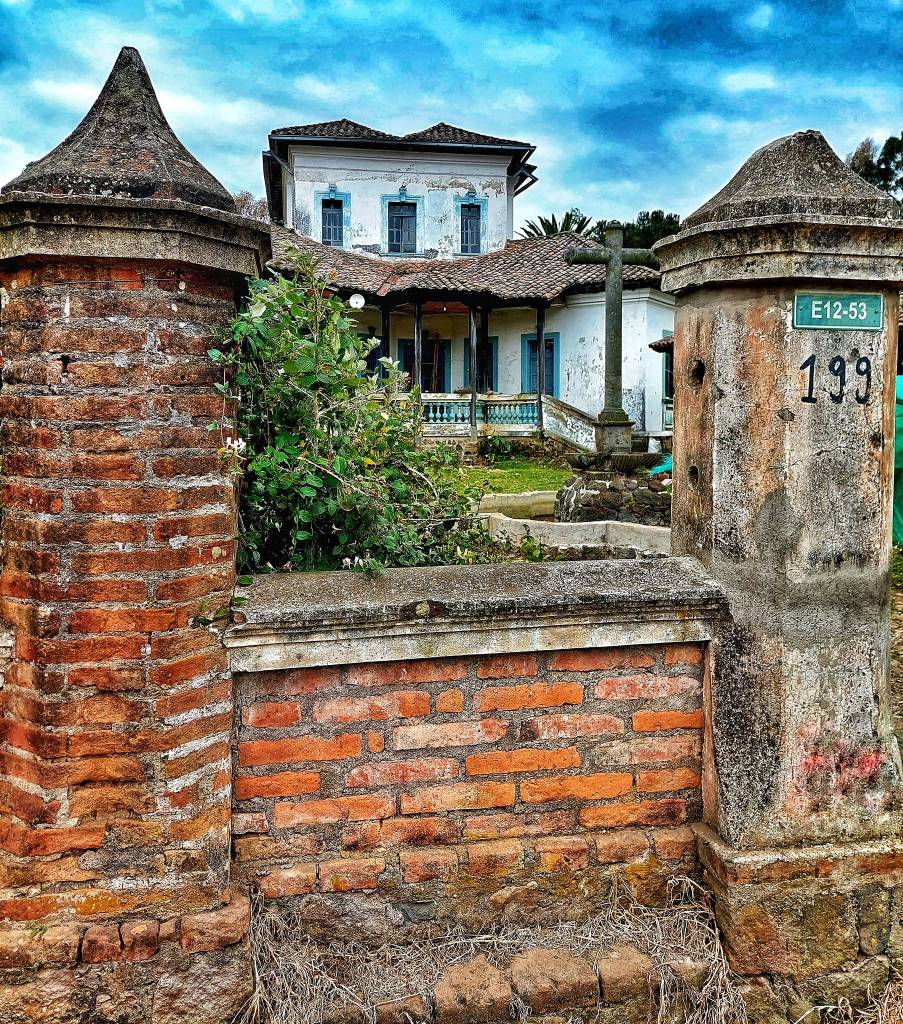
        The hacienda estate was originally owned by the Jesuits. In the mid 1800’s it was in the hands of the Tobar Espinosa family, later owned by Alvaro Ampudia. (1798-1886) Bought from his heirs in 1915 by Jose Maria Espinosa Acevedo, who probably constructed the present building.

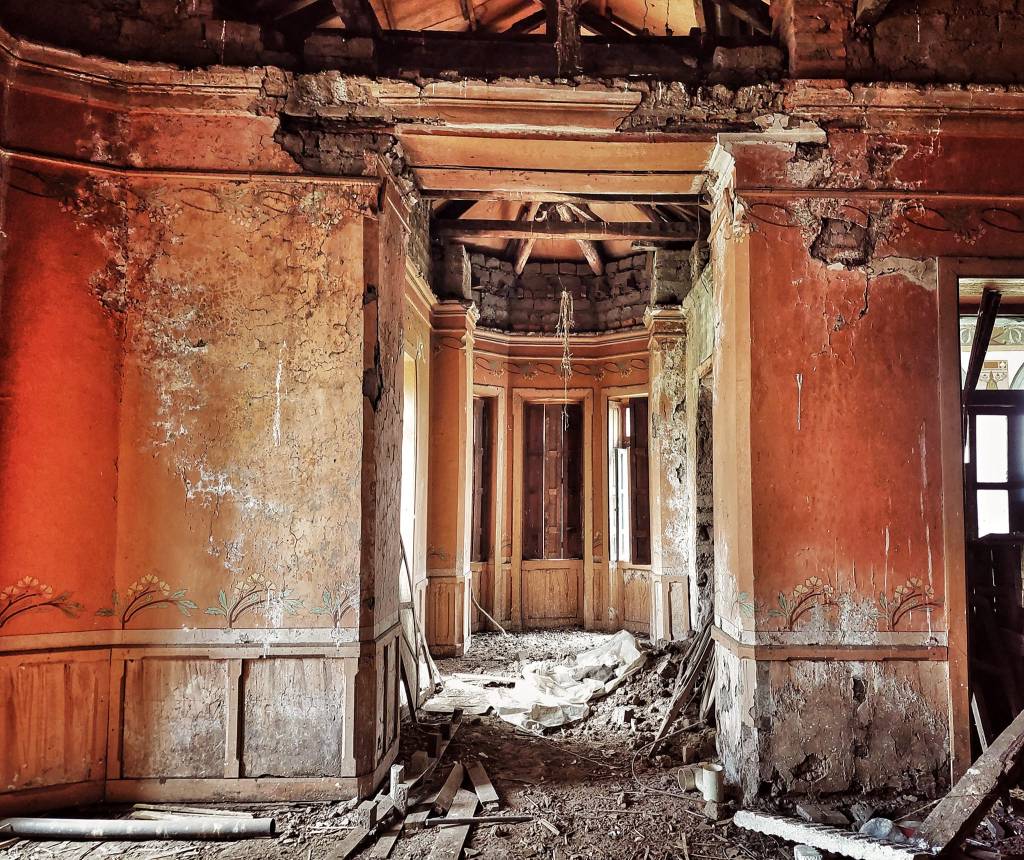
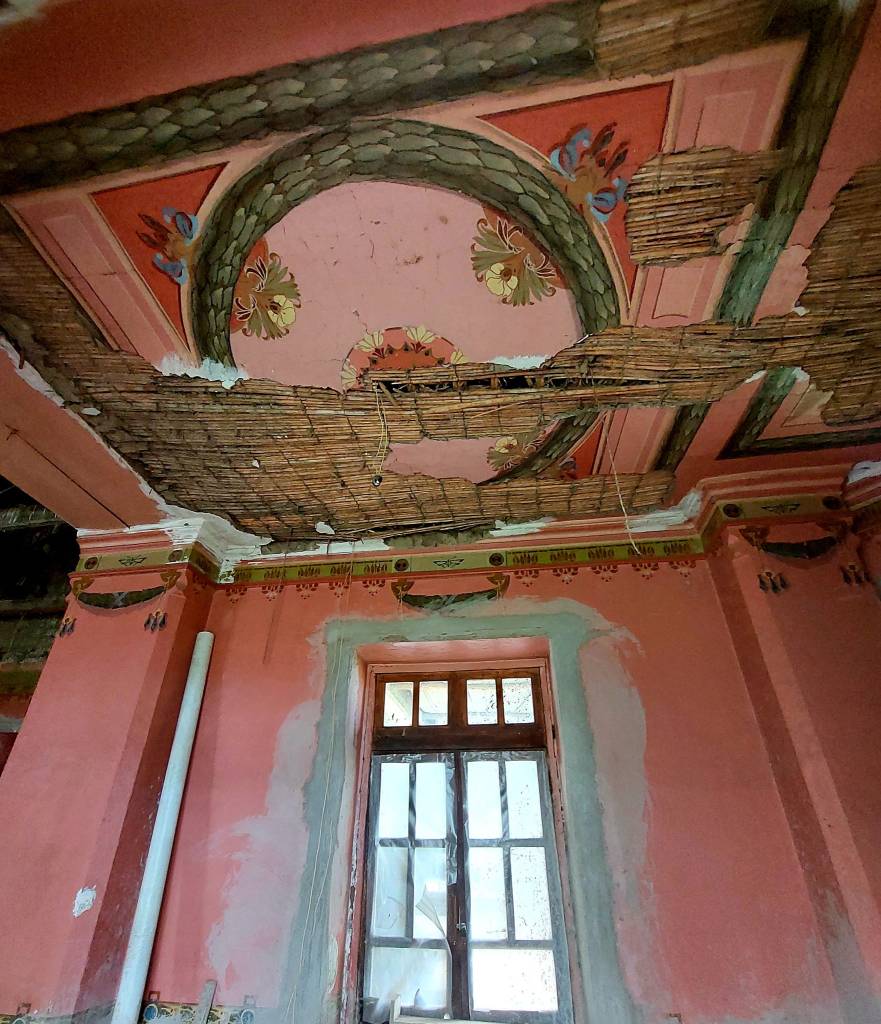
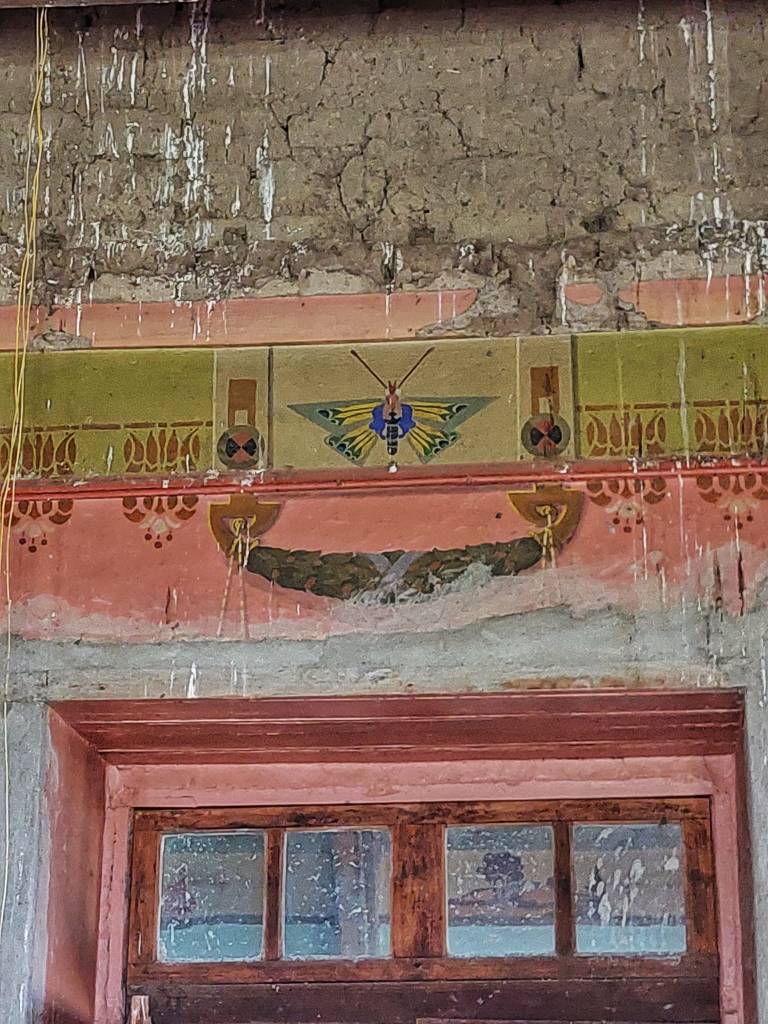
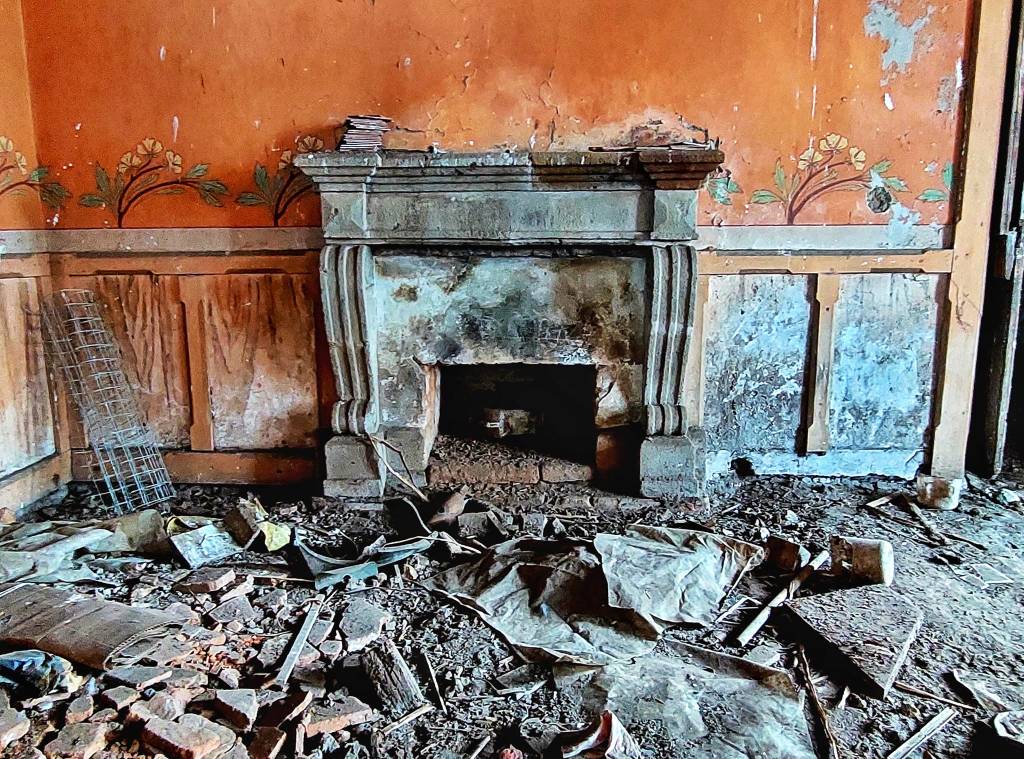
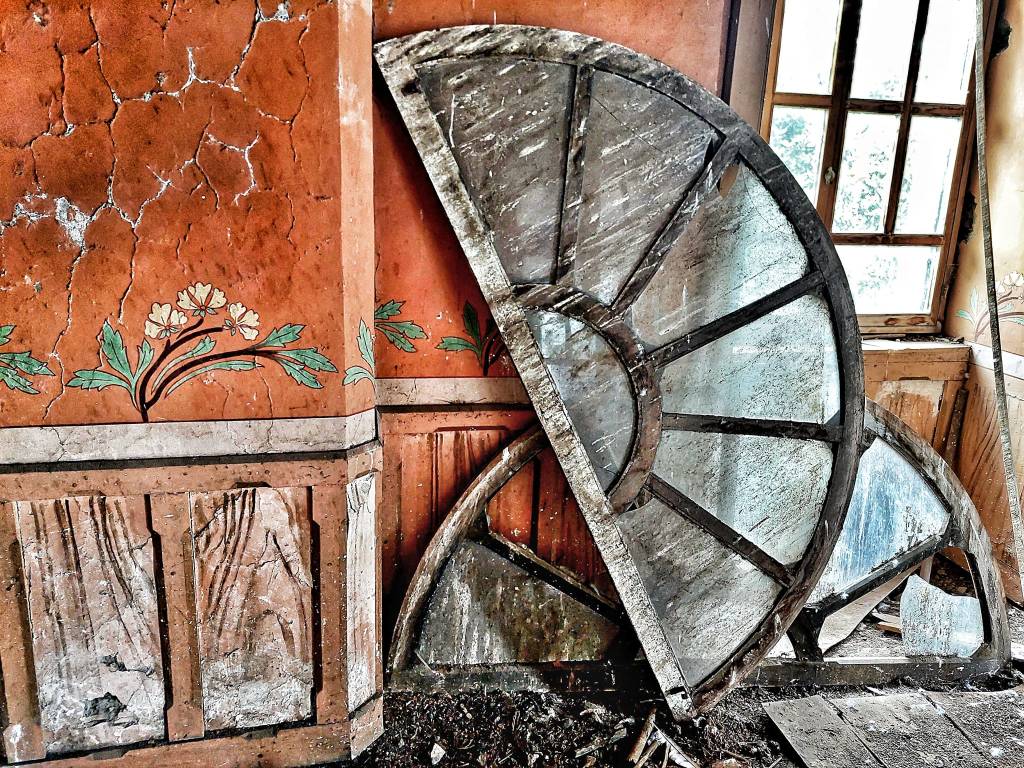
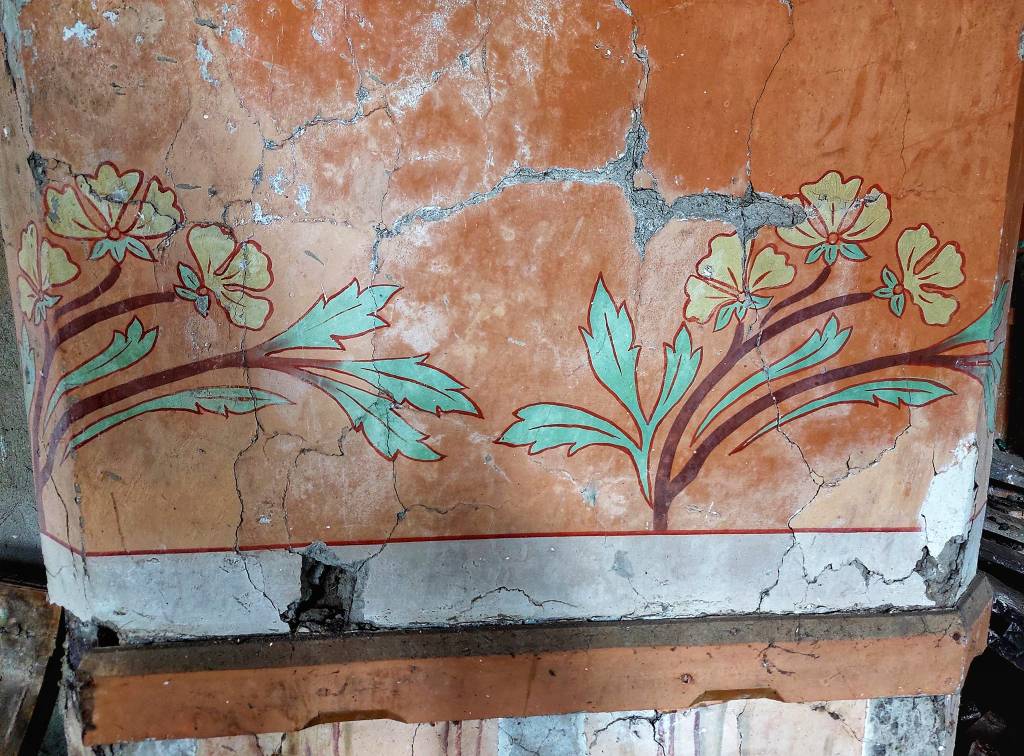
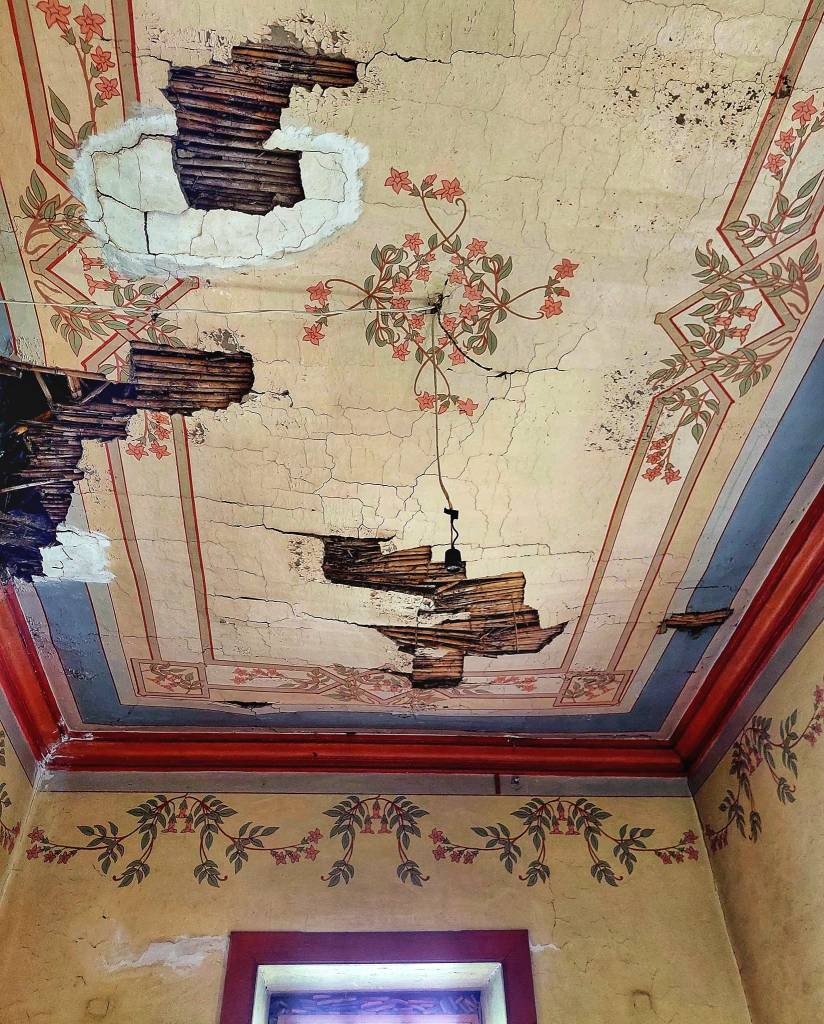
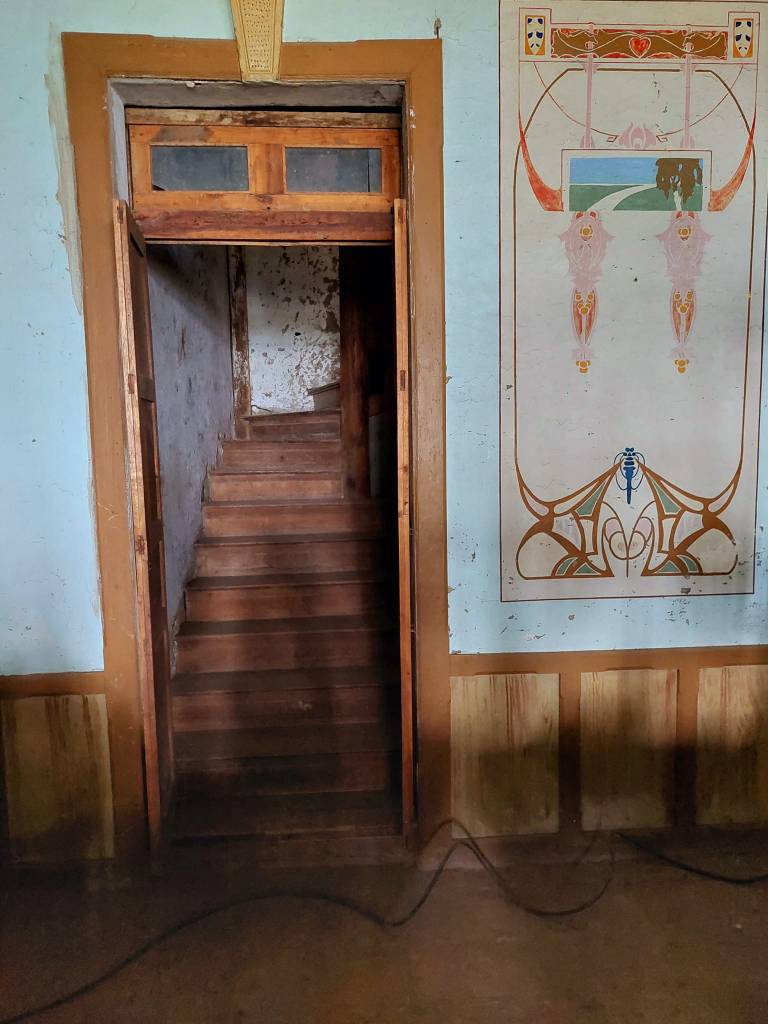
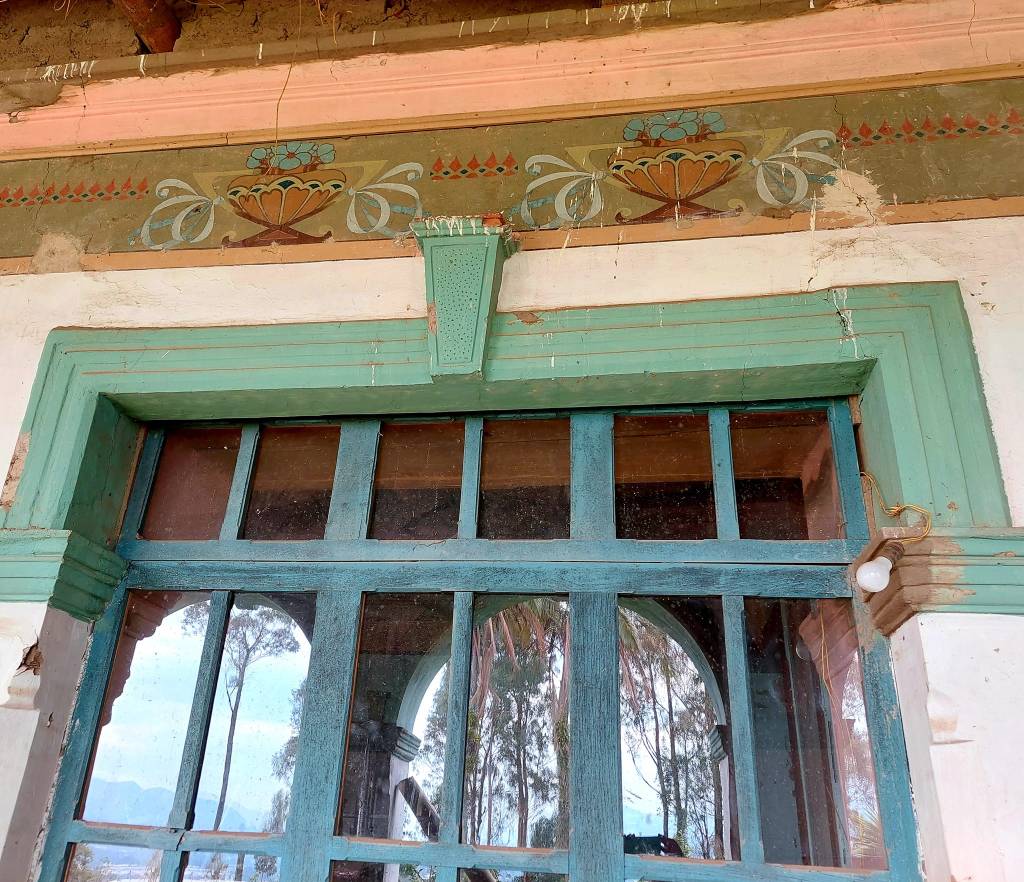
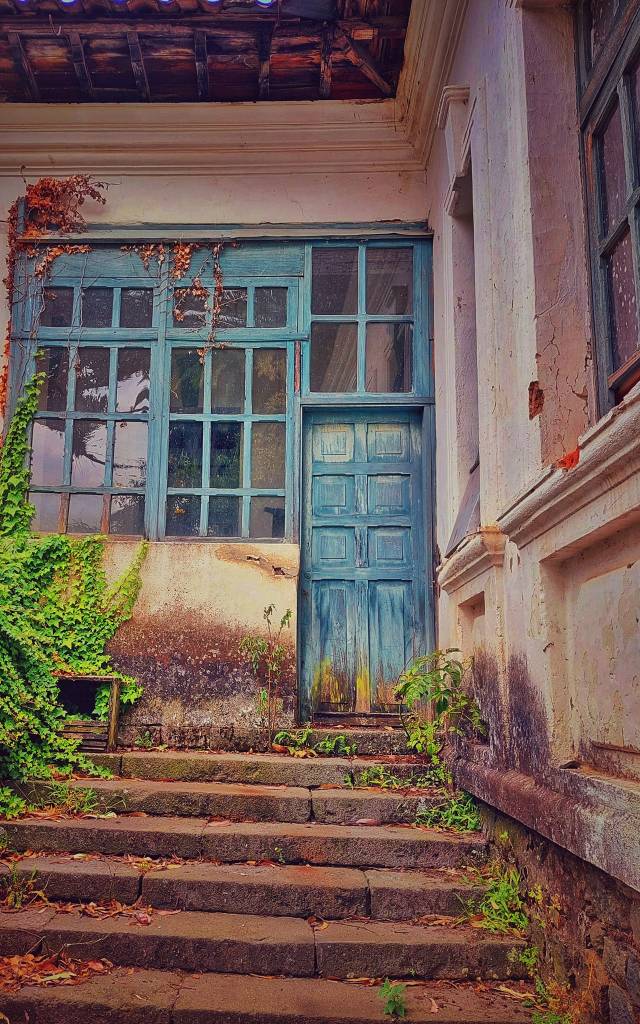
        There is Art Nouveau style decorative painting on the walls and ceilings.

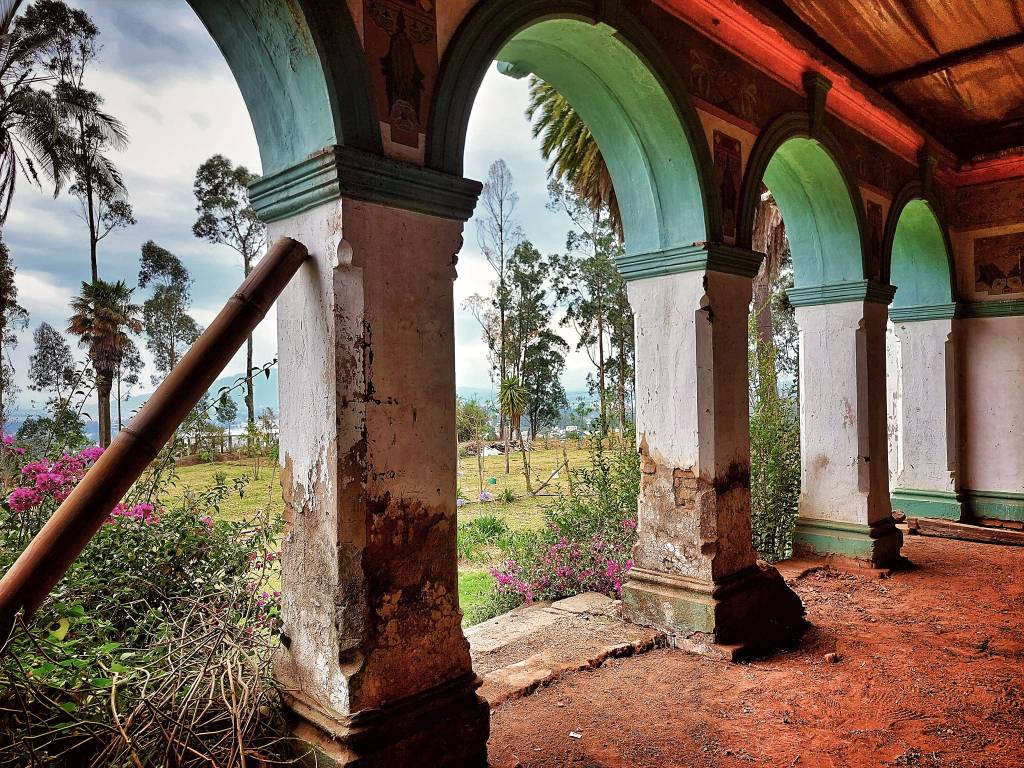
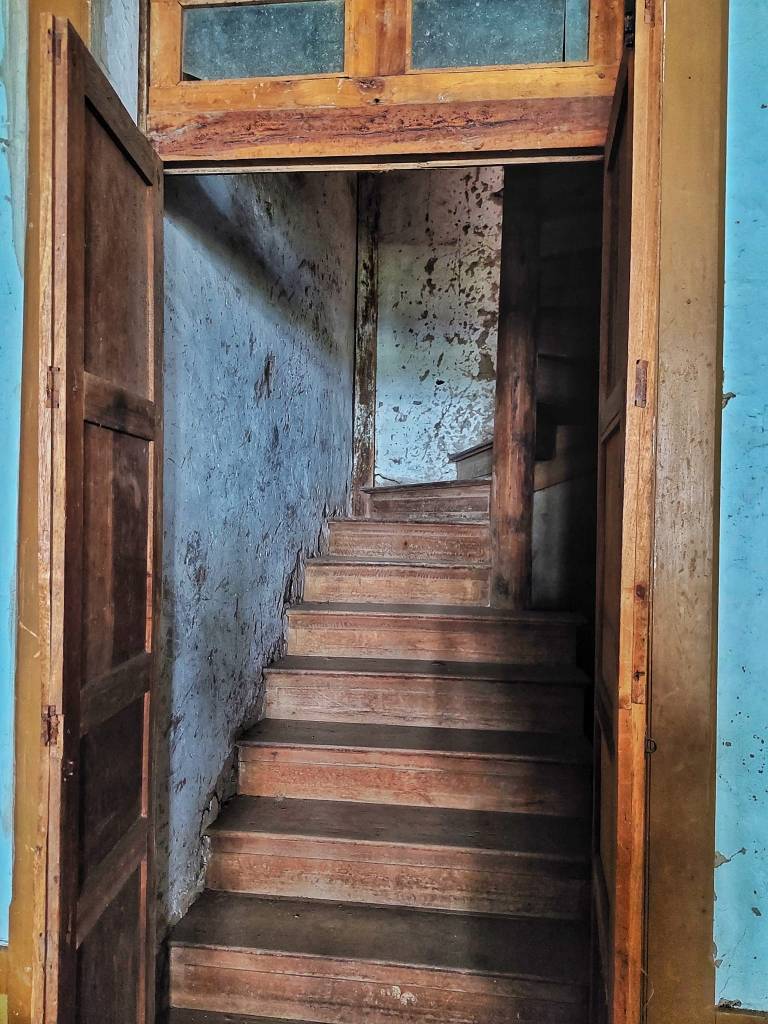
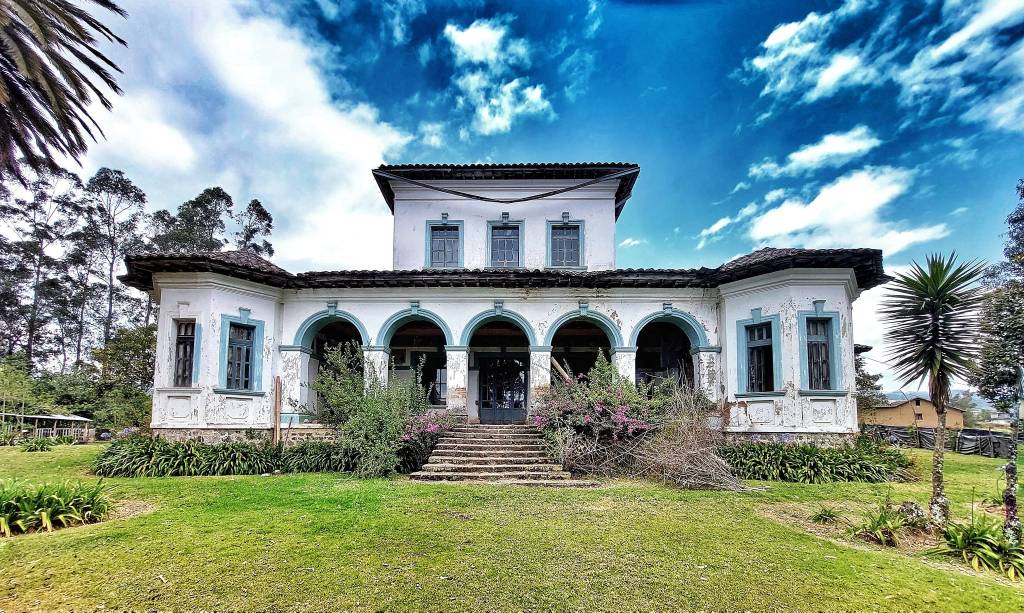
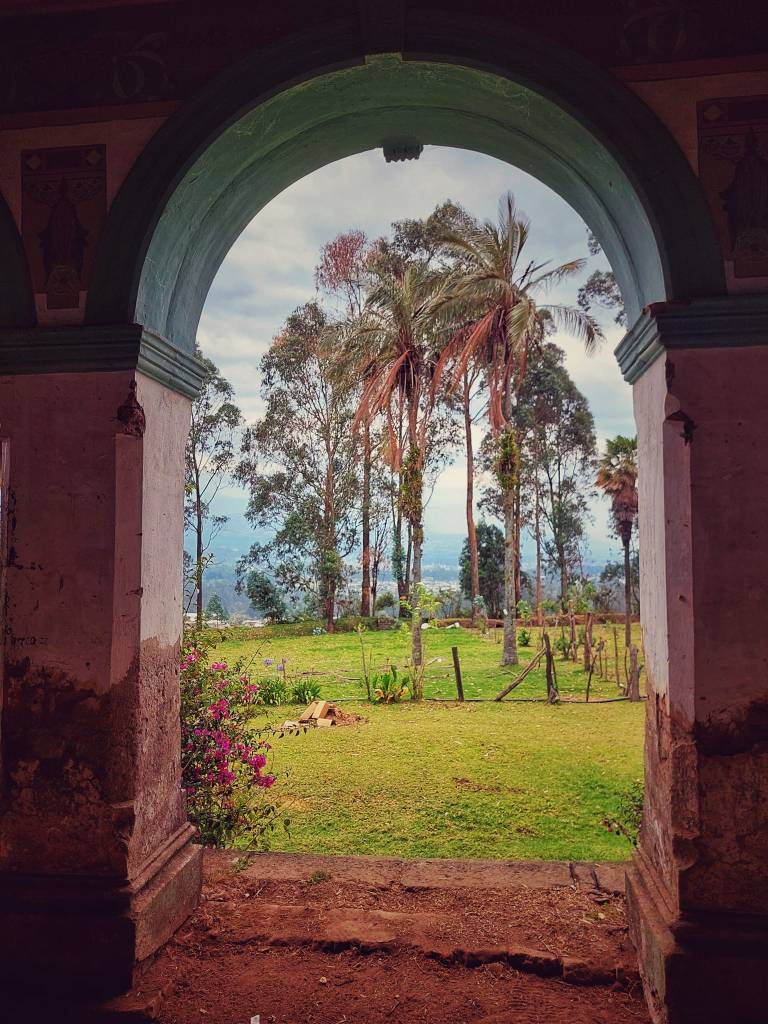
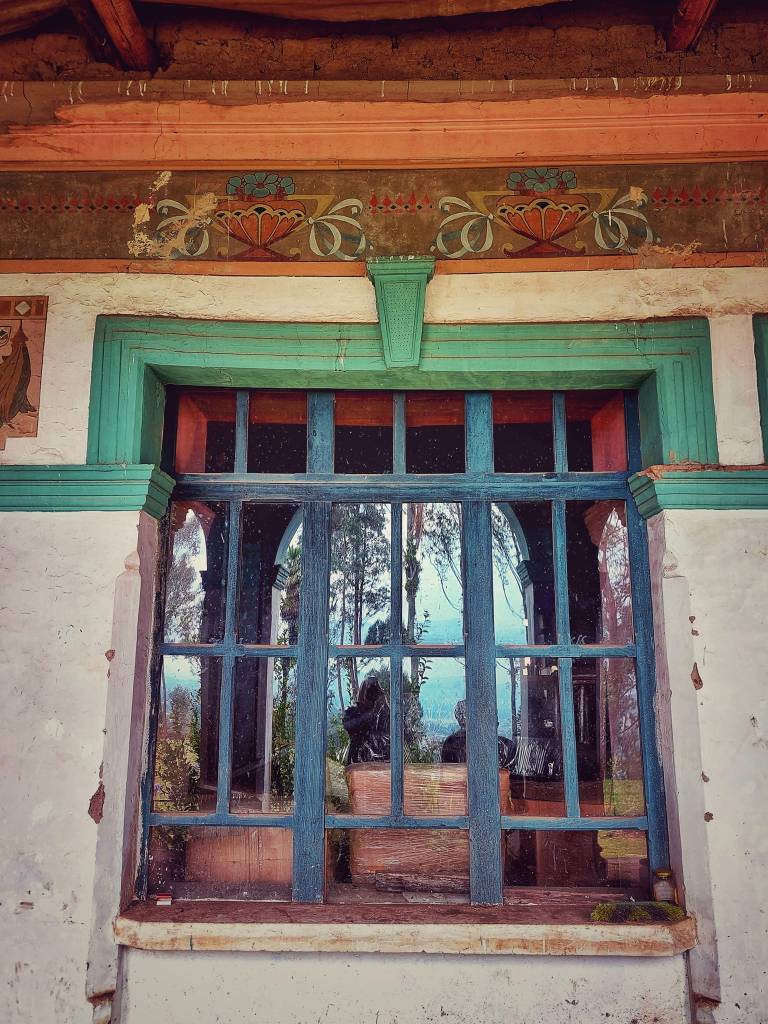
        You can see the old grandeur in the back of the building.

        You can see the bahareque ceiling construction breaking through and deteriorating. I have been told by some Cuenca hacienda owners that it is almost impossible to find workers who know how to repair or reconstruct with this building mode anymore.

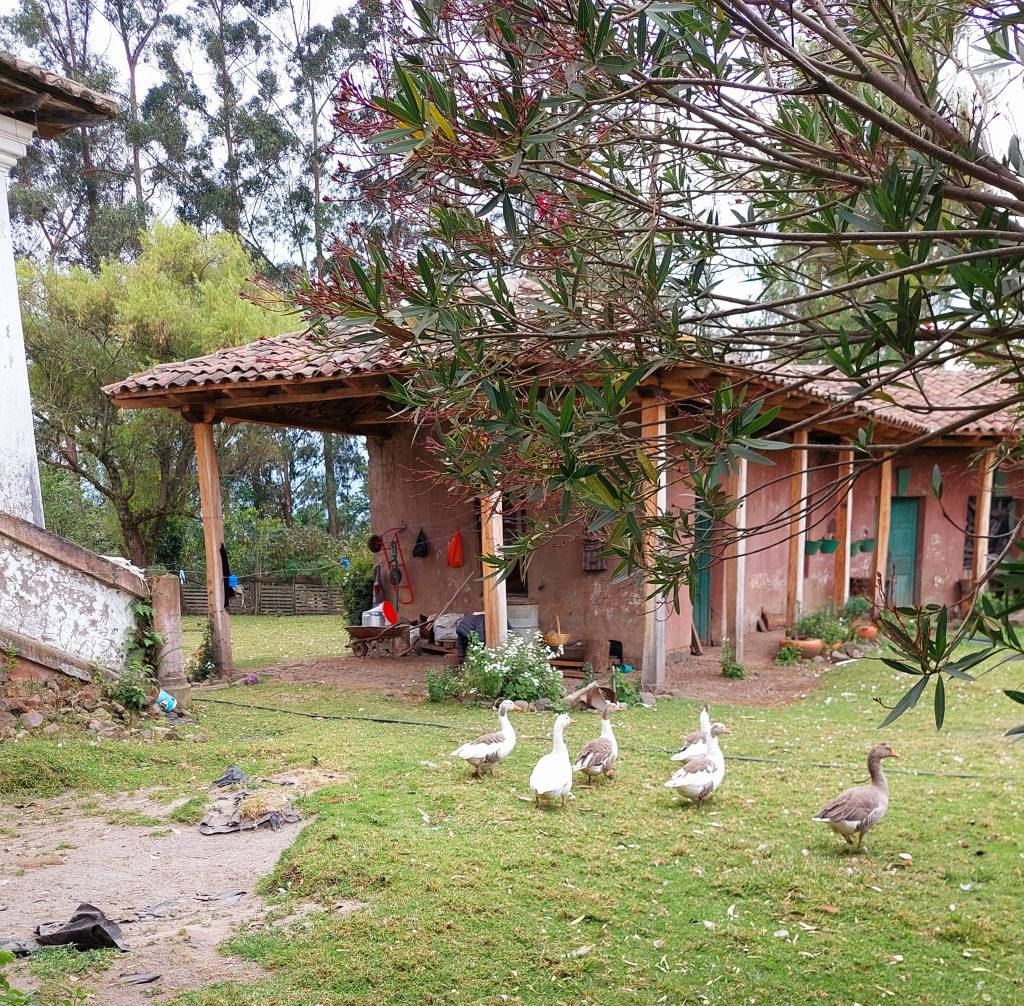
        There is a caretaker who lives on the grounds.

        Molino San Juan Hacienda

        Cayambe, Ecuador

        Molino San Juan Hacienda, in Cayambe, is built within the property that was called Hacienda la Compañía and is owned by descendants (eighth generation) of the Jarrin family who are the owners of what was the Hacienda la Compañía.

        The lodging at San Juan Molino Hacienda is built in the converted barn of the hacienda.

        Dining is available in the lovely outside garden setting.

        You can dine inside, or beside the fireplace.

        Lodging at San Juan Molino Hacienda in the converted barn.

        This was the original trail from Cayambe to Quito.

        The Chapel

        The current owner’s wife and mother in law designed and painted these frescoes in the chapel. Santa Mariana de Jesús, born Mariana de Paredes Flores Granobles y Jaramillo, who was the first saint of Ecuador, was orphaned and raised on the Granoble hacienda close by, was said to have wandered these grounds, and prayed in this chapel.

        The mill: At the end of the 1800’s a visionary and industrialist by the name of Aquilles Jarrin Espinosa, initiated an important project to install a large hydraulic mill in this northern part of Ecuador. After an exhaustive analysis of different designs, the mill was designed and custom made by Cusson of France.
        The first part of the negotiations involved the trading of a diamond ring for the mill’s turbine engine in France. The mill was shipped by sea in separate pieces to the port of Guyaquil The pieces were then transported by mule over the Andes Mountains to Cayambe. And then they were reassembled to form the mill that exists today.

        San Juan Mill or La Compania Mill was actually part of a hacienda of the same name. Descendents of “Don Aquilles” took it upon themselves to restore and convert the structure into the first restaurant/museum situated in a mill in Ecuador.

        The mill consisted of gears and pulleys which were powered by the nearby river. The purpose of the mill was to grind cereal grains, and this continued up until the middle of the 20th century. Most of the production was sold locally although part was exported to Colombia. Advancing technology finally overtook the mill’s system making it obsolete. Turbines, millstones, strainers, and the pulley system have been incorporated into the decorative elements and structure of the restaurant.

        Hacienda San Isidro De Iltaqui

        Hacienda San Isidro de Iltaqui is located way up in the highlands outside of Cotacachi. It is a 200 year old family hacienda.

        Its history is marked by cultural and political milestones of vital importance to the country, one of them being the remains found in the property belonging to the indigenous settlements that inhabited the area, such as the Tolas which are considered archaeological symbolic patrimonies of the Ecuadorian identity.

        In the Republican era, the hacienda was visited by the former President of Ecuador, Gabriel García Moreno, who stayed with his advisers to carry out the reconstruction plans for the city of Ibarra, which was affected by a strong earthquake on August 16. 1868; and during the Alfarista revolution, these lands became a safe place for General Eloy Alfaro, who decided to rest before continuing his journey to the province of Esmeraldas.

        There are ten guest rooms.

        Afternoon Tea

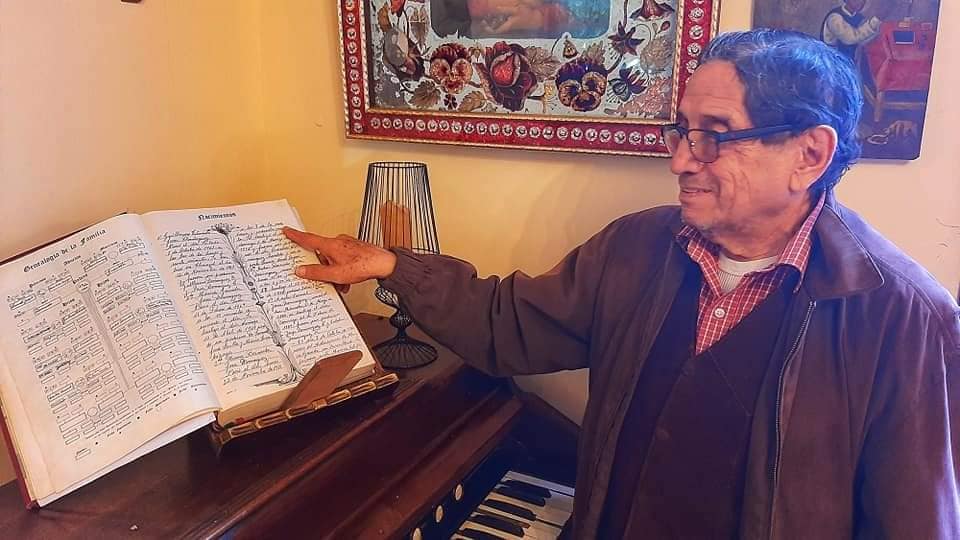
        Rosendo Jara shows his family genealogy in the family Bible.

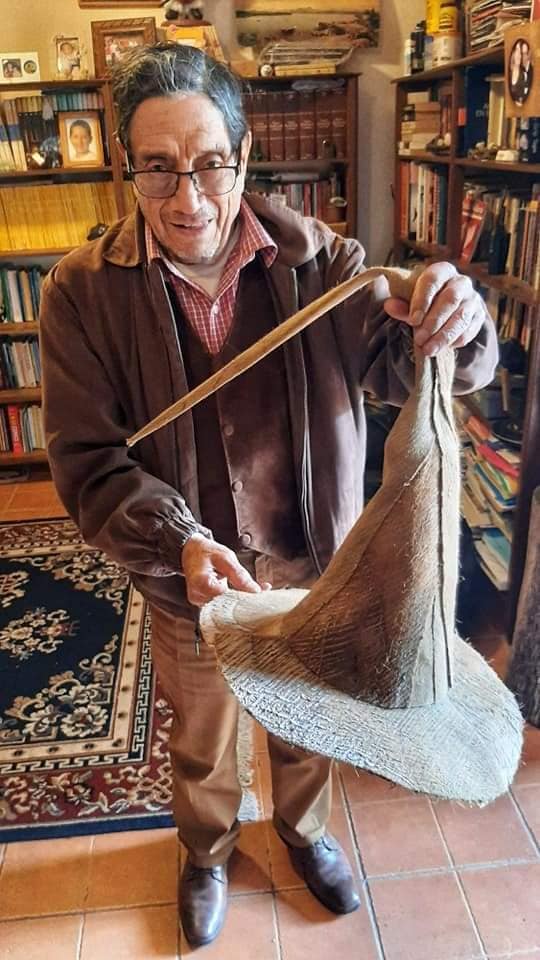
        One of Rosendo’s relatives was a curandero. This was the hat he wore.

        Located in Cotacachi, Imbabura province, close to the Cotacachi Cayapas Ecological Reserve, on the slopes of the Mama Cotacachi volcano.

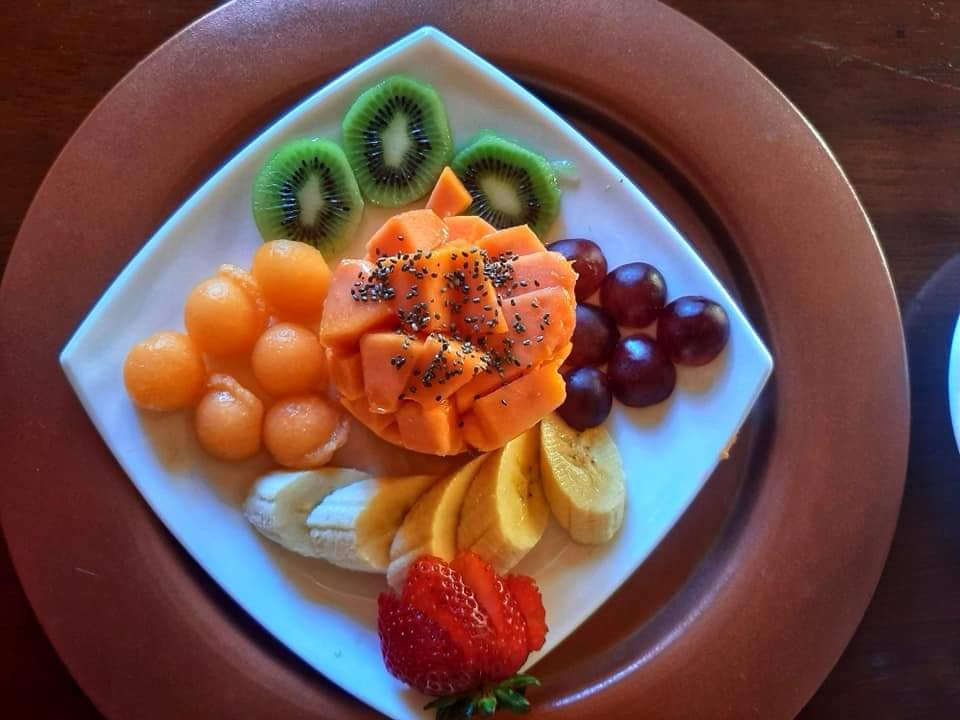
        Breakfast fruits